
District · Gujarat
Panchmahal
Panchmahal offers a close look at eastern Gujarat’s meeting of pilgrimage, rural life and medieval history.
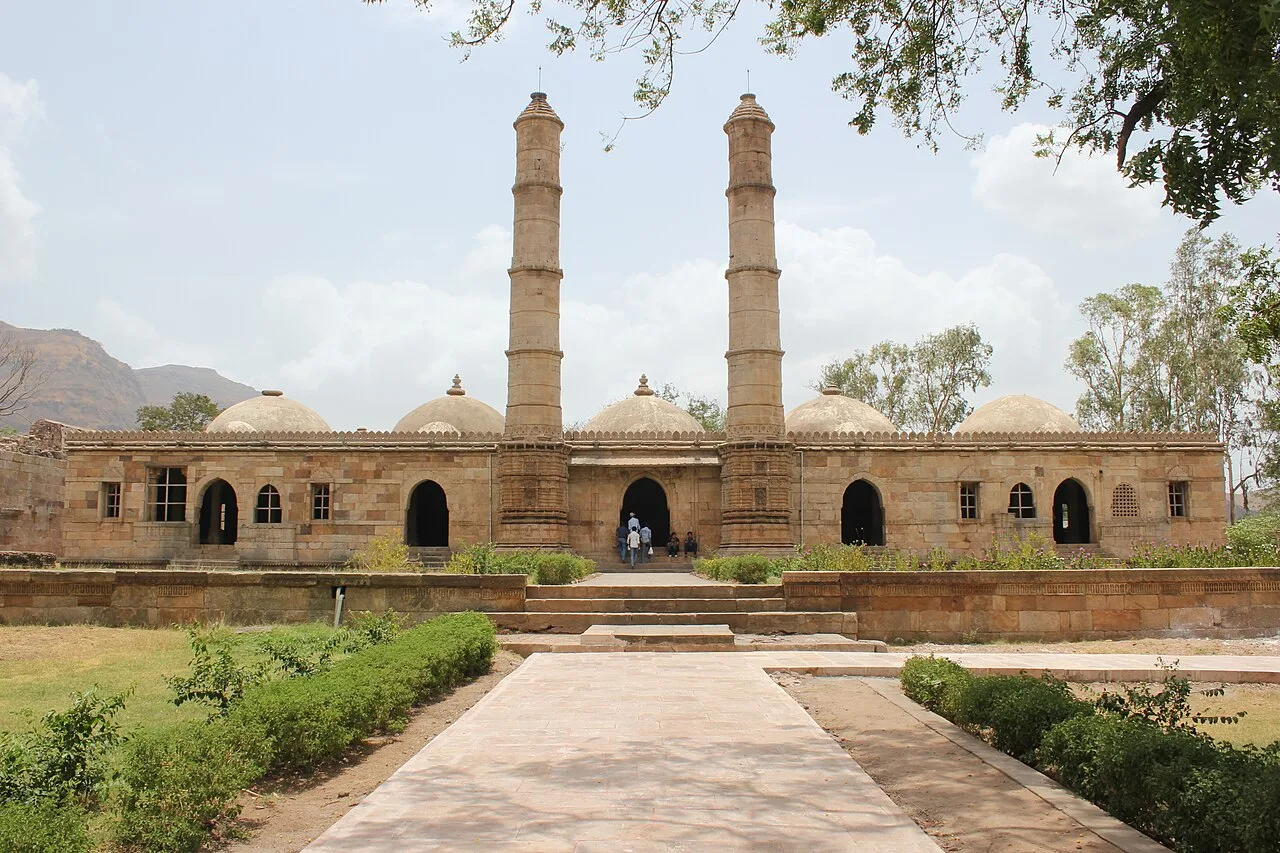
Panchmahal in eastern Gujarat brings together cultivated plains, wooded hills and a landscape shaped by pilgrimage and medieval settlement. Its best-known landmark is Pavagadh, a prominent hill crowned by the revered Kalika Mata temple. At its foot, Champaner preserves the remains of a former Gujarat Sultanate capital. Together they form the UNESCO-listed Champaner-Pavagadh Archaeological Park, where mosques, fortifications, water structures and older religious remains reveal several layers of history. Godhra is the district headquarters and an important everyday commercial centre. Beyond the principal monuments, Panchmahal has a largely rural character, with farming communities and Adivasi cultural traditions connecting it to the wider eastern Gujarat hill belt.
Panchmahal offers a close look at eastern Gujarat’s meeting of pilgrimage, rural life and medieval history. Its best-known draw is Pavagadh, a hill with a revered Kalika Mata temple, above the historic remains of Champaner. Together they form the UNESCO-listed Champaner-Pavagadh Archaeological Park, where fortifications, mosques, water structures and religious sites reflect the area’s changing roles. Godhra, the district headquarters, is a useful everyday hub, while the wider district has cultivated plains, wooded hills and Adivasi cultural traditions. It suits travellers interested in heritage and sacred sites who also want to experience a less urban part of Gujarat.
Panchmahal’s history is especially visible at Champaner and Pavagadh. The hill and surrounding settlements had religious and strategic importance before Champaner became a major Sultanate capital. In the late 15th century, Gujarat Sultan Mahmud Begada captured the hill stronghold and developed Champaner as a capital, commonly known as Muhammadabad. Its mosques, gates, fortifications and water systems date largely from this period, while older religious remains point to earlier layers of settlement and worship. Mughal conquest of Gujarat in the 16th century brought the capital’s political importance to an end, though the area continued to be inhabited and visited by pilgrims. Control of the wider region later shifted amid Mughal and Maratha-era politics. In the 19th century, the Panchmahals came under British administration following transfers from princely-state authority, and the district formed part of the Bombay Presidency. After Indian independence it remained within Bombay State until Gujarat was created in 1960. District boundaries have since changed, including the separation of Dahod in the 1990s.
2 destination guides
Champaner-Pavagadh Archaeological Park
This archaeological park in Gujarat’s Panchmahal district preserves Champaner, Pavagadh’s hill fortress and monuments from several periods. Visitors explore its historic architecture and visit the Kalika Mata Temple.
Pavagadh
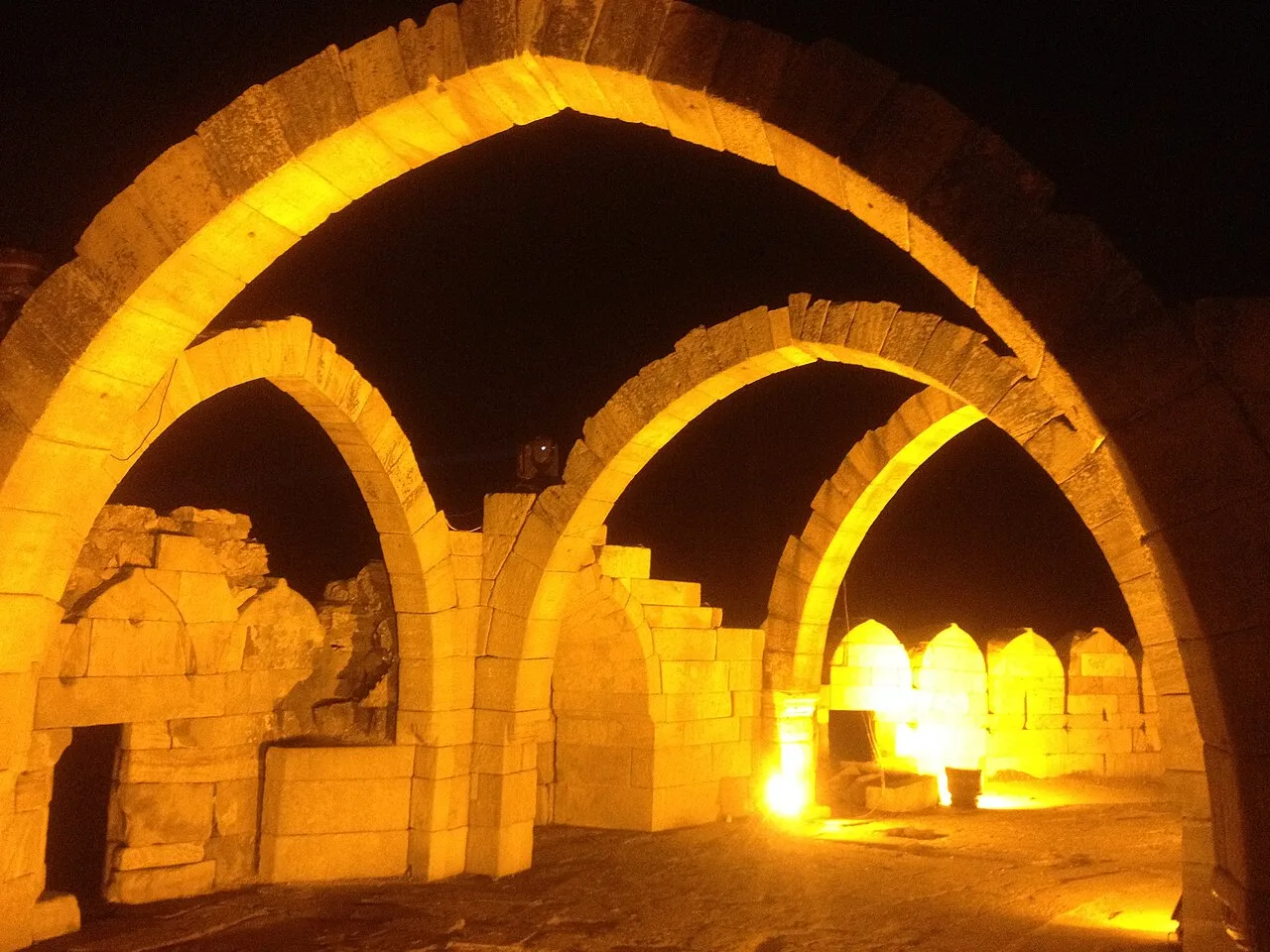
Pavagadh is a municipal area in Gujarat’s Panchmahal district, about 46 kilometres from Vadodara. Visitors come to see its Mahakali temple and the Champaner-Pavagadh Archaeological Park, a UNESCO World Heritage Site.
Food in Panchmahal draws on the wider Gujarati kitchen, with vegetarian meals especially convenient around the Pavagadh pilgrimage area. A Gujarati thali commonly brings together rotli, vegetable dishes, dal or kadhi, rice and accompaniments; flavours may balance sweetness, sourness and spice. Dhokla, khandvi, thepla and fafda-jalebi are familiar regional snacks rather than dishes unique to this district. Kadhi-khichdi makes a simple, comforting meal, while undhiyu is associated with winter. Sweets such as mohanthal and shrikhand also belong to the broader regional repertoire. At small eateries, ask what has been freshly prepared that day.
Panchmahal belongs to eastern Gujarat's wider Adivasi cultural landscape. Pithora painting, associated particularly with Rathwa communities in this broader region, is a ritual wall-painting tradition featuring horses, riders and scenes of community and sacred life. It should not be treated simply as decorative souvenir art; access to household paintings depends on the family's consent and ceremonial context. Gujarat's embroidery, beadwork and textile traditions may also appear in regional markets, but their presence does not establish local manufacture. Ask sellers about an object's maker and place of origin.
Navratri is an important season for worship at Kalika Mata temple on Pavagadh, and pilgrimage crowds can make access busier and nearby rooms harder to find. Other Hindu festivals, including Diwali and Holi, are observed across the district, while local village fairs and Adivasi celebrations reflect regional customs and may follow seasonal or religious calendars. Uttarayan is celebrated as elsewhere in Gujarat. Dates vary from year to year, so visitors planning around a festival should check locally and arrange accommodation ahead, particularly around Pavagadh during major pilgrimage periods.
Elsewhere in Gujarat
Panchmahal lies in eastern Gujarat, where cultivated plains rise toward wooded uplands and the distinctive volcanic hill of Pavagadh. The Mahi and its tributaries form part of the wider regional river landscape; there is no coast. Woodland and hill terrain contrast with the settled agricultural areas around towns and villages. Champaner’s archaeological remains are spread across a broad area at the foot of the hill, so visiting involves road transfers as well as walking. Paths and slopes around Pavagadh can be steep, and monsoon conditions may make some walking surfaces slippery.
Summer is generally hot, with strong sun that can make visits to exposed ruins and the Pavagadh ascent tiring. The monsoon brings rain and greener scenery, but wet paths and occasional travel disruption can affect hill walks and road journeys. Winter is usually the most comfortable season for exploring outdoors. October to February is generally a good period to visit, though pilgrimage days and festivals can be busier. Carry drinking water, sun protection and light, breathable clothing; add a light layer for cooler winter mornings and evenings. In the rainy season, bring rain protection and footwear with a reliable grip.
Vadodara Airport is a practical air gateway for visiting Champaner and Pavagadh. Godhra Junction provides rail access to the district, while Vadodara Junction is another useful arrival point for onward road travel. Road connections through Halol serve the Champaner-Pavagadh area from Vadodara; Godhra provides access from elsewhere in the district. State transport buses, taxis and locally available auto-rickshaws can cover different parts of the journey. The archaeological remains are spread out, so allow for walking as well as road transfers. Reaching the hilltop temple involves a separate ascent. Check current services locally.
Road travel is the practical way to move between Godhra, Halol and the Champaner-Pavagadh area. Halol is a useful approach for the archaeological park from Vadodara, while Godhra connects with other parts of the district. State transport buses serve towns and some larger settlements, but services may not reach every site conveniently. Shared jeeps and auto-rickshaws can be useful locally where available; taxis offer more flexibility for linking dispersed remains. Expect to walk within the archaeological area and allow separately for the Pavagadh hill ascent. Confirm local transport availability before setting out.
2 days: Champaner-Pavagadh Archaeological Park, then Pavagadh; sleep in Halol on night 1. 3 days: Champaner-Pavagadh Archaeological Park, then Pavagadh, then Champaner-Pavagadh Archaeological Park; sleep in Halol on night 1 and Godhra on night 2.
Halol is a practical base for visiting Champaner and Pavagadh, with general-purpose hotels and local accommodation. Godhra offers a wider choice of town hotels and works better for journeys across the district or rail connections. Accommodation close to the hill may be more limited, so do not assume rooms will be available during busy pilgrimage periods. Homestays, government lodges or dharamshalas may be available in some locations, but facilities and access vary; confirm arrangements directly and book ahead during festivals.
Wear sturdy footwear for uneven archaeological paths and the steep Pavagadh ascent; rain can make stone and earth surfaces slippery. Carry water, sun protection and any needed medicines, and use treated or sealed drinking water. Avoid entering restricted or unstable structures, and keep to established paths in wooded areas. Crowds can build during pilgrimage and festival periods, so agree on a meeting point if travelling in a group. Rural road conditions and mobile connectivity can vary, especially away from towns. Check current temple access, road conditions and official visitor guidance before travelling; confirm any permit requirements with the relevant authorities.
- Vadodaraabout 39 km
- Khedaabout 49 km
- Narmadaabout 75 km
- Ahmedabadabout 115 km
- Gandhinagarabout 122 km
- Dhar · Madhya Pradeshabout 182 km
- Mehsanaabout 182 km
Straight-line distance between the centres of each district's destinations; road distance is longer.
Q: How many days should I spend in Panchmahal? A: Two days can cover the main Champaner-Pavagadh visit at a measured pace; allow a third day for a less rushed trip or onward travel around the district. Q: When is the best time to visit? A: October to February is generally most comfortable for outdoor sightseeing. Monsoon visits can be scenic but require care on wet paths. Q: Where is the best base? A: Halol is convenient for Champaner and Pavagadh; Godhra is useful for rail access and travel elsewhere in the district. Q: How do I get to Panchmahal? A: Vadodara Airport and Vadodara Junction are useful gateways, while Godhra Junction provides rail access. Continue by road toward Halol or Godhra. Q: Is the district suitable for families or elderly travellers? A: Yes, with planning. The archaeological area involves walking, and the Pavagadh ascent can be strenuous; check current access options and choose activities to suit mobility.
This page draws on our 2 destination guides for Panchmahal and is updated as our team checks it.
Be the first to share photos, stories, advice or a helpful contact for Panchmahal.
Loading…