
District · Gujarat
Sabarkantha
Sabarkantha sits in northeastern Gujarat, where the state’s cultivated plains give way to the rocky hills and wooded slopes of the Aravalli region.
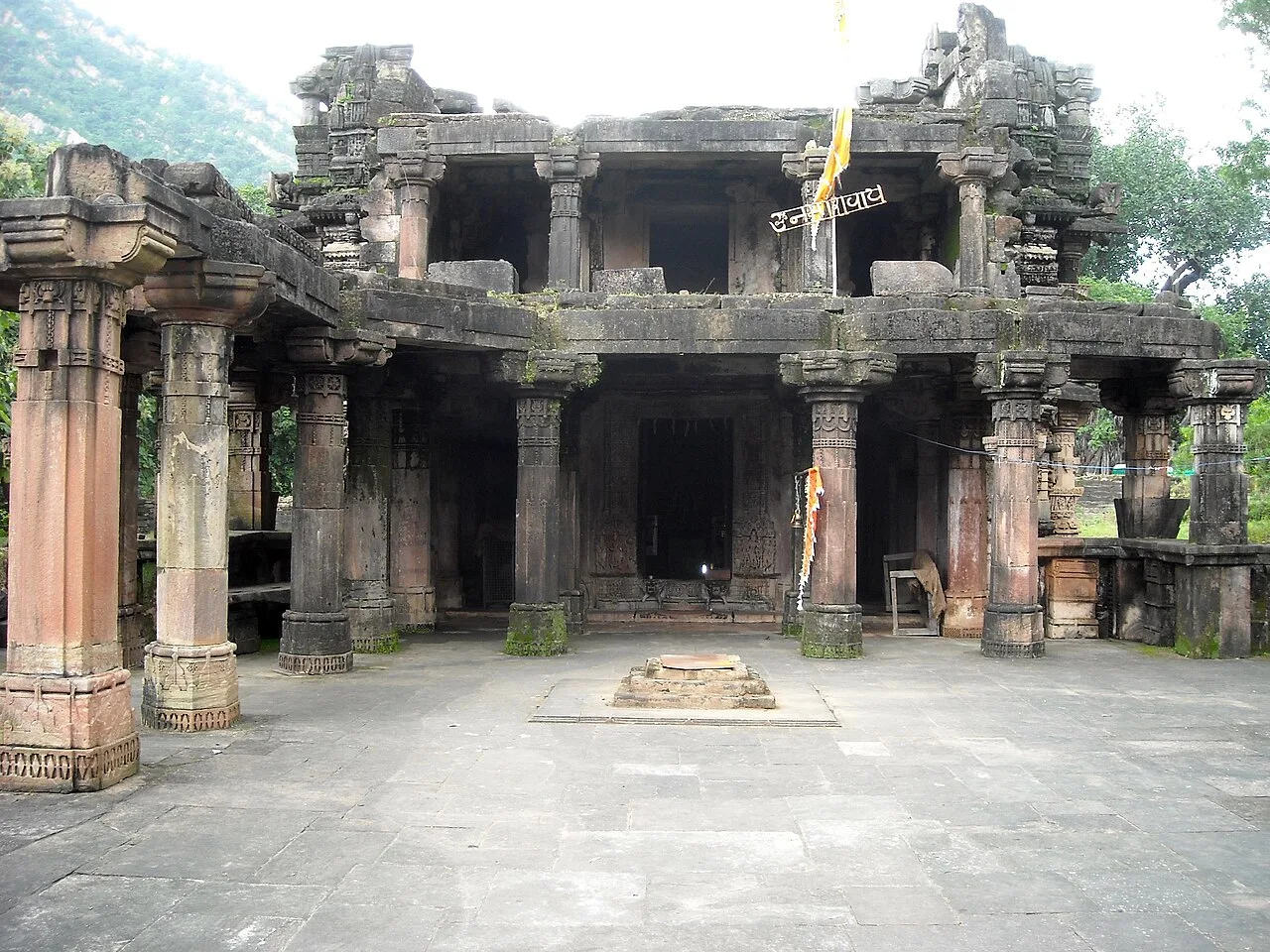
Sabarkantha lies in northeastern Gujarat, where agricultural plains meet the rocky hills and wooded slopes of the Aravalli landscape. Himmatnagar, the district headquarters, is its principal urban centre, while Idar is known for striking granite outcrops and a historic hilltop setting. Near Abhapur in Vijaynagar taluka, Polo Forest preserves dry mixed deciduous woodland alongside the remains of medieval Hindu and Jain temples. These ruins offer a glimpse of the area's older religious and settlement history. The district's character comes from this meeting of cultivated countryside, small towns, forest villages and historic sites. It rewards unhurried exploration, particularly for travellers interested in landscapes and architectural remains rather than large resort destinations.
Sabarkantha sits in northeastern Gujarat, where the state’s cultivated plains give way to the rocky hills and wooded slopes of the Aravalli region. Himmatnagar is its main urban centre, while Idar is known for its granite outcrops and hilltop setting. The district is best known to visitors for Polo Forest near Abhapur, where dry woodland surrounds the remains of medieval Hindu and Jain temples. Rather than a large resort area, Sabarkantha offers a quieter mix of countryside, small towns and historic sites. It suits travellers who enjoy a slower pace, landscape walks and exploring architectural remains.
Sabarkantha’s past reflects its position between the plains of north Gujarat and the Aravalli foothills. The Polo Forest temple remains near Abhapur are medieval, and their Hindu and Jain associations point to the religious and settlement activity that once took place in this wooded region. The wider area came under changing regional powers over the centuries, including Gujarat-based kingdoms and later Mughal and Maratha influence. Idar developed as the centre of a princely state ruled by Rajput chiefs; during the colonial period, Idar and neighbouring states were linked to British administration through the Mahi Kantha political agency. After India became independent, princely territories were integrated into the new national administration. Sabarkantha was established as a district after independence and became part of Gujarat when the state was formed in 1960. Its administrative boundaries and local governance have changed over time, but Himmatnagar has remained the district headquarters. Today, the region’s history is visible in its hill settings, older settlements and the temple ruins at Polo Forest.
Food in Sabarkantha draws on the wider traditions of northern Gujarat, with vegetarian meals widely available. A Gujarati thali commonly brings together rotli, dal or kadhi, vegetables, rice and accompaniments such as pickles and papad. Thepla, dhokla and fafda are familiar breakfast or snack choices, while kadhi-khichdi makes a simple, comforting meal. Winter may bring undhiyu, a seasonal Gujarati vegetable preparation, though availability varies. Gujarati cooking often balances savoury flavours with a little sweetness; not every dish is sweet. Around smaller settlements and Polo Forest, ask eateries what has been freshly prepared, since daily menus can be limited.
Sabarkantha's historic temple sites provide an introduction to stone carving and architectural ornament, particularly among the ruins around Polo Forest. For living craft traditions, it is useful to look at the wider Gujarat context: embroidery, beadwork, pottery and woven textiles form part of the state's varied craft heritage. Bandhani tie-dye is also associated with Gujarat, though it should not be presented as a Sabarkantha speciality. In local markets, ask where an item was made and who produced it; goods sold in the district may come from other craft centres.
Navratri, usually in autumn, is widely observed in Gujarat with devotional gatherings and garba, while Diwali and Holi are celebrated in towns and villages. In Sabarkantha’s rural and forest-edge communities, local fairs and religious observances may draw visitors from nearby villages; their dates and scale vary by place. These occasions can make town centres busier and reduce room availability, especially where accommodation choices are limited. Travellers planning around a particular village event should confirm its timing locally rather than assume a fixed annual date.
Elsewhere in Gujarat
Sabarkantha’s terrain changes from agricultural plains around its towns to rocky ridges, wooded slopes and hill country toward the Aravalli foothills. The Sabarmati and local streams are part of the wider regional drainage, though water levels and access vary seasonally. Around Abhapur, dry mixed deciduous forest frames the remains of medieval temples at Polo Forest. Roads through the hill and forest belt can be slower and less direct than routes across the plains, so allow time for the final approach and do not assume every site is served by regular public transport.
Summer is generally hot, so outdoor visits are more comfortable early or late in the day. The monsoon brings greener hills and forest, but rain can make tracks slippery and affect access to rural sites. Winter is usually the most comfortable season for exploring towns, hills and Polo Forest. The cooler months, broadly from October to February, are a good choice for most visitors, though conditions can vary. Carry sun protection and water in warmer weather; in winter, bring a light warm layer. During the monsoon, pack rain protection and sturdy footwear suitable for uneven ground.
Sardar Vallabhbhai Patel International Airport in Ahmedabad is the main air gateway for Sabarkantha. Himmatnagar railway station is a useful rail access point, particularly for onward travel towards Polo Forest. Road connections link Himmatnagar with Ahmedabad, Idar and the Ahmedabad–Udaipur corridor. State transport buses serve the main towns, while taxis and auto-rickshaws can help with shorter journeys. For Polo Forest near Abhapur, plan the final leg separately rather than assuming frequent public transport reaches every site. A hired vehicle can make dispersed stops easier, especially when arranging the return journey. Check current services locally.
Himmatnagar is the main road hub, with connections toward Idar and the Ahmedabad–Udaipur corridor. State transport buses serve principal towns, but services to smaller villages and forest sites may be limited or irregular. Autos and shared vehicles can help with local journeys where available; a hired car or taxi is often more practical for combining dispersed stops and arranging the return from Polo Forest near Abhapur. Confirm the final leg locally, particularly outside busy periods, and avoid relying on an onward ride being available at the site.
Himmatnagar is the most practical base for road access and a broader choice of hotels and everyday services. Idar can suit travellers focusing on the hill country, though accommodation options may be more limited. For Polo Forest, confirm lodging close to the site well ahead; visitors may find it more dependable to stay in a larger town and travel in for the day. Homestays, government or forest lodges, and dharamshalas may be available in parts of the district, but facilities and access vary, so verify arrangements directly before setting out.
Wear sturdy shoes at Polo Forest: temple remains, rocks and forest paths can be uneven, and monsoon rain may make them slippery. Carry drinking water, sun protection and any personal medication; do not rely on shops or mobile connectivity near rural sites. Keep a respectful distance from wildlife, do not feed animals, and follow local forest guidance. Check road conditions and arrange a return ride before entering remote areas. Confirm locally with the relevant authorities whether any site-specific access rules or permits apply; do not assume requirements are unchanged.
- Banaskanthaabout 57 km
- Udaipur · Rajasthanabout 78 km
- Mehsanaabout 87 km
- Sirohi · Rajasthanabout 89 km
- Gandhinagarabout 109 km
- Patanabout 120 km
- Rajsamand · Rajasthanabout 123 km
- Pali · Rajasthanabout 127 km
Straight-line distance between the centres of each district's destinations; road distance is longer.
Q: How many days should I spend in Sabarkantha? A: Two days can cover a visit to Polo Forest from Himmatnagar; allow a third day for a slower pace or additional town and countryside stops. Q: When is the best time to visit? A: The cooler months, broadly October to February, are generally most comfortable. Monsoon brings greener scenery but can make tracks slippery. Q: What is the best base for visiting Polo Forest? A: Himmatnagar is a practical base for transport and services. Confirm whether suitable lodging closer to Polo Forest is available before planning an overnight stay nearby. Q: How do I get to Sabarkantha? A: Ahmedabad’s Sardar Vallabhbhai Patel International Airport is the main air gateway. Himmatnagar is a useful rail access point, and road links connect the district with Ahmedabad and nearby towns. Q: Is Sabarkantha suitable for families or elderly travellers? A: Town visits can suit a range of travellers, but Polo Forest involves uneven ground and rural road travel. Families and older visitors should plan transport carefully and adapt walks to their mobility.
This page draws on our 1 destination guides for Sabarkantha and is updated as our team checks it.
Be the first to share photos, stories, advice or a helpful contact for Sabarkantha.
Loading…