
District · Rajasthan
Rajsamand
Rajsamand lies in the Mewar region of southern Rajasthan, where hill country and historic towns offer a different pace from the state’s larger cities.
Rajsamand district lies in southern Rajasthan's Mewar region, where the Aravalli hills frame rocky slopes, agricultural valleys and historic settlements. Its character brings together fort architecture, pilgrimage and the memory of Mewar's rulers. Kumbhalgarh rises along the western Aravallis, its extensive fortifications following the contours of the hills. Haldighati, the mountain pass associated with the 1576 battle involving Maharana Pratap, connects the landscapes of Rajsamand and Udaipur. Rajsamand Lake, commissioned by Maharana Raj Singh in the seventeenth century, gives the district its name and a distinctive waterfront. Nathdwara is an important pilgrimage town centred on the Shrinathji temple, with devotional art and religious traditions shaping its identity.
Rajsamand lies in the Mewar region of southern Rajasthan, where hill country and historic towns offer a different pace from the state’s larger cities. The district is best known for Kumbhalgarh Fort, whose long ramparts follow the western Aravallis; Haldighati, associated with the 1576 battle involving Maharana Pratap; and Rajsamand Lake, commissioned by Maharana Raj Singh. Nathdwara adds a major pilgrimage destination centred on the Shrinathji temple, with devotional traditions and art visible in town life. These places make the district a rewarding choice for travellers interested in Mewar history, religious culture and landscapes shaped by the Aravalli hills.
The district’s history is closely tied to Mewar and the Sisodia rulers, whose kingdom was centred on the region around Udaipur. Kumbhalgarh Fort is associated with Maharana Kumbha, who ruled in the fifteenth century, and became an important stronghold in the Aravallis. Haldighati is remembered for the 1576 battle between Maharana Pratap’s forces and the Mughal army. In the seventeenth century, Maharana Raj Singh commissioned Rajsamand Lake; Nathdwara grew as a pilgrimage centre after the Shrinathji image was brought there from the Braj region during that period. Mewar entered into a treaty relationship with the British in the early nineteenth century and remained a princely state until the integration of princely states into independent India. After independence, Mewar became part of Rajasthan. Rajsamand district was created in 1991 from territory that had been part of Udaipur district. Its forts, lake and religious centres preserve distinct strands of the region’s political and cultural history.
5 destination guides · 4 on the map
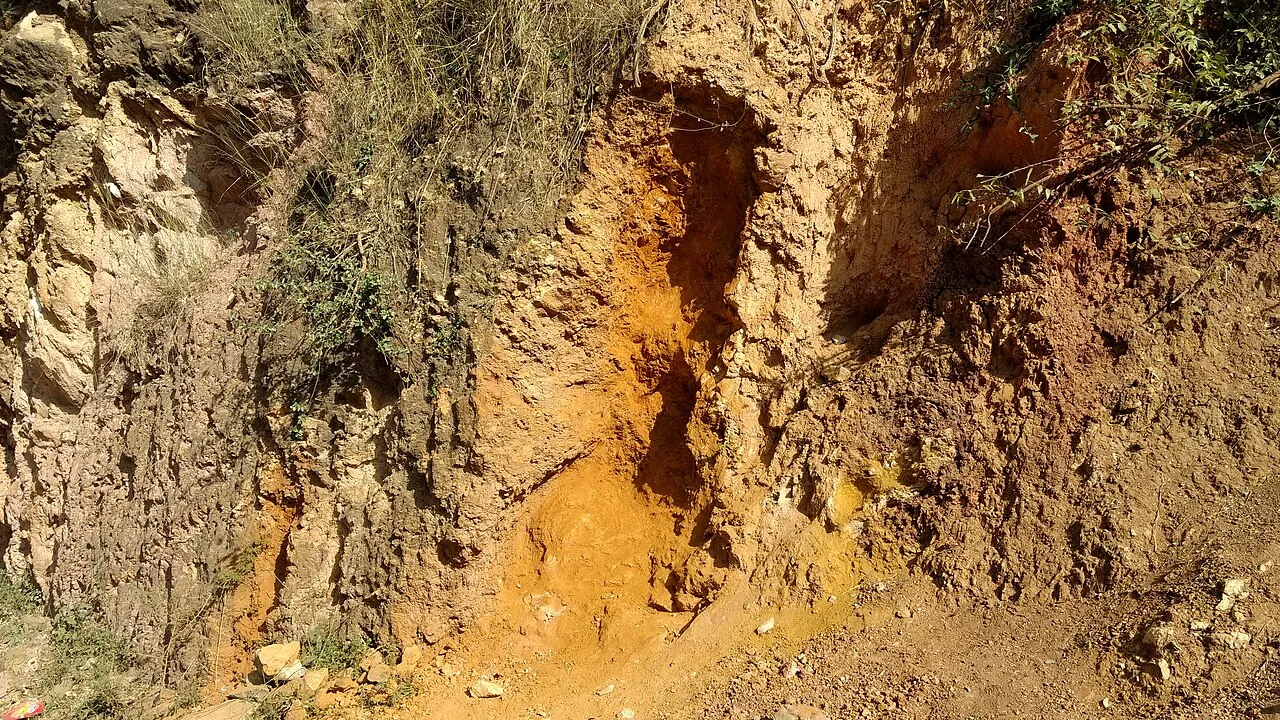
Haldighati
Haldighati is a historic route through Rajasthan’s Aravalli hills, connecting the Rajsamand and Udaipur districts. Visitors come to learn about its past and see the yellow soil associated with its name.
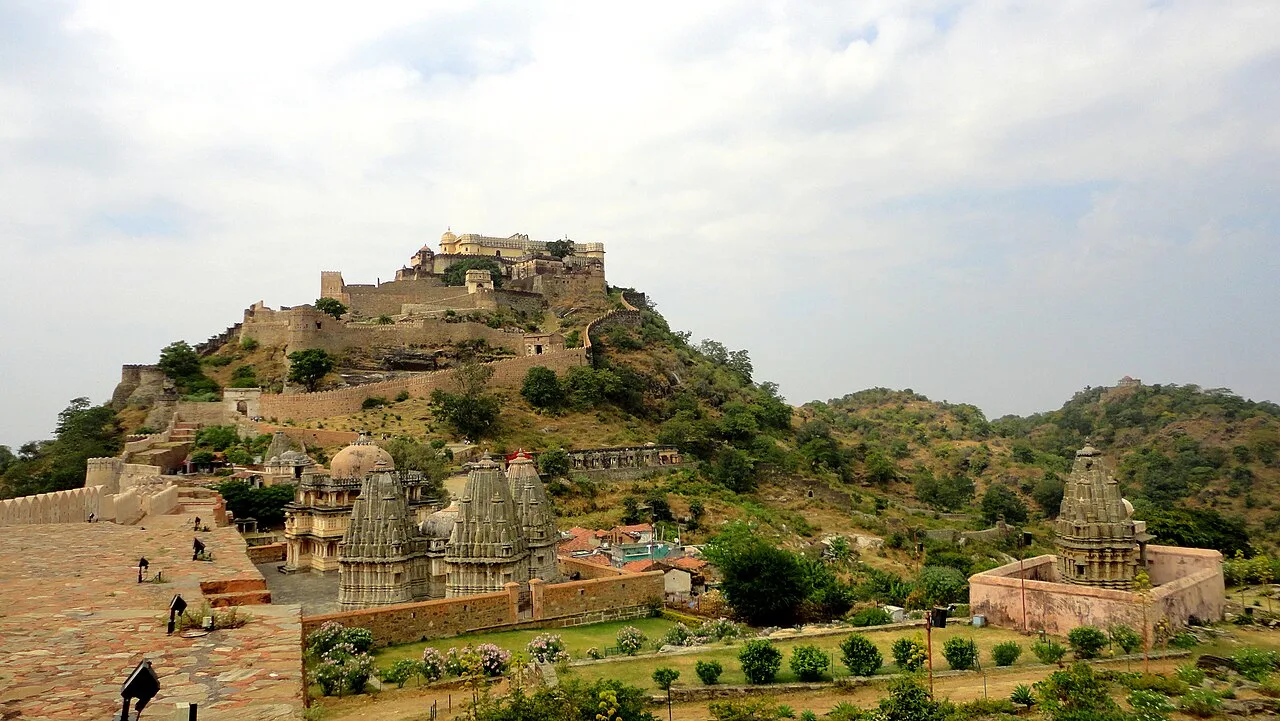
Kumbhalgarh
Kumbhalgarh, often called the Great Wall of India, is a 15th-century fortress in Rajasthan’s Aravalli Hills, visited for its fortifications, historical associations and UNESCO World Heritage status.
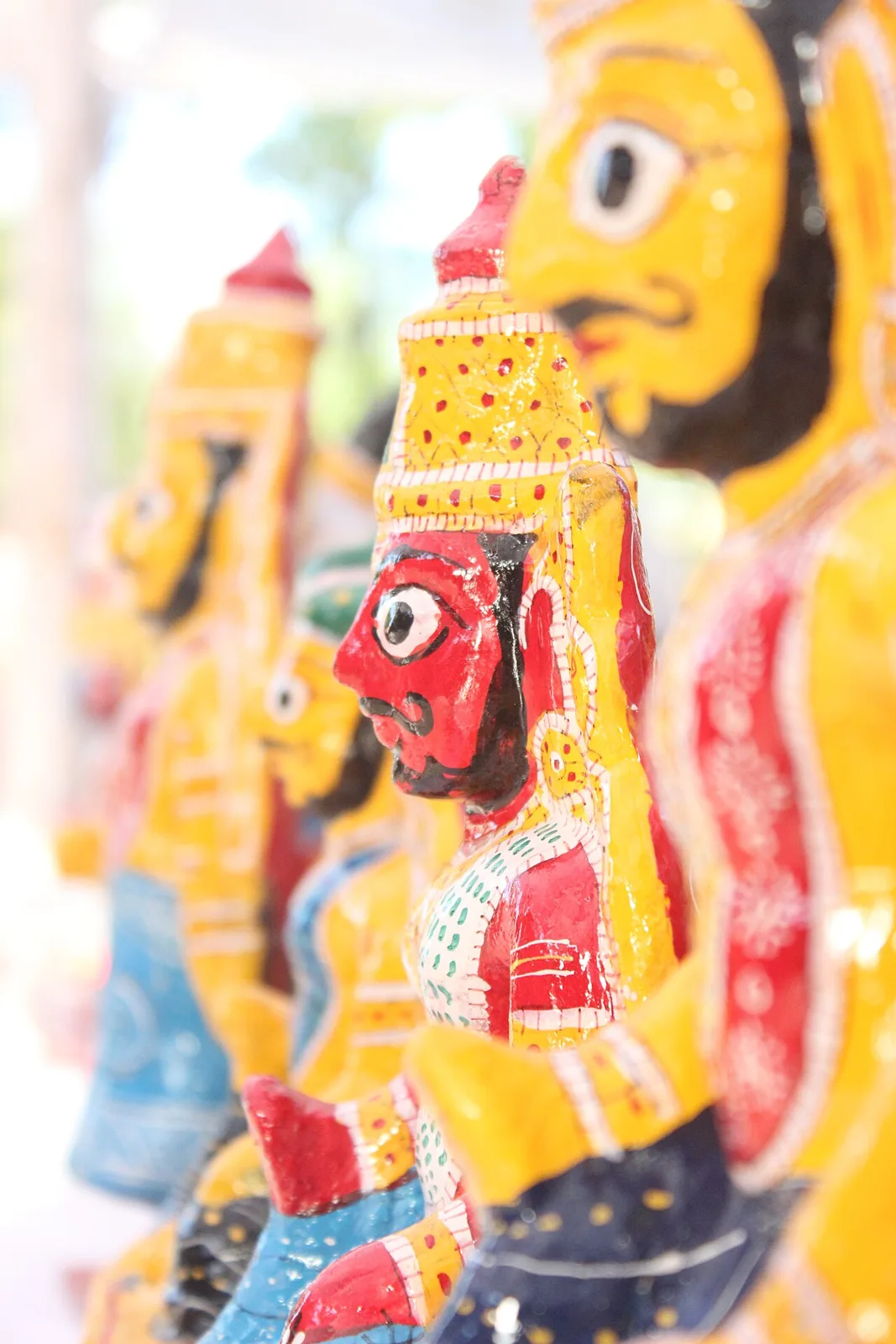
Molela Terracotta Village
Molela Terracotta Village, in Rajasthan’s Rajsamand district near Nathdwara, is known for pottery depicting folk deities. People visit to see votive terracotta plaques made for shrines in Rajasthan and Gujarat.
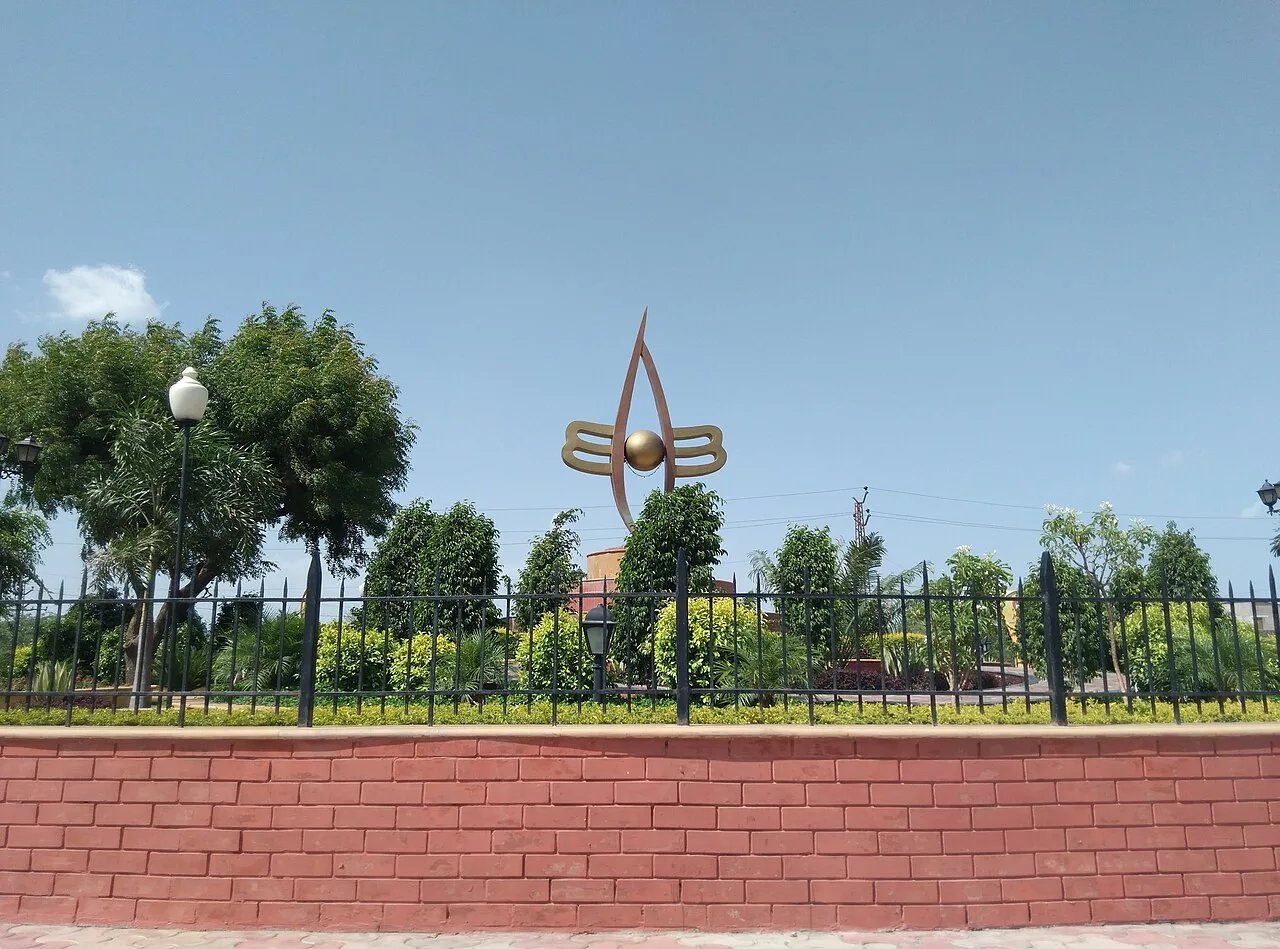
Nathdwara
Nathdwara is a city in Rajasthan known for its Shrinathji shrine and its place in the Vaishnavite Pushti Marg tradition, drawing devotees from Rajasthan, Gujarat and beyond.
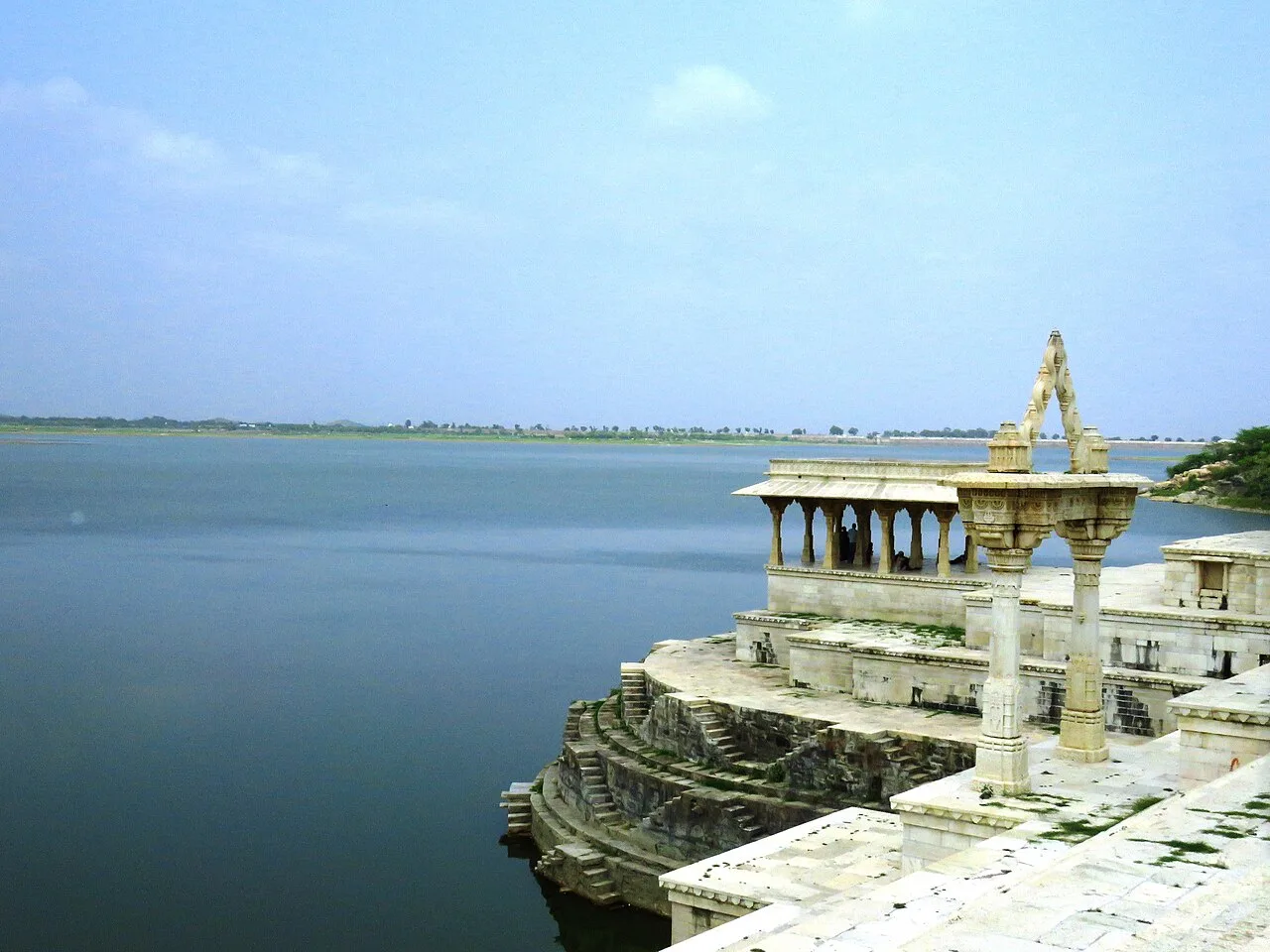
Rajsamand Lake
A large reservoir in Rajasthan’s Rajsamand district, Rajsamand Lake is also called Rajsamudra. Visitors come to see its scale and the historic work associated with Rana Raj Singh.
Food in Rajsamand draws on the wider traditions of Mewar and Rajasthan rather than a separate district cuisine. Dal baati churma, gatte ki sabzi and ker sangri are familiar regional dishes, while chaach provides a savoury accompaniment to meals. Pyaaz kachori and mirchi vada are popular snacks, and ghewar and mawa kachori belong to Rajasthan's broader sweet-making tradition. Nathdwara's pilgrimage culture makes vegetarian food especially prominent; respect restrictions around religious premises. Laal maas is a wider Rajasthani non-vegetarian speciality, though availability varies. Ask small eateries what is freshly prepared, and carry water and snacks for rural excursions.
Nathdwara is particularly associated with pichwai painting, a devotional art tradition linked to the worship of Shrinathji. These detailed cloth paintings depict Krishna, seasonal celebrations, lotus ponds and cows, and traditionally serve as temple backdrops. The town also has a broader tradition of devotional painting for pilgrims and collectors. Rajsamand's marble industry connects the district with Rajasthan's wider stone-working traditions, including carving and decorative objects. When buying paintings or stonework, ask where the piece was made, which materials were used and whether it is handmade or a reproduction.
Nathdwara’s temple calendar includes major celebrations associated with Shrinathji, including Janmashtami, Holi and Annakut, generally observed according to the Hindu calendar. These occasions can draw large numbers of pilgrims, making streets busier and rooms harder to find, so book ahead when travelling in a festival period. Kumbhalgarh has hosted a winter cultural festival featuring regional performance traditions; check whether it is being held before planning around it. Holi and Diwali are also celebrated across the region. Dates vary each year, and festival crowds can affect road journeys and access around temples.
Elsewhere in Rajasthan
The district spans the southern Aravallis, with rocky ridges, forested slopes and valleys used for farming. Kumbhalgarh sits in hill country, while Nathdwara and Rajsamand town are among the more accessible settlement areas. Rajsamand Lake is a prominent water body, and the Banas River rises in the Khamnor hills before flowing beyond the district. Forest and wildlife habitat around Kumbhalgarh form part of a wider protected landscape. Winding roads and changes in elevation make journeys slower near the hills than across the more open valleys; allow time for road travel and walking.
Summer, broadly from March into June, is hot, especially in exposed areas and around midday. The monsoon usually brings rain from around June to September, refreshing the hills but sometimes making rural roads slippery or travel slower. Winter, from roughly November to February, is generally the most comfortable season for sightseeing, with cooler mornings and evenings. October and early March can also suit travel, depending on conditions. For most visitors, the cooler months are the best time to explore forts and outdoor sites. Pack sun protection and light clothing for daytime, a warm layer for winter evenings, and rain protection during the monsoon. Carry sturdy footwear for uneven paths.
Maharana Pratap Airport near Udaipur is the main air gateway for Rajsamand district. Udaipur City railway station is a practical rail arrival point for Nathdwara, Rajsamand town and Haldighati, while Falna can be useful for approaching Kumbhalgarh. The best choice depends on your itinerary and onward road arrangements. Buses and hired taxis are options between towns, with auto-rickshaws useful for shorter urban journeys where available. Arrange return transport before visiting quieter sites, and check current services locally.
Road travel is the practical way to connect Nathdwara, Rajsamand town, Haldighati and Kumbhalgarh. Buses serve some towns and routes, but services may be limited for smaller sites; shared jeeps or local autos may be available for shorter stretches, depending on location. Hired taxis offer more flexibility, particularly for combining hill sites in one day. Roads around Kumbhalgarh are winding, so allow extra time and avoid relying on a tight onward connection. Boats are not a standard way to travel between district sights; check locally for any recreational boating at Rajsamand Lake. Arrange a return ride before visiting quieter places.
2 days: Nathdwara → Rajsamand Lake; sleep in Nathdwara on night 1. 3 days: Nathdwara → Haldighati → Kumbhalgarh; sleep in Nathdwara on night 1 and near Kumbhalgarh on night 2. 4 days: Rajsamand Lake → Nathdwara → Haldighati → Kumbhalgarh; sleep in Rajsamand town on night 1, Nathdwara on night 2 and near Kumbhalgarh on night 3.
Nathdwara is a convenient base for the Shrinathji temple and works well for a short visit that also includes Rajsamand Lake. Rajsamand town can suit travellers who want to stay near the lake or break a road journey. For Kumbhalgarh and the surrounding hills, look for accommodation near the fort, where options may include hotels, guesthouses and homestays. Dharamshalas are available in pilgrimage settings, subject to their own arrangements. Choices are more limited around quieter sites, so plan overnight stops in advance, especially during major temple festivals and winter travel periods.
Wear sturdy shoes at forts and on uneven paths, and take care on steep steps and exposed ramparts. Summer heat calls for shade, sun protection and regular drinking water; use sealed or otherwise reliably safe drinking water. Drive cautiously on winding roads, particularly after dark. Kumbhalgarh’s surrounding forest is wildlife habitat: keep a respectful distance from animals and follow local guidance. Crowds can build around Nathdwara during festivals. Mobile coverage may be patchy in hill areas. Confirm access and any permit requirements with official authorities before undertaking sanctuary activities.
- Paliabout 32 km
- Udaipurabout 48 km
- Chittorgarhabout 90 km
- Sirohiabout 114 km
- Banaskantha · Gujaratabout 118 km
- Sabarkantha · Gujaratabout 123 km
- Bhilwaraabout 143 km
- Jodhpurabout 162 km
Straight-line distance between the centres of each district's destinations; road distance is longer.
Q: How many days should I spend in Rajsamand district? A: Two days can cover Nathdwara and Rajsamand Lake; allow three or four days to include Haldighati and Kumbhalgarh at a more relaxed pace. Q: When is the best time to visit? A: The cooler months, especially November to February, are generally most comfortable for sightseeing. Festival periods can be crowded. Q: Where is the best base? A: Nathdwara is convenient for the temple and Rajsamand Lake; stay near Kumbhalgarh to explore the fort and hill area. Q: How do I get to Rajsamand district? A: Maharana Pratap Airport and Udaipur City railway station are practical gateways, followed by road travel. Falna can be useful for approaching Kumbhalgarh. Q: Is the district suitable for families or elderly travellers? A: Yes, with planning. Temple visits and road sightseeing can suit many travellers, but forts involve uneven paths and steps; choose accessible stops and allow extra time.
This page draws on our 5 destination guides for Rajsamand and is updated as our team checks it.
Be the first to share photos, stories, advice or a helpful contact for Rajsamand.
Loading…