
District · Rajasthan
Nagaur
Nagaur offers a quieter view of Rajasthan’s Marwar region, where fortified town life meets pastoral traditions and cultivated dryland fields.
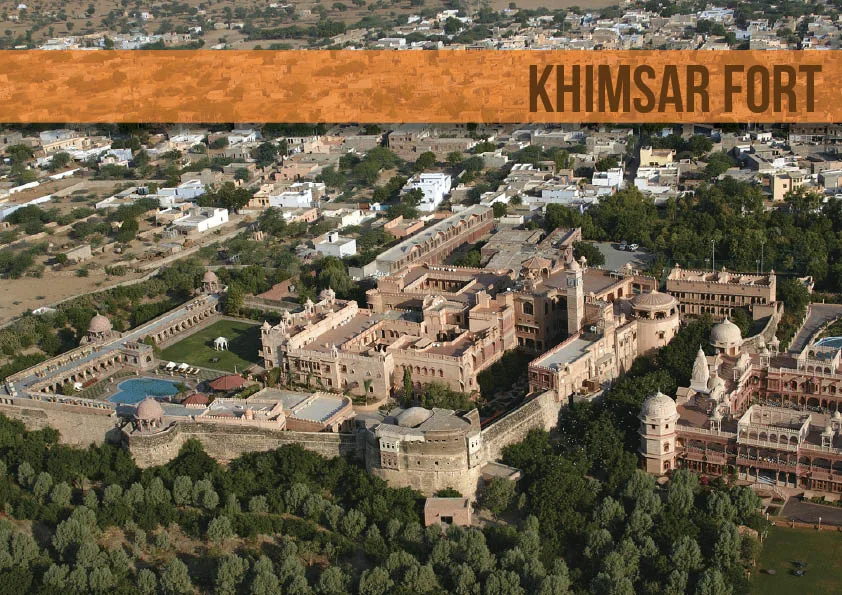
Nagaur lies in Rajasthan’s dry interior, where sandy plains, scattered scrub and cultivated fields shape a landscape closely tied to seasonal rainfall. Its towns and villages reflect the pastoral and agricultural character of the wider Marwar region, with livestock keeping an important part of rural life. Nagaur town has a long history as a fortified settlement, shaped by successive Rajput and Muslim rulers and its position along routes across western Rajasthan. Nagaur Fort is the district’s principal heritage landmark, offering a starting point for understanding this layered past. Beyond the fort, everyday markets and rural settlements reveal a quieter Rajasthan, best explored without rushing between stops.
Nagaur offers a quieter view of Rajasthan’s Marwar region, where fortified town life meets pastoral traditions and cultivated dryland fields. Nagaur Fort is the district’s principal heritage landmark and a useful way to explore the area’s layered Rajput and Muslim past. The district is also known for its cattle fair, which brings animal trading and regional cultural activity to Nagaur town. Visitors who allow time beyond the fort can get a feel for everyday markets and rural settlements, where livestock keeping remains important. Nagaur suits travellers interested in history and regional life more than those seeking a packed itinerary of major monuments.
Nagaur has long stood on routes across western Rajasthan, and its fort reflects the strategic value of a fortified settlement in the Marwar region. The town is also known historically as Ahichhatrapur. Medieval Nagaur was associated with Chauhan Rajput rulers and later came under the influence or control of successive powers, including the Delhi Sultanate and the Mughals. Rathore rulers of Marwar also played an important role in the region’s political history. These transitions left a layered cultural legacy rather than a single uninterrupted ruling tradition. During the colonial period, Nagaur formed part of the princely state of Jodhpur, which was under British paramountcy rather than directly administered as a British province. After Indian independence and the integration of princely states, the area became part of Rajasthan’s administrative system. Nagaur district developed within the state’s post-independence structure; its boundaries and administrative arrangements have been subject to later reorganisation. The fort remains the clearest landmark for understanding the town’s historical importance.
2 destination guides · 0 on the map
Food in Nagaur shares the hearty traditions of the wider Rajasthan region, where pulses, grains and ingredients suited to a dry climate feature prominently. Look for dal baati churma, gatte ki sabzi and ker sangri, alongside fresh rotis and chaach, or spiced buttermilk. Pyaaz kachori and mirchi vada are popular regional snacks, while ghewar and mawa kachori offer sweet options when available. Vegetarian meals are generally easy to find; non-vegetarian choices vary by establishment. Small eateries may prepare only a limited daily menu, so ask what is fresh. Carry drinking water and snacks when travelling beyond the main towns.
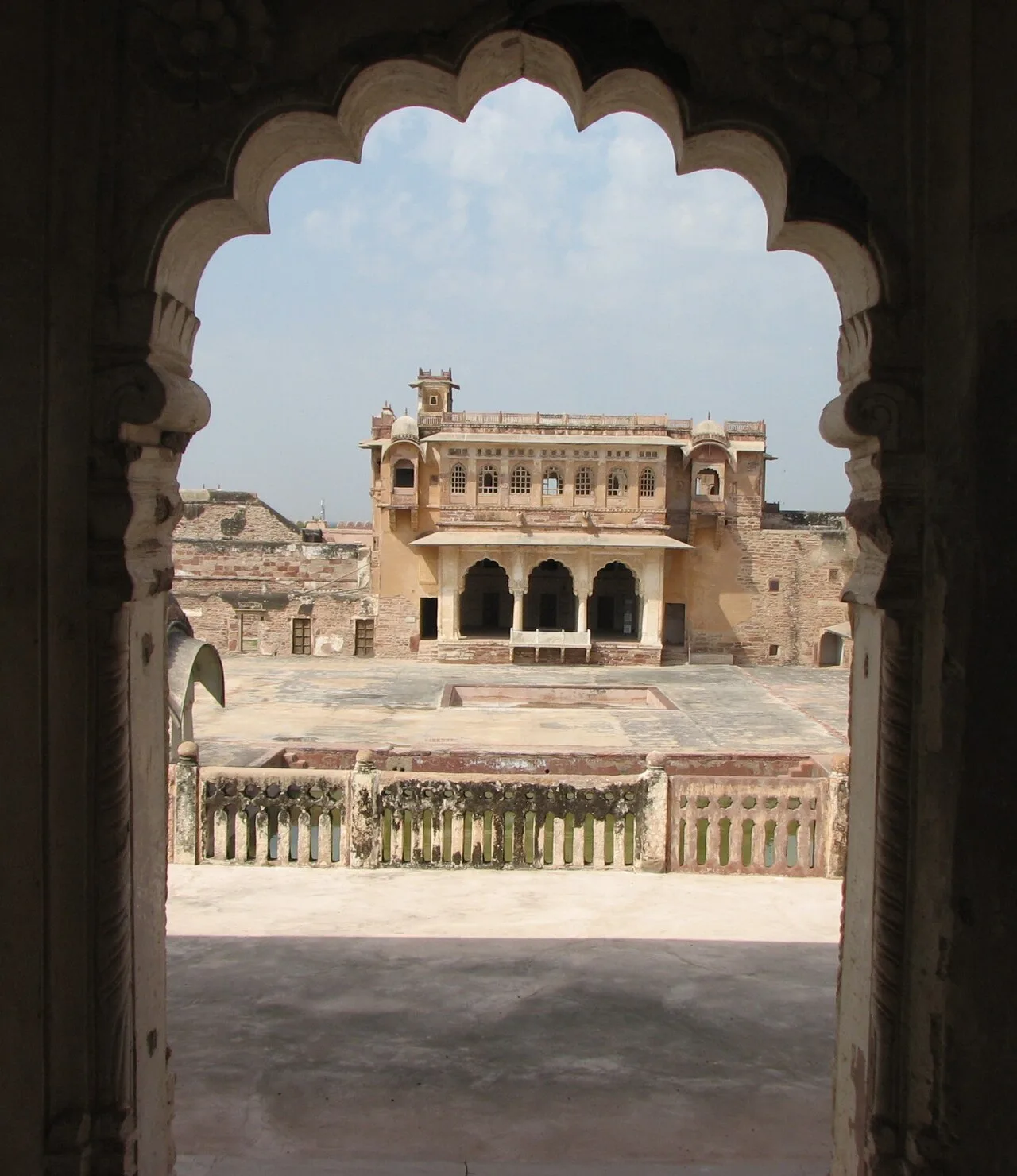
Nagaur sits within Rajasthan’s wider craft landscape rather than representing a single, exclusive craft tradition. Regional textiles include bandhani tie-dye, block-printed cotton and embroidered fabrics, while leather juttis and woven rugs are familiar products in markets across the state. Availability in Nagaur’s shops varies, and goods may come from other Rajasthan craft centres. Ask sellers where an item was made and whether it is handmade before buying. The district’s built heritage also offers an introduction to regional artistry: Nagaur Fort provides a setting for appreciating architectural detail and historic decorative work.
The Nagaur Cattle Fair, usually held in winter, is the district’s best-known fair. Livestock trading, gatherings and cultural activities bring visitors and traders to Nagaur town, so accommodation can be busier and should be arranged ahead where possible. The fair’s schedule can vary from year to year. Gangaur and Teej are also observed in the wider Rajasthan region, with local customs and celebrations varying between communities. Festival periods can bring extra activity to towns and roads, though the scale of celebrations differs across the district.
Elsewhere in Rajasthan
Nagaur lies in Rajasthan’s dry interior, with broad sandy and alluvial plains, scrub and fields shaped by seasonal rain. The landscape is generally open rather than mountainous, and rural settlements are spread across a large area. There is no coastal terrain; watercourses are largely seasonal, and water availability influences farming and settlement patterns. The dry, open country makes road travel the practical way to explore, but distances between villages and services can feel substantial. Conditions outside towns may be dusty, especially during dry or windy weather.
Nagaur has hot summers, a monsoon season that brings most of the year’s rain, and cooler winters. Summer days can make outdoor sightseeing tiring, while rain may affect rural roads and travel plans during the monsoon. The cooler months, broadly from late autumn through winter, are generally the most comfortable for visiting the fort and travelling around the district. Pack sun protection and light, breathable clothing for daytime, plus a warmer layer for winter evenings. Carry water when travelling and check local conditions before setting out on rural routes.
Nagaur town is served by Nagaur railway station, making rail a useful option for reaching the district headquarters. Jodhpur Airport is a practical air gateway, with onward travel by road; compare current connections before choosing your route. Road links connect Nagaur with Jodhpur, Bikaner, Ajmer and Jaipur, and RSRTC buses and private operators serve the wider region. Within town, auto-rickshaws and hired taxis are useful, while a car with a driver can simplify visits to rural locations. Allow flexibility for road conditions and limited transport away from larger settlements. Check current services locally.
Nagaur town is the main base for local travel. Roads connect it with other district settlements and with regional centres, while buses serve many larger towns; services and onward connections can be limited in rural areas. Autos are useful for short trips within town, and hired taxis or a car with a driver offer more flexibility for reaching places beyond it. Shared vehicles may operate on busy local routes, but availability can vary. Ask locally about current road conditions and transport options, and allow extra time for journeys outside the main towns.
2 days: Nagaur Fort; sleep night 1 in Nagaur town. 3 days: Nagaur Fort; sleep nights 1 and 2 in Nagaur town.
Nagaur town is the most practical base for visiting Nagaur Fort and attending the cattle fair. It has ordinary hotels and guesthouses, as well as dharamshalas; availability and standards vary, especially during busy periods. Homestays and government accommodation may be limited, so confirm directly before relying on them. For a short district visit, staying in Nagaur town avoids unnecessary daily transfers. Travellers exploring farther afield should check transport and lodging options in advance, since facilities are less consistent outside larger settlements.
Carry drinking water and sun protection, and avoid spending long periods outdoors during the hottest part of summer days. Rural services, mobile connectivity and transport can be less reliable than in Nagaur town, so plan ahead and let someone know your route if travelling beyond settled areas. Dust, poor visibility and changing road conditions can affect driving; use caution, particularly after rain or at night. Keep belongings secure in busy market and fair crowds. Ask locally about current conditions before travelling to remote areas. Ordinary visits to the town and fort generally do not require special permits; confirm any unusual access requirements with official sources.
Q: How many days should I spend in Nagaur district? A: Two days works for a visit centred on Nagaur Fort; allow a third day for a slower pace or local travel. Q: When is the best time to visit? A: The cooler months from late autumn through winter are generally most comfortable. Q: What is the best base for visiting? A: Nagaur town is the most practical base, with the fort and the district’s main services nearby. Q: How do I get to Nagaur? A: Nagaur has a railway station and road connections; Jodhpur Airport is a practical air gateway, followed by road travel. Q: Is Nagaur suitable for families or elderly travellers? A: Yes, particularly for a relaxed town-based visit, though summer heat, walking surfaces and limited rural transport should be considered.
This page draws on our 2 destination guides for Nagaur and is updated as our team checks it.
Be the first to share photos, stories, advice or a helpful contact for Nagaur.
Loading…