
District · Rajasthan
Sikar
Sikar offers a view of Shekhawati, a historic region of northeastern Rajasthan known for towns and havelis built by prosperous merchant families.
Sikar lies in the Shekhawati region of northeastern Rajasthan, where dry plains meet low, rocky hills and fields shaped by a semi-arid climate. Villages and towns are linked by open countryside, while seasonal rain and traditional water-storage structures have long influenced settlement and daily life. The area’s history is associated with the former princely states and estates of Shekhawati, whose merchant families helped shape its towns and built richly decorated havelis. Sikar’s character blends this architectural heritage with rural market life and active pilgrimage travel, especially to Khatu Shyam Ji Temple. Visitors will find a region of strong local traditions, historic streets and practical transport hubs rather than a single concentrated tourist centre.
Sikar offers a view of Shekhawati, a historic region of northeastern Rajasthan known for towns and havelis built by prosperous merchant families. Its place between Jaipur and the northern desert districts makes it a useful base for exploring the region’s rural settlements and market towns. The district is especially known today for Khatu Shyam Ji Temple, which draws pilgrims throughout the year and very large crowds during its annual fair. Visitors can combine pilgrimage with historic streets, local bazaars and the open, semi-arid countryside. Sikar is not a single concentrated sightseeing centre, so travel is best planned around a town base and a few chosen stops.
Sikar’s history is closely tied to Shekhawati, named for Rao Shekha, a Rajput ruler of the Kachwaha line who established his power in the region in the fifteenth century. The area later consisted of estates, or thikanas, associated with Shekhawat Rajputs and linked to the Jaipur kingdom. Sikar became one of the prominent thikanas of the former Jaipur State; its rulers and local elites shaped the town and surrounding settlements. From the eighteenth century onward, merchant communities prospered through trade, and many commissioned havelis whose painted façades and courtyards became a defining feature of Shekhawati towns. During British rule, Jaipur remained a princely state under British paramountcy, rather than being governed as a directly administered British province. After independence, Jaipur State was integrated into Rajasthan, and Sikar became part of the modern state’s district administration. The district’s built heritage reflects both Rajput patronage and merchant wealth, while its religious history is especially visible at Khatu Shyam Ji Temple.
Sikar’s food reflects the wider Shekhawati and Rajasthani traditions, with hearty dishes suited to a dry climate. Dal baati churma, bajra roti, gatte ki sabzi and ker sangri are common regional favourites; pyaaz kachori and mirchi vada make popular snacks, while chaach offers a cooling accompaniment. Sweets such as ghewar and mawa kachori are found across Rajasthan. Menus vary between towns and eateries, and small places may prepare only a limited selection each day. Ask what is fresh; vegetarian travellers generally have plenty of choice, while non-vegetarian dishes are also available in some towns.
Sikar shares the Shekhawati region’s best-known visual tradition: the painted havelis, temples and other buildings whose murals depict religious stories, historical figures and scenes of everyday life. These works are part of the area’s architectural heritage, rather than a single craft product exclusive to Sikar. Local markets may also offer Rajasthani textiles, decorative items and jewellery, though the range varies by town and shop. When buying crafts, ask about the maker and materials; this helps distinguish locally made work from goods brought in from elsewhere.
Khatu Shyam Ji Temple’s annual Phalgun fair, usually held around February or March, is the district’s largest pilgrimage gathering. It brings heavy visitor traffic to Khatu and nearby routes, and accommodation can become scarce; reserve ahead or check locally. Holi, Diwali, Teej and Gangaur are also observed in Sikar and across the Shekhawati region, with celebrations varying between towns and villages. Festival periods can mean busier markets and local transport, while everyday services may be more crowded around major temples. Confirm local arrangements before setting out during a large fair.
Elsewhere in Rajasthan
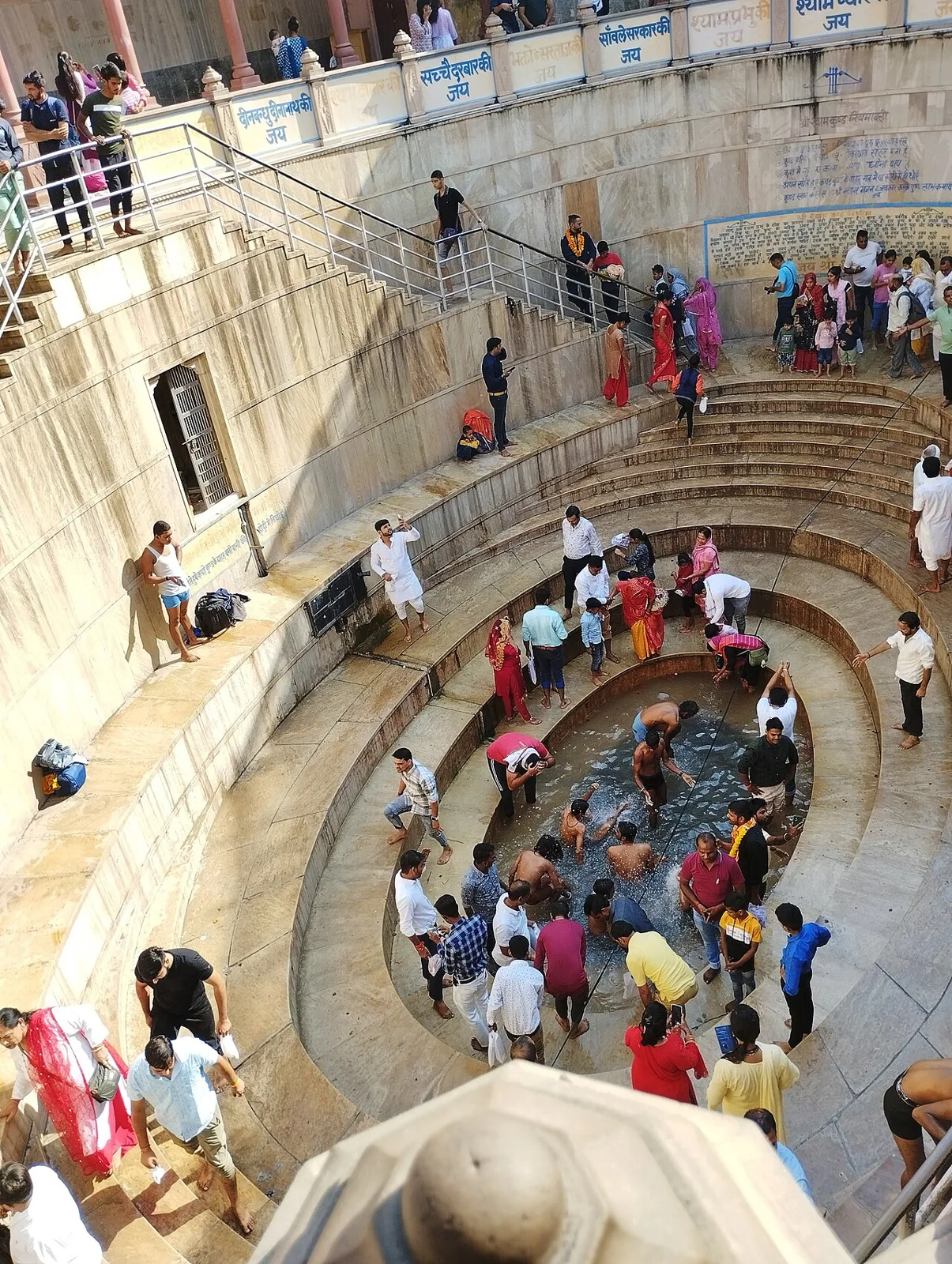
Sikar lies in the semi-arid Shekhawati region, with open plains, cultivated fields and scattered low, rocky ridges on the Aravalli margins. There are no major perennial rivers serving as prominent travel routes; seasonal drainage and local water-storage structures reflect the importance of managing limited rain. Settlements and pilgrimage sites are spread across the countryside, so journeys commonly involve road travel between towns rather than walks between attractions. The terrain is generally accessible, though rural roads can be uneven and conditions may change after monsoon rain.
Sikar has hot, dry summers, a monsoon season with variable rainfall, and cooler winters. Summer travel can be tiring, especially around midday, while rain may temporarily affect rural roads and visibility. The cooler months, broadly from October to March, are generally the most comfortable for sightseeing and pilgrimage, although nights can feel cold in winter. Pack light, breathable clothing, sun protection and a refillable water bottle; add a warm layer for winter evenings. During the monsoon, carry rain protection and allow flexibility for road journeys. Check seasonal conditions before travelling, particularly if visiting during the Phalgun fair.
Sikar Junction is the district’s main railway station, while Jaipur International Airport is the nearest major airport for most visitors. Road journeys from Jaipur and other Rajasthan towns connect Sikar with the district’s settlements and pilgrimage sites. Buses serve principal towns, and taxis or private cars can make it easier to visit places beyond the main routes. For the final leg to Khatu Shyam Ji Temple, travellers can arrange local transport from nearby towns; services and availability may vary, particularly during busy pilgrimage periods. Check current services locally before travelling.
Roads link Sikar town with Khatu and other district settlements, and buses serve principal towns, though coverage and frequency can vary. Local buses, shared jeeps and autos may be useful for shorter legs, but services can be limited outside busy routes. Taxis or a private car offer more flexibility for visiting rural locations and returning to a town base. Khatu Shyam Ji Temple can be reached by road from nearby towns; during the major fair, expect crowded approaches and possible changes to local traffic arrangements. Confirm onward transport locally, especially for the final leg to smaller settlements.
2 days: Khatu Shyam Temple; sleep in Khatu, then return to Sikar or continue onward. 3 days: Khatu Shyam Temple; sleep in Khatu, then use Sikar as a base for a relaxed additional day before departure.
Sikar town is a practical base for visitors relying on transport links and wanting access to district services. Khatu is the most convenient base for a temple-focused visit, especially when arriving outside the busiest fair period. Accommodation commonly includes hotels and guesthouses; dharamshalas may be available near pilgrimage centres, subject to local arrangements and capacity. Options in smaller settlements can be limited, so confirm availability before travelling. During the Phalgun fair, book well in advance or consider staying in a nearby town and arranging onward transport.
Carry drinking water and sun protection, and avoid strenuous outdoor travel during the hottest part of the day. Use reputable drinking-water sources and take ordinary food and hygiene precautions. Rural roads may be narrow, uneven or affected by monsoon rain; allow extra time and take care after dark. Connectivity can be less reliable outside towns, so plan onward transport before leaving a main route. Expect dense crowds and follow local instructions at Khatu Shyam Ji Temple during the fair. No special visitor permit is generally required for the places described; confirm officially if your itinerary includes any separately regulated site.
- Jaipurabout 64 km
- Jhunjhunuabout 68 km
- Alwarabout 102 km
- Mahendragarh · Haryanaabout 102 km
- Churuabout 107 km
- Ajmerabout 126 km
- Dausaabout 135 km
- Rewari · Haryanaabout 151 km
Straight-line distance between the centres of each district's destinations; road distance is longer.
Q: How many days should I spend in Sikar? A: Two days can suit a focused visit to Khatu Shyam Ji Temple and Sikar town; allow three days for a slower pace or more flexible travel. Q: When is the best time to visit? A: October to March is generally more comfortable. The Phalgun fair is a major draw but brings heavy crowds and high demand for rooms. Q: What is the best base for a visit? A: Stay in Khatu for a temple-focused trip or in Sikar town for transport links and district services. Q: How do I get to Sikar and Khatu? A: Sikar Junction is the district’s main railway station. Jaipur International Airport is the nearest major airport for most visitors; continue by road, and arrange local transport for Khatu. Q: Is Sikar suitable for families and elderly travellers? A: Yes, with planning. Choose a convenient base, allow rest time and take extra care with heat, uneven roads and crowded temple approaches during the fair.
This page draws on our 1 destination guides for Sikar and is updated as our team checks it.
Be the first to share photos, stories, advice or a helpful contact for Sikar.
Loading…