
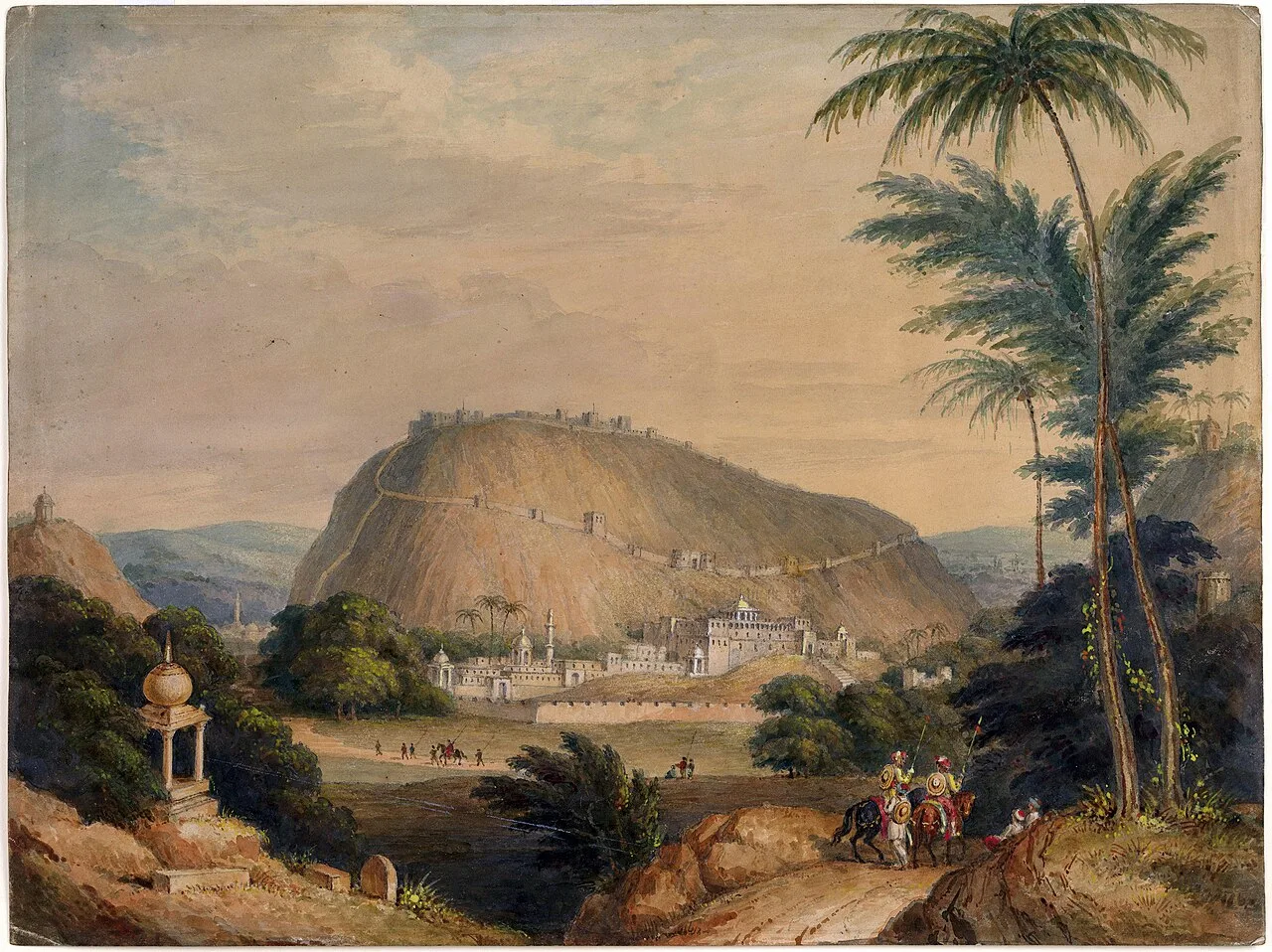
District · Rajasthan
Bundi
Bundi lies in the Hadoti region of southeastern Rajasthan, a part of the state known for its rocky uplands, water bodies and cultivated land rather than desert scenery.
Bundi district lies in Rajasthan’s Hadoti region, where rocky hills, lakes and cultivated plains shape a landscape distinct from the state’s desert imagery. Its principal town, Bundi, developed under the Hada Chauhan Rajputs and retains a strong architectural and artistic identity. Taragarh Fort rises above the town, while Raniji ki Baori, the Queen’s stepwell, illustrates the importance of water storage and the architectural care devoted to it. Palaces, old lanes and historic water structures give Bundi much of its character. Beyond the town, the district is largely rural, making Bundi a useful base for travellers interested in the relationship between royal heritage, everyday settlement and Rajasthan’s seasonal landscape.
Bundi lies in the Hadoti region of southeastern Rajasthan, a part of the state known for its rocky uplands, water bodies and cultivated land rather than desert scenery. The district is best known for Bundi town’s Hada Rajput heritage, including Taragarh Fort, palace architecture and the finely built Raniji ki Baori. Its historic lanes and water structures offer a compact introduction to the region’s artistic and architectural traditions. Beyond town, rural settlements and a seasonal landscape give travellers a chance to see how heritage sites sit within a working countryside.
Bundi’s history is closely associated with the Hada Chauhan Rajputs, who established a kingdom in this part of Hadoti during the medieval period. Bundi town became its political centre, and its rulers developed the fort, palace and waterworks that remain prominent landmarks. Mughal influence shaped the kingdom’s political relationships, while Kota emerged as a separate Hada state in the seventeenth century. Bundi later faced the wider political changes affecting Rajput states, including Maratha influence and, from the early nineteenth century, British paramountcy. The Bundi ruler entered into a treaty relationship with the British in 1818. After Indian independence, the former princely state joined the process of Rajasthan’s political integration in 1948. Bundi subsequently became a district of Rajasthan; its present role is administrative as well as historical, encompassing Bundi town and surrounding rural areas.
3 destination guides
Bundi
Bundi is a city in Rajasthan’s Hadoti region, within Bundi district. Visitors come to explore the city and its setting in north-western India.
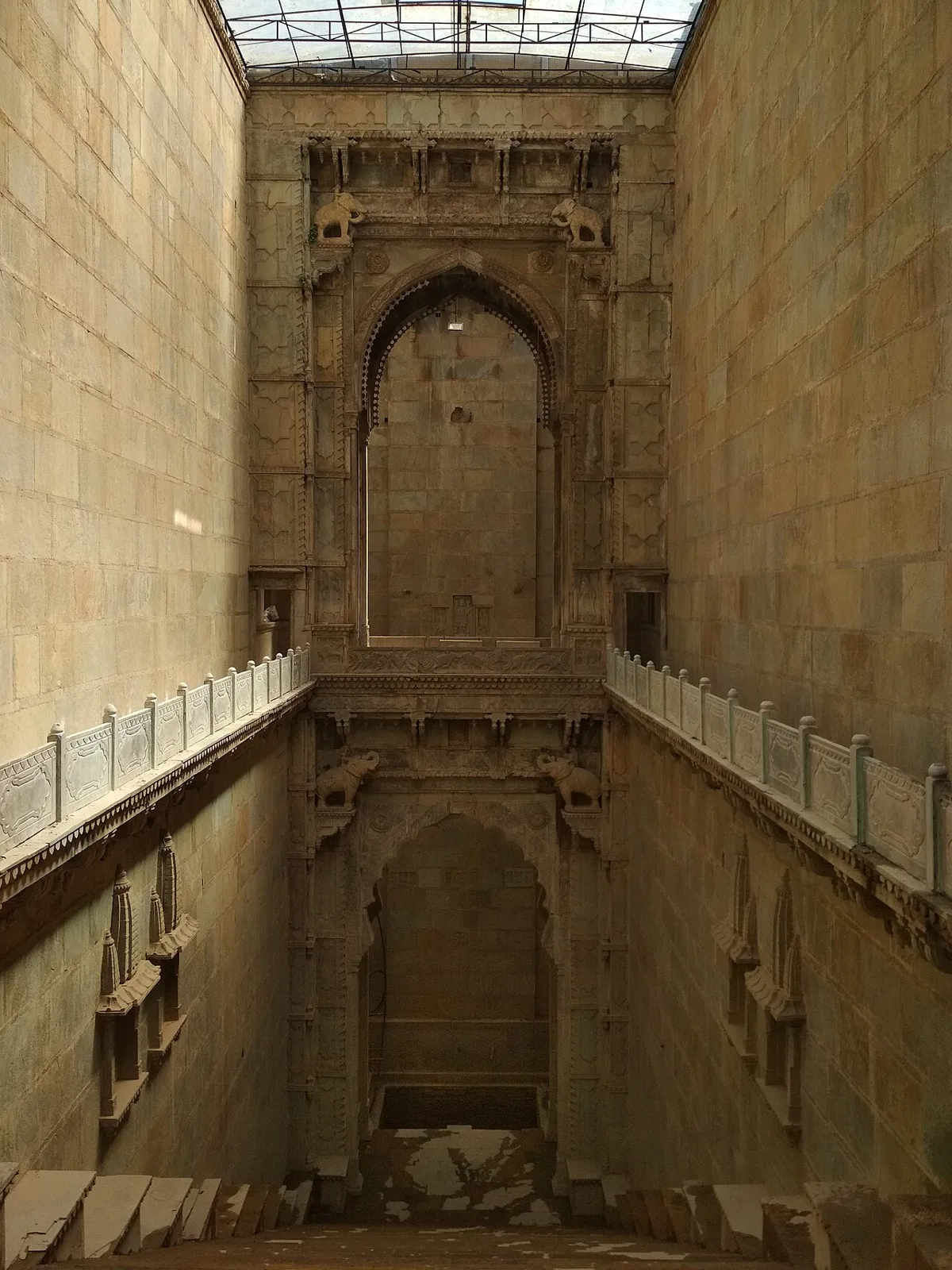
Raniji ki Baori
Raniji ki Baori is a multi-level stepwell in Bundi, Rajasthan, built by Rani Nathavati Solanki in 1699. Visitors come to see its deep stairwell, carved pillars and ornate arches.
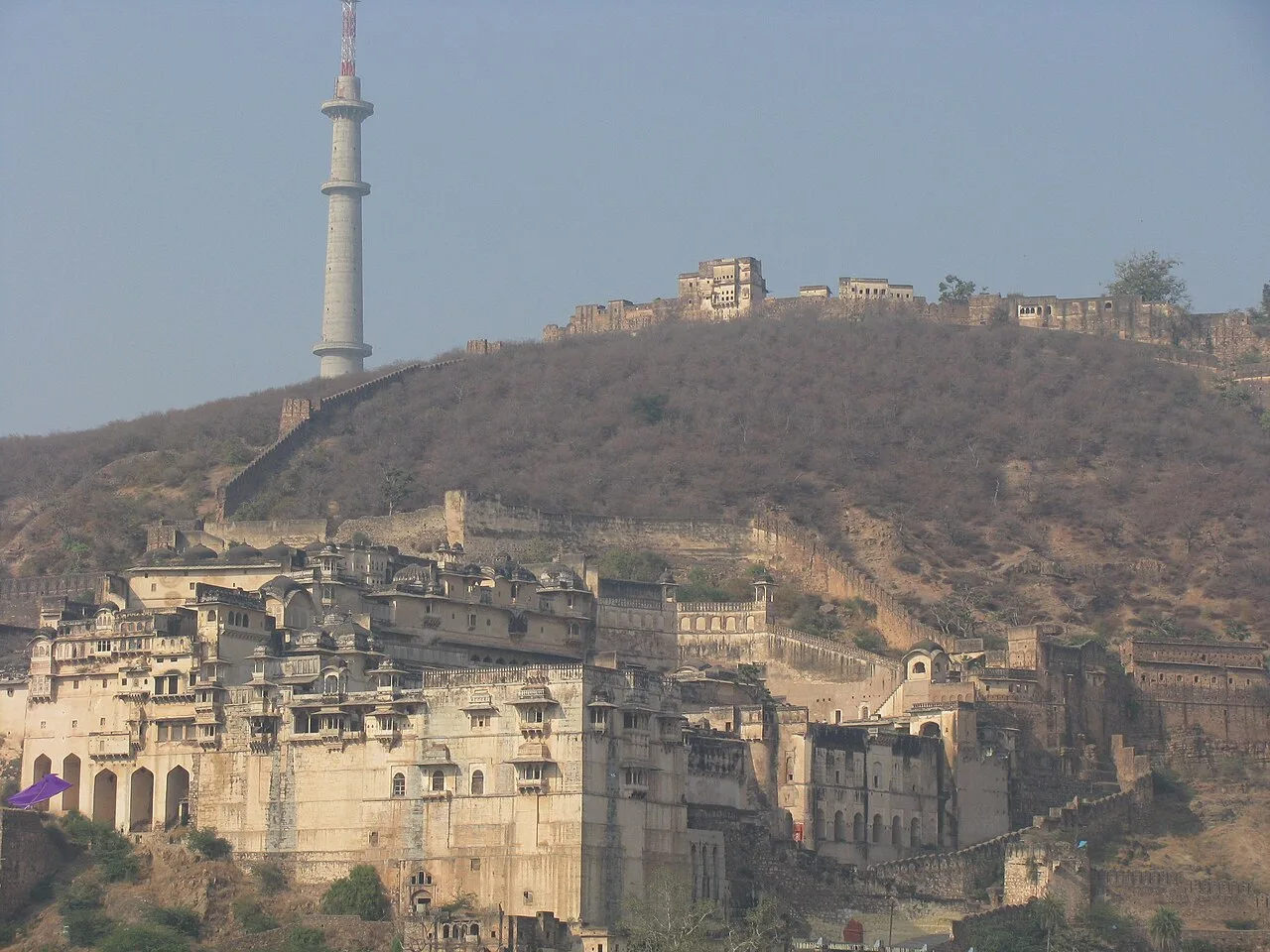
Taragarh Fort, Bundi
Taragarh Fort is a hilltop stronghold in Bundi, Rajasthan. Visitors come to see its Rajput architecture, elements influenced by Mughal design and passages made for wartime escape.
Food in Bundi draws on the wider traditions of Hadoti and Rajasthan rather than a sharply separate district cuisine. Dal baati churma is a familiar regional meal, while gatte ki sabzi and ker sangri reflect Rajasthan’s resourceful use of ingredients. Pyaaz kachori and mirchi vada are popular savoury snacks; ghewar and mawa kachori belong to the state’s broader sweet repertoire. Chaach, or spiced buttermilk, is a common accompaniment. Vegetarian travellers generally have plenty of choice, and some eateries serve meat dishes such as laal maas. Ask what has been freshly prepared, and carry water and snacks when travelling beyond town.
Bundi is especially associated with the Bundi school of miniature painting, a Rajput court tradition known for richly coloured landscapes, lush vegetation, monsoon imagery and scenes of courtly life. Historic palace paintings provide an important setting for understanding this artistic heritage. Elsewhere in the wider Hadoti region, Kota Doria weaving is associated particularly with Kota and nearby weaving centres, rather than Bundi itself; its lightweight, checked fabric is used for saris and other textiles. When shopping, ask where an item was made and whether a painting is hand-painted, a reproduction or a print.
Bundi Utsav, generally held in the cooler season around October or November, showcases regional music, dance, crafts and local traditions. It can bring more visitors to Bundi town, so rooms may be in greater demand during the event. Teej is observed during the monsoon season, while Gangaur, Holi and Diwali are celebrated in Bundi and the wider Hadoti region. Festival customs and public events vary by locality and year. Travellers hoping to attend a particular celebration should check current local announcements and arrange accommodation ahead where possible.
Elsewhere in Rajasthan
Bundi district forms part of the Hadoti plateau and has a varied terrain of rocky hills, valleys, cultivated plains and scattered wooded areas. Bundi town’s historic core lies among low hills, with lakes, tanks and stepwells reflecting the importance of storing water. The district is within the Chambal river basin, with rivers and seasonal streams contributing to the rural landscape. Monsoon changes can make the countryside greener but may also affect smaller roads. Town sights are relatively concentrated; journeys beyond Bundi are best planned by road, allowing time for rural conditions and changing weather.
Bundi has hot summers, a monsoon season and comparatively mild, pleasant winters. Summer days can be very hot, making exposed fort approaches and outdoor sightseeing tiring. Monsoon brings rain and greener scenery, but showers can disrupt road journeys and make uneven paths slippery. The cooler months, broadly from October to March, are usually the most comfortable for visiting heritage sites and travelling around the district. Pack light clothing and sun protection in warm weather, and bring a rain layer during the monsoon. In winter, carry an extra layer for cooler mornings and evenings; sturdy footwear is useful year-round.
Bundi railway station serves the town, while Kota Junction is a useful nearby rail gateway with wider connections. Kishangarh Airport near Ajmer is the nearest operating airport listed in the destination guides; Jaipur is another option with broader flight connectivity. Compare onward road journeys before choosing an airport. Bundi has road links with Kota, Jaipur and other Rajasthan centres, with buses and hired cars useful for reaching the district. Within town, auto-rickshaws and walking suit many journeys; arrange a vehicle for rural excursions. Fort approaches can involve uphill walking. Check current services locally.
Bundi town’s principal sights can often be reached on foot or by auto-rickshaw, though the climb to Taragarh Fort is steep in places. Local buses connect Bundi with Kota and other regional centres, but services to smaller settlements may be less frequent. Shared jeeps or other local transport may be available on some routes; confirm arrangements locally. Taxis and hired cars are useful for rural excursions and for travelling between scattered sights. Road surfaces and conditions vary outside town, especially during and after monsoon rain, so allow flexibility and check the return arrangements before setting out.
Bundi town is the most practical base for visiting the fort, stepwell and historic centre, with accommodation ranging from small hotels and guesthouses to homestays. It also suits travellers making short excursions into the surrounding countryside, though a vehicle may be needed. Kota is a useful alternative base for travellers prioritising wider rail and road connections, but it is outside the district and adds travel time to Bundi’s sights. Government accommodation or dharamshalas may be available in the wider region; check current access and facilities before relying on them.
Wear sturdy shoes on the fort approach and around uneven steps, old lanes and stepwells; avoid climbing barriers or entering closed areas. Heat can be tiring, so carry drinking water, use sun protection and take breaks. During monsoon, watch for slippery surfaces and changing road conditions. Use safe drinking water and take ordinary precautions around food. Rural mobile connectivity may be inconsistent, so share plans and confirm return transport before leaving town. Keep an eye on belongings in busy festival areas. Check locally for any site-specific restrictions before travelling; no general district permit advice is assumed here.
- Kotaabout 56 km
- Bhilwaraabout 61 km
- Sawai Madhopurabout 106 km
- Jhalawarabout 106 km
- Chittorgarhabout 117 km
- Ajmerabout 154 km
Straight-line distance between the centres of each district's destinations; road distance is longer.
Q: How many days should I spend in Bundi district? A: Two days suit the main sights in Bundi town; allow three days for a slower visit or a countryside excursion. Q: When is the best time to visit? A: October to March is generally more comfortable for sightseeing than the hot summer months. Q: Where is the best base? A: Bundi town is the most convenient base for the district’s main heritage sights. Q: How do I get to Bundi? A: Bundi has a railway station and road links; Kota is a useful nearby rail gateway, while Jaipur and Kishangarh are airport options to compare for onward travel. Q: Is Bundi suitable for families or elderly travellers? A: Yes, with planning. The town sights include uneven paths and steep steps, so choose visits and transport according to each traveller’s mobility.
This page draws on our 3 destination guides for Bundi and is updated as our team checks it.
Be the first to share photos, stories, advice or a helpful contact for Bundi.
Loading…