
District · Rajasthan
Hanumangarh
Hanumangarh offers a view of Rajasthan beyond the state’s familiar desert-tourism routes: its northern plains are shaped by the Ghaggar River, irrigation canals and farming settlements.
Hanumangarh lies in Rajasthan’s north, in a landscape of dry plains shaped by the Ghaggar River and, in many areas, by canal irrigation. Fields and settlements sit alongside stretches of open, semi-arid country, giving the district a mix of agricultural and desert-edge character. Its history reaches back to the Indus civilisation: Kalibangan, on the Ghaggar’s bank, is an important archaeological site with remains of an ancient planned settlement. The district’s later story is also visible at Bhatner Fort, in present-day Hanumangarh town, which stood on an old route linking Delhi and Multan. Today, farming towns and historic sites give the district a character distinct from Rajasthan’s better-known desert-tourism circuit.
Hanumangarh offers a view of Rajasthan beyond the state’s familiar desert-tourism routes: its northern plains are shaped by the Ghaggar River, irrigation canals and farming settlements. The district is best known for Kalibangan, an important Indus civilisation archaeological site, and Bhatner Fort in Hanumangarh town, associated with an old route between Delhi and Multan. Together, they make the district a worthwhile stop for travellers interested in archaeology, regional history and the way farming has shaped life in a semi-arid landscape. Hanumangarh also works as a base for exploring this less-visited part of northern Rajasthan.
Kalibangan preserves evidence of an early settlement and a later Harappan city, part of the Indus civilisation. The archaeological site was excavated by the Archaeological Survey of India in the twentieth century. Its position beside the Ghaggar River helps explain the importance of river corridors to ancient settlement, though the river’s relationship to names in ancient texts remains debated. Bhatner Fort, in present-day Hanumangarh town, stood on an old route connecting Delhi and Multan. Accounts of the fort’s origins and early rulers vary; local tradition links it to the Bhati Rajputs. It changed hands over the centuries and is associated with the campaigns of Timur in the late fourteenth century. In the early nineteenth century, Maharaja Surat Singh of Bikaner took the fort and renamed the town Hanumangarh, a name linked to the Hindu deity Hanuman. The area later formed part of Bikaner State under British paramountcy. After Independence it became part of Rajasthan, and Hanumangarh district was created in 1994 from Sri Ganganagar district.
2 destination guides
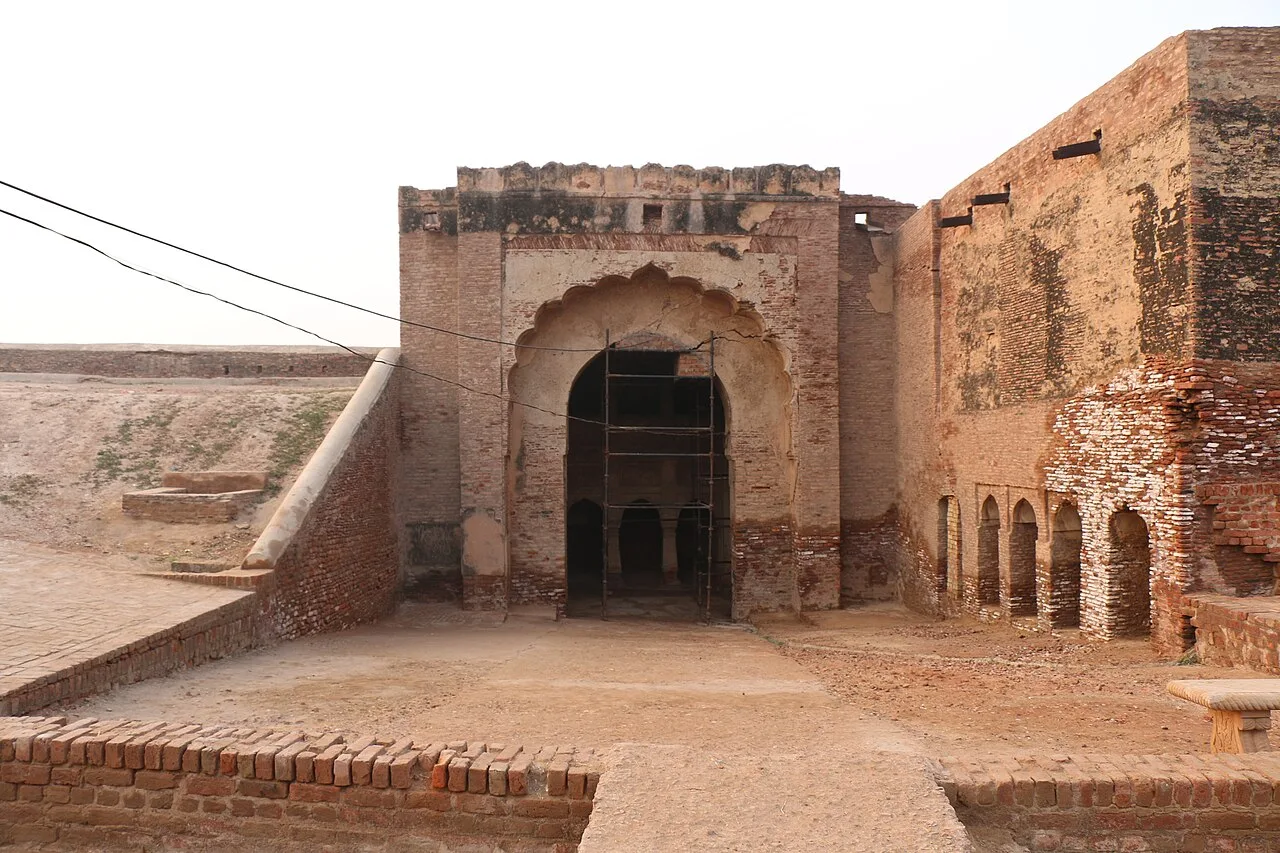
Bhatner fort
Bhatner Fort is an ancient stronghold in Hanumangarh district, Rajasthan. Visitors are drawn by its association with the Bhati lineage, its believed age and its protected status.
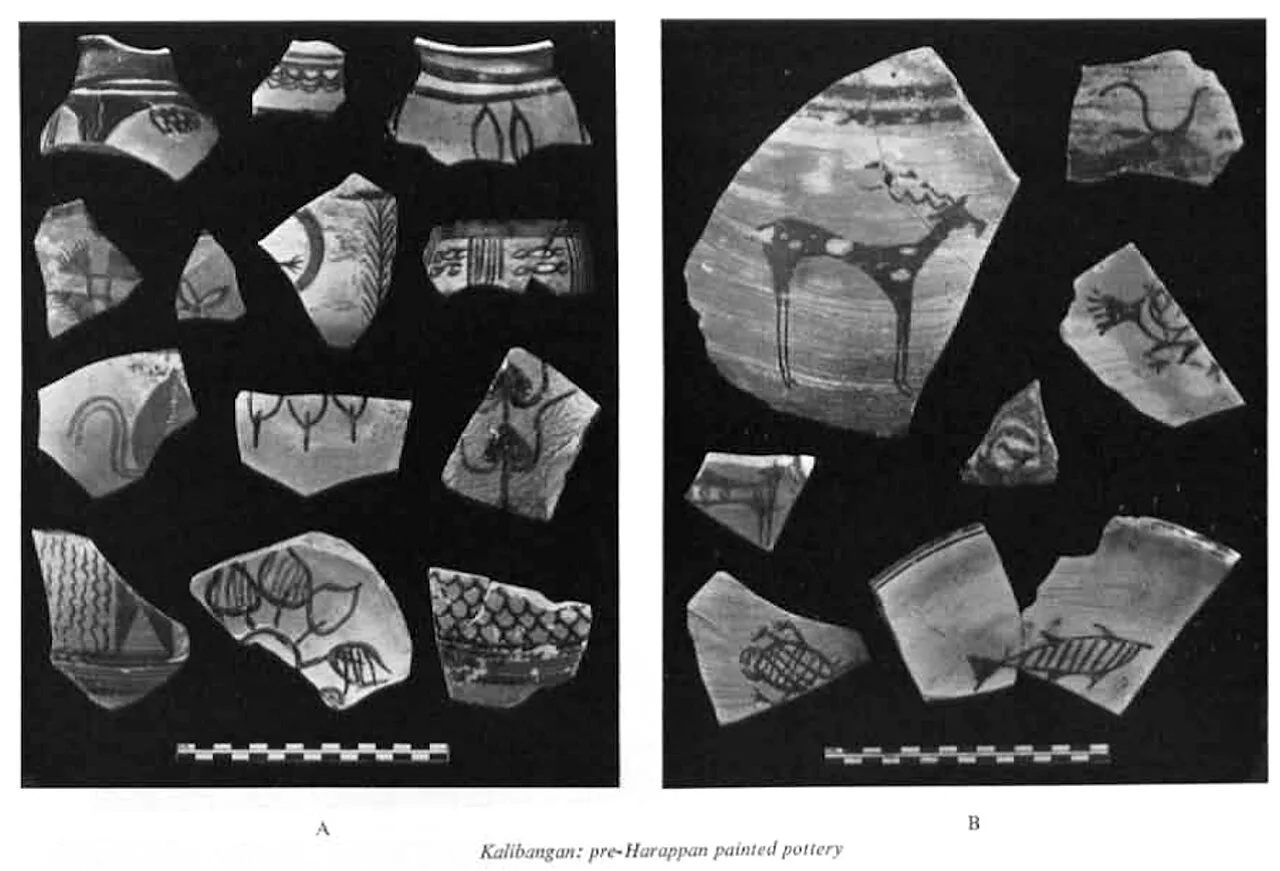
Kalibangan
Kalibangan is an archaeological town in Hanumangarh district, Rajasthan, beside the Ghaggar. Visitors come to explore its Indus Valley Civilization remains, including fire altars and evidence of an ancient ploughed field.
Food here draws on the wider cuisines of northern Rajasthan, with local preferences also shaped by the region’s agricultural life and links to neighbouring Punjab. Rajasthani favourites include dal baati churma, gatte ki sabzi and ker sangri; chaach is a familiar cooling drink. In towns, visitors may also find pyaaz kachori, mirchi vada and sweets such as ghewar or mawa kachori. Laal maas is a regional non-vegetarian option, though menus vary. Small eateries may prepare only a limited selection each day, so ask what is fresh. Around remote sites, restaurants can be scarce; carry water and snacks.
Hanumangarh is not widely identified with one signature craft, so visitors should treat craft traditions as part of the broader north Rajasthan and neighbouring Punjab region rather than as district-specific specialities. Rural households in the wider region have practised practical crafts such as pottery, weaving and embroidery, while Rajasthan is also known more generally for printed textiles, leatherwork and decorative arts. Availability varies between towns and markets, and these broader traditions should not be taken as proof that a particular item was made locally. Ask sellers about an item’s materials and place of production when seeking locally made work.
Gogamedi, in the district, hosts a major fair in honour of Gogaji, drawing pilgrims from Rajasthan and neighbouring states during the monsoon-season period, usually around August and September. The gathering can make nearby accommodation and transport busier, so booking ahead is sensible. Gangaur, Teej, Holi and Diwali are also observed in the district, with celebrations shaped by local and wider Rajasthani customs. These festivals may bring more activity to towns, but the strongest crowd and room demand is generally associated with the Gogamedi fair.
Elsewhere in Rajasthan
The district is largely level, semi-arid plain, with agricultural fields, settlements and open stretches of dry country. The Ghaggar runs through the region, while canals support farming in areas where rainfall alone is insufficient. There are no major hill ranges or coastline, and natural tree cover is generally limited. The flat terrain makes road travel straightforward in many places, but distances between settlements and archaeological sites can feel exposed, especially in hot weather. Beyond town centres, services and shade may be sparse, so plan supplies and transport before setting out.
Hanumangarh has hot, dry summers, a monsoon season that brings some rain and humidity, and cool to cold winters. Conditions can vary, and travel on open roads or at exposed archaeological sites is most comfortable outside the hottest part of the year. October to March is generally the most pleasant period for sightseeing; winter mornings and evenings can be chilly. Summer visitors should carry sun protection, a hat and plenty of drinking water. In winter, pack warm layers, while a light rain layer can be useful during the monsoon. Check local forecasts before travel, as rain can affect road conditions.
Hanumangarh Junction is the district’s principal railway station and a useful arrival point for Hanumangarh town and Bhatner Fort. Kalibangan is reached by road from the town and nearby settlements. Bikaner (Nal) Airport is the nearest operating airport identified for the district; onward travel requires a road connection. Buses and trains link Hanumangarh with towns in Rajasthan and neighbouring states, while private taxis or hired cars are practical for visiting sites beyond town centres. Auto-rickshaws can help with shorter trips within town, but transport may be limited at remote archaeological locations. Check current services locally before setting out.
Hanumangarh town is the main local transport hub, with road connections to nearby towns including Pilibanga and Suratgarh. Local buses serve routes between settlements, but services may be less convenient for reaching archaeological sites or travelling onward after arrival. Auto-rickshaws are useful for shorter trips in town. For Kalibangan and other stops beyond town centres, a hired car or taxi offers more flexibility; arrange the return journey in advance where possible. Shared vehicles may operate on some routes, but availability can vary. There are no routine boat services for sightseeing on the Ghaggar.
2 days: Bhatner fort → Kalibangan; sleep in Hanumangarh town on night 1. 3 days: Kalibangan → Bhatner fort; sleep in Hanumangarh town on nights 1 and 2.
Hanumangarh town is the most practical base for visiting Bhatner Fort and making a road trip to Kalibangan; it has the district’s broadest choice of hotels and guesthouses. For a slower visit, stay in town for both nights rather than relying on accommodation close to the archaeological site. Pilibanga or other nearby settlements may have simpler options, but choice and availability can be limited. Dharamshalas and government accommodation may be available in the wider region; confirm access and availability directly before planning around them.
The open, semi-arid terrain offers little shade, so carry water, sun protection and any personal medicines, especially when visiting Kalibangan. Avoid driving when tired, allow for changing road conditions after rain and check local advice before travelling on minor roads. Mobile connectivity and access to services may be less reliable away from towns. Keep valuables secure in crowded places, particularly during fairs, and use reputable transport. Take care around irrigation channels and the Ghaggar’s banks; do not assume water is safe to drink or enter. No special travel permit is ordinarily required for these destinations, but confirm access rules with official local or archaeological authorities before visiting.
- Sirsa · Haryanaabout 76 km
- Bathinda · Punjababout 103 km
- Sri Muktsar Sahib · Punjababout 109 km
- Hisar · Haryanaabout 148 km
Straight-line distance between the centres of each district's destinations; road distance is longer.
Q: How many days should I spend in Hanumangarh? A: Two days can cover Bhatner Fort and Kalibangan at a measured pace. Allow three days if you prefer a slower schedule or need more flexibility for road travel. Q: When is the best time to visit? A: October to March is generally the most comfortable season for sightseeing. Summers are very hot, while monsoon weather can affect travel conditions. Q: What is the best base for visiting the district’s sights? A: Hanumangarh town is the most practical base, with access to Bhatner Fort and road connections towards Kalibangan. Q: How do I get to Hanumangarh? A: Hanumangarh Junction is the main rail arrival point. Buses and road connections serve the town; Bikaner’s Nal Airport is the nearest operating airport identified for the district, followed by onward road travel. Q: Is Hanumangarh suitable for families or elderly travellers? A: Yes, with planning. Town visits are generally more convenient, while Kalibangan involves travel beyond the town centre and may have limited shade and services. Arrange transport, carry water and allow extra time.
This page draws on our 2 destination guides for Hanumangarh and is updated as our team checks it.
Be the first to share photos, stories, advice or a helpful contact for Hanumangarh.
Loading…