Ghumoopedia — Explore, Discover, Experience
Sign in
Adhai Din Ka Jhonpra, Rajasthan

State · West India

Rajasthan

Desert forts, palace cities, stepwells and the Thar's living folk traditions.

Capital
Jaipur
Districts
24
Destinations
89
Plan a trip in Rajasthan

Overview

Understanding Rajasthan

Culture

Manganiyar music, block printing and puppetry.

Food

  • Dal baati churma
  • Ker sangri

Festivals

  • Pushkar Fair
  • Desert Festival
  • Teej

Experiences here

  • Heritage
  • Wildlife
  • Spiritual
  • Festivals

Verified by the Ghumoopedia editorial team on 21 Nov 2026. Written and reviewed by Ghumoopedia's editors. Timings, fees and permits can change, so check them with the managing authority shortly before you travel.

The complete guide

Rajasthan: a traveller's guide

Why visit

Rajasthan is a state of striking contrasts: desert dunes and oasis towns, rugged Aravalli hills, painted havelis, lakefront palaces and busy pilgrimage centres. Jaipur, the capital, is known for its planned historic core and royal architecture, while Jodhpur, Udaipur, Jaisalmer and Bikaner each offer a distinct sense of place. Forts such as Mehrangarh and Jaisalmer Fort reveal the scale of regional kingdoms; stepwells such as Chand Baori and Raniji ki Baori show how communities adapted to scarce water. In the countryside, camel routes, village markets and folk performance remain part of everyday life as well as the visitor experience.

The state suits many kinds of trip: a first-time circuit of palace cities, a history-focused journey through forts and archaeological sites, a wildlife break at Ranthambore or Keoladeo, or a slower stay among the lakes and hills near Udaipur and Mount Abu. Travellers interested in crafts can seek out block printing, pottery and miniature painting, while seasonal fairs bring music, livestock trading and pilgrimage together. Distances are considerable, so choosing a region or allowing time between destinations makes for a more rewarding visit.
Landscape & climate

Rajasthan has no coastline. Its landscapes range from the sandy and rocky Thar Desert in the west to the more cultivated plains and plateau country in the east and southeast. The Aravalli Range runs broadly southwest to northeast, dividing the drier western districts from parts of the eastern region. Around Mount Abu it rises into a cooler, forested hill landscape; further east, the Hadoti plateau around Kota and Bundi has river valleys, ravines and farmland. Jaisalmer and Barmer are associated with dunes and scrub, though much of the desert is stony or semi-arid rather than a sea of shifting sand.
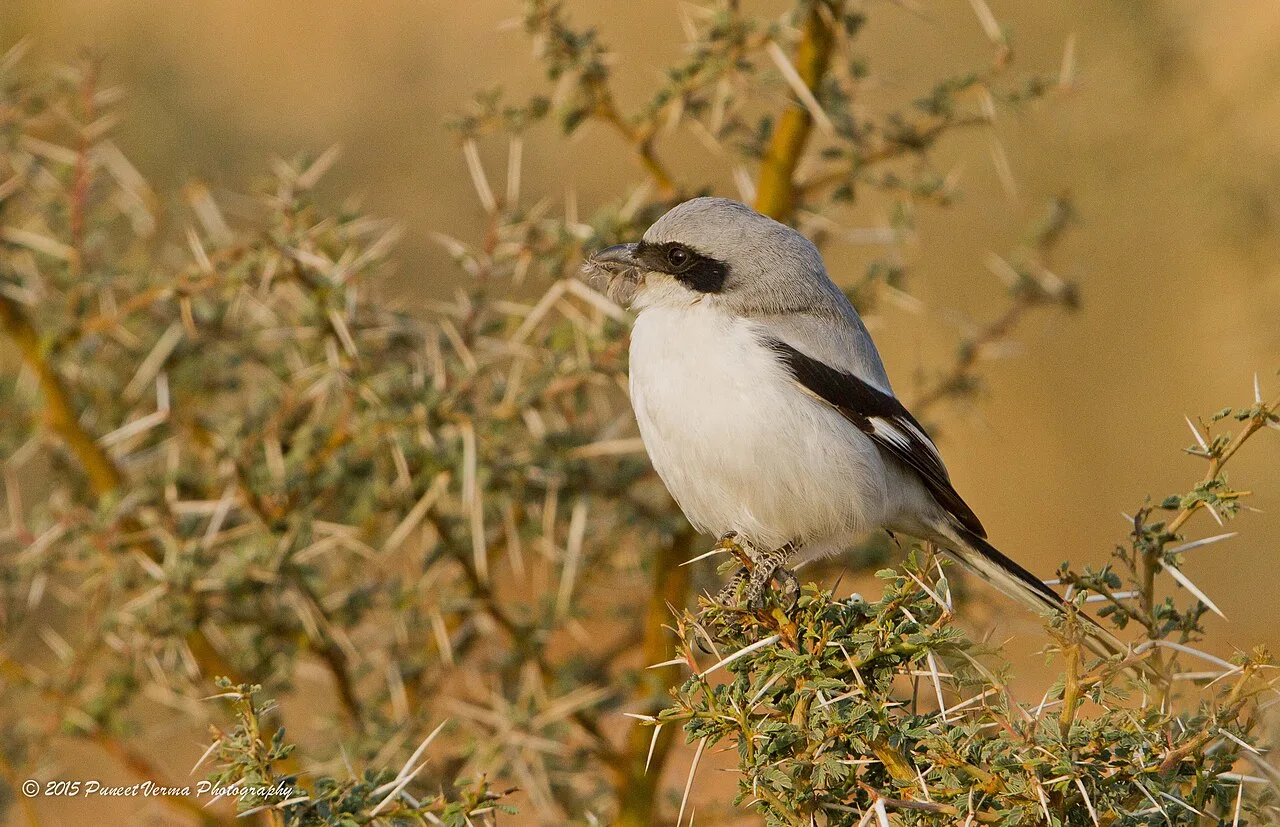
The Chambal is the state’s major perennial river, flowing through the southeast and supporting reservoirs and ravine habitats. Other important rivers include the Banas, Luni and Mahi, whose flows vary greatly with season and location. Forest and wildlife landscapes include Ranthambore, Sariska, Keoladeo and the Mukundara Hills, as well as dry forests and grasslands across the Aravallis. Summers are generally very hot, especially in the west; the monsoon usually brings rain from around June to September, but amounts are uneven. Winters are cooler and often sunny, while desert nights can be cold. Seasonal conditions differ across the state, and drought and heat are recurring features of the western climate.

History & heritage

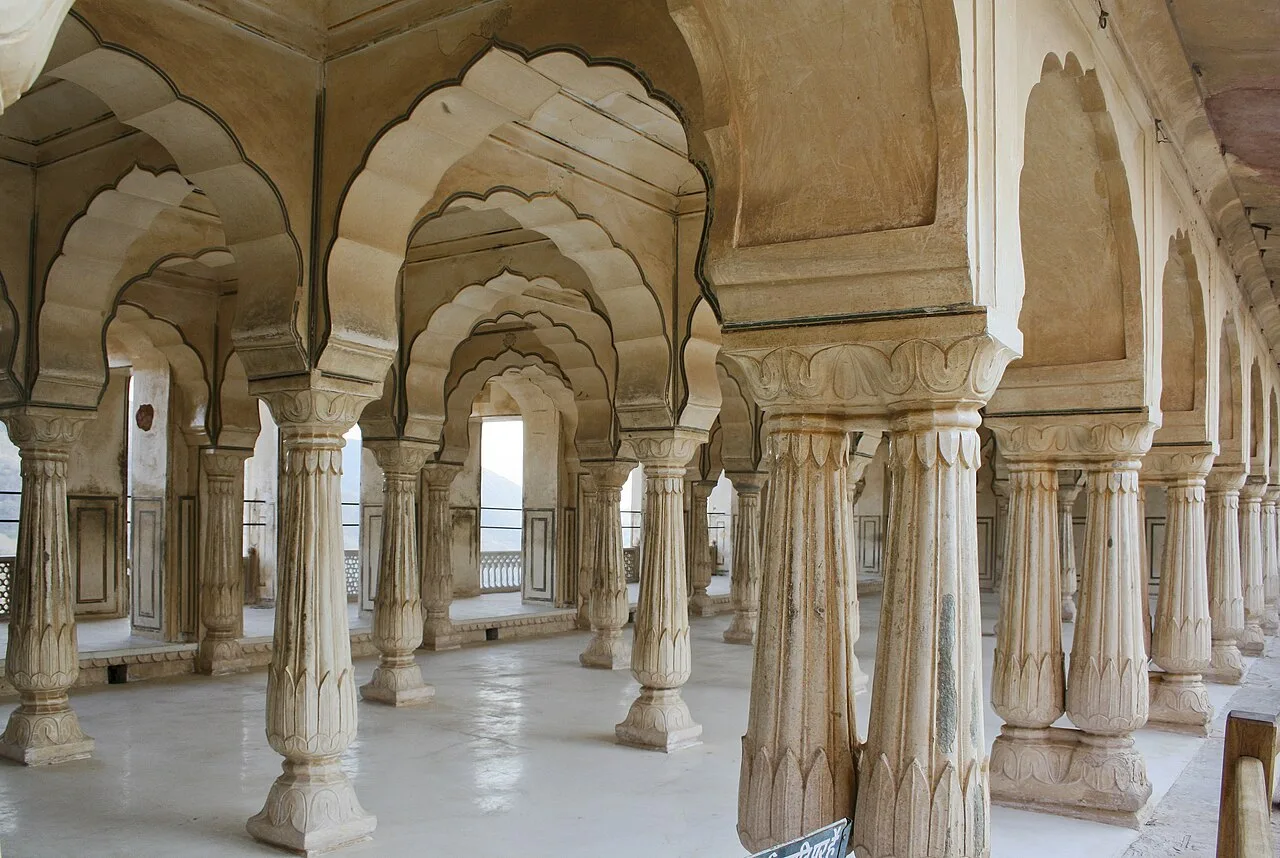
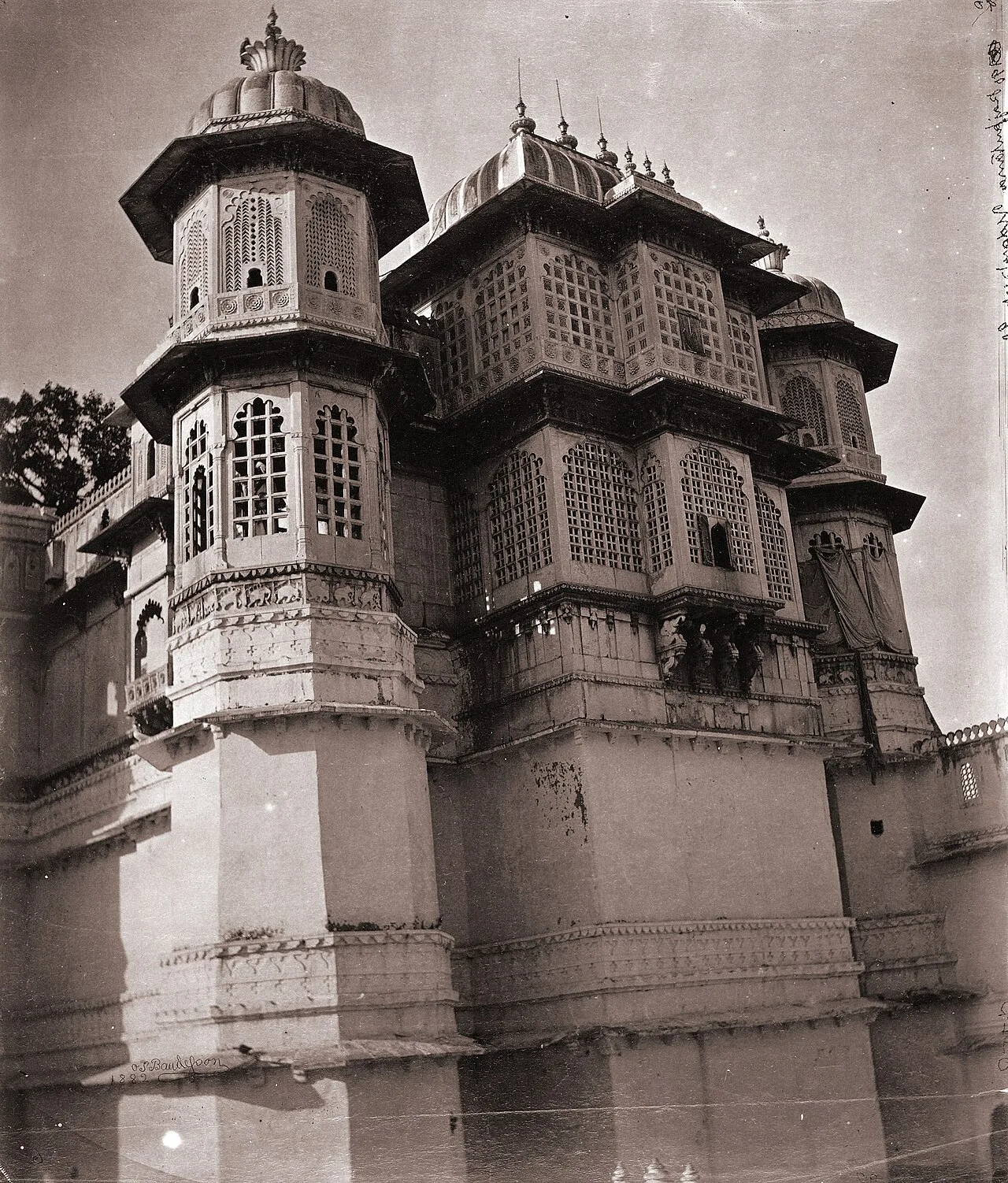
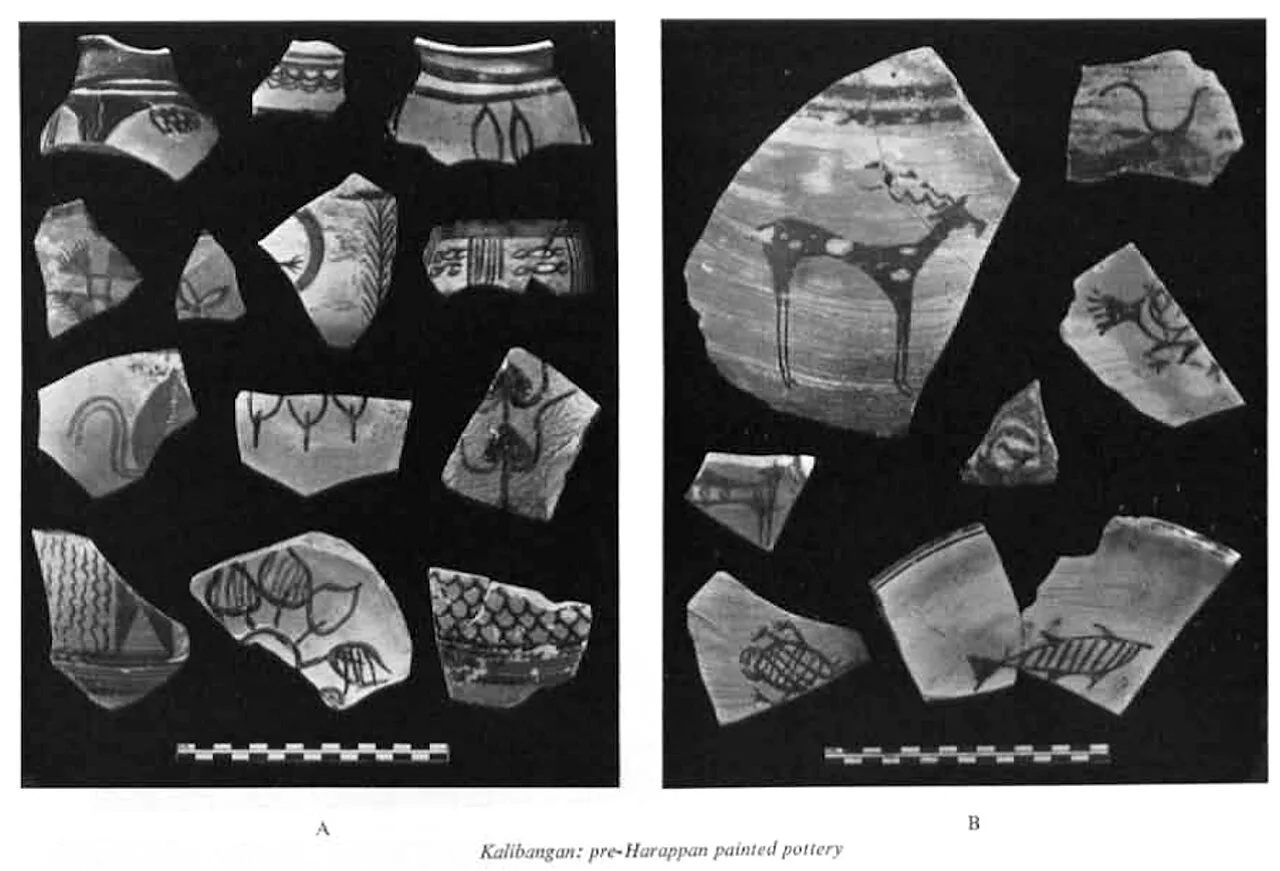
Rajasthan’s history reaches back to the Indus civilisation, represented in part by Kalibangan, an archaeological site in the north. The region also preserves evidence of the Ahar-Banas culture and other early settlements. In later centuries, a range of kingdoms and communities shaped its political landscape. Rajput houses established centres at places such as Mewar, Marwar, Amber, Bundi and Jaisalmer. Their forts and palaces combined defensive planning with courtly architecture, religious patronage and distinctive local building traditions. Chittorgarh’s Vijaya Stambha, the hill forts, and the old cities of Jaipur and Jodhpur reflect different chapters of that history.

Relations with the Mughal Empire included both alliances and conflict, and Mughal artistic and administrative influences became part of court life in several states. Regional powers and changing trade routes later altered the balance of authority. During the colonial era, most of the area was organised as princely states under British paramountcy, commonly grouped under the name Rajputana; Ajmer was administered separately. British rule did not erase the authority of local rulers, though treaties and colonial administration reshaped their political choices. The region’s merchant towns, pilgrimage routes and craft centres also continued to connect it with wider networks.

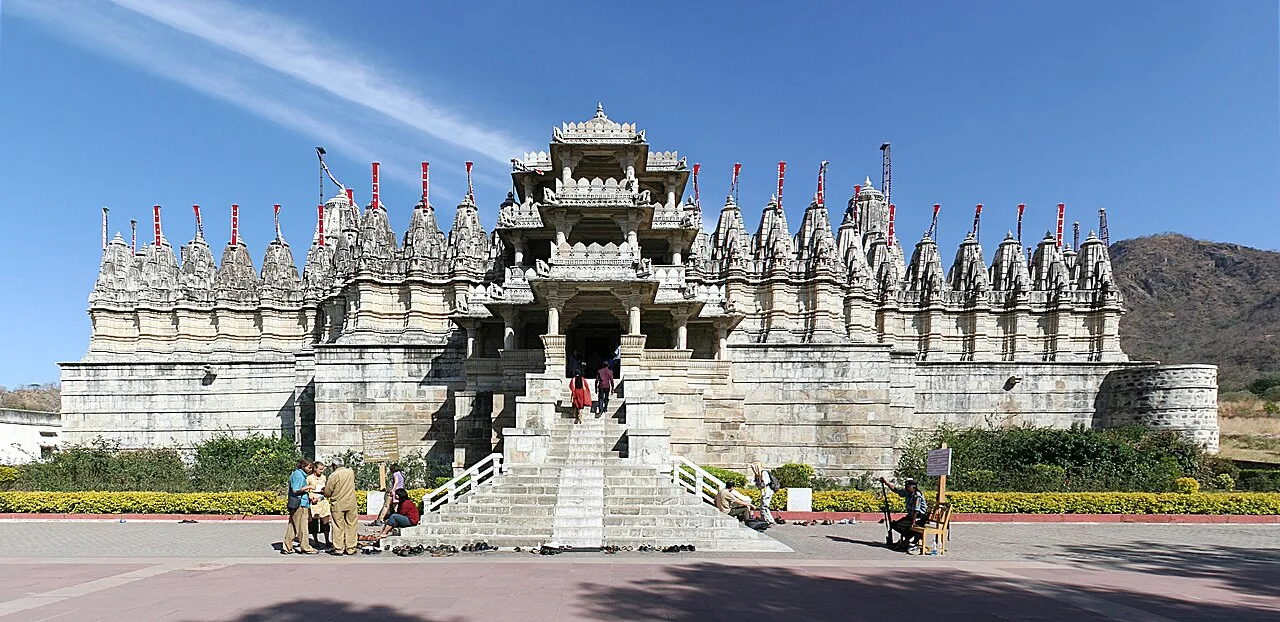
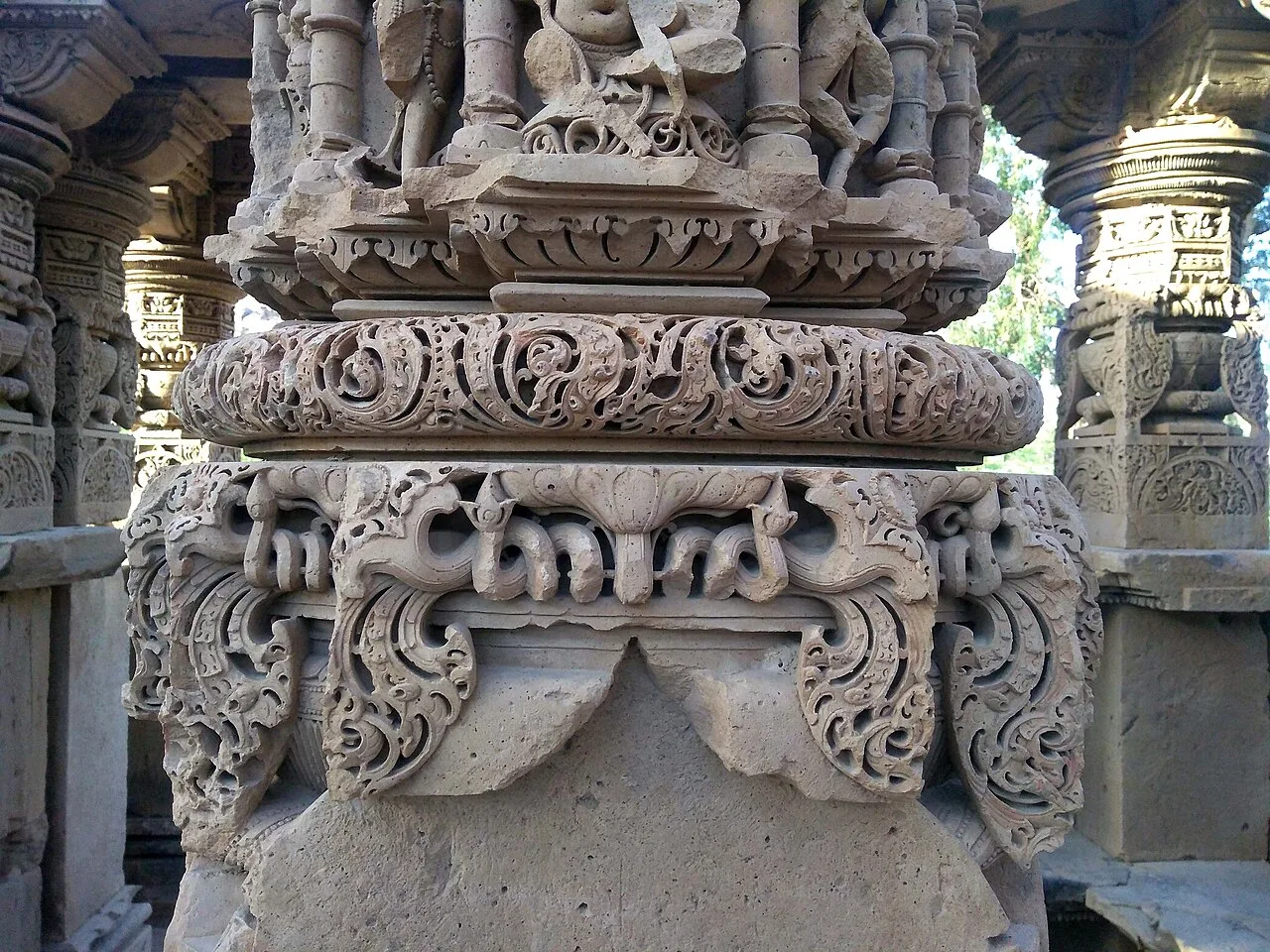
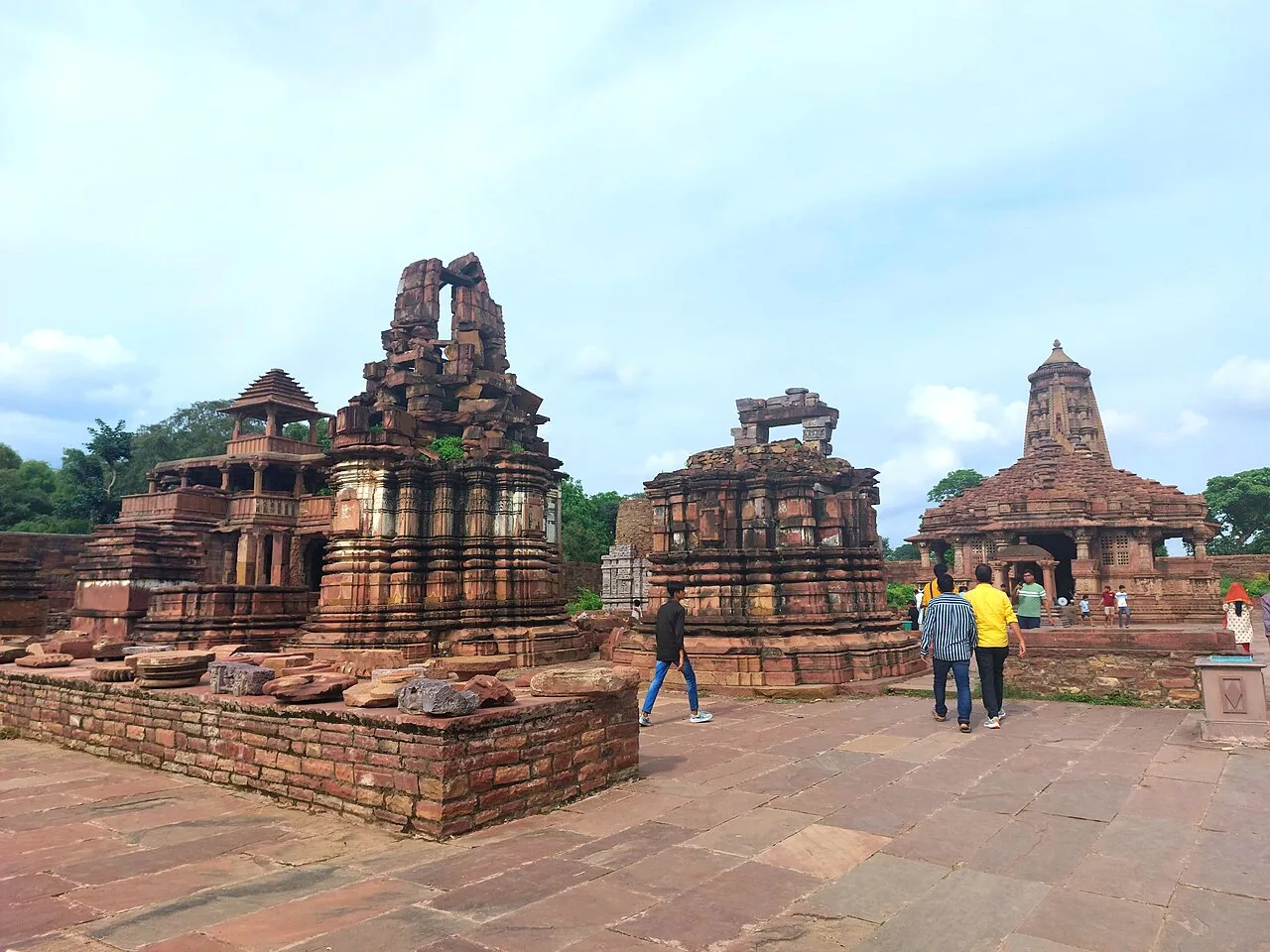
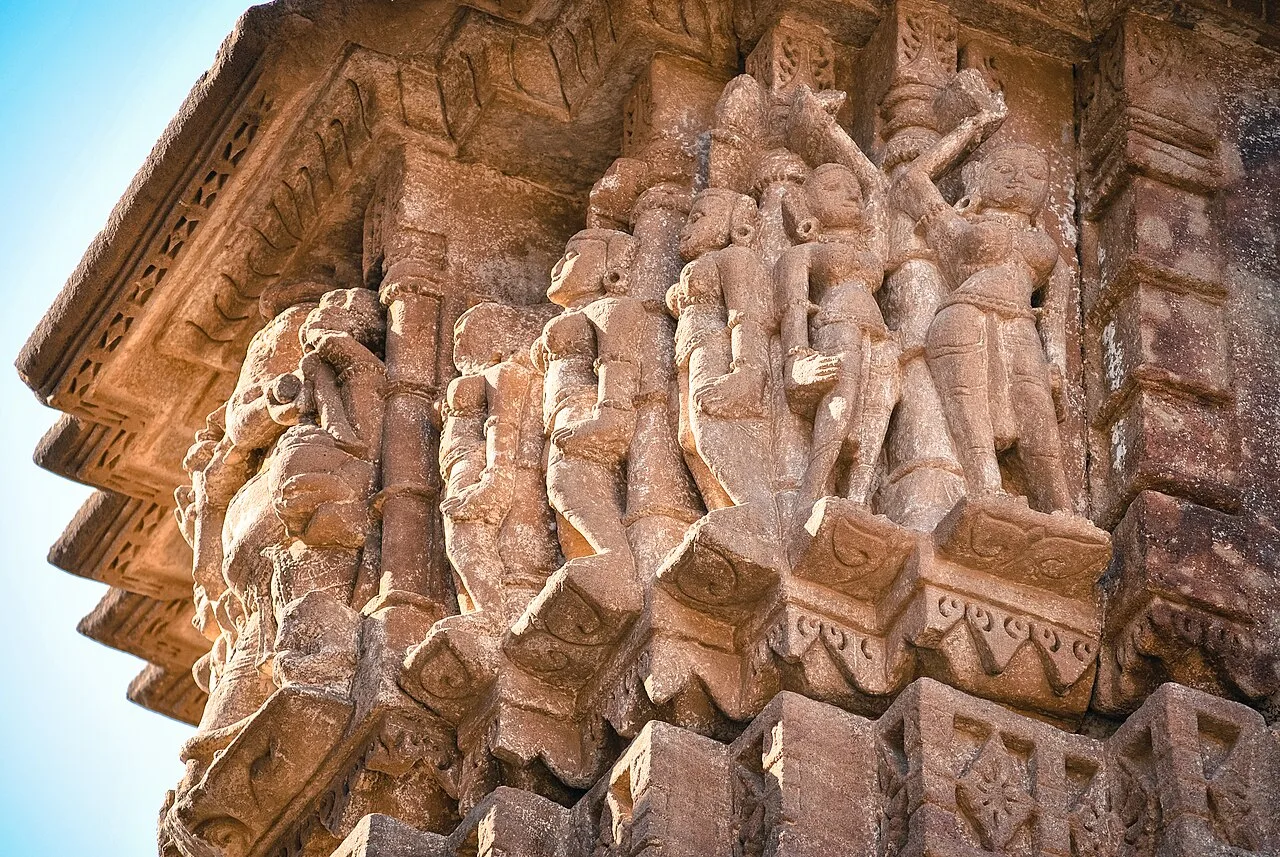
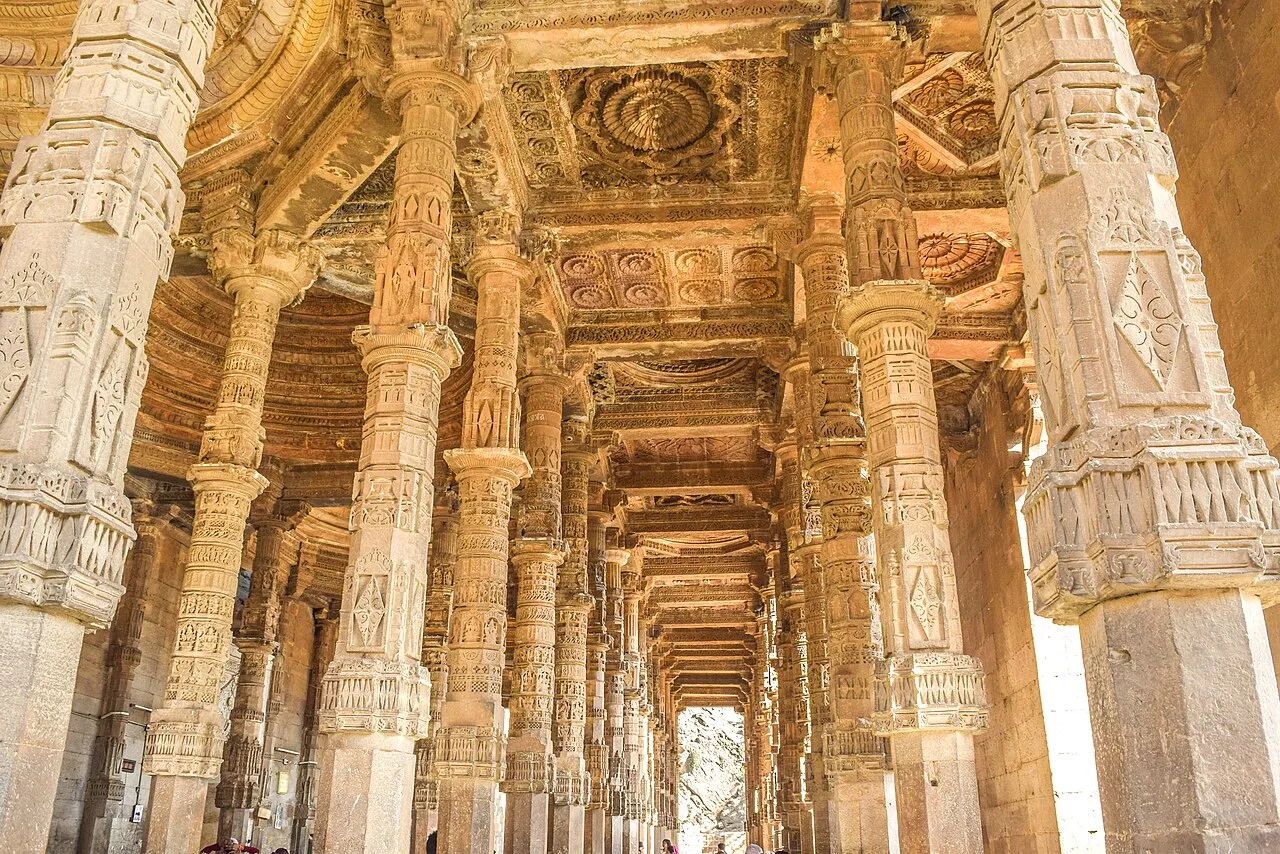
After independence, princely states joined a series of unions that formed Rajasthan in stages. Greater Rajasthan was inaugurated in 1949, and the state’s reorganisation was completed in 1956. Jaipur became the capital. The heritage visible today is not only royal: stepwells, temples, mosques, Jain shrines, historic markets and settlements record the work and beliefs of many communities. Sites such as Adhai Din Ka Jhonpra, Ranakpur Jain temple and the abandoned settlement of Kuldhara illustrate this layered past, while Kalibangan offers a much earlier window into life in the region.

Culture, people & festivals

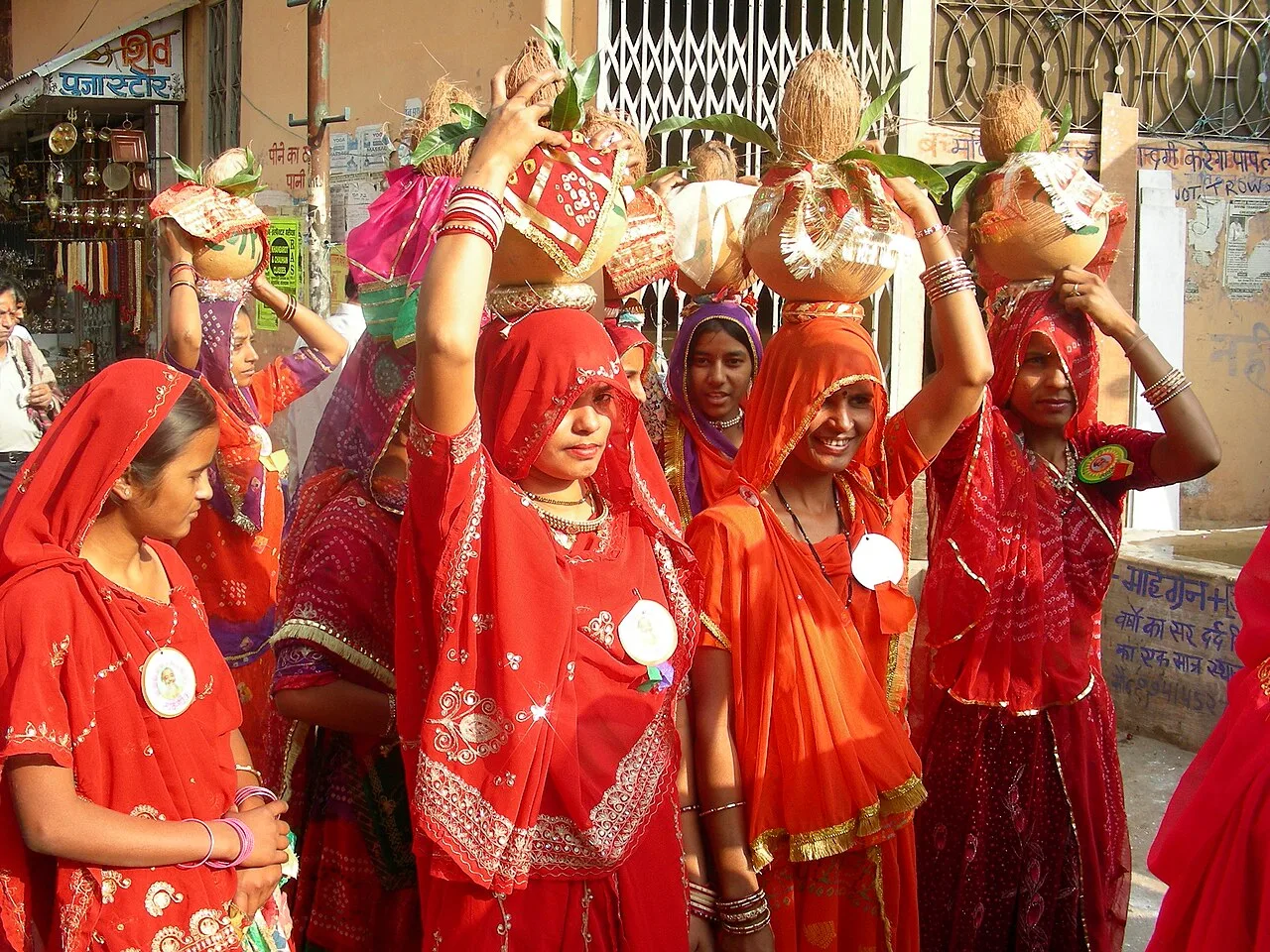
Rajasthan’s cultural life varies from region to region and is shaped by village, pastoral, urban and courtly traditions. Hindi is widely used, alongside Rajasthani speech varieties such as Marwari, Mewari, Dhundhari, Shekhawati, Harauti and Mewati. Communities include Rajputs, Jats, Meenas, Bishnois, pastoral groups, artisan families and long-established merchant communities, among many others. Hindu, Muslim, Jain and other faiths are present in the state’s sacred places and everyday observances. Ajmer Sharif draws pilgrims, while Pushkar, Nathdwara, Eklingji and Khatu Shyam Ji are among the significant Hindu pilgrimage destinations.

Music and performance are central to celebrations and social gatherings. Manganiyar and Langa musicians are known for vocal and instrumental traditions, while Kalbelia dance, Ghoomar, Bhavai and the string-puppet theatre of kathputli are familiar forms. Teej, usually celebrated in July or August, welcomes the monsoon with processions and songs; Gangaur, generally in March or April, honours Gauri and is marked especially by women. The Pushkar Fair, usually held in October or November, combines pilgrimage with livestock trading and cultural events. The Desert Festival in Jaisalmer is generally held in February, with folk music and desert performances. Dates shift with lunar calendars and local arrangements, so check current schedules before travelling.

Food & flavours

Rajasthani food reflects a dry climate, long traditions of travel and the practical use of ingredients that keep well. Dal baati churma is the best-known combination: lentils with baked wheat baati and sweet, crumbly churma, often served with ghee. Ker sangri brings together desert berries and beans, cooked with spices and oil into a tangy, durable dish. Besan-based gatte ki sabzi, papad ki sabzi and kadhi offer other pantry-friendly meals, while bajra roti and other millet breads are common in many areas. Garlic chutney, pickles and buttermilk add sharpness and balance.

Regional kitchens differ: desert cooking often makes inventive use of dried ingredients, while the southeast and eastern districts include more grain, vegetables and river-region influences. Jaipur is associated with rich snacks and sweets; Bikaner is famed for its savoury bhujia, and Udaipur and Mewar have their own royal and household food traditions. Laal maas, a robust meat curry, is a notable dish, though recipes and heat levels vary. Sweet favourites include ghevar, especially around Teej, mawa kachori, malpua and ladoos. Vegetarian food is widely available, but ingredients and preparation differ from one household to another. Ask about chilli, ghee and dietary requirements when ordering.

Crafts, textiles & what to buy

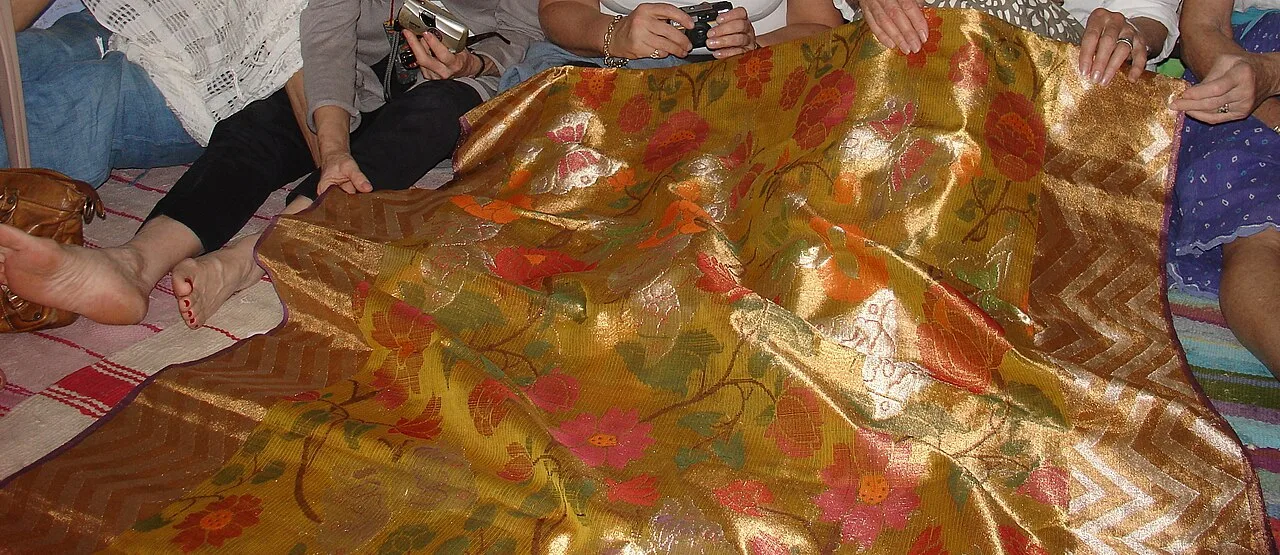
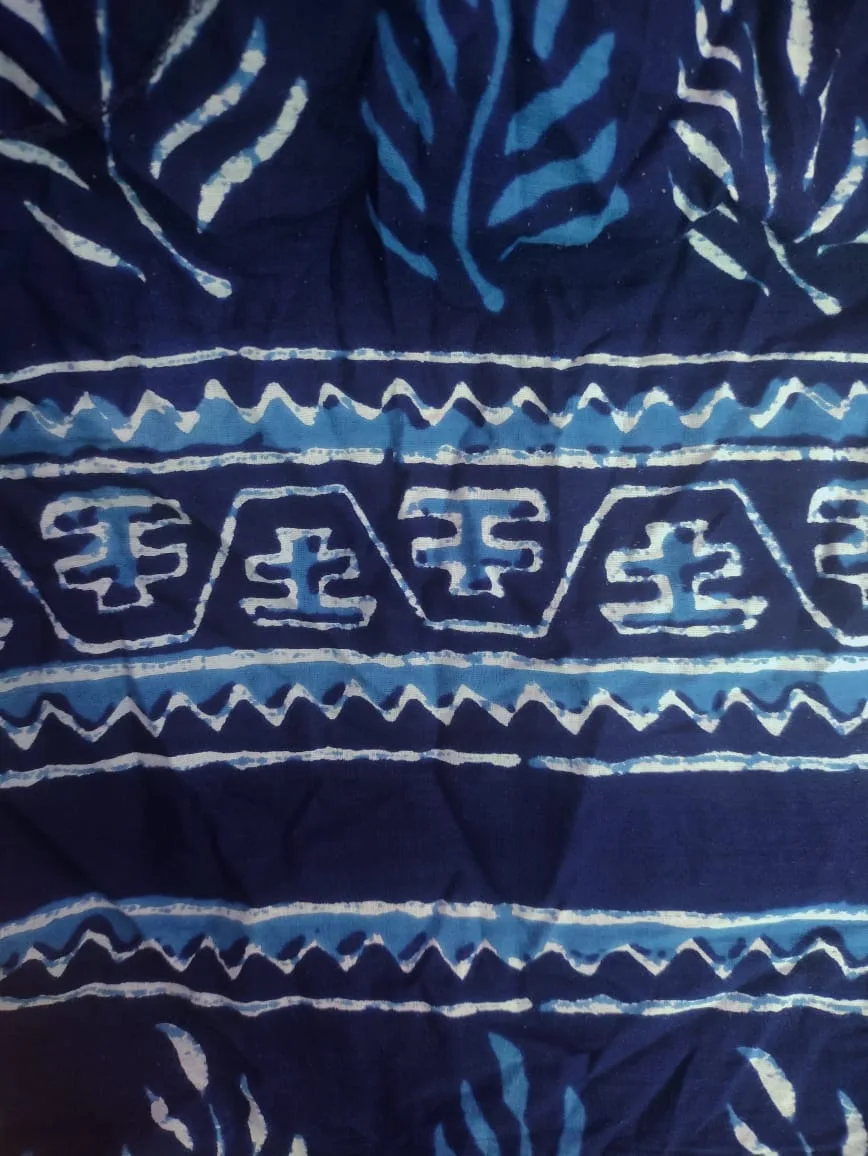
Rajasthan’s craft traditions are closely tied to local materials, markets and specialist communities. Sanganer and Bagru near Jaipur are known for hand block printing, with different approaches to pattern, colour and resist work. Kota Doria, woven in the Kota region, is a light checked fabric; Jaipur is also associated with blue pottery and jewellery. Bandhani tie-dye, leheriya, embroidery and appliqué appear across the state, with styles varying between regions. Jodhpur and Jaipur have established markets for textiles and decorative objects, while Jaisalmer and Udaipur offer craft shops alongside their heritage districts.

GI-tagged products include Kota Doria, Sanganeri Hand Block Printing, Bagru Hand Block Print, Blue Pottery of Jaipur, Thewa Art Work of Pratapgarh, Molela Clay Work, Bikaneri Bhujia, Makrana Marble and Sojat Mehndi. Thewa, a delicate gold-on-glass technique, is associated with Pratapgarh; Molela’s terracotta plaques are made near Nathdwara, and Makrana is known for marble. Buyers can ask artisans or reputable sellers about materials, process and provenance, and should distinguish handmade work from machine-printed imitations. Small purchases directly from workshops can support makers, though craft availability and production methods vary.

Getting there & getting around

Jaipur International Airport is the state’s principal air gateway, with other airports serving cities including Jodhpur, Udaipur, Kishangarh and Jaisalmer; routes and passenger services can change, so check current connections. Major rail junctions include Jaipur, Ajmer, Jodhpur, Bikaner, Kota, Udaipur and Bharatpur. Rail is useful for linking larger cities, while buses and hired cars help reach smaller towns, forts and rural sites. Rajasthan’s extensive road network includes national highways such as NH 48, NH 52, NH 62 and NH 68. These connect major urban centres and routes through the state, but local road conditions and journey times vary.

Within cities, auto-rickshaws, taxis and app-based services may be available, though coverage differs. For multi-stop trips, a car with a driver can simplify travel between dispersed sights; intercity buses are another option, with services varying by route. Jaipur, Jodhpur, Udaipur and Jaisalmer work well as bases for regional visits, while Ajmer and Pushkar are often paired, as are Bundi and Kota. Desert destinations require particular planning: confirm transport back from remote sites and avoid assuming a late service will be available. At popular attractions such as Mehrangarh, Chand Baori or Keoladeo National Park, check current access arrangements through official sources. Allow extra time for road travel and seasonal traffic around fairs and holidays.

When to go & travel tips

October to March is generally the most comfortable period for many parts of Rajasthan. Winter suits Jaipur, Jodhpur, Jaisalmer and the eastern plains, though desert nights can be cold. The Aravalli hills and Mount Abu are pleasant in cooler months; the monsoon can bring greener scenery, but rain may affect road travel. Wildlife visits are often planned in the cooler season, but park access and conditions vary. For Jaisalmer and the western desert, avoid assuming that daytime winter warmth means mild evenings. Summer heat can be intense across much of the state, so choose early starts and check local conditions.

Pack breathable clothing, sun protection, a refillable water bottle and comfortable footwear; add warm layers for winter nights and rain protection during the monsoon. Carry water on long drives and use reputable transport, especially after dark on unfamiliar rural roads. Dress respectfully at temples, mosques and other sacred sites, follow photography guidance, and ask before photographing people. Keep valuables secure in crowded markets and festivals, and take care around animals and traffic. No general visitor permit is required for ordinary travel between Rajasthan’s main destinations, but rules can apply to particular protected or restricted sites; confirm requirements with official authorities before setting out.

Highlights

Where to begin

City by city

Cities & hubs of Rajasthan

Every sight is grouped under its city — places within about 12 km together, day trips within 40 km alongside — even across district lines. Open a city to see its attractions.

See every city, town and village of Rajasthan

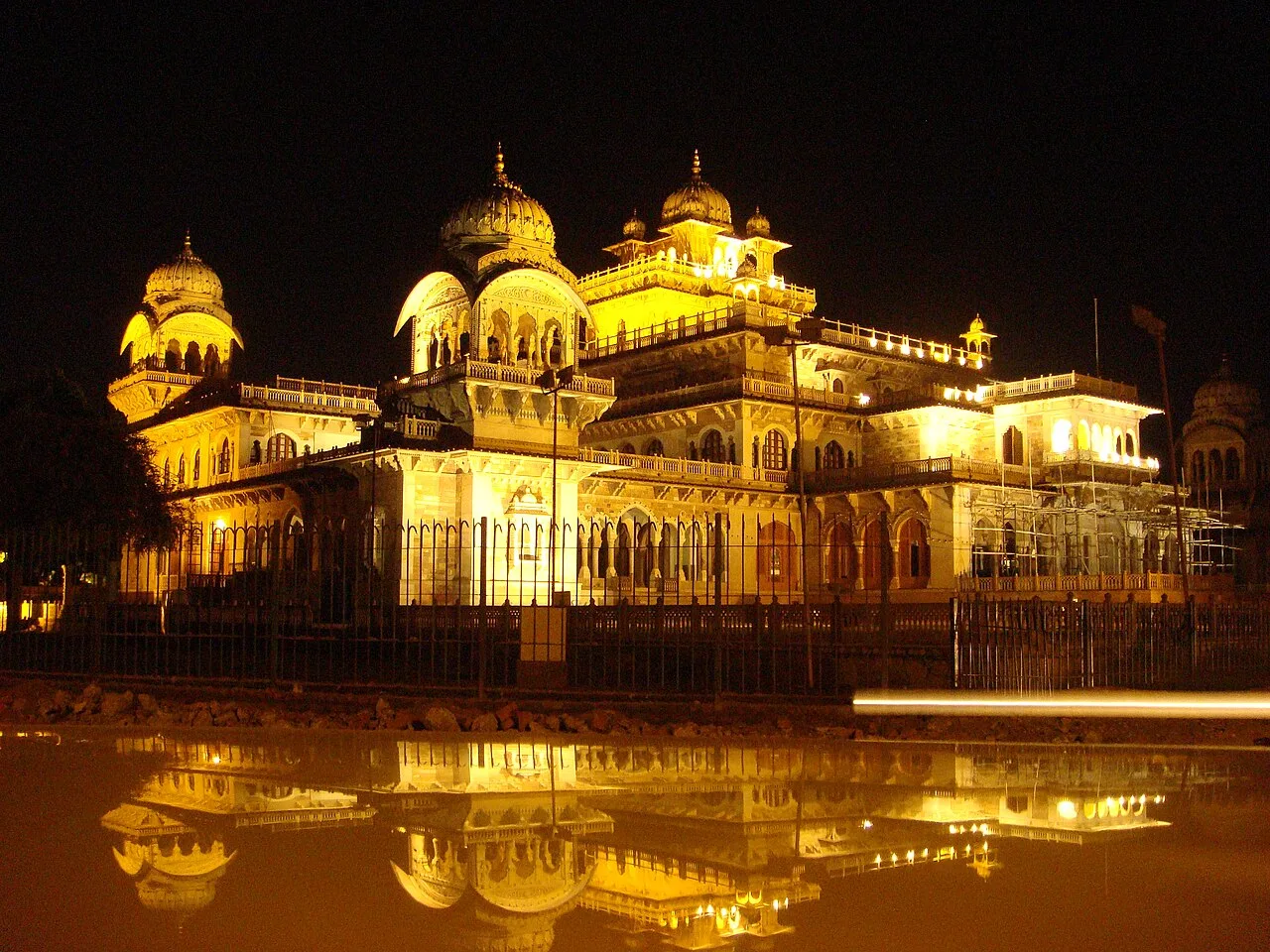
Albert Hall Museum
Jaipur9 places to see

Albert Hall Museum · Amber Fort · Birla Mandir · City Palace, Jaipur

City Palace, Udaipur
Udaipur9 places to see

City Palace, Udaipur · Fateh Sagar Lake · Jag Mandir Palace · Jagdish Temple

Pushkar
Pushkar7 places to see

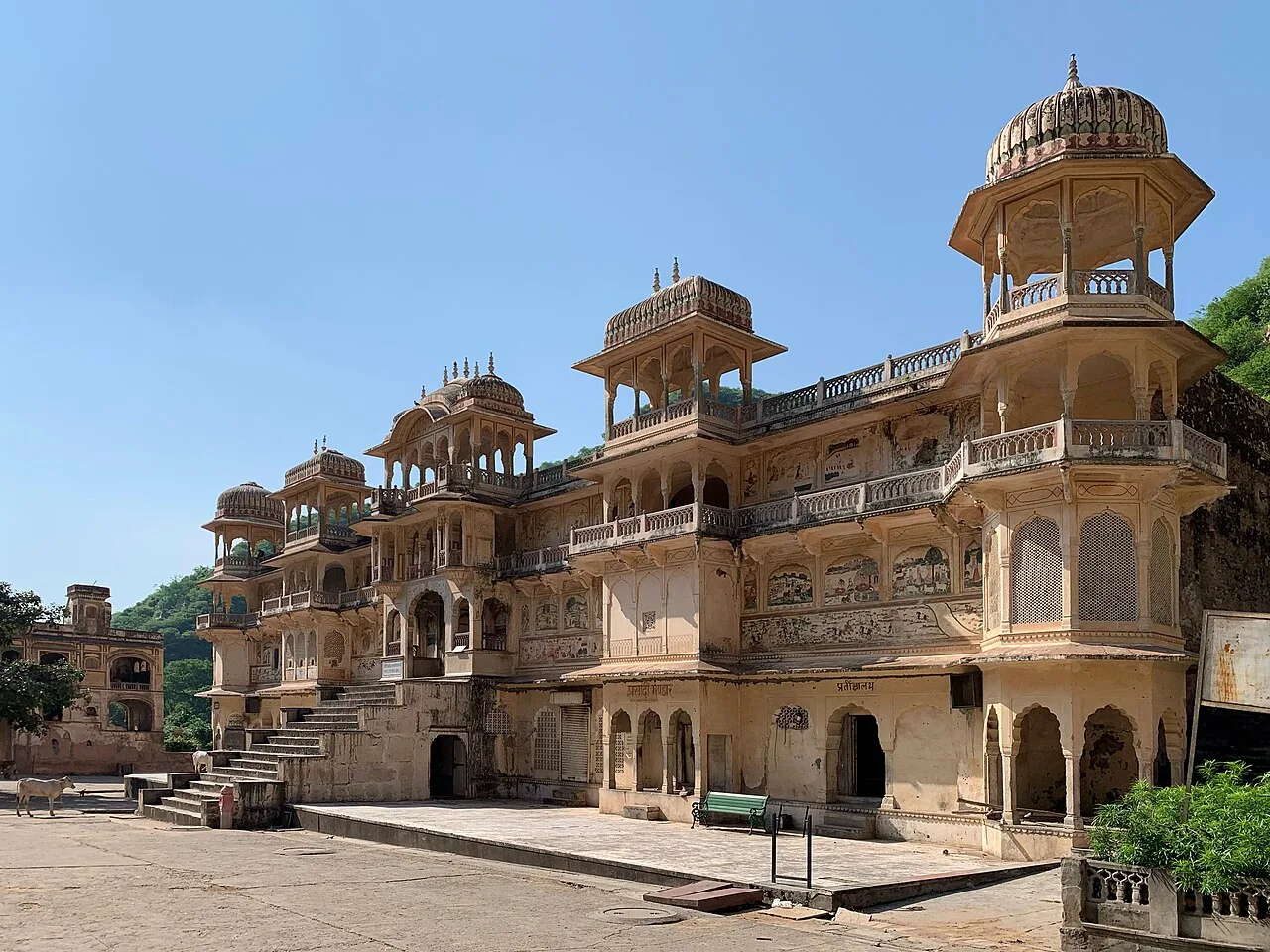
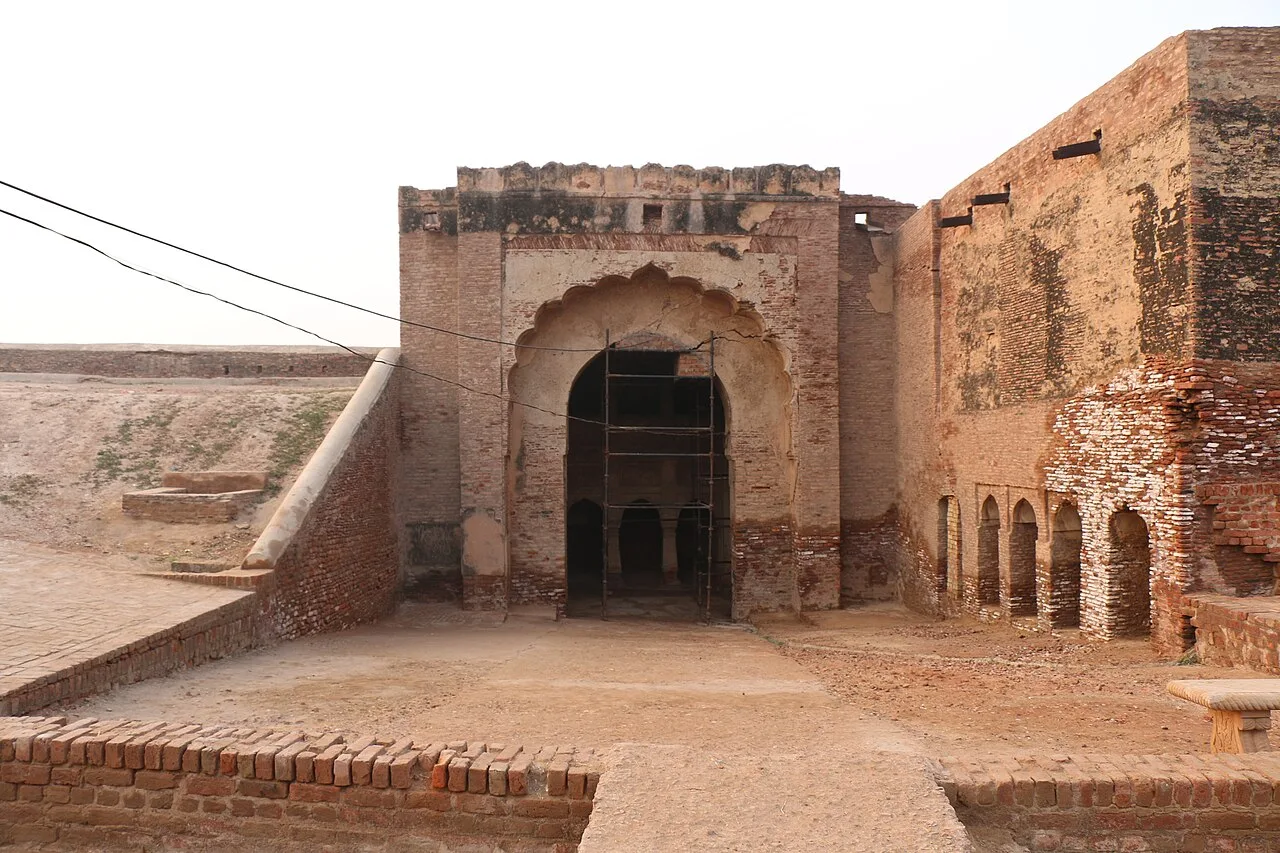
Adhai Din Ka Jhonpra · Ana Sagar Lake · Brahma Temple · Pushkar Lake

Jaswant Thada
Jodhpur5 places to see

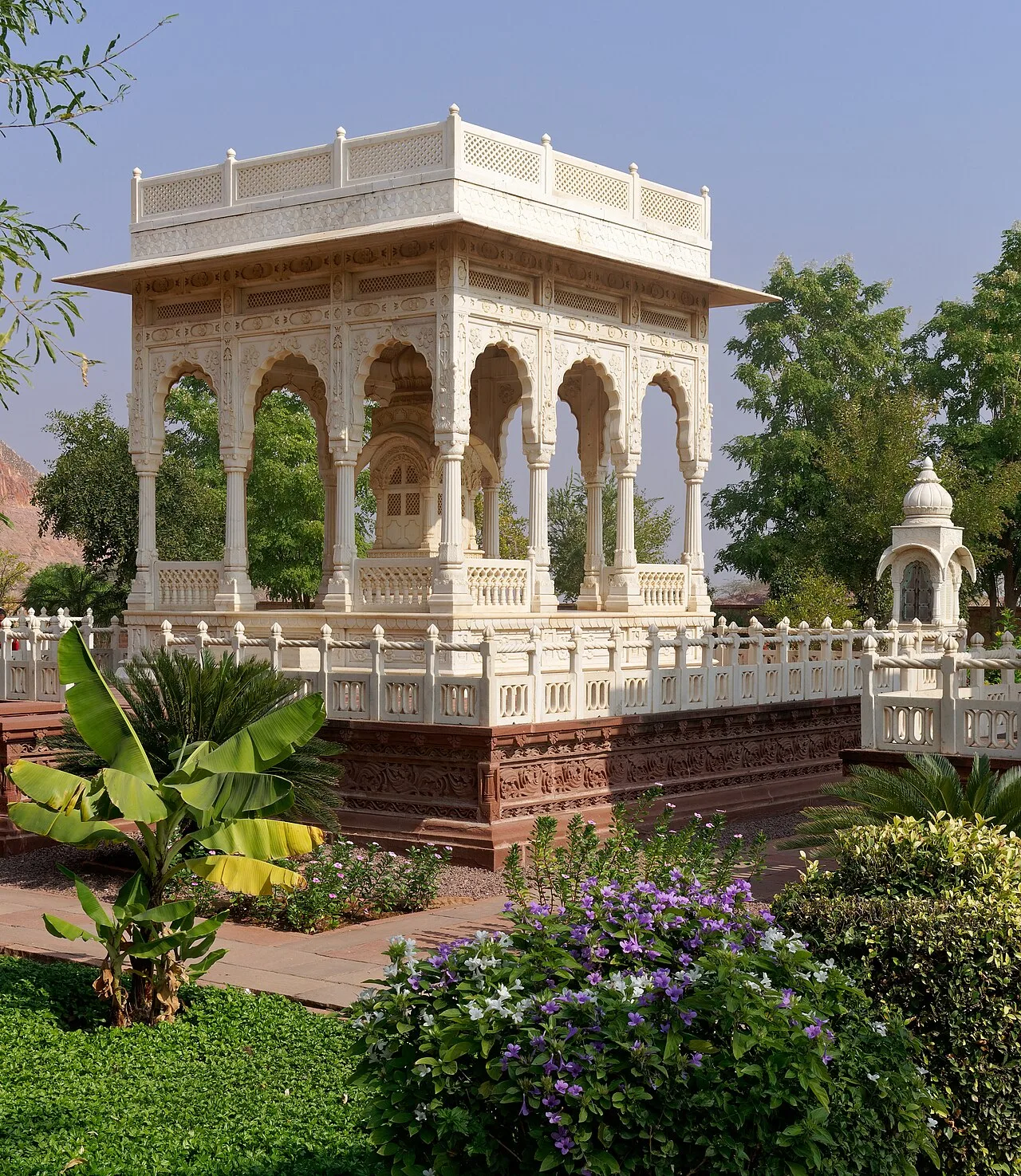
Jaswant Thada · Mandore · Mehrangarh · Umaid Bhawan Palace

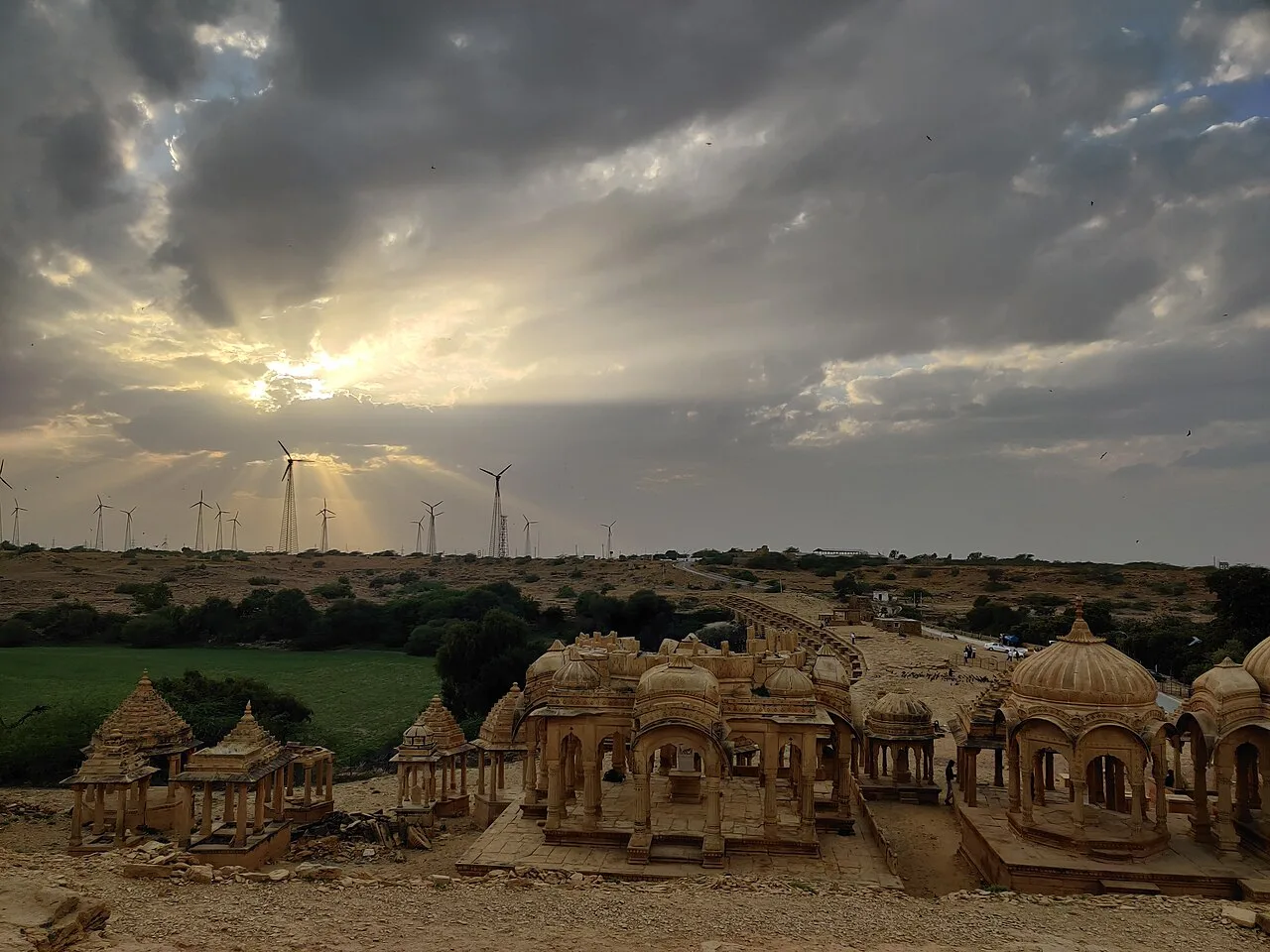
Bada Bagh
Jaisalmer4 places to see

Bada Bagh · Gadisar Lake · Jaisalmer Fort · Kuldhara

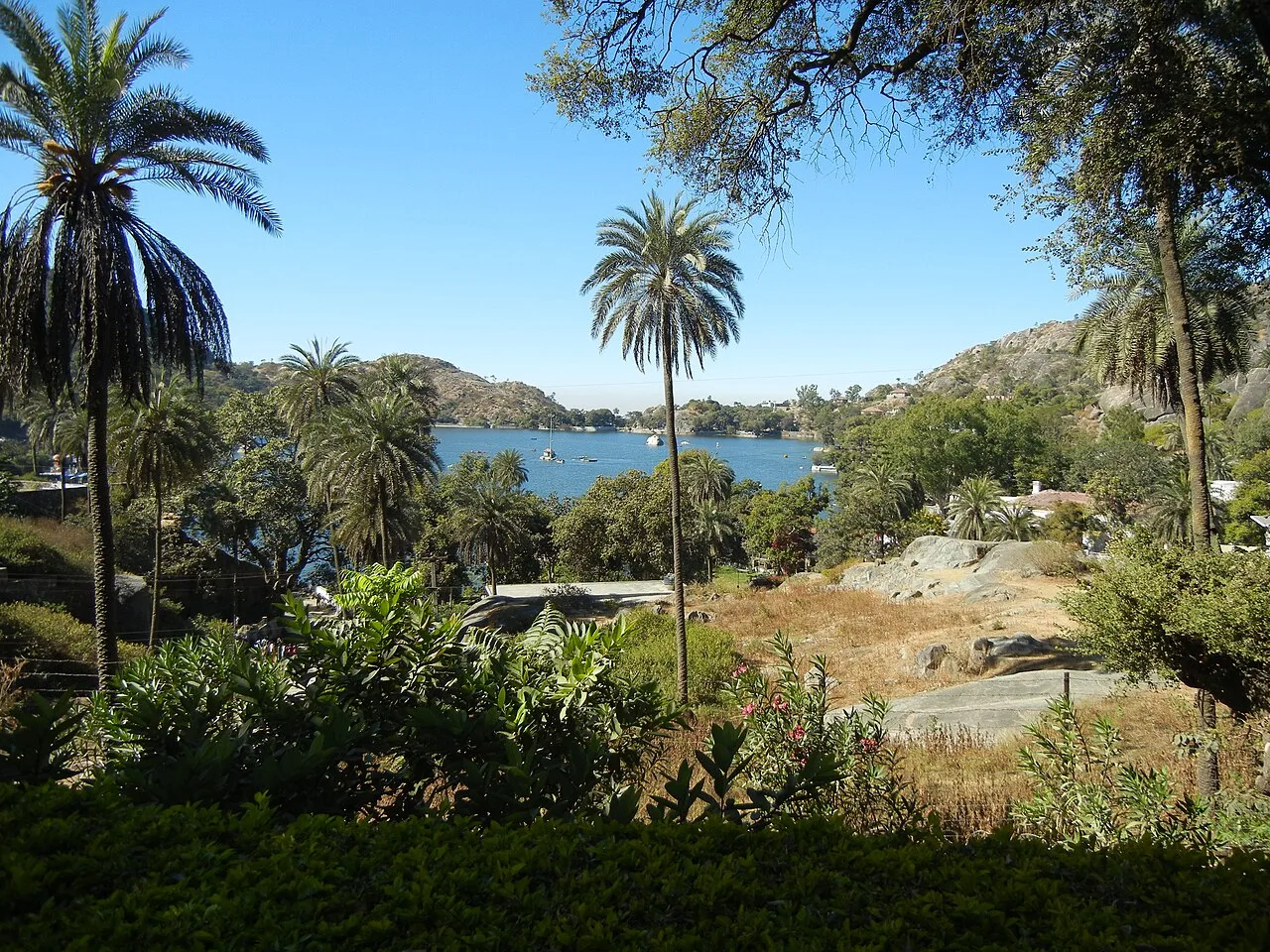
Mount Abu
Mount Abu4 places to see

Dilwara Temples · Guru Shikhar · Nakki Lake

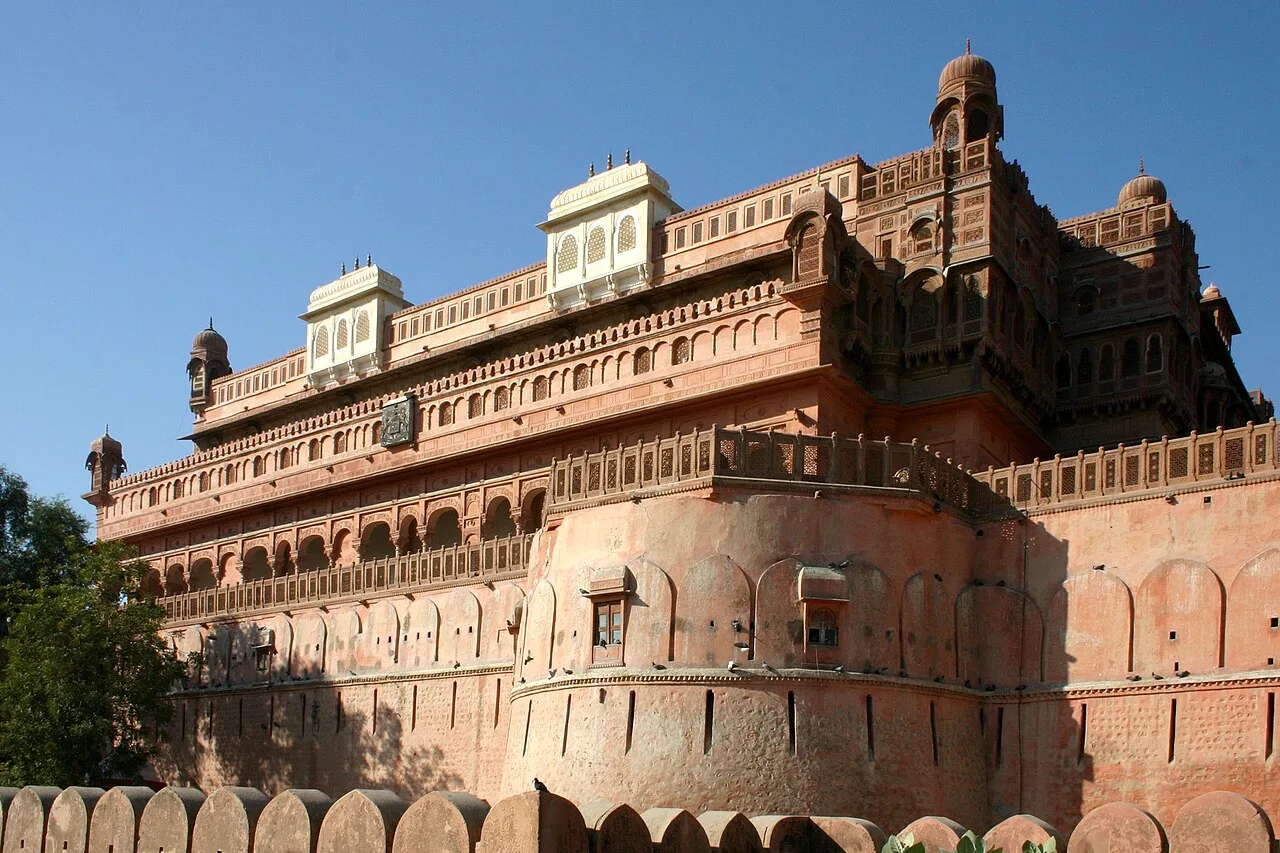
Junagarh Fort
Bikaner3 places to see

Junagarh Fort · Lalgarh Palace · Gajner Palace

Bundi
Bundi3 places to see

Raniji ki Baori · Taragarh Fort, Bundi

Keoladeo National Park
Bharatpur2 places to see

Keoladeo National Park · Lohagarh Fort

Chittor Fort
Chittorgarh2 places to see

Chittor Fort · Vijaya Stambha

Nathdwara
Nathdwara2 places to see

Haldighati

Ranakpur Jain temple
Sadri2 places to see

Ranakpur Jain temple · Kumbhalgarh

Ranthambore Fort
Sawai Madhopur2 places to see

Ranthambore Fort · Ranthambore National Park

Siliserh Lake
Alwar1 place to see

Siliserh Lake

Pachpadra
Balotra1 place to see

Pachpadra

Chand Baori
Bandikui1 place to see

Chand Baori

Kiradu temples
Barmer1 place to see

Kiradu temples

Galtaji
Bassi1 place to see

Galtaji

Sariska Tiger Reserve
Baswa1 place to see

Sariska Tiger Reserve

Samode
Chaumu1 place to see

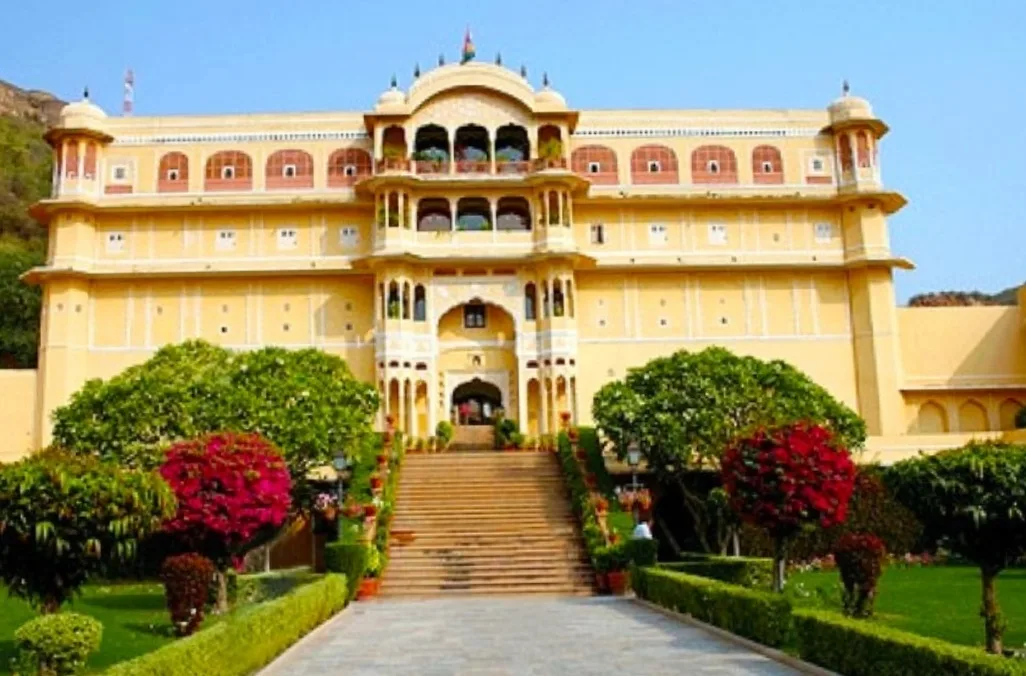
Samode

Mukundara Hills Tiger Reserve
Chechat1 place to see

Mukundara Hills Tiger Reserve

Bhangarh Fort
Dausa1 place to see

Bhangarh Fort

Deeg Palace
Deeg1 place to see

Deeg Palace

Karni Mata Temple
Deshnoke1 place to see

Karni Mata Temple

Bhatner fort
Hanumangarh1 place to see

Bhatner fort

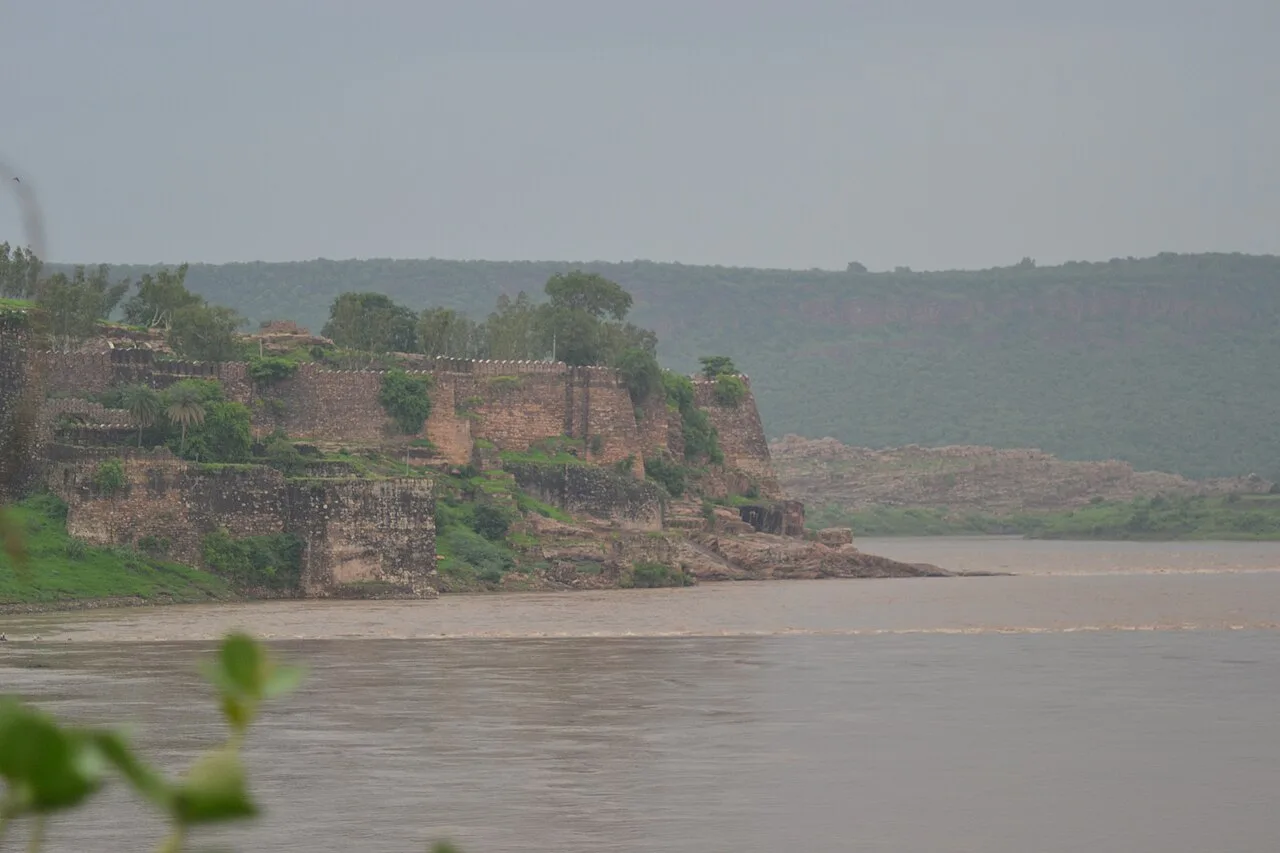
Gagron Fort
Jhalawar1 place to see

Gagron Fort

Akola (Dabu Print Village)
Kapasan1 place to see

Akola (Dabu Print Village)

Khatu Shyam Temple
Khatu1 place to see

Khatu Shyam Temple

Kaithoon
Kota1 place to see

Kaithoon

Menal
Mandalgarh1 place to see

Menal

Mandawa
Mandawa1 place to see

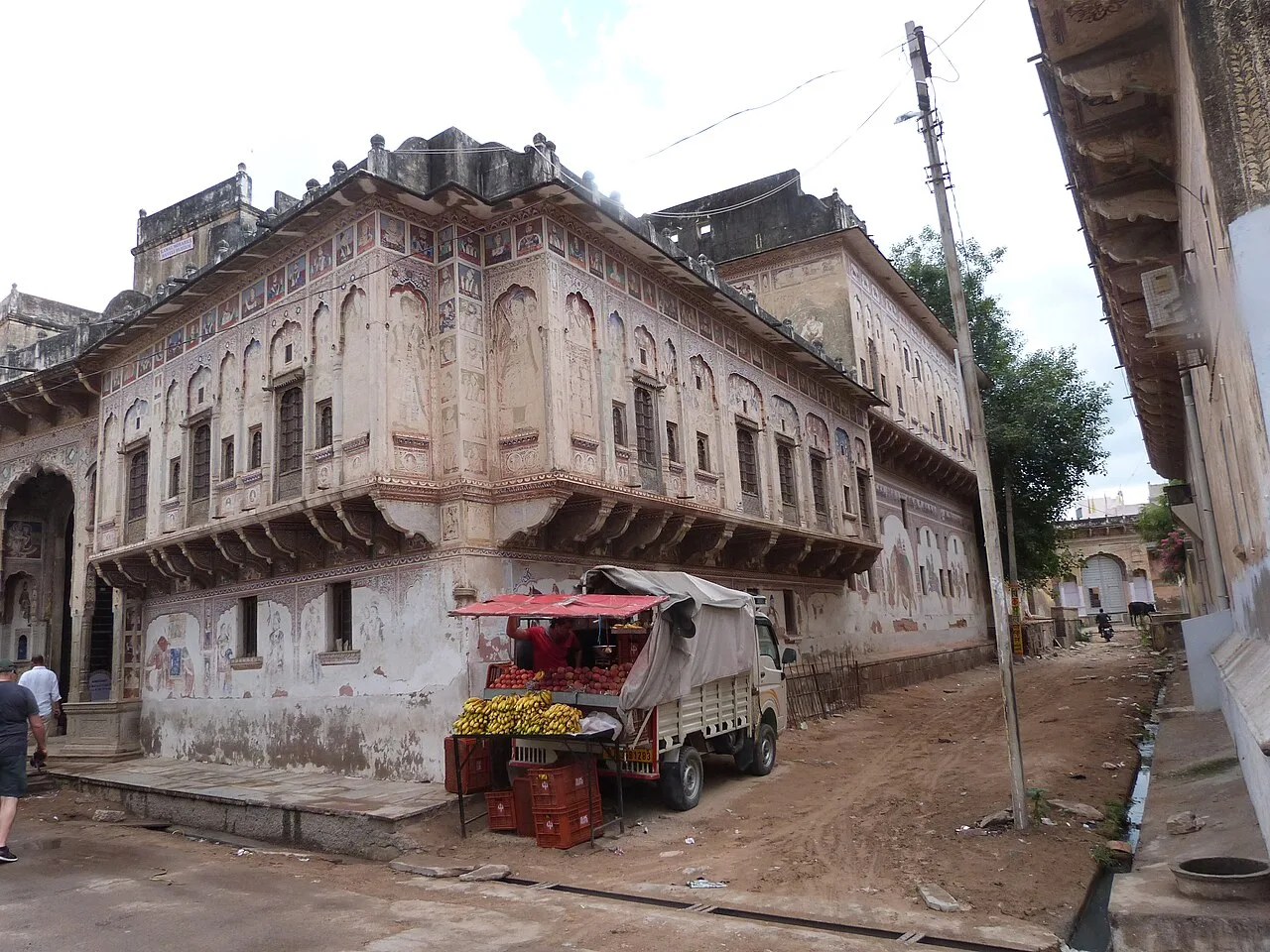
Sights in and around Mandawa

Sambhar Salt Lake
Nawa1 place to see

Sambhar Salt Lake

Nawalgarh
Nawalgarh1 place to see

Sights in and around Nawalgarh

Osian
Osian1 place to see

Sights in and around Osian

Kalibangan
Pilibanga1 place to see

Kalibangan

Rajsamand Lake
Rajsamand1 place to see

Rajsamand Lake

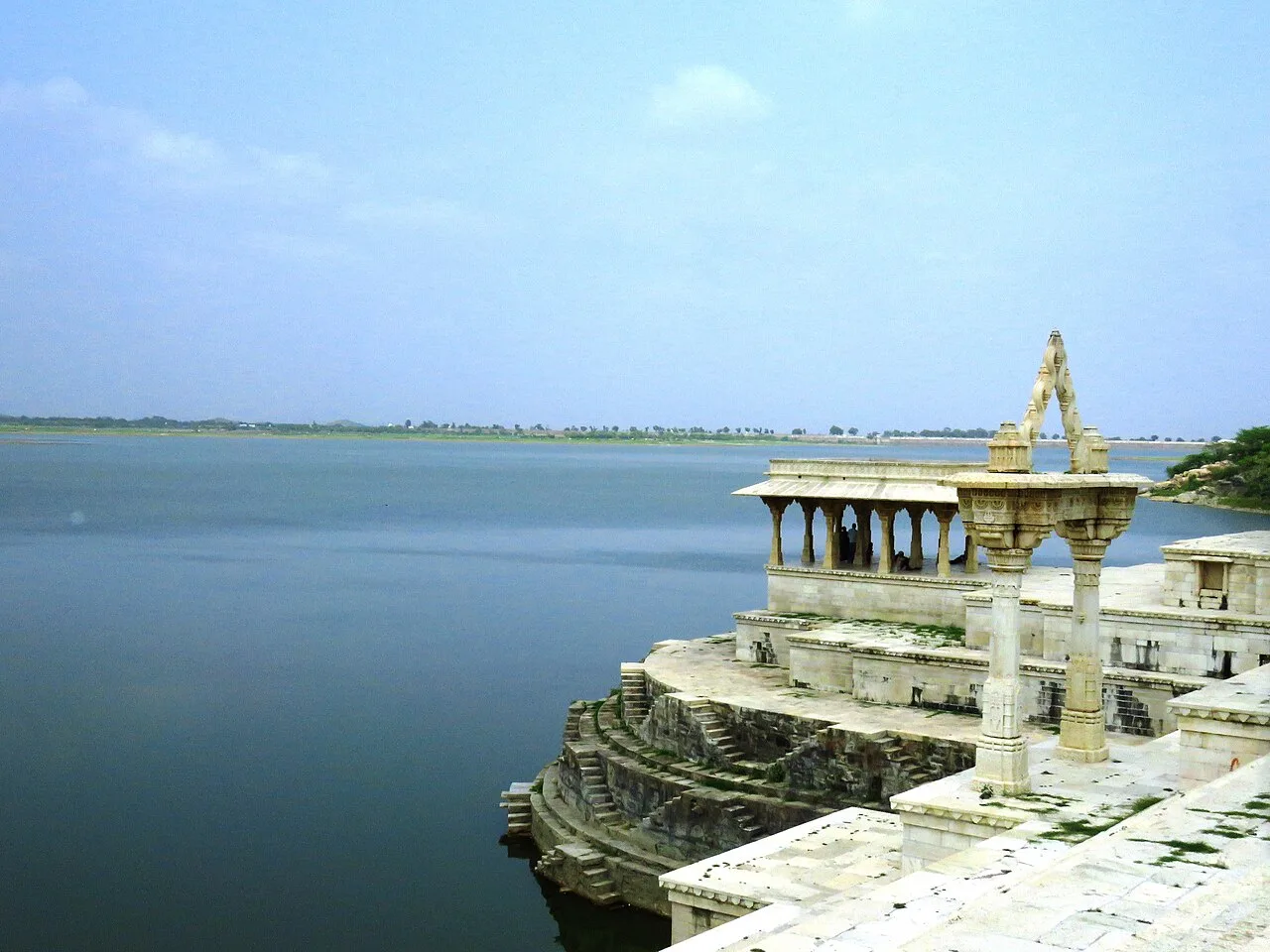
Dhebar Lake
Salumbar1 place to see

Dhebar Lake

Tal Chhapar Sanctuary
Sujangarh1 place to see

Tal Chhapar Sanctuary

Mehandipur Balaji Temple
Todabhim1 place to see

Mehandipur Balaji Temple

Away from the cities — 9 more places by district

District discovery

Rajasthan: 24 districts covered

Open a district to see its destinations and neighbours. More districts are added as our team writes them.

24 of 24 districts have destination guides

Destinations

Every guide in this state

Open a district to see its cities and towns, villages and places to see.

Ajmer7 places
Alwar4 places
Barmer2 places

Villages

Places to see

Bharatpur3 places
Bhilwara1 place

Places to see

Bikaner4 places
Bundi3 places

Cities & towns

Chittorgarh3 places
Churu1 place
Dausa2 places
Hanumangarh2 places
Jaipur12 places
Jaisalmer8 places
Jhalawar1 place

Places to see

Jhunjhunu2 places

Cities & towns

Jodhpur6 places
Kota3 places
Nagaur2 places

Villages

Places to see

Pali1 place
Rajsamand5 places
Sawai Madhopur2 places
Sikar1 place

Places to see

Sirohi4 places
Udaipur10 places

Festivals & fairs

The calendar here

Full calendar

17 Nov 2026 – 24 Nov 2026

Pushkar Fair

Pushkar · Fair & Mela

Camel and horse trading, pilgrimage and folk performance by the lake.

Provisional · happening nowRajasthan

Festivals of Rajasthan through the year

Usual season and where each is best known. Exact dates follow local calendars — linked festivals have dated guides.

  • Pushkar FairOctober–November, around Kartik PurnimaAjmer district; livestock trading and pilgrimage.
  • Urs of Khwaja Moinuddin ChishtiRajab monthAjmer Sharif.
  • Desert FestivalFebruaryJaisalmer.
  • Camel FestivalJanuaryBikaner.
  • GangaurMarch–AprilStatewide, notably Jaipur, Udaipur and Jodhpur; Mewar Festival accompanies it in Udaipur.
  • TeejJuly–AugustJaipur.
  • Kite Festival14 JanuaryJaipur.
  • Elephant FestivalHoliJaipur.
  • Baneshwar FairJanuary–FebruaryDungarpur, tribal gathering.
  • Ramdevra FairAugust–SeptemberJaisalmer district.
  • Karni Mata FairNavratriDeshnok, Bikaner.
  • Kolayat FairNovemberBikaner district.
  • Kota DussehraOctoberKota.
  • Marwar FestivalOctoberJodhpur.
  • Chandrabhaga FairNovemberJhalawar.
From travellers and locals

Be the first to share photos, stories, advice or a helpful contact for Rajasthan.

Loading…