Ghumoopedia — Explore, Discover, Experience
Sign in
Sambhar Salt Lake, near Phulera

City guide · Rajasthan

Phulera

Phulera is a town in Jaipur district whose importance comes chiefly from its position on Rajasthan’s transport and development map. Close to Jaipur, the state capital, it is a major railway junction, linking the town to routes across the region and beyond.

Famous for

  • Phulera Junction
  • Major railway connections
  • Delhi–Mumbai Industrial Corridor
  • Jaipur-region location

Why Phulera matters

Phulera is a town in Jaipur district whose importance comes chiefly from its position on Rajasthan’s transport and development map. Close to Jaipur, the state capital, it is a major railway junction, linking the town to routes across the region and beyond. The Delhi–Mumbai Industrial Corridor project also runs through Phulera, giving it a place in plans for expanded industry and freight movement.

For visitors, Phulera is more often a practical stop or rail interchange than a destination built around major monuments or resort attractions. Its appeal lies in seeing a working railway town and using it as a base for journeys around the Jaipur region. The surrounding landscape is characteristic of inland Rajasthan, while Jaipur offers a much wider choice of historic sights, museums, shopping and accommodation. Phulera’s identity is therefore shaped less by a single celebrated craft or landmark than by connectivity, local everyday life and its links to the state capital.
Famous for: crafts, trade & products

Phulera is best known for transport and its strategic location, rather than for a widely recognised textile, handicraft or specialty food industry. It is not broadly associated with a signature GI-tagged product. The town’s railway junction and its position along the Delhi–Mumbai Industrial Corridor project are more prominent parts of its economic profile than a specialist export or craft tradition.

Visitors looking for everyday goods can explore the town’s local market areas, where shops serve residents’ routine needs. These are places to look for groceries, household items and simple local snacks, not a concentrated tourist bazaar for a particular craft. For a larger selection of Rajasthan handicrafts, block-printed textiles, jewellery and regional products, Jaipur is the more practical shopping destination. Phulera’s significance as a place of trade is connected chiefly to rail and regional access; travellers should not assume that a product sold locally is unique to the town. The station area is a useful point from which to orient yourself, while the town’s shops provide a modest view of daily commerce.

History

Phulera’s past is best understood in the wider setting of the Jaipur region. The area was shaped by the history of the Jaipur state and its Kachwaha rulers, and later became part of the political landscape of princely Rajasthan under British paramountcy. The town itself is not widely known for a single royal complex or a prominent historic monument, so its story is less visible in grand architectural landmarks than in its growth as a regional settlement.

Rail connectivity has been central to Phulera’s modern identity. Its development as a major junction brought movement of passengers and goods and strengthened its links with Jaipur and other parts of Rajasthan. In more recent times, the Delhi–Mumbai Industrial Corridor project has added an industrial-development dimension to the town’s location. Phulera today reflects the changing role of smaller towns as transport nodes connected to larger urban and economic networks.

Food, festivals & culture

Daily life in Phulera reflects the culture of the Jaipur region and wider Rajasthan. Hindi is commonly used, alongside local Rajasthani speech. Meals are likely to draw on familiar regional staples such as dal baati churma, bajra preparations, lentils and seasonal vegetables; these are part of the broader food culture rather than dishes unique to Phulera. Sweets and savoury snacks are available through local shops, though the town is not especially known for a signature confection.

Holi in spring and Diwali in autumn are widely observed across the region. Teej and Gangaur, associated with the monsoon season and spring respectively, are also important Jaipur-region celebrations. Local observances are centred on family gatherings and neighbourhood places of worship. Rajasthani folk music and dance form part of the surrounding cultural tradition, though large performances are more likely to be found at organised events in Jaipur than as a regular attraction in Phulera. Visitors can expect a working town atmosphere rather than a staged cultural-tourism scene.

Visiting the city

The cooler months, roughly from October to March, are generally the most comfortable time to visit; summer can be very hot, while the monsoon brings rain and humidity. The nearest major airport is Jaipur International Airport. The main rail stop is Phulera Junction, a major railway junction with connections across the region.

Auto-rickshaws and local road transport are practical for short trips around town; confirm local availability on arrival. The station surroundings make a natural starting point, and the town’s market areas offer a glimpse of everyday commerce. For major sightseeing, dining choice or craft shopping, plan time in Jaipur, which is nearby. Phulera works particularly well as a rail stop or a base for regional travel rather than as a destination with a large cluster of visitor attractions.

Trips from the city

Nearest places to visit from Phulera

Our closest destination guides, by straight-line distance.

Sambhar Salt Lake

18 km away · Jaipur district

Sambhar Salt Lake

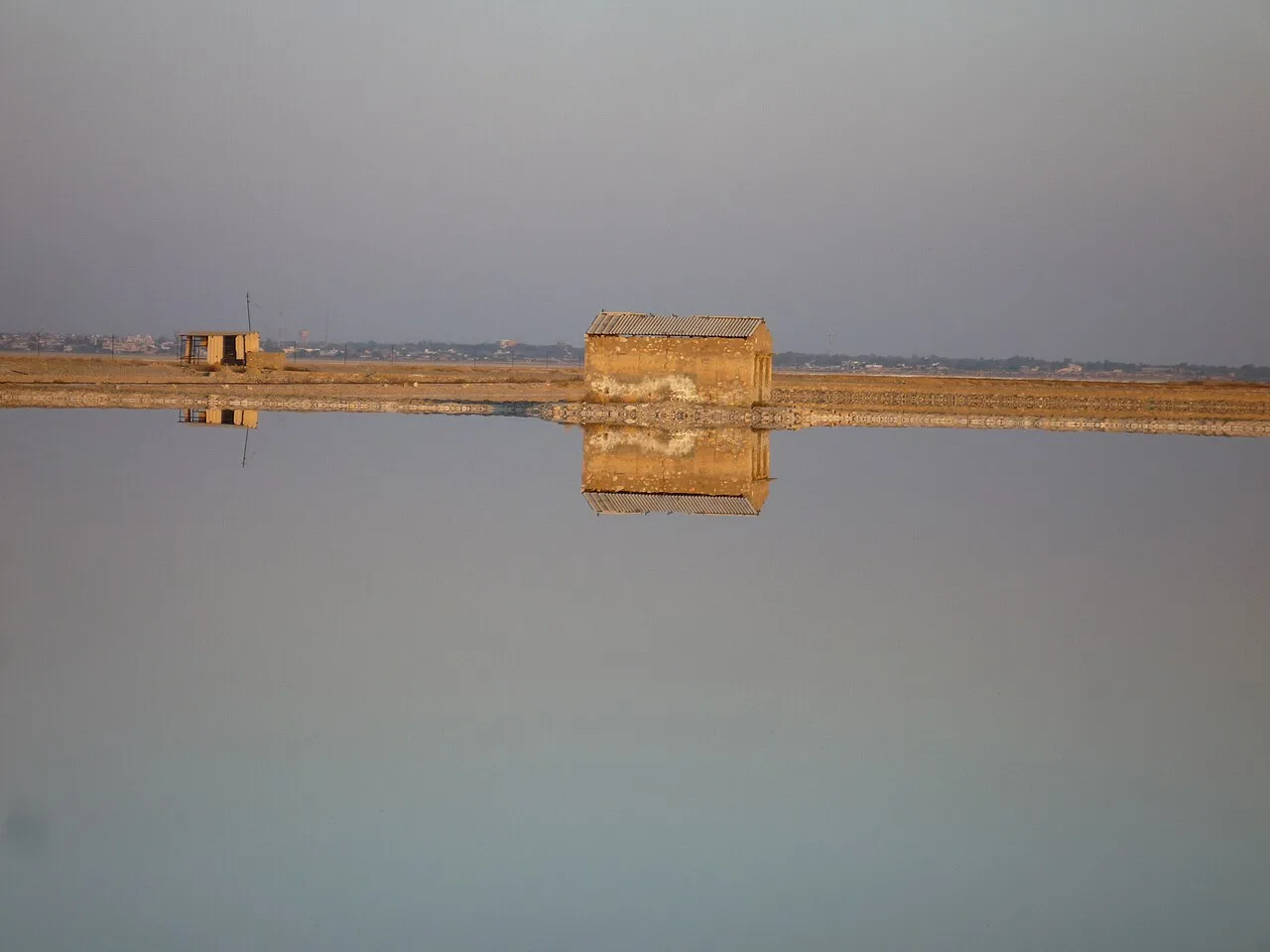
Sambhar Salt Lake is Rajasthan’s largest inland salt lake, in Jaipur district. Visitors come to see the lake and the historic settlement of Sambhar Lake Town, which it surrounds.

Albert Hall Museum

57 km away · Jaipur district

Albert Hall Museum

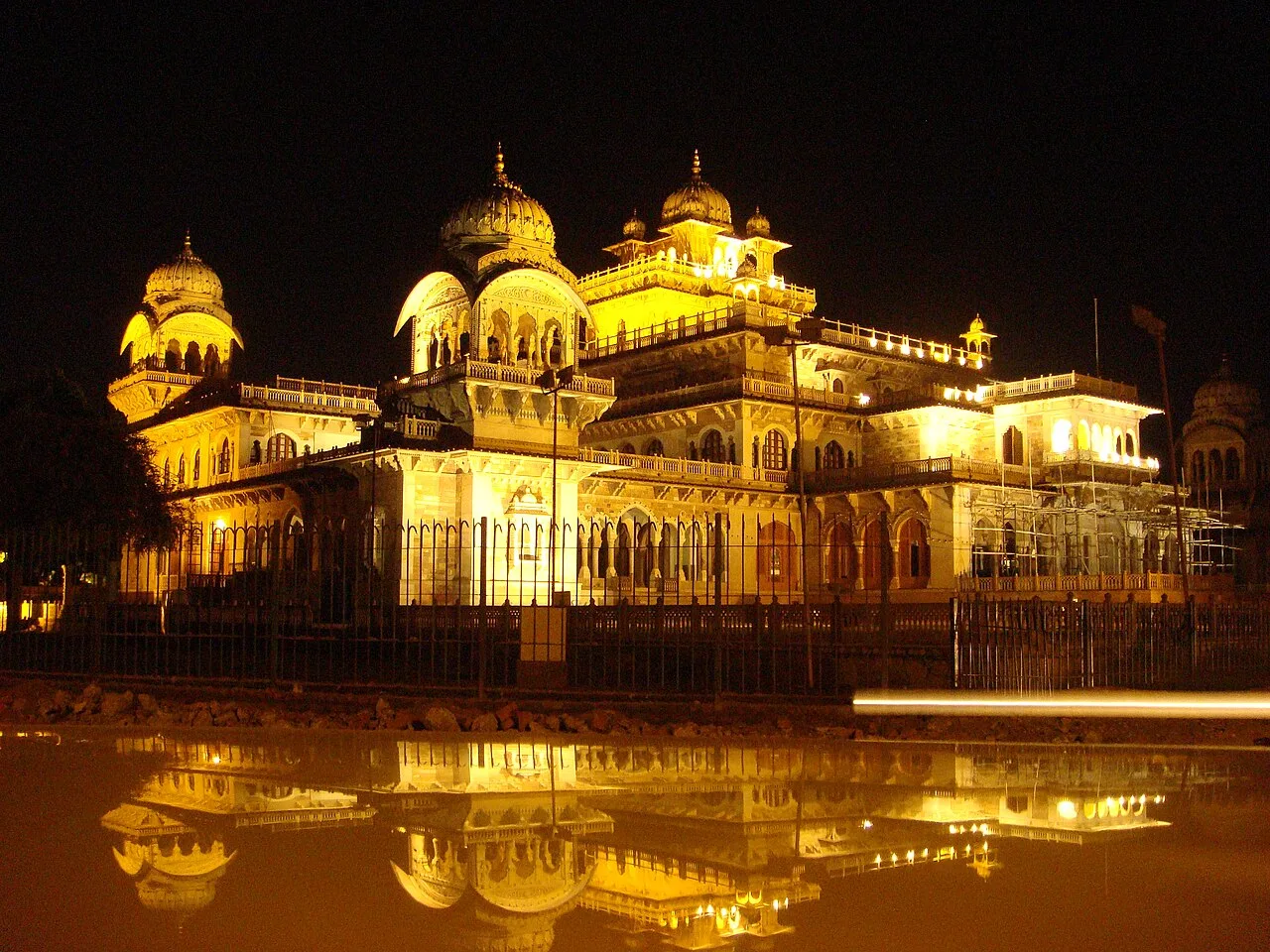
Set in Jaipur’s Ram Niwas Garden, Albert Hall Museum is Rajasthan’s state museum and its oldest museum. Visitors come to explore its varied collections and Indo-Saracenic architecture.

Birla Mandir

57 km away · Jaipur district

Birla Mandir

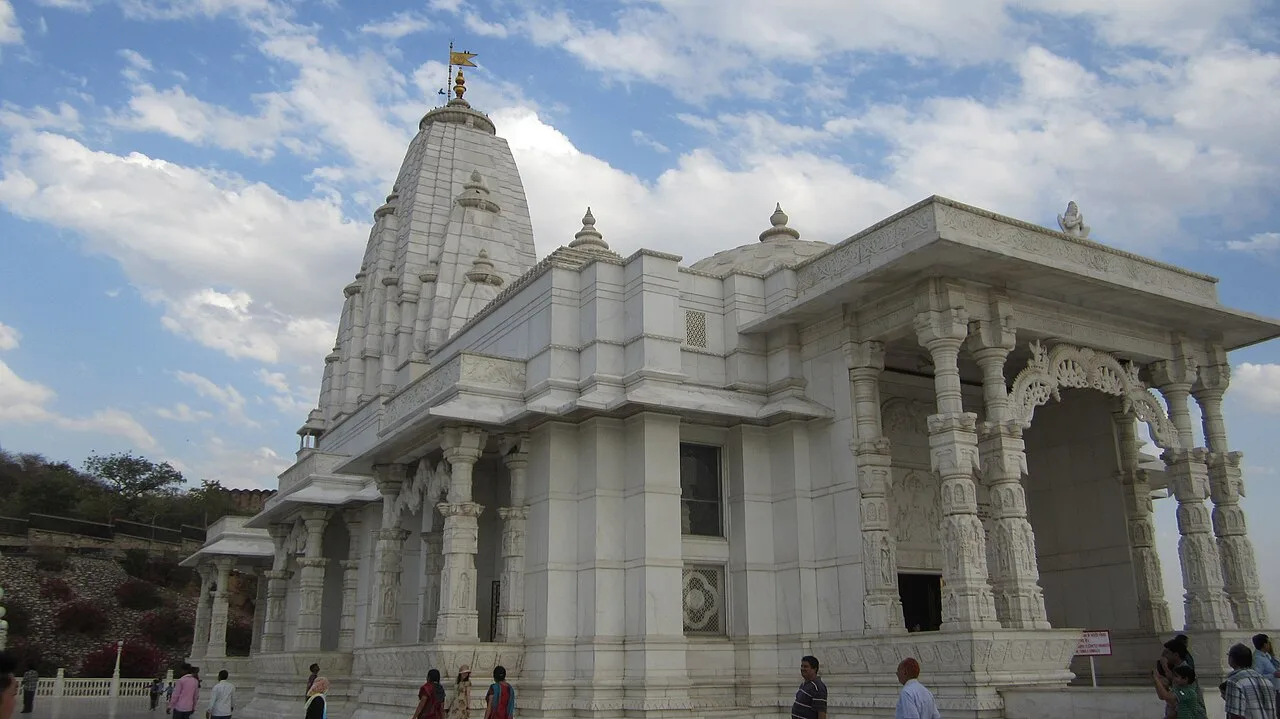
Birla Mandir, also known as Lakshmi Narayan Temple, is a Hindu place of worship in Jaipur, Rajasthan. Visitors come to worship and see its marble shrine and sacred images.

Khatu Shyam Temple

57 km away · Sikar district

Khatu Shyam Temple

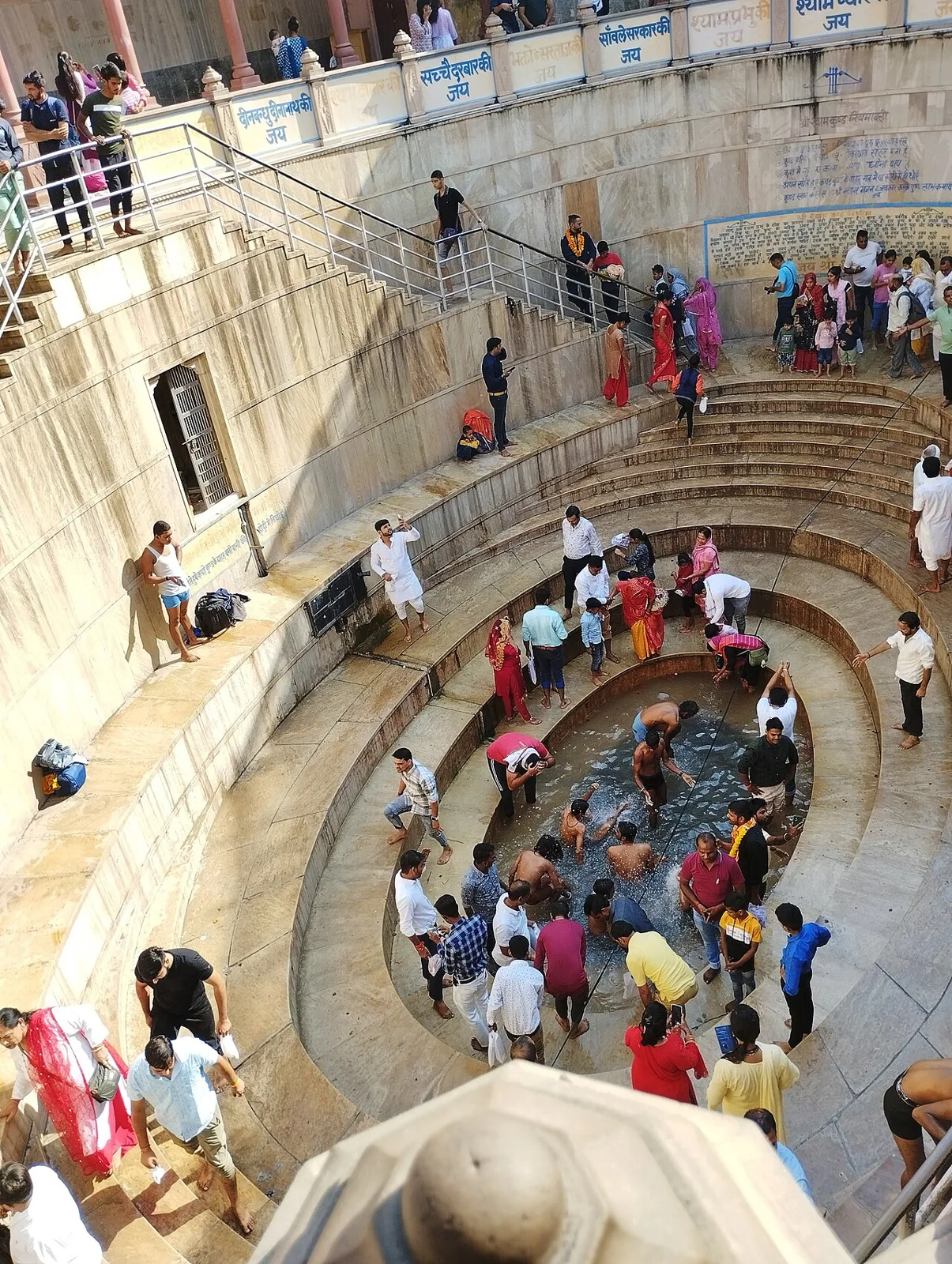
In KhatuShyamJi town, Rajasthan, this Hindu shrine honours Khatu Shyam, believed to be a divine manifestation of Barbareek from the Mahabharat. Pilgrims visit throughout the year, especially for the Falgun Mela.

Nahargarh Fort

57 km away · Jaipur district

Nahargarh Fort

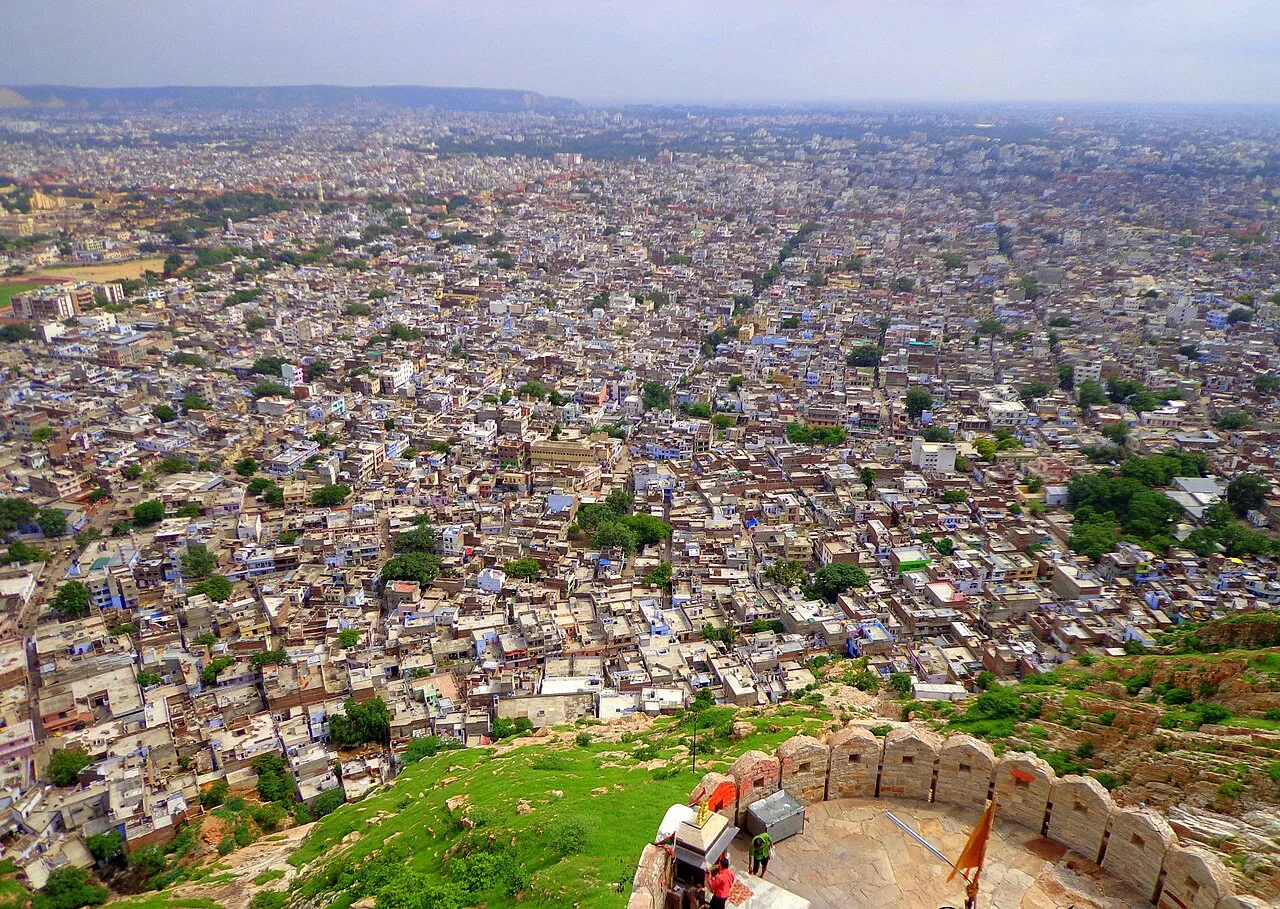
Nahargarh Fort is a historic stronghold in Jaipur, Rajasthan, overlooking the city from the Aravalli range. Visitors come for its elevated outlook and its role in Jaipur’s former defences.

City Palace, Jaipur

58 km away · Jaipur district

City Palace, Jaipur

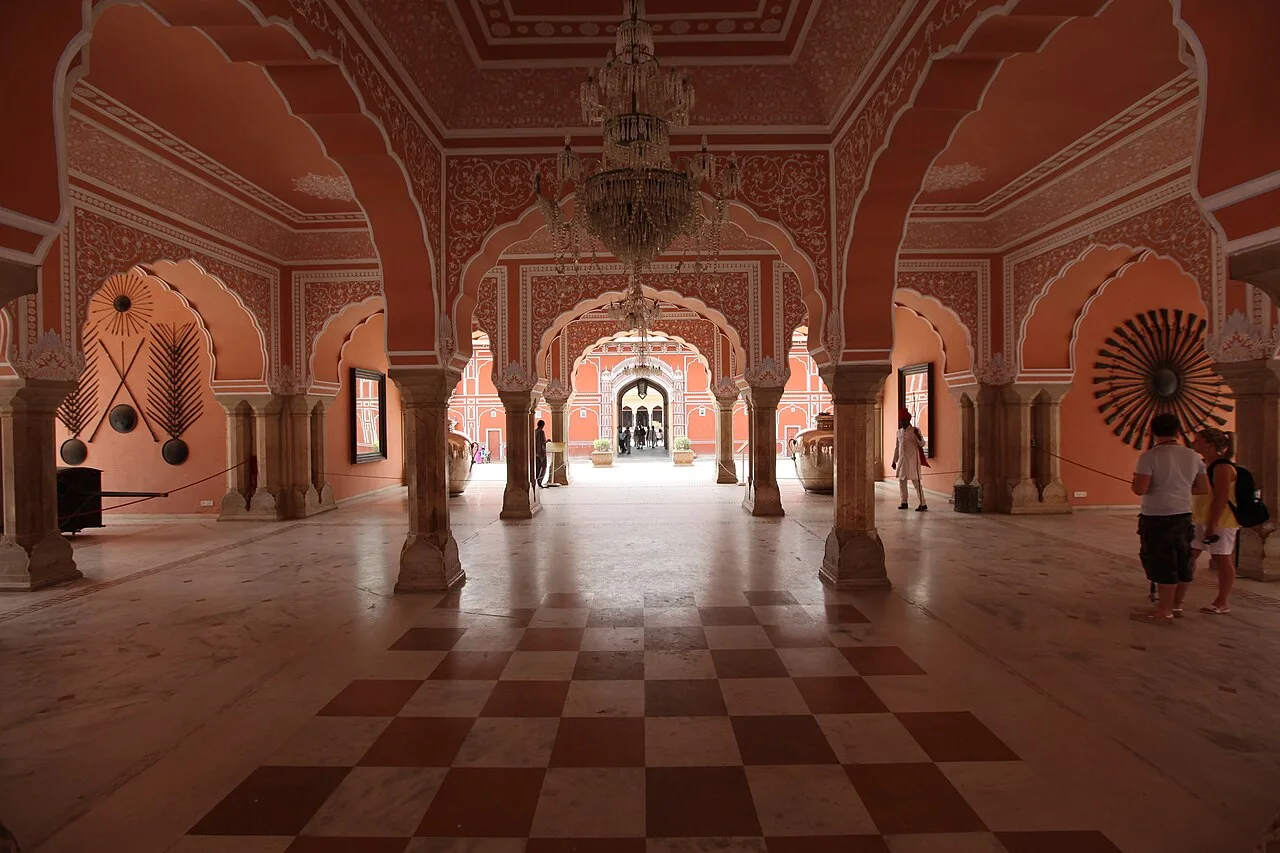
A historic royal complex in Jaipur, the City Palace served the city’s rulers and remains the royal family’s home. Visitors come to see its architecture and explore the museum.

Hawa Mahal

58 km away · Jaipur district

Hawa Mahal

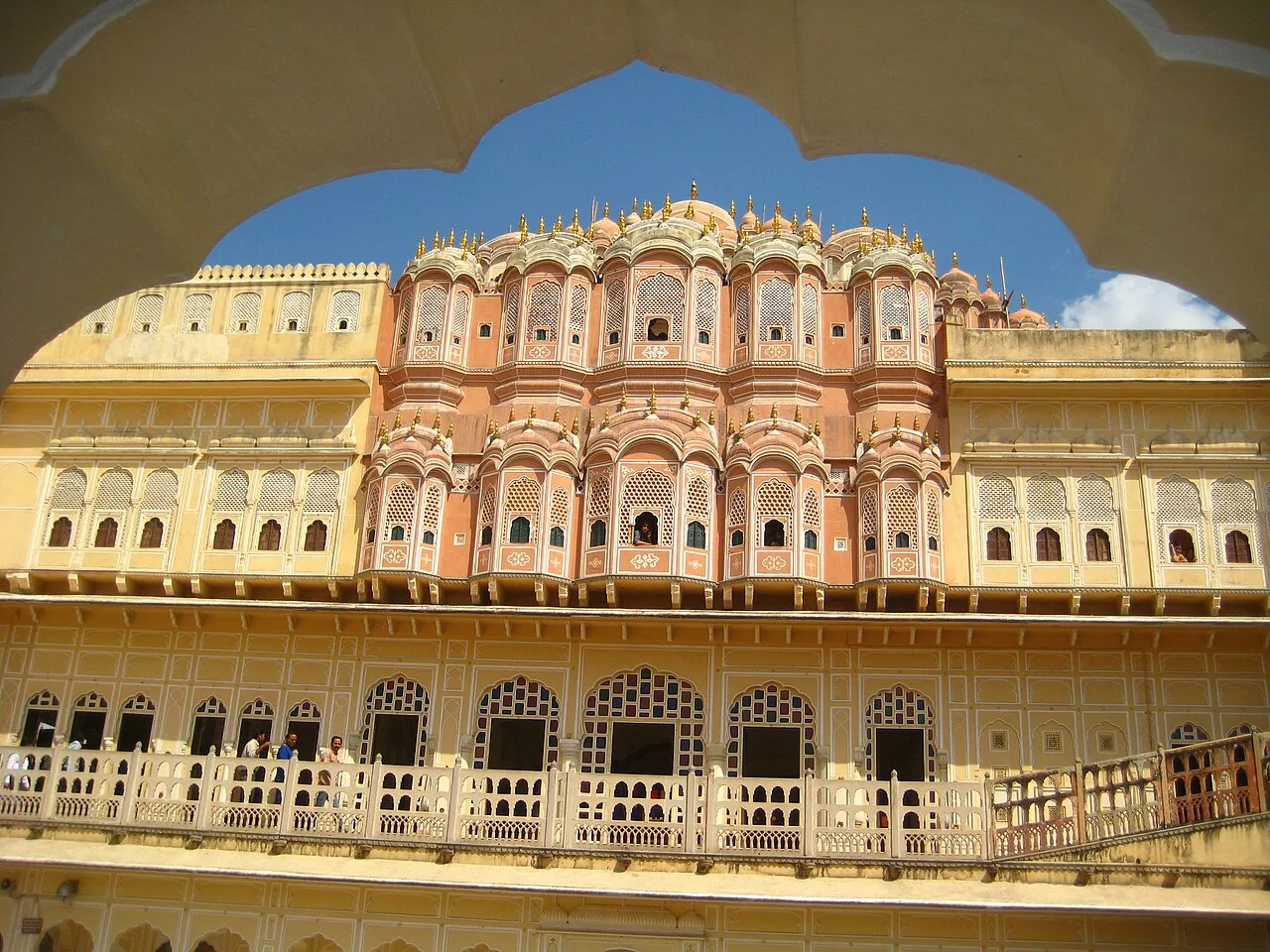
Hawa Mahal is a sandstone palace in Jaipur, recognised for its honeycomb façade and 953 lattice-screened jharokhas. Visitors come to see its distinctive design and learn how its openings provided privacy and ventilation.

Jantar Mantar, Jaipur

58 km away · Jaipur district

Jantar Mantar, Jaipur

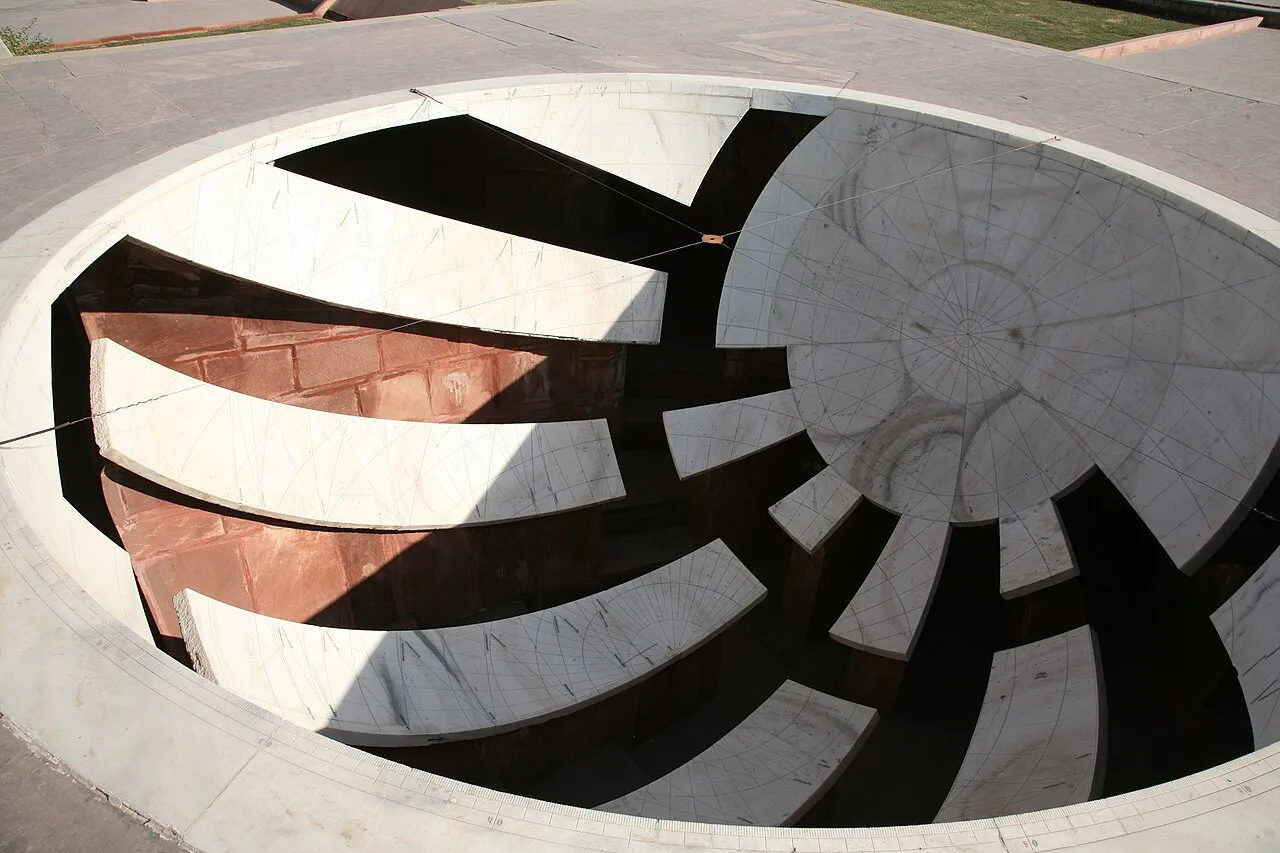
Jantar Mantar is an astronomical observatory in Jaipur, built under Sawai Jai Singh. Visitors come to see its monumental instruments, including a stone sundial, and learn how they were used to observe celestial positions.

Map

Phulera on the map

  1. 1Sambhar Salt Lake
  2. 2Albert Hall Museum
  3. 3Birla Mandir
  4. 4Khatu Shyam Temple
  5. 5Nahargarh Fort
  6. 6City Palace, Jaipur
  7. 7Hawa Mahal
  8. 8Jantar Mantar, Jaipur

Rajasthan

Other cities to explore