
Ghumoopedia — Explore, Discover, Experience
Sign in
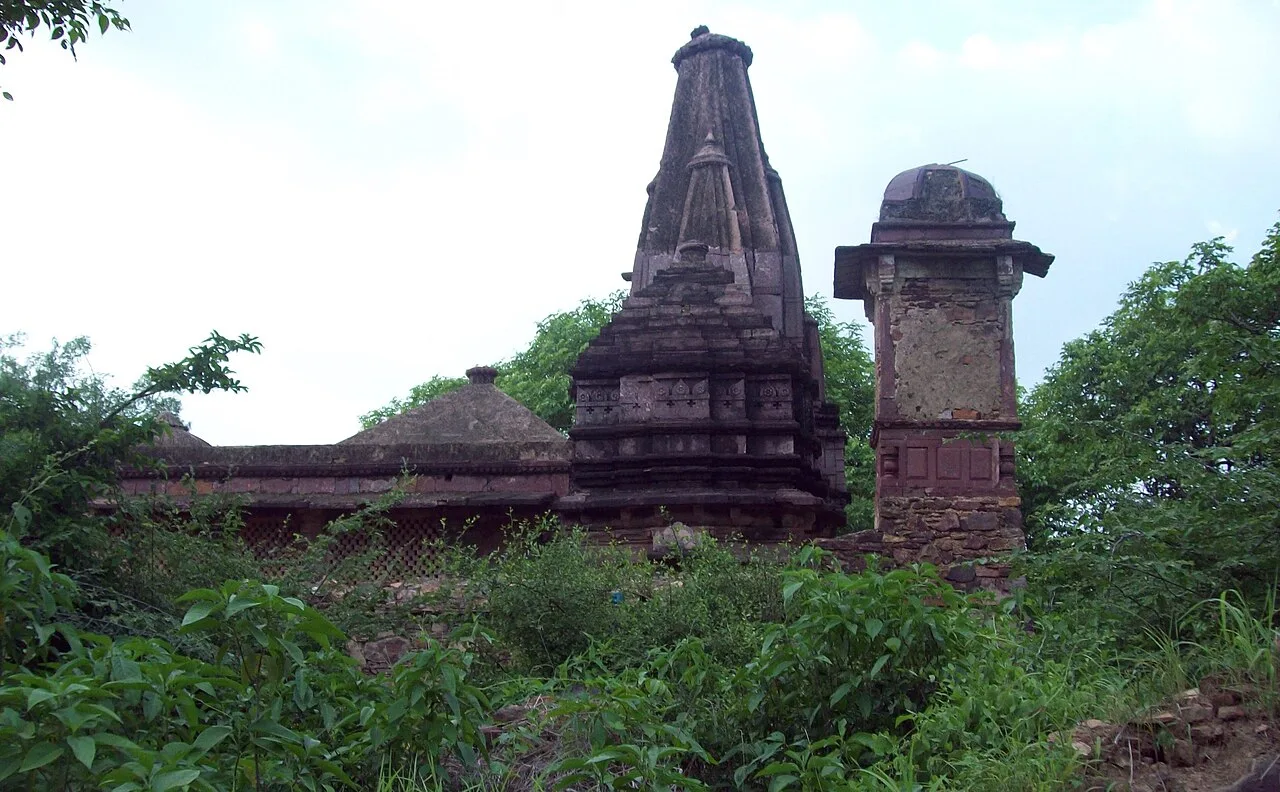
Ranthambore Fort, near Sawai Madhopur

City guide · Rajasthan

Sawai Madhopur

Sawai Madhopur is a district headquarters in southeastern Rajasthan and an important gateway to the forests and heritage sites of the Ranthambore region. Its best-known draw is Ranthambore National Park, about 13 kilometres from the city, where visitors come for wildlife safaris and the chance to see tigers.

Famous for

  • Ranthambore National Park
  • Ranthambore Fort
  • Ranthambore tigers
  • Sawai Madhopur guavas
  • Wooden toys
In the city
1
Nearby
1
District
Sawai Madhopur

Why Sawai Madhopur matters

Sawai Madhopur is a district headquarters in southeastern Rajasthan and an important gateway to the forests and heritage sites of the Ranthambore region. Its best-known draw is Ranthambore National Park, about 13 kilometres from the city, where visitors come for wildlife safaris and the chance to see tigers. Safari access and accommodation make tourism a major part of the local economy.

Close to the park, Ranthambore Fort rises above the surrounding landscape. Its history, temples and reservoirs add a cultural dimension to a visit focused on wildlife; the fort is part of the UNESCO-listed Hill Forts of Rajasthan. The city itself has a planned old quarter founded in the eighteenth century, alongside the railway station and newer areas serving visitors. Agriculture and horticulture remain important too, especially the cultivation of guavas. Together, the city’s role as an administrative centre, its historic setting and its proximity to a major protected landscape make Sawai Madhopur a distinctive base for exploring southeastern Rajasthan.
Famous for: crafts, trade & products

Sawai Madhopur is particularly associated with guava cultivation. Orchards around the city supply fruit to local wholesale and retail markets, and guava-based goods can be found in shops and seasonal stalls. The region is also known for nurseries that raise guava plants. Wooden toys and other handcrafted items are among the locally made products visitors may encounter in the old city and central shopping areas. Small businesses also produce or sell essential oils, perfumes and traditional remedies. These are local trades rather than evidence of a large manufacturing sector.

The city is not especially known as a centre for a particular saree, textile tradition or GI-tagged product, so visitors looking for those specialities may find a wider selection elsewhere in Rajasthan. For souvenirs and everyday goods, browse the markets around the old city and railway station, and ask shops about the origin of handmade items. Guava is most visible when fruit is in season; buying directly from a market stall is a simple way to sample the region’s agricultural produce. Tourism and hospitality, supported by visits to Ranthambore, are among the city’s most prominent commercial activities.

History

The city’s name honours Maharaja Sawai Madho Singh I of Jaipur, who founded Sawai Madhopur as a planned settlement in 1763. Its old walled quarter reflects that planned beginning. The area’s older history is closely tied to Ranthambore Fort, a strategic stronghold associated with the Chauhan rulers. Rao Hammir Dev is remembered for strengthening the fort, which Sultan Alauddin Khilji captured after a siege in 1301. The fort later passed through periods of Rajput and Mughal control.

In the eighteenth century, the fort and surrounding lands came under Jaipur’s rulers. During the colonial era, the region became associated with royal hunting; a lodge built by Maharaja Man Singh II in 1936 survives as a reminder of that period. In modern times, conservation and tourism have reshaped the local economy. Ranthambore’s development as a protected wildlife destination brought visitors and hospitality businesses, while Sawai Madhopur continued to serve as the district’s administrative and transport centre. Agriculture, especially guava cultivation, remains another important part of its development.

Food, festivals & culture

Everyday food in Sawai Madhopur draws on the wider Rajasthani kitchen. Visitors may find dal baati churma, gatte ki sabzi, seasonal dishes made with dried desert beans and berries, and snacks such as kachori in local eateries. Sweets such as ghewar are associated with Rajasthan’s festive food traditions. Guava, fresh from nearby orchards when in season, is a local produce highlight rather than a single signature prepared dish.

Holi in spring and Diwali in autumn are widely celebrated, while Teej brings monsoon-season festivities in Rajasthan. Ganesh Chaturthi is especially relevant to the region because of the Ganesh temple at Ranthambore Fort, which draws devotees. Hindi is widely used, alongside Rajasthani speech and local dialects. Folk music and dance traditions, including forms heard across Rajasthan such as ghoomar, are part of the broader cultural setting. Places of worship include Hindu temples, mosques and Jain shrines; the fort’s temples combine religious significance with the area’s historic character.

Visiting the city

October to April is generally the most comfortable period for exploring the city and visiting Ranthambore. Summer can be very hot, while the monsoon brings rain and may affect access to the national park. Check current park and safari arrangements before travelling, as access is seasonal.

Jaipur International Airport is the nearest major airport. Sawai Madhopur Junction is the city’s main railway station and a convenient arrival point. Auto-rickshaws, taxis and local vehicles can be used around town; arrange transport in advance for park gates and safari transfers. Explore the old walled city for its historic streets and local shops, then visit the station area for services and transport links. The road towards Ranthambore and the nearby visitor accommodation is a practical base for park trips, while the fort offers a separate excursion into the area’s history.

Attractions

Places to visit in Sawai Madhopur

Sights within about 12 km of each other, even when they fall in different districts.

Short trips

Around Sawai Madhopur

Within about 40 km — easy half-day or day trips from the city.

Map

Sawai Madhopur on the map

  1. 1Ranthambore Fort
  2. 2Ranthambore National Park

Rajasthan

Other cities to explore