
Ghumoopedia — Explore, Discover, Experience
Sign in
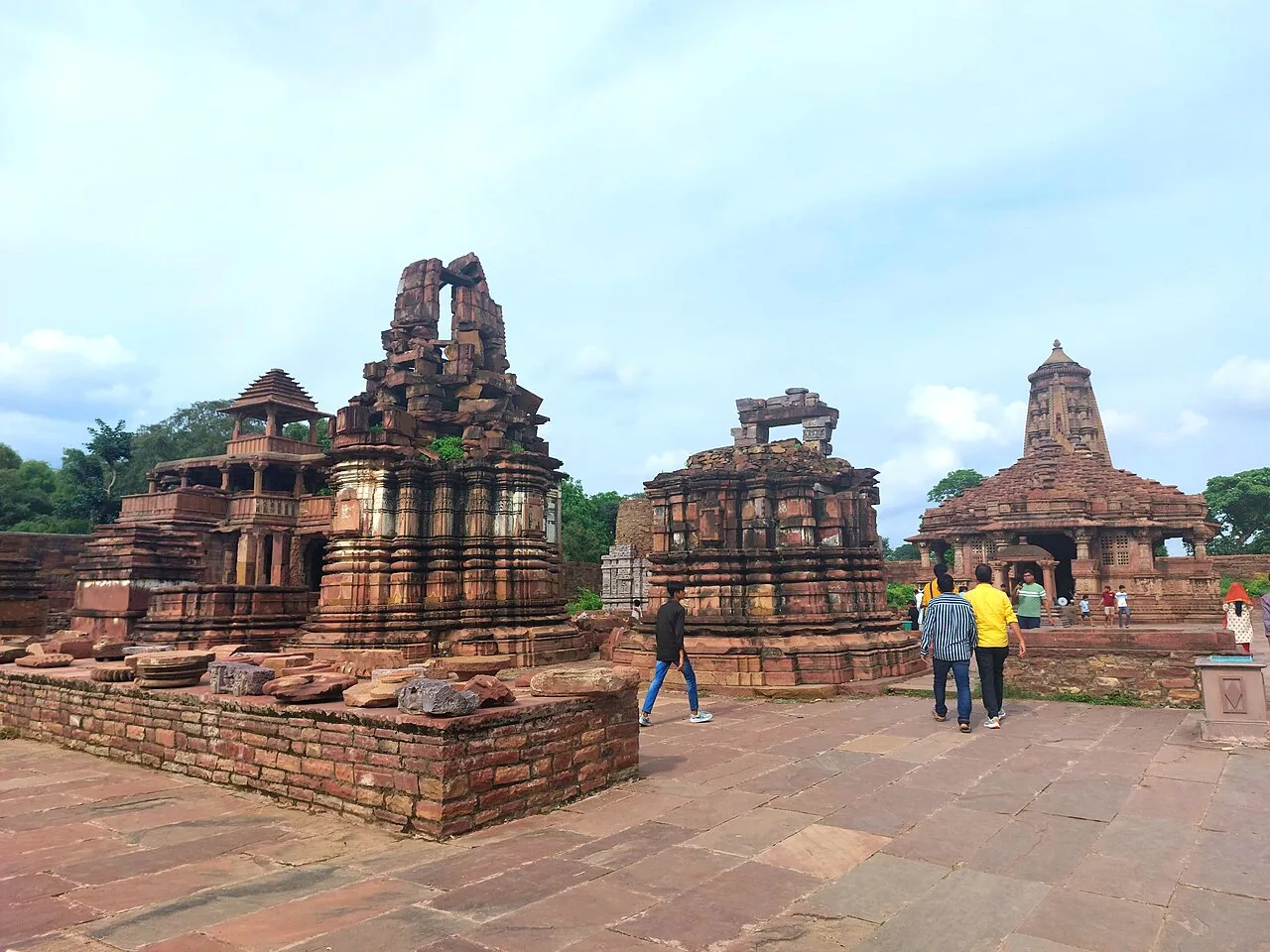
Menal, near Mandalgarh

City guide · Rajasthan

Mandalgarh

Mandalgarh is a municipality and tehsil headquarters in Bhilwara district, in southeastern Rajasthan. Its regional importance comes from its administrative role for nearby settlements and its long association with the hilltop fort that overlooks the town.

Famous for

  • Mandalgarh Fort
  • Jaleshwar Temple
  • Charbhuja worship
  • Mewar-era history
  • Hilltop ramparts
In the city
0
Nearby
1
District
Bhilwara
Plan a trip

Why Mandalgarh matters

Mandalgarh is a municipality and tehsil headquarters in Bhilwara district, in southeastern Rajasthan. Its regional importance comes from its administrative role for nearby settlements and its long association with the hilltop fort that overlooks the town. The fort’s ramparts, gates and temples preserve traces of the changing powers that controlled this part of Mewar, making it the principal draw for visitors interested in Rajasthan’s smaller historic towns.

The town is also a base for exploring the surrounding countryside and nearby places of worship, including the Shiva temple at Vitthalpura. Mandalgarh is not a large resort or a heavily developed tourist centre; its appeal is its quieter, local character and the opportunity to see a historic fort in an everyday town setting. Visitors can combine a walk around the old fort and its religious sites with time in the town’s bazaar. Its location in Bhilwara district also connects it to the wider Mewar region and its historic routes between inland settlements.

Famous for: crafts, trade & products

Mandalgarh is best known for its fort and religious heritage rather than for a distinctive textile, handicraft or packaged food. The hilltop fort, its defensive walls and gates, and the Jaleshwar temple within the fort area are the town’s most recognisable landmarks. Charbhuja worship is also part of the town’s religious identity, while a Shiva temple at nearby Vitthalpura offers another local place to visit.

As a tehsil headquarters, Mandalgarh’s bazaar serves residents of the town and surrounding villages. Visitors will find everyday shops for groceries, clothing and household needs, but there is no widely established specialist craft market or documented GI-tagged product associated specifically with Mandalgarh. Bhilwara district has a broader reputation for textile production; that regional industry should not be confused with a particular textile or saree made in Mandalgarh. For local purchases, browse the central market for routine goods and ask shopkeepers about seasonal produce or locally made items. The fort and temples remain the clearest reasons to seek out the town, rather than shopping for a signature souvenir.

History

Mandalgarh’s fort has been contested for centuries. Mahmud Khilji of Malwa took the place twice in the mid-fifteenth century, after which it passed between the rulers of Mewar and the Mughal emperors. Around 1650, Shah Jahan granted it as a jagir to Raja Roop Singh of Kishangarh, who began building a palace. Rana Raj Singh retook it in 1660. Aurangzeb later captured the palace and, in 1700, transferred it to Jhujar Singh of Pisangan; Rana Amar Singh recovered it in 1706, after which it remained with Mewar’s rulers.

In the eighteenth century, Mehta Agar Chand Bachhawat became the fort’s first kiledar and strengthened its defences. Members of the Bachhawat family continued as kiledars until Indian independence in 1947. During the colonial period, Mandalgarh remained within the princely state of Mewar. Following independence and the integration of princely states, it became part of Rajasthan and developed as a municipal town and tehsil headquarters.

Food, festivals & culture

Food in Mandalgarh reflects the wider cuisine of Rajasthan. Meals commonly draw on grains, pulses and seasonal vegetables; visitors may encounter dal baati churma, gatte ki sabzi and, where available, regional preparations such as ker sangri. Sweets such as ghevar are associated with festive occasions across the state, though menus vary between local homes and eateries.

Hindi is widely understood, alongside local Rajasthani speech, including Mewari-influenced forms. Religious life centres on temples and household observances. Diwali and Holi are celebrated in autumn and spring respectively; Gangaur is associated with spring, while Teej is observed during the monsoon season. Navratri brings devotional worship and, in some settings, folk performance. Bhajans and regional folk music are part of community and temple occasions. The Jaleshwar temple in the fort, the Charbhuja place of worship, and the Shiva temple at Vitthalpura are among the sites that give the town’s cultural life a strong devotional dimension.

Visiting the city

The cooler months, generally October to March, are the most comfortable time to explore Mandalgarh’s fort and town. Summers can be very hot, while monsoon weather may affect outdoor plans. The nearest airport with regular commercial services is Maharana Pratap Airport at Udaipur; onward travel is by road. Mandalgarh Railway Station is the town’s main rail stop.

Within town, local auto-rickshaws and taxis can help with short journeys; confirm availability locally, especially for trips beyond the centre. Set aside time for the fort and its temples, then explore the central bazaar for a sense of everyday town life. Vitthalpura, with its Shiva temple, is another area to consider if arranging local transport. The fort involves walking on uneven surfaces, so sturdy footwear is useful.

Short trips

Around Mandalgarh

Within about 40 km — easy half-day or day trips from the city.

Map

Mandalgarh on the map

  1. 1Menal

Rajasthan

Other cities to explore