
Ghumoopedia — Explore, Discover, Experience
Sign in
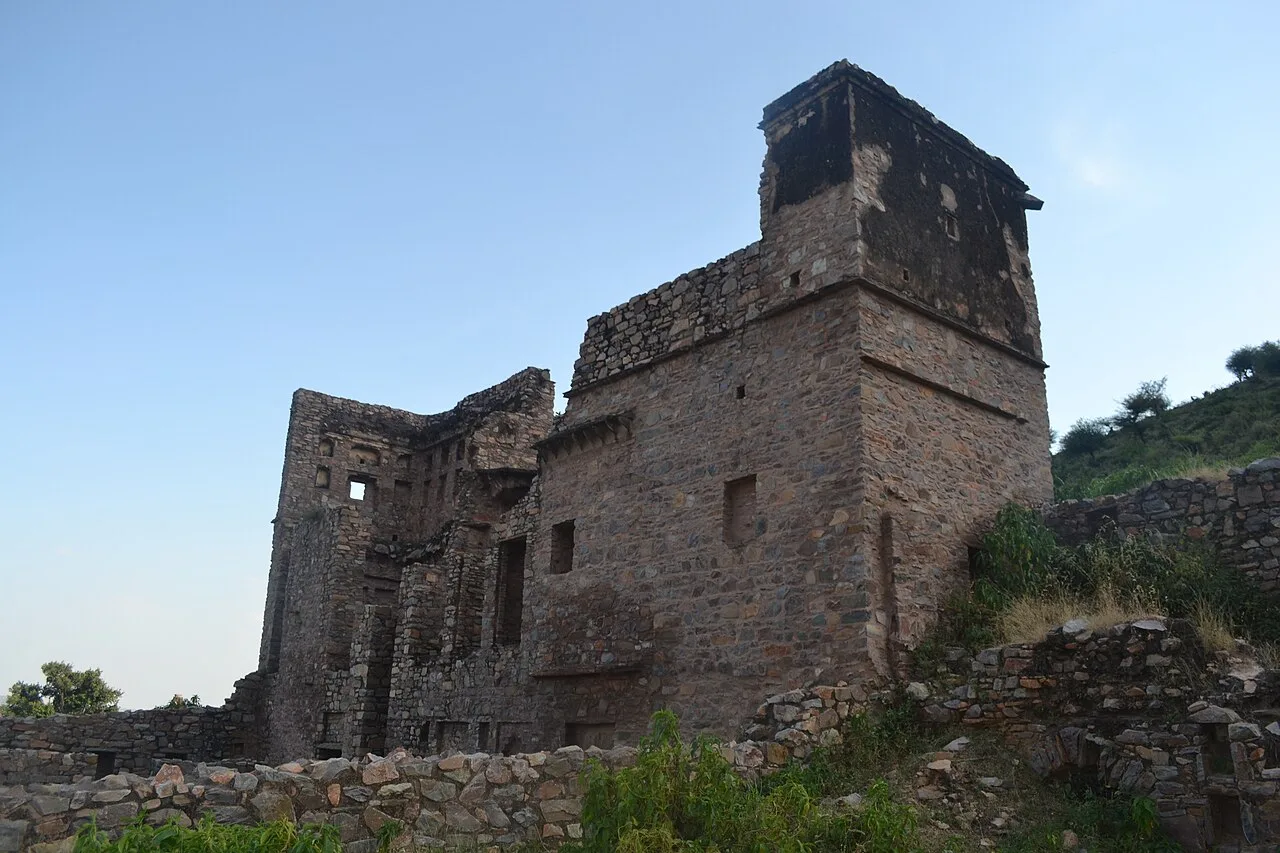
Bhangarh Fort, near Dausa

City guide · Rajasthan

Dausa

Dausa is the administrative headquarters of Dausa district and an important town in eastern Rajasthan. Set in the historic Dhundhar region, it was an early centre of Kachhwaha power and is often described as Dhundhar’s first capital.

Famous for

  • Dhundhar's early capital
  • Mehandipur Balaji pilgrimage
  • Abhaneri stepwell excursions
  • Harshat Mata Temple
  • Jaipur–Agra highway stop
In the city
0
Nearby
1
District
Alwar
Plan a trip

Why Dausa matters

Dausa is the administrative headquarters of Dausa district and an important town in eastern Rajasthan. Set in the historic Dhundhar region, it was an early centre of Kachhwaha power and is often described as Dhundhar’s first capital. Today, its location on the Jaipur–Agra highway and its railway connections make it a useful stop between Jaipur and eastern Rajasthan.

Visitors use Dausa as a base for exploring landmarks in the wider district, notably Chand Baori and the Harshat Mata Temple at Abhaneri, as well as the pilgrimage centre of Mehandipur Balaji. These sites are outside Dausa city, so journeys require local transport. The town itself offers a glimpse of everyday life in Rajasthan’s market streets and places of worship. Dausa is also associated with poet-saint Sunderdas and with political figures who contributed to Rajasthan’s public life after independence. Its appeal lies less in a large urban attraction than in its regional history, religious journeys and access to nearby heritage sites.

Famous for: crafts, trade & products

Dausa is not especially known as a major textile, handicraft or industrial centre, and no particular GI-tagged product is strongly associated with the city. Its shops mainly serve local needs, with everyday clothing, household goods, snacks and seasonal wares available around the central bazaar and older market streets. Visitors looking for a distinctive craft or branded regional product should not assume that Dausa has a specialist market for one.

The town’s better-known cultural links are historical and architectural rather than commercial. Sunderdas, a prominent Nirgun poet-saint, was born here; his writings include Gyan Sundaram and Sunder Vilas. Nearby Abhaneri is renowned for its stepwell architecture, especially Chand Baori, but it is a heritage destination rather than a Dausa city craft market. For locally made goods or regional foods, browse the central markets and ask shopkeepers about seasonal specialties. Rajasthan-wide items such as textiles, embroidered goods and sweets may be found, but availability varies and they should not be treated as uniquely Dausa products.

History

Dausa lies in Dhundhar, a historic region of eastern Rajasthan, and is regarded as one of its earliest political centres. Chauhan Rajputs governed the area before Kachhwaha ruler Sodh Dev took control around the turn of the 11th century. His son, Dulha Rai, ruled Dhundhar from Dausa before moving his seat to Khoh in 1028. The town later formed part of the princely state of Jaipur, ruled by the Kachhwaha dynasty, and remained within that state until India became independent in 1947.

In modern Rajasthan, Dausa developed as a district headquarters and a centre for administration, transport and local trade. Its links to the state’s political history include Tikaram Paliwal, elected chief minister in 1952, and Ram Karan Joshi, who introduced Rajasthan’s first Panchayati Raj Bill in the Legislative Assembly that year. Dausa is also remembered as the birthplace of Sunderdas, whose devotional writing made him an influential Nirgun poet-saint.

Food, festivals & culture

Hindi is widely used in Dausa, alongside local Rajasthani speech, including Dhundhari. Everyday meals draw on regional staples: bajra roti, dal, gatte ki sabzi and, in season, dishes made with ker sangri. Kachori and other savoury snacks are common market foods, while sweets such as ghevar are associated with festive occasions across Rajasthan; availability and recipes vary between households and shops.

Holi, usually in February or March, and Diwali, generally in October or November, are widely observed. Gangaur, held in spring, and Teej, during the monsoon season, bring women’s rituals, decorated images and local celebrations. Navratri is also marked at temples and homes. Devotional music and bhajans are part of worship, while folk forms such as Ghoomar belong to the wider regional cultural tradition. Places of worship in and around the town serve local communities and visitors; Mehandipur Balaji and the temples at Abhaneri are notable religious destinations in the district, not within Dausa city itself.

Visiting the city

The cooler months, from October to March, are generally the most comfortable for exploring Dausa and its nearby heritage sites. Summers can be very hot, while monsoon rains may affect road journeys. The nearest major airport is Jaipur International Airport. Dausa has its own railway station, Dausa railway station, and lies on the Jaipur–Agra road corridor.

Auto-rickshaws, local buses and hired cars can help with journeys within town and to sites outside it; arrange suitable transport for Abhaneri or Mehandipur Balaji. In the city, explore the central bazaar and older town streets for everyday shops and local life. The railway-station area is practical for onward travel. Allow extra time for nearby attractions, since they are separate from the urban centre rather than walkable city sights.

Short trips

Around Dausa

Within about 40 km — easy half-day or day trips from the city.

Map

Dausa on the map

  1. 1Bhangarh Fort

Rajasthan

Other cities to explore