
Ghumoopedia — Explore, Discover, Experience
Sign in
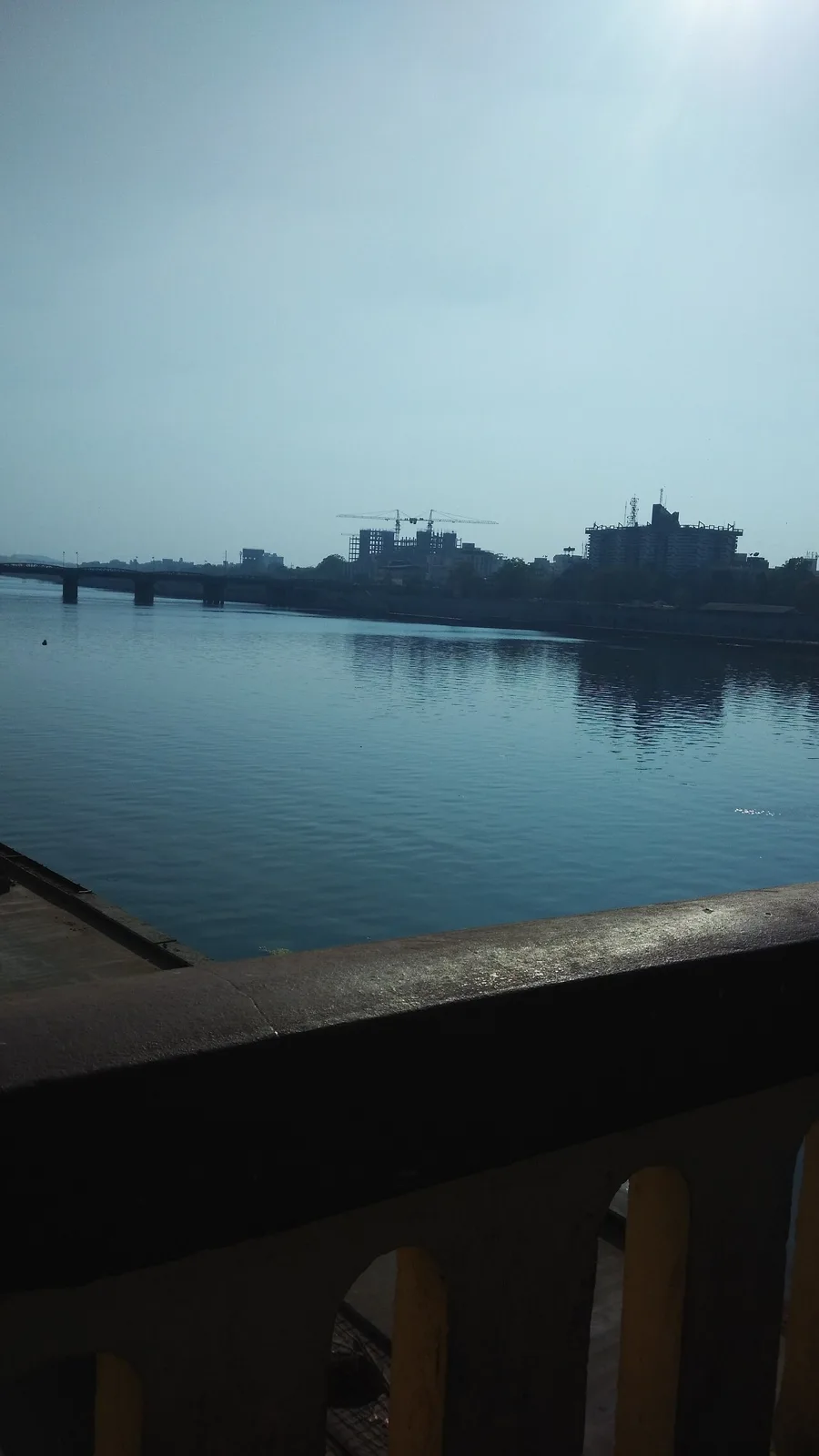
Dhebar Lake, near Salumbar

City guide · Rajasthan

Salumbar

Salumbar is a district headquarters in southern Rajasthan and a service and trading centre for the surrounding villages. Its regional identity is closely connected with Mewar, while its setting among the Aravalli hills gives the town and nearby countryside a distinctive landscape.

Famous for

  • Hadi Rani Mahal
  • Sonar Mata Temple
  • Jaisamand Lake
  • Gold and silver jewellery
  • Mewar heritage
In the city
0
Nearby
1
District
Udaipur
Plan a trip

Why Salumbar matters

Salumbar is a district headquarters in southern Rajasthan and a service and trading centre for the surrounding villages. Its regional identity is closely connected with Mewar, while its setting among the Aravalli hills gives the town and nearby countryside a distinctive landscape. Visitors come for historic buildings, temples and the area’s religious life, as well as for excursions to lakes and hills beyond the town.

Among the local sights are Hadi Rani Mahal beside Sering pond and Sonar Mata Temple, set on a hill with views across the city and its surroundings. About 18 kilometres away, Jaisamand Lake offers a striking expanse of water framed by hills; nearby attractions include Ruthi Rani Mahal and Jaisamand Wildlife Sanctuary. Salumbar is also an active market town, particularly known locally for gold and silver jewellery. Hindu, Jain, Bohra and Muslim communities contribute to its varied places of worship and everyday cultural life, making it both a practical regional centre and a rewarding base for exploring this part of Mewar.

Famous for: crafts, trade & products

Salumbar’s best-known commercial association is jewellery. Gold and silver ornaments are sold in the town’s local market, which serves residents as well as people from nearby villages. For visitors, the market is a good place to browse traditional designs and observe the town’s role as a regional trading hub; ask locally for current shop locations and customary purchasing practices.

The city is not especially identified with a particular textile tradition or a widely recognised GI-tagged product. Its appeal instead lies in local commerce, Mewar heritage and access to nearby landmarks. The old town and central shopping streets are the most practical areas to look for everyday goods, jewellery and small businesses. Religious visits also form part of the local experience: temples, Jain places of worship and mosques reflect the communities that live here. Hadi Rani Mahal and the historic sites around Jaisamand are important heritage attractions, rather than shopping destinations. Visitors seeking specialist crafts or a broader range of regional products may find more choice in larger cities such as Udaipur.

History

Salumbar’s historical setting is part of the wider story of Mewar, the historic region of southern Rajasthan. Local heritage is visible in sites such as Hadi Rani Mahal, associated with the town, and Ruthi Rani Mahal near Jaisamand Lake. These buildings and the surrounding landscape provide a sense of the area’s ties to Mewar’s princely past, though individual monuments should be understood within that broader regional context.

During the colonial era, Salumbar lay within princely Mewar rather than in a directly administered British province. After independence, the region became part of Rajasthan. In modern times, Salumbar has developed as an administrative centre and a trading hub for surrounding settlements. Its markets, religious institutions and road connections serve a broad rural hinterland. The nearby lake, historic structures and places of worship remain important to local identity, while the town’s district role has strengthened its present-day civic and commercial importance.

Food, festivals & culture

Everyday food in Salumbar draws on the wider cuisine of Rajasthan. Visitors may find dishes such as dal baati churma, gatte ki sabzi and seasonal preparations using local ingredients, though menus vary between homes and eateries. Tea and sweets are common parts of market and social life; particular specialties can differ from one shop to another.

Hindi and Mewari are commonly used in daily life, alongside other languages spoken among the town’s communities. Hindu festivals such as Holi, Diwali and Navratri are observed through the year, while Teej is associated with the monsoon season. Jain observances, including Paryushan, and Muslim festivals such as Eid also form part of the local calendar. Devotional singing and regional Rajasthani folk traditions are heard at community and religious gatherings. Temples including Sonar Mata, Bada Ganpati and Jageshwar, numerous Jain temples, and mosques serving Bohra and Muslim communities are important places of worship and community life.

Visiting the city

The cooler months, roughly October to March, are generally the most comfortable time to visit. Salumbar is reached by road; the nearest major airport is Maharana Pratap Airport near Udaipur, and Udaipur City is the main railway station commonly used for rail access. From either, continue by road to Salumbar.

Auto-rickshaws and local taxis are useful for getting around town, while a hired vehicle is convenient for visiting sites outside it. Explore the central market and older parts of town, then visit Hadi Rani Mahal, Sering pond and Sonar Mata Temple. Jaisamand Lake, Ruthi Rani Mahal and the wildlife sanctuary make good regional excursions. Check local conditions before setting out, especially for visits involving hills or wildlife areas.

Short trips

Around Salumbar

Within about 40 km — easy half-day or day trips from the city.

Map

Salumbar on the map

  1. 1Dhebar Lake

Rajasthan

Other cities to explore