
Ghumoopedia — Explore, Discover, Experience
Sign in
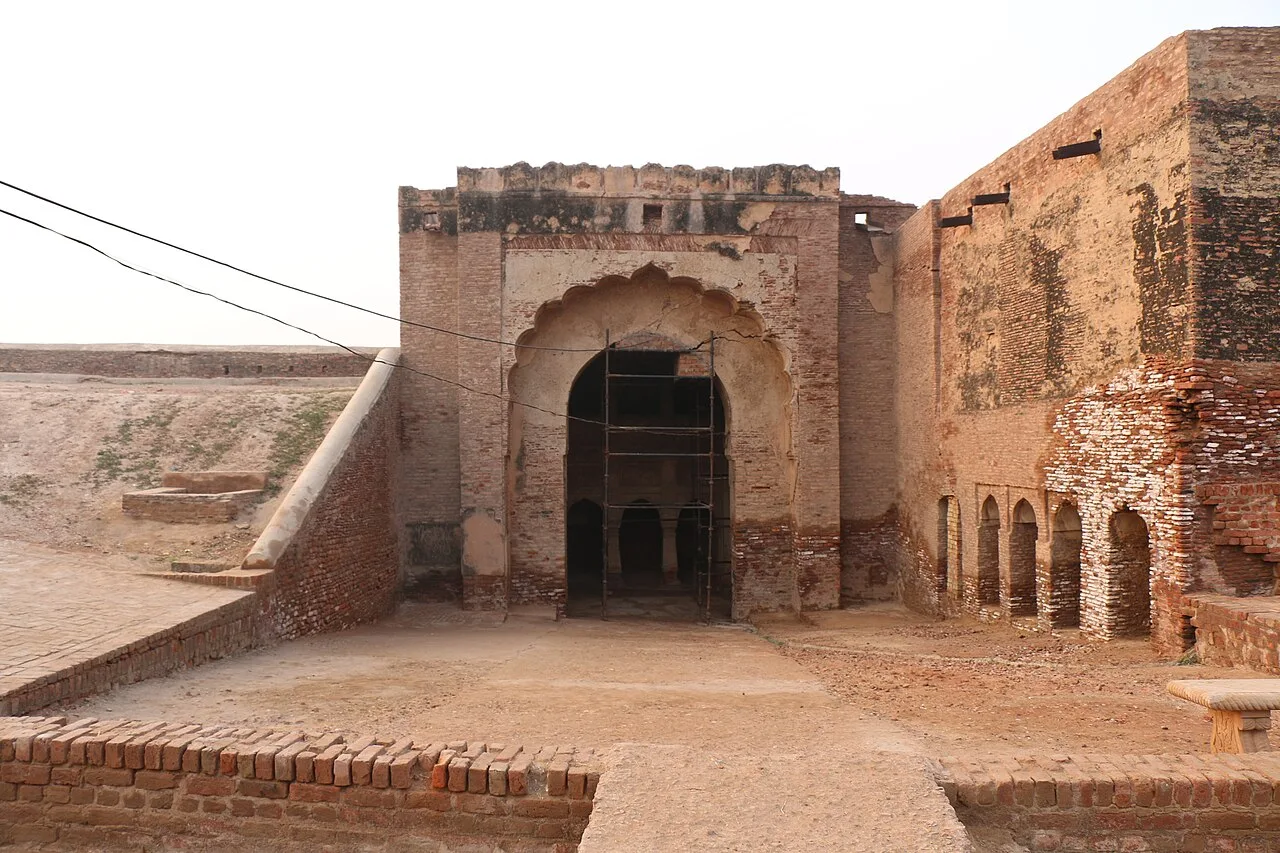
Bhatner fort, near Hanumangarh

City guide · Rajasthan

Hanumangarh

Hanumangarh is a district headquarters in northern Rajasthan, set beside the Ghaggar River near the state’s border with Punjab. Its location makes it a service and trading centre for surrounding farming communities, while road and rail links connect it with other towns in Rajasthan and neighbouring states.

Famous for

  • Bhatner Fort
  • Kalibangan archaeological site
  • Bhadrakali Temple
  • Ghaggar river landscape
  • Agricultural trade
In the city
1
District
Hanumangarh

Why Hanumangarh matters

Hanumangarh is a district headquarters in northern Rajasthan, set beside the Ghaggar River near the state’s border with Punjab. Its location makes it a service and trading centre for surrounding farming communities, while road and rail links connect it with other towns in Rajasthan and neighbouring states. Irrigation has helped shape the region’s agricultural economy, and local markets reflect that role.

Visitors come for Bhatner Fort, a prominent landmark in the old town, and for Bhadrakali Temple, a place of worship near the river. The wider district is also important to the study of the Indus Valley Civilisation: Kalibangan and other archaeological sites preserve evidence of ancient settlement along the Ghaggar-Hakra palaeochannel. Hanumangarh is therefore a useful base for exploring both a historic fort town and a landscape with a long archaeological record. Its appeal lies less in a single modern attraction than in the meeting of regional history, religious life and agricultural trade.

Famous for: crafts, trade & products

Hanumangarh is better known for farming and regional commerce than for a signature textile, handicraft or GI-tagged product. The surrounding district grows crops such as wheat, cotton, mustard and guar, supported in part by irrigation. These crops supply local trade and processing, including cotton ginning and oilseed-related activity. Shops and traders serving residents and nearby villages are concentrated around the old town and the railway-junction area.

Visitors looking for everyday goods can browse the central bazaars for clothing, household items, sweets and locally used agricultural supplies. Traditional Rajasthani crafts and textiles may be sold by general retailers, but Hanumangarh is not especially established as a specialist craft-shopping destination; for a wider selection, larger regional cities offer more choice. The city’s most distinctive heritage attractions are Bhatner Fort and the nearby archaeological landscape of Kalibangan rather than a dedicated craft market. Kalibangan’s finds are represented in its local museum, while some artefacts from the area are held in major museums elsewhere.

History

The city was once known as Bhatner, a name associated with the Bhati Rajputs. Local historical tradition attributes the fort’s founding to Bhupat in the third century CE. Bhatner Fort became a strategic stronghold on routes across the northwestern region. In 1398, Timur’s invasion brought a siege and the capture of the fort, which later passed through the hands of regional rulers, including the Rathores of Bikaner.

Maharaja Surat Singh of Bikaner took Bhatner on a Tuesday and renamed it Hanumangarh, linking the new name to Hanuman. The fort remains a reminder of the town’s premodern political importance. The surrounding district has an older history still: excavations at Kalibangan and other sites have revealed settlements associated with the Indus Valley Civilisation. In more recent times, irrigation and improved transport strengthened farming and trade across the region. Hanumangarh developed as the district’s administrative centre, serving nearby settlements as well as its own growing urban area.

Food, festivals & culture

Food in Hanumangarh draws on Rajasthani and Punjabi influences. Everyday meals may include roti, lentils, seasonal vegetables and dairy; dishes familiar across Rajasthan, such as dal baati churma, gatte and ker sangri, are also found in the region. Sweets and snacks are sold in local bazaars, though no single sweet is uniquely identified with the city. Hindi is widely used, alongside regional Rajasthani speech, including Bagri, and Punjabi is also heard.

Hindu festivals such as Diwali, Holi, Teej, Gangaur and Hanuman Jayanti are observed, with seasonal fairs and temple gatherings adding to local celebrations. Bhadrakali Temple, near the Ghaggar, is an important place of worship, while Hanuman shrines and other temples serve neighbourhood communities. Regional folk traditions include devotional singing and Rajasthani music and dance; performances are especially associated with festivals and community events. The city’s culture reflects its position at a meeting point of Rajasthan’s desert-border traditions and the more agrarian customs of neighbouring Punjab.

Visiting the city

The cooler months, roughly October to March, are generally the most comfortable time to visit; summers can be very hot. Hanumangarh Junction is the main railway station. The nearest airport is Bathinda Airport (Bhisiana), but civilian flight availability can be limited, so check current services before planning; Jaipur or Delhi may be more practical for some routes.

Auto-rickshaws, taxis and local buses help visitors get around town. Explore the old-town area for Bhatner Fort and nearby bazaars, then visit Bhadrakali Temple outside the central area. Kalibangan, with its archaeological remains and museum, makes a worthwhile excursion in the wider district. Allow time for road travel beyond the city centre, and confirm local transport options for outlying sites.

Attractions

Places to visit in Hanumangarh

Sights within about 12 km of each other, even when they fall in different districts.

Map

Hanumangarh on the map

  1. 1Bhatner fort

Rajasthan

Other cities to explore