
Ghumoopedia — Explore, Discover, Experience
Sign in
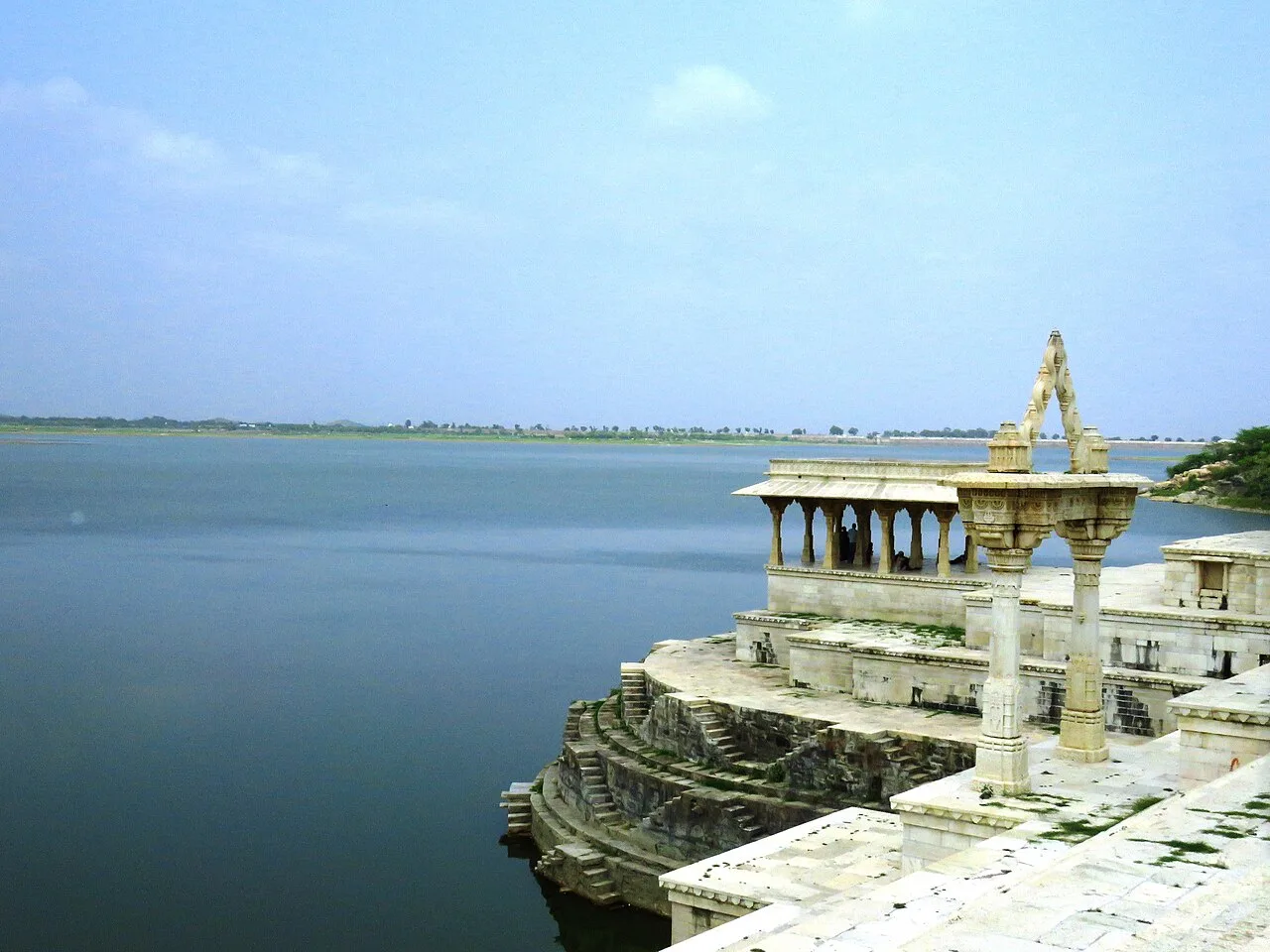
Rajsamand Lake, near Rajsamand

City guide · Rajasthan

Rajsamand

Rajsamand is the administrative centre of its district in southern Rajasthan, about 62 km north of Udaipur. The municipality brings together two historic settlements: Rajnagar on the northern side of Rajsamand Lake and Kankroli on the southern side.

Famous for

  • Rajsamand Lake
  • Dwarkadhish Temple
  • Marble and stone trade
  • Rajnagar and Kankroli
  • Mewar heritage
In the city
1
District
Rajsamand

Why Rajsamand matters

Rajsamand is the administrative centre of its district in southern Rajasthan, about 62 km north of Udaipur. The municipality brings together two historic settlements: Rajnagar on the northern side of Rajsamand Lake and Kankroli on the southern side. The lake, built in the 17th century, remains the city’s defining landmark and a striking setting against the Aravalli landscape.

Visitors come for the lake’s long embankment and historic pavilions, Rajnagar’s royal associations, and Kankroli’s Dwarkadhish Temple, an important centre of Pushtimarg worship. Rajsamand is also a useful base for exploring the wider district, including the marble-producing belt and nearby Mewar destinations. Today, government offices, local commerce and the marble trade give the city a role beyond tourism. Its appeal lies in this blend of pilgrimage, regional history and everyday market-town life, with the lake linking the two halves of the urban area.

Famous for: crafts, trade & products

Rajsamand is better known for marble and stone than for a signature textile or handicraft tradition. Marble quarrying and processing are important across the district, and the trade shapes business in and around the city. Visitors interested in stone can look for marble showrooms and building-material dealers in the Rajnagar–Kankroli urban area; larger yards and processing units are generally found along the district’s road corridors. Ask locally about visiting working sites, as access and safety rules vary.

The city’s most distinctive heritage is architectural rather than a specific retail craft: Rajsamand Lake’s embankment and pavilions, Rajnagar’s historic setting, and the Dwarkadhish Temple at Kankroli. Temple-area shops serve pilgrims with devotional items and offerings. Everyday bazaars in both Rajnagar and Kankroli are the places to browse for household goods, snacks and locally used products. No particular GI-tagged textile or craft is strongly identified with Rajsamand city itself; travellers seeking celebrated Pichwai painting and related crafts can consider nearby Nathdwara. The region’s marble trade and its lake-and-temple heritage are the clearest local markers.

History

Rajsamand grew from two neighbouring settlements rather than a single old town. Between 1662 and 1676, Maharana Raj Singh I of Mewar dammed the Gomti River to create Rajsamand Lake, a project associated with famine relief. Rajnagar developed on the northern bank, with the hill palace known as Rajmandir. On the southern side, Kankroli became a Pushtimarg pilgrimage centre. The deity of Dwarkadhish was brought from Mathura to the area in 1670 and installed at the present temple in 1776.

Under Mewar’s princely administration, Rajnagar served as a local headquarters and later became a sub-district centre. It remained part of the princely state during the period of British paramountcy. After Rajasthan was formed in 1948, the area was administered within Udaipur district. A municipality was established in 1956. Rajsamand district was created from Udaipur district in 1991, making the joined Rajnagar–Kankroli urban area its headquarters. The civic body became a Municipal Council in 2012.

Food, festivals & culture

Kankroli’s Dwarkadhish Temple gives the city a strong Vaishnav devotional life, particularly within the Pushtimarg tradition. Janmashtami, usually in August or September, is a major occasion for worshippers; Holi, Diwali, Gangaur and Teej are also observed with the wider customs of Rajasthan. The lake and temple precincts are especially atmospheric during religious visits and seasonal celebrations.

Hindi is widely used, while Mewari is part of everyday speech and local identity. Regional folk music, devotional bhajans and dances such as Ghoomar belong to the broader cultural setting. Food is typically Rajasthani and north Indian: visitors can find dal baati churma, gatte-based dishes, kachori and seasonal sweets in local eateries and market areas. Ghewar is commonly associated with festive occasions across Rajasthan. Offerings and simple vegetarian meals are available around the temple, though choices vary by shop and season. The lake’s historic embankment, the Dwarkadhish Temple and local bazaars offer different ways to encounter the city’s religious and everyday culture.

Visiting the city

The most comfortable time to visit is from October to March, when days are generally milder. Summer can be very hot, while the monsoon brings rain and changing conditions around the lake. The nearest airport is Maharana Pratap Airport in Udaipur. Kankroli railway station serves the city; travellers can also plan connections through Udaipur. Confirm current transport connections before setting out.

Auto-rickshaws and local taxis are useful for moving between Rajnagar, Kankroli, the lake and the temple. Explore the northern embankment and Rajnagar for lake views and historic associations, then spend time around Kankroli’s Dwarkadhish Temple and market streets. The lakefront is best approached with time to walk and take in the pavilions and surrounding hills.

Attractions

Places to visit in Rajsamand

Sights within about 12 km of each other, even when they fall in different districts.

Map

Rajsamand on the map

  1. 1Rajsamand Lake

Rajasthan

Other cities to explore