Ghumoopedia — Explore, Discover, Experience
Sign in
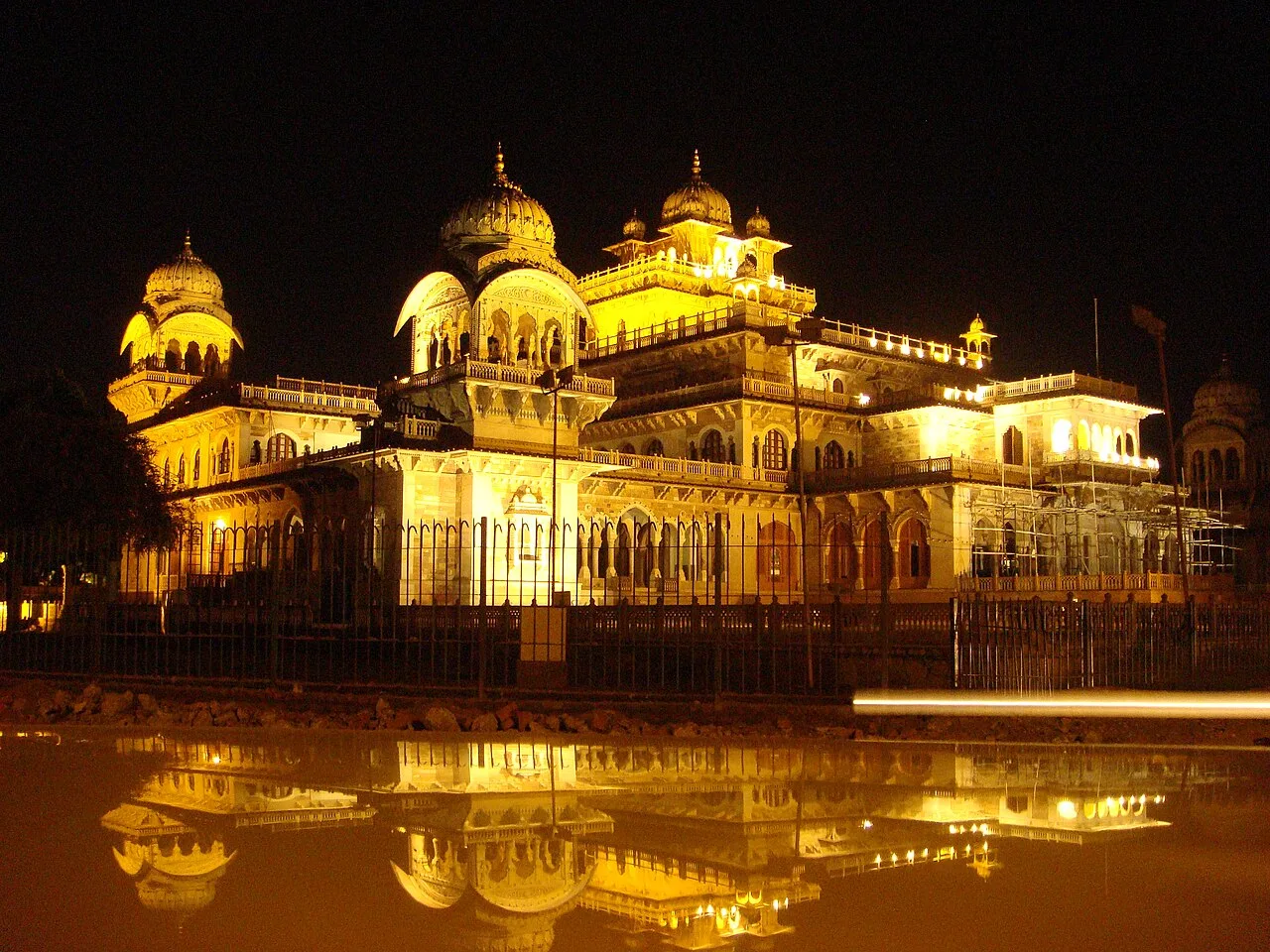
Albert Hall Museum, near Jaipur

City guide · Rajasthan

Jaipur

Jaipur is Rajasthan’s capital and one of northern India’s best-known cultural and visitor destinations. Part of the Golden Triangle with Delhi and Agra, it is also a convenient starting point for journeys to other parts of Rajasthan.

Famous for

  • Pink City heritage
  • Amer Fort
  • Jantar Mantar
  • Jaipur blue pottery
  • Block-printed textiles
  • Kundan-meenakari jewellery
In the city
9
District
Jaipur

Why Jaipur matters

Jaipur is Rajasthan’s capital and one of northern India’s best-known cultural and visitor destinations. Part of the Golden Triangle with Delhi and Agra, it is also a convenient starting point for journeys to other parts of Rajasthan. Visitors come for its historic palaces, forts, observatory, lively bazaars and distinctive pink-toned streets in the old city. Jaipur’s historic centre was added to the UNESCO World Heritage List in 2019; Jantar Mantar has its own World Heritage listing, and nearby Amer Fort is included among the Hill Forts of Rajasthan.

Founded in 1727, Jaipur is recognised for its planned urban layout and its mix of Rajput-era architecture and contemporary city life. It remains a regional centre for government, commerce, education and tourism, as well as for jewellery and craft trades. The old city’s markets and monuments sit alongside newer neighbourhoods, restaurants and cultural venues. This range makes Jaipur more than a heritage stop: it is both a working state capital and a gateway to Rajasthan’s varied landscapes, towns and traditions.
Famous for: crafts, trade & products

Jaipur is associated with hand-printed cloth, colourful garments and traditional jewellery. Sanganer is known for fine hand block printing, while Bagru, on the city’s outskirts, is noted for prints made with traditional techniques. Sanganeri hand block printing, Bagru hand block printing and Jaipur blue pottery are among the region’s GI-recognised crafts. Other local specialties include leheriya and bandhani textiles, lac bangles, carved stonework and blue pottery, whose vivid glazed designs are often used for decorative pieces.

The city has a long-established trade in gemstones and jewellery, including kundan and meenakari work. Johari Bazaar is a central place to browse jewellery, while Bapu Bazaar is known for textiles, footwear and souvenirs. Kishanpole Bazaar has shops selling woodwork and crafts, and Tripolia Bazaar is associated with bangles and metal goods. Visitors can also look for crafts at specialist emporiums and cultural venues such as Jawahar Kala Kendra, where exhibitions and events showcase regional arts. For block-printed fabrics, shops in Jaipur and workshops or outlets in Sanganer and Bagru offer a closer connection to the craft’s production.

History

Jaipur was founded in 1727 by Sawai Jai Singh II, the Kachhwaha Rajput ruler of Amer. He chose a new site for his capital as Amer faced pressure from a growing population and limited water resources. With architectural guidance from Vidyadhar Bhattacharya, the city was laid out in a planned grid, drawing on principles of traditional Indian architecture. Its broad streets and orderly blocks distinguished it from many older settlements.

Jaipur became the capital of the princely state of Jaipur under British rule. In 1876, during the reign of Sawai Ram Singh II, many streets and buildings were painted pink to welcome the Prince of Wales, a colour scheme that helped give the city its enduring nickname. After Indian independence, Jaipur became the capital of Rajasthan in 1949. Since then, it has expanded well beyond its historic centre, developing as a state administrative hub and a centre for tourism, education, commerce and manufacturing while retaining its landmark palaces, gates and bazaars.

Food, festivals & culture

Jaipur’s food combines Rajasthani staples with popular street snacks. Dal baati churma is a classic meal, while pyaaz kachori and mirchi vada are common savoury favourites. Ghewar, especially associated with the monsoon season, is a well-known sweet; mawa kachori and other milk-based sweets are also found in local shops. Restaurant menus often include regional dishes such as laal maas alongside broader Indian cooking.

Gangaur, celebrated in spring, and Teej, usually during the monsoon, bring processions, music and seasonal festivities. Diwali is widely observed in autumn, while kite-flying is a feature of the January festival season. Hindi is widely spoken, alongside Rajasthani speech varieties including Dhundhari. Folk music and dance traditions, including Ghoomar, feature at cultural events and celebrations. Important places of worship include Govind Dev Ji Temple, Moti Dungri Ganesh Temple and Birla Mandir; the city also has mosques, churches and Jain temples that reflect its diverse religious life.

Visiting the city

October to March is generally the most comfortable season for exploring Jaipur, with milder days than the very hot summer months. The monsoon, usually from July into September, brings rain and greener surroundings, though showers can affect plans. Jaipur International Airport serves the city, and Jaipur Junction is its main railway station.

Auto-rickshaws, taxis, app-based cabs and city buses are useful for getting around; the Metro serves some routes. Allow extra time for traffic, especially around the old city. Explore the walled centre for its bazaars, City Palace and Hawa Mahal, then visit Jantar Mantar nearby. MI Road and C-Scheme offer shops, cafés and restaurants, while Bani Park is a quieter base. Amer and Nahargarh are popular excursions beyond the central neighbourhoods.

Attractions

Places to visit in Jaipur

Sights within about 12 km of each other, even when they fall in different districts.

Albert Hall Museum

Jaipur district

Albert Hall Museum

Set in Jaipur’s Ram Niwas Garden, Albert Hall Museum is Rajasthan’s state museum and its oldest museum. Visitors come to explore its varied collections and Indo-Saracenic architecture.

Amber Fort

Jaipur district

Amber Fort

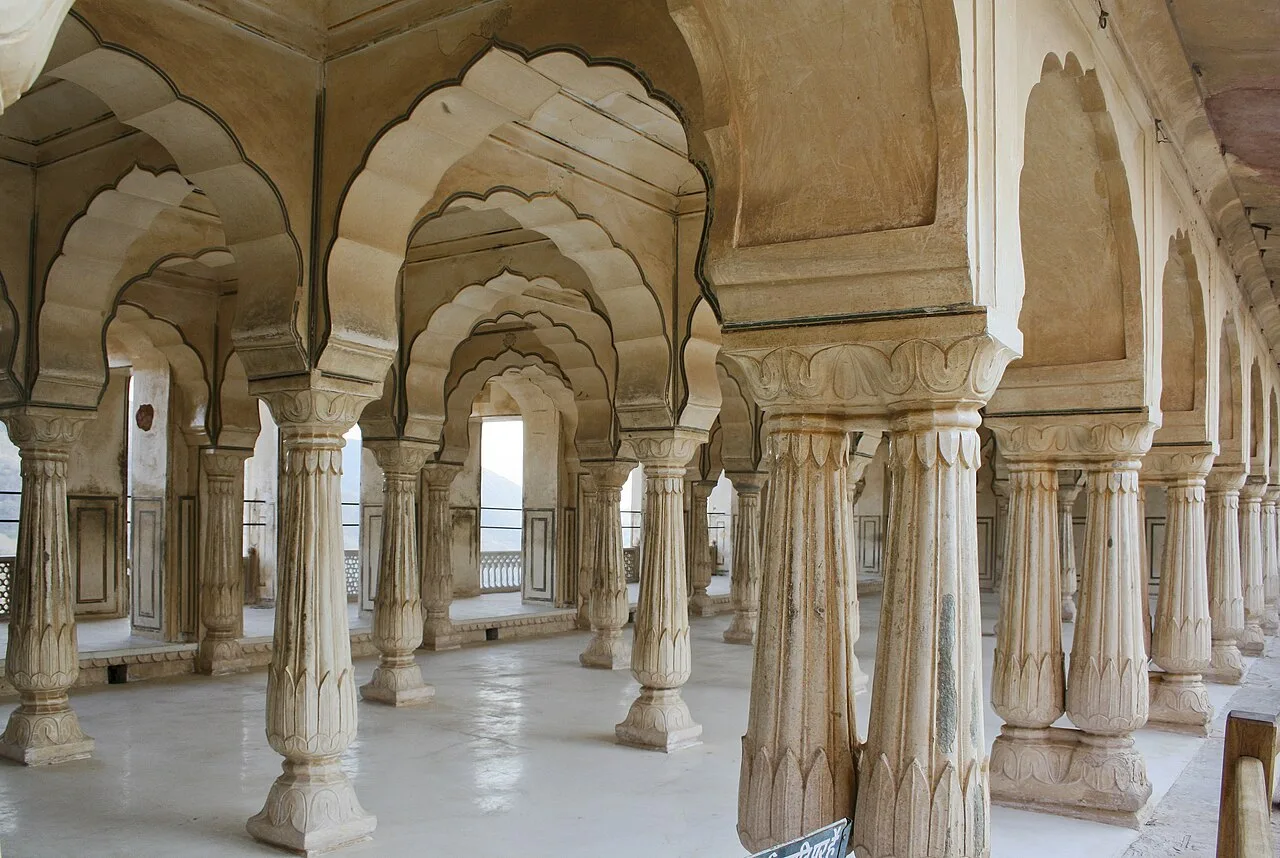
Amber Fort, also known as Amer Palace, is a hilltop fort in Amer, Rajasthan. Visitors explore its Rajput and Mughal-influenced design, palace halls and setting above Maota Lake.

Birla Mandir

Jaipur district

Birla Mandir

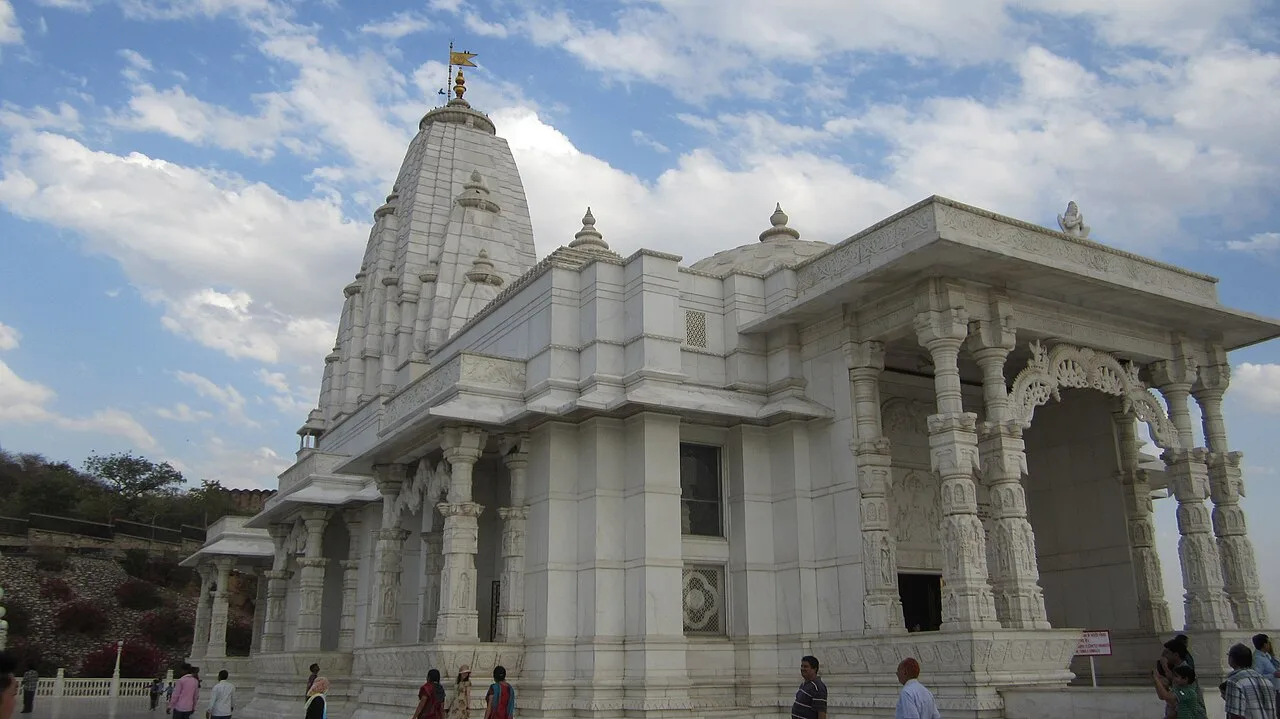
Birla Mandir, also known as Lakshmi Narayan Temple, is a Hindu place of worship in Jaipur, Rajasthan. Visitors come to worship and see its marble shrine and sacred images.

City Palace, Jaipur

Jaipur district

City Palace, Jaipur

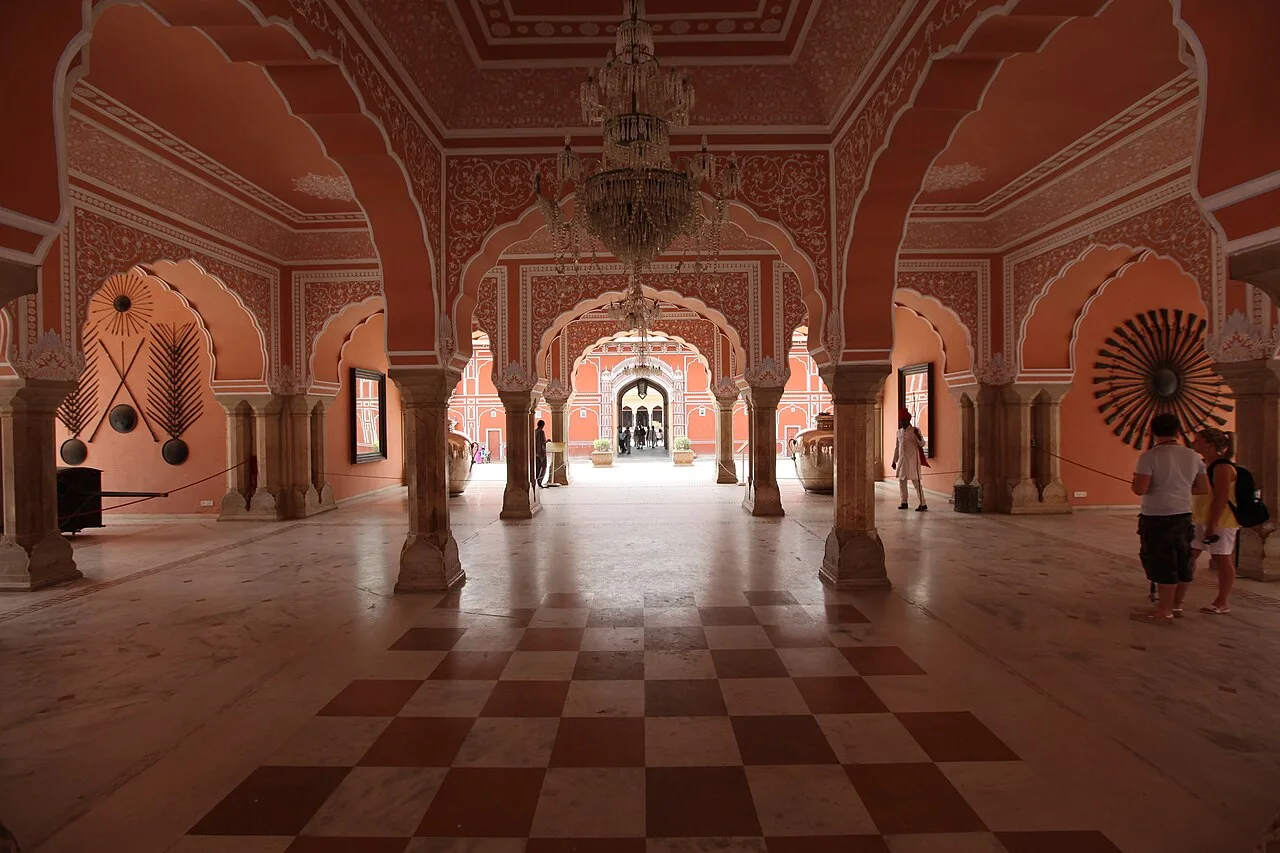
A historic royal complex in Jaipur, the City Palace served the city’s rulers and remains the royal family’s home. Visitors come to see its architecture and explore the museum.

Hawa Mahal

Jaipur district

Hawa Mahal

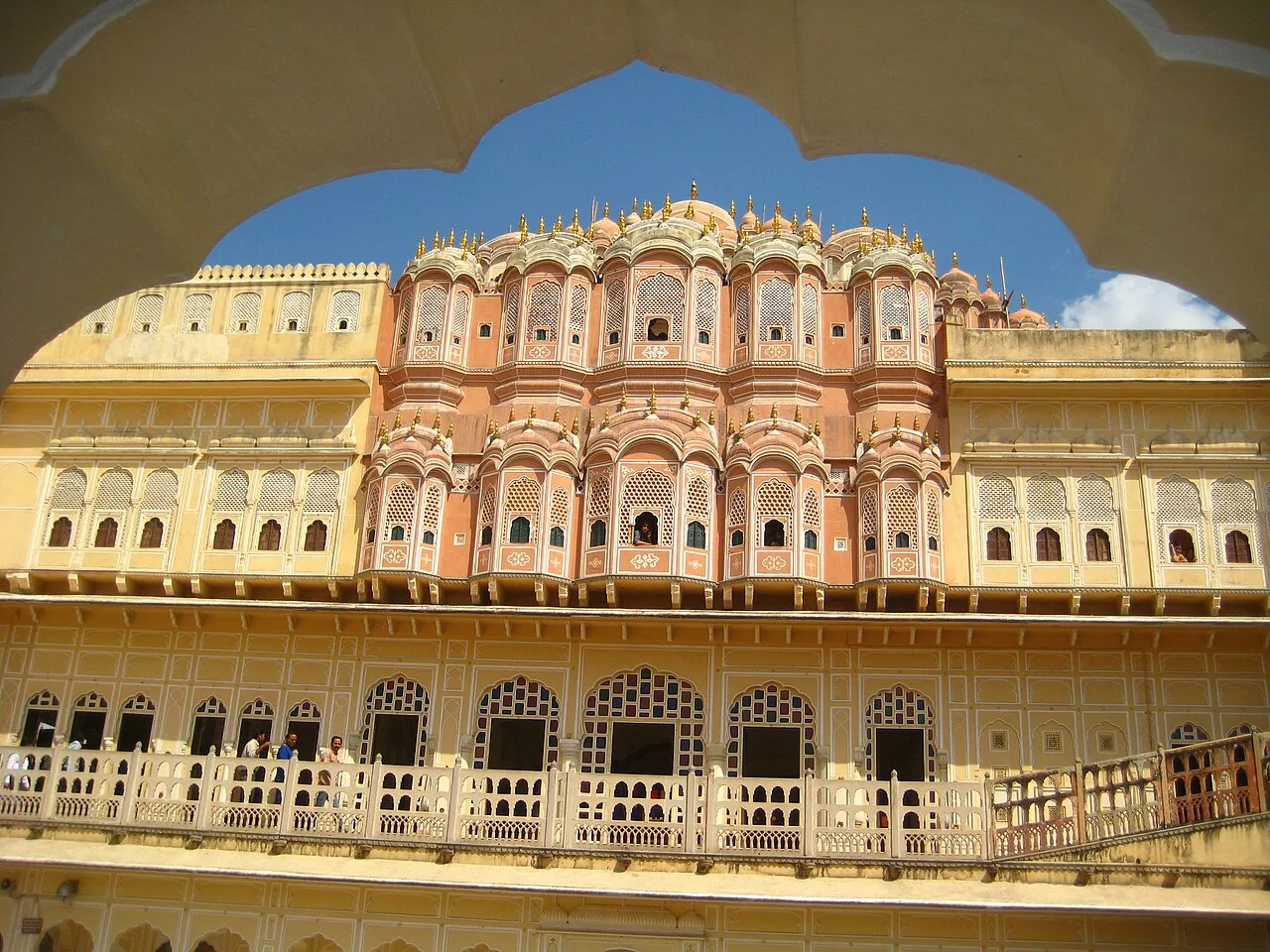
Hawa Mahal is a sandstone palace in Jaipur, recognised for its honeycomb façade and 953 lattice-screened jharokhas. Visitors come to see its distinctive design and learn how its openings provided privacy and ventilation.

Jaigarh Fort

Jaipur district

Jaigarh Fort

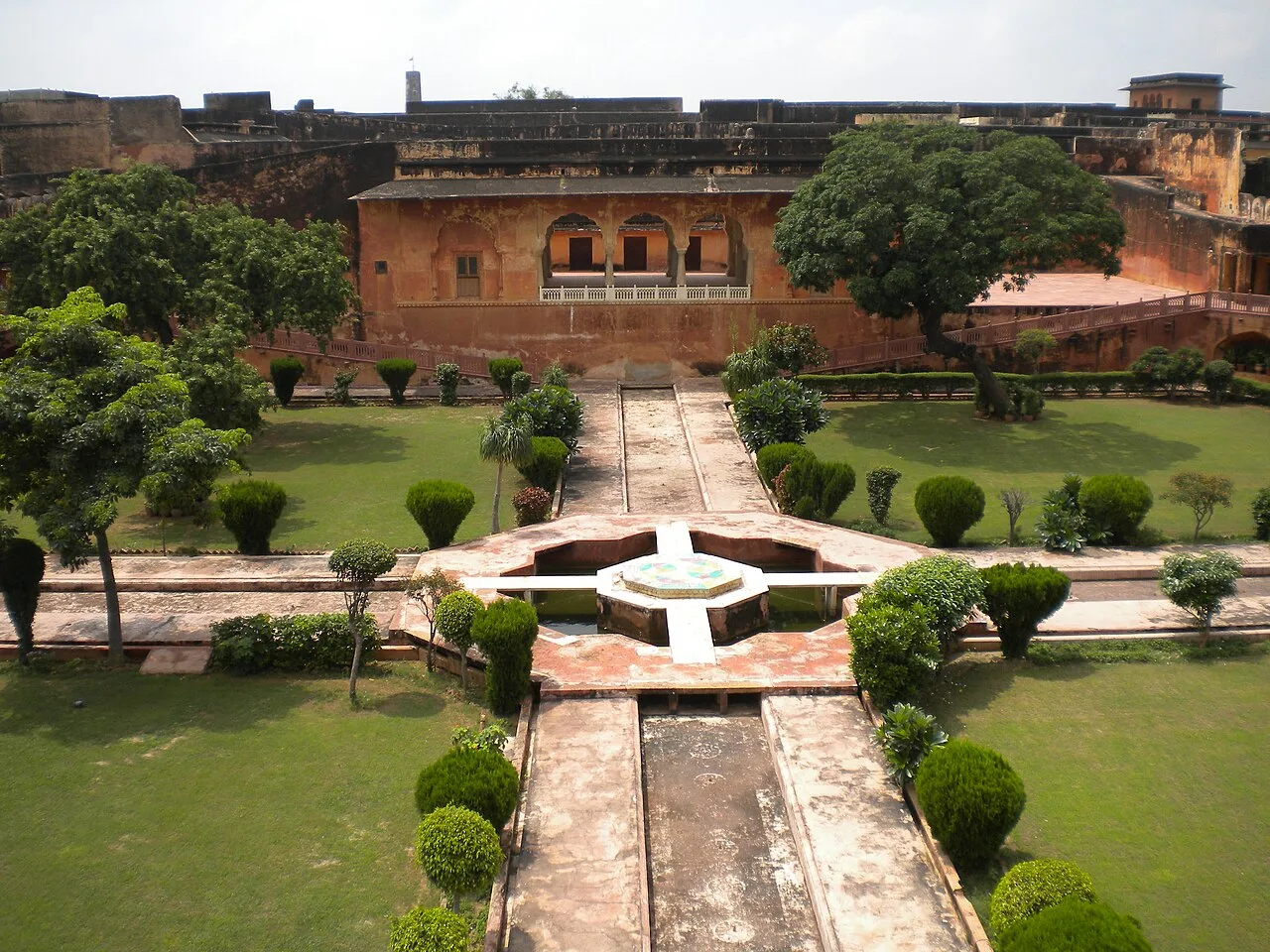
Near Amer in Rajasthan, Jaigarh Fort occupies a hilltop above Amer Fort and Maota Lake. Visitors come to see its historic fortifications, its connection to Amer Fort and the Jaivana cannon.

Jal Mahal

Jaipur district

Jal Mahal

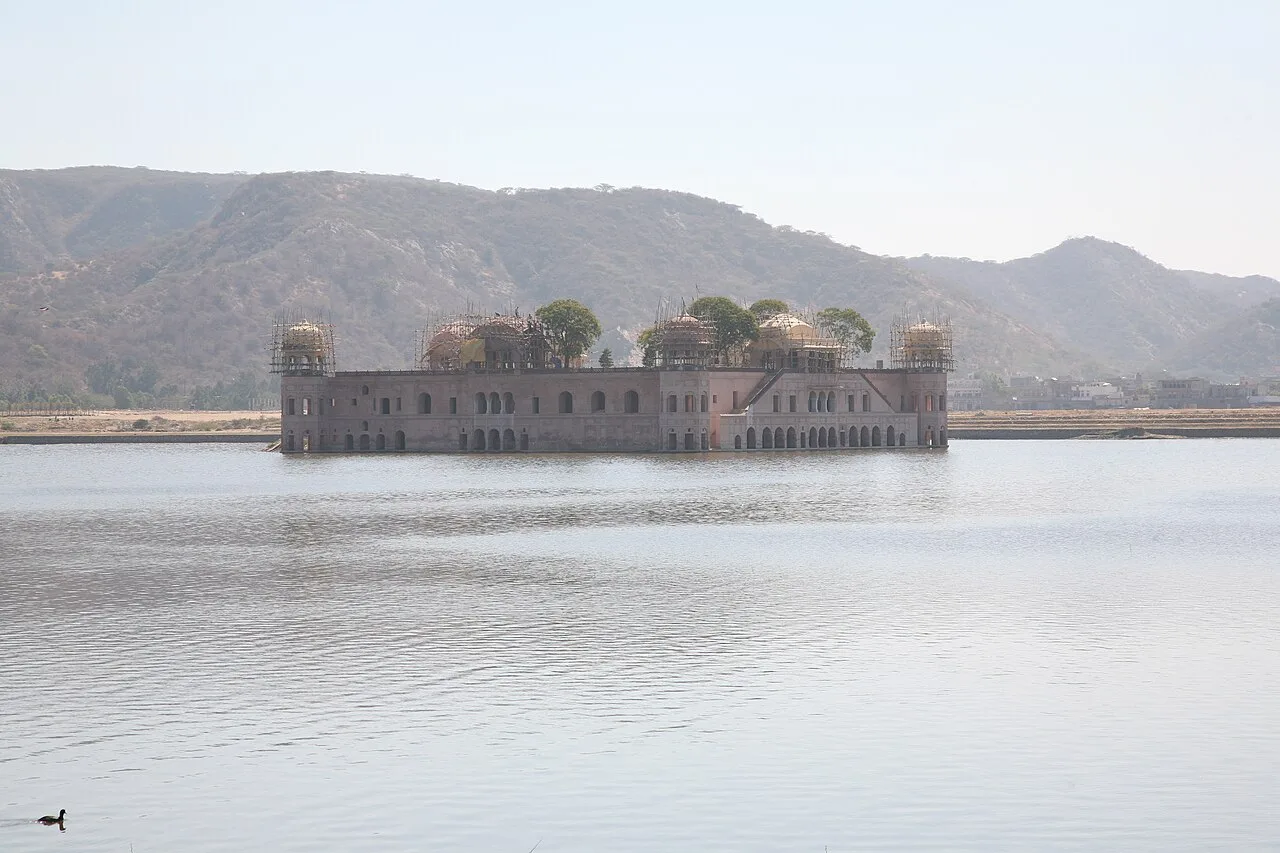
Jal Mahal is a historic palace set within Man Sagar Lake in Jaipur, Rajasthan. Visitors come to see the palace in its lake setting.

Jantar Mantar, Jaipur

Jaipur district

Jantar Mantar, Jaipur

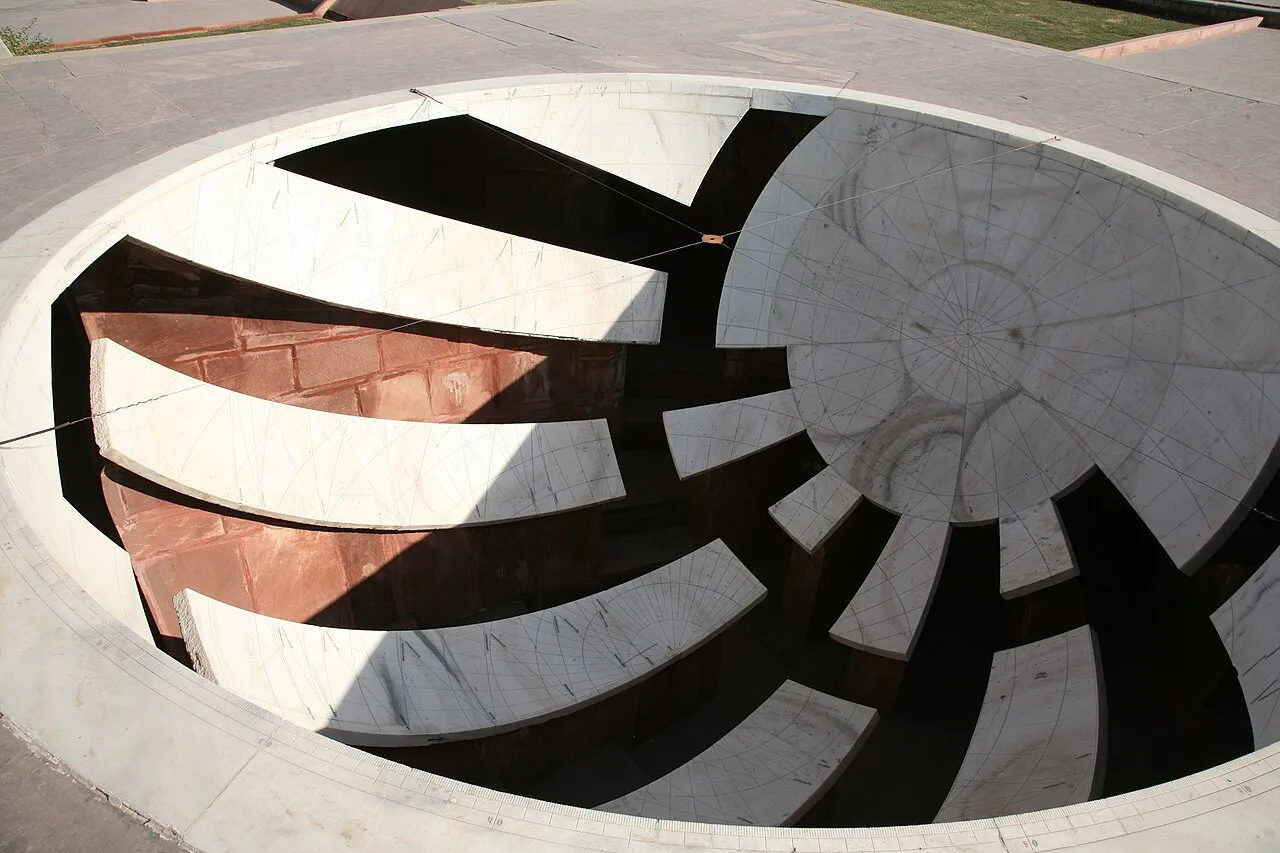
Jantar Mantar is an astronomical observatory in Jaipur, built under Sawai Jai Singh. Visitors come to see its monumental instruments, including a stone sundial, and learn how they were used to observe celestial positions.

Nahargarh Fort

Jaipur district

Nahargarh Fort

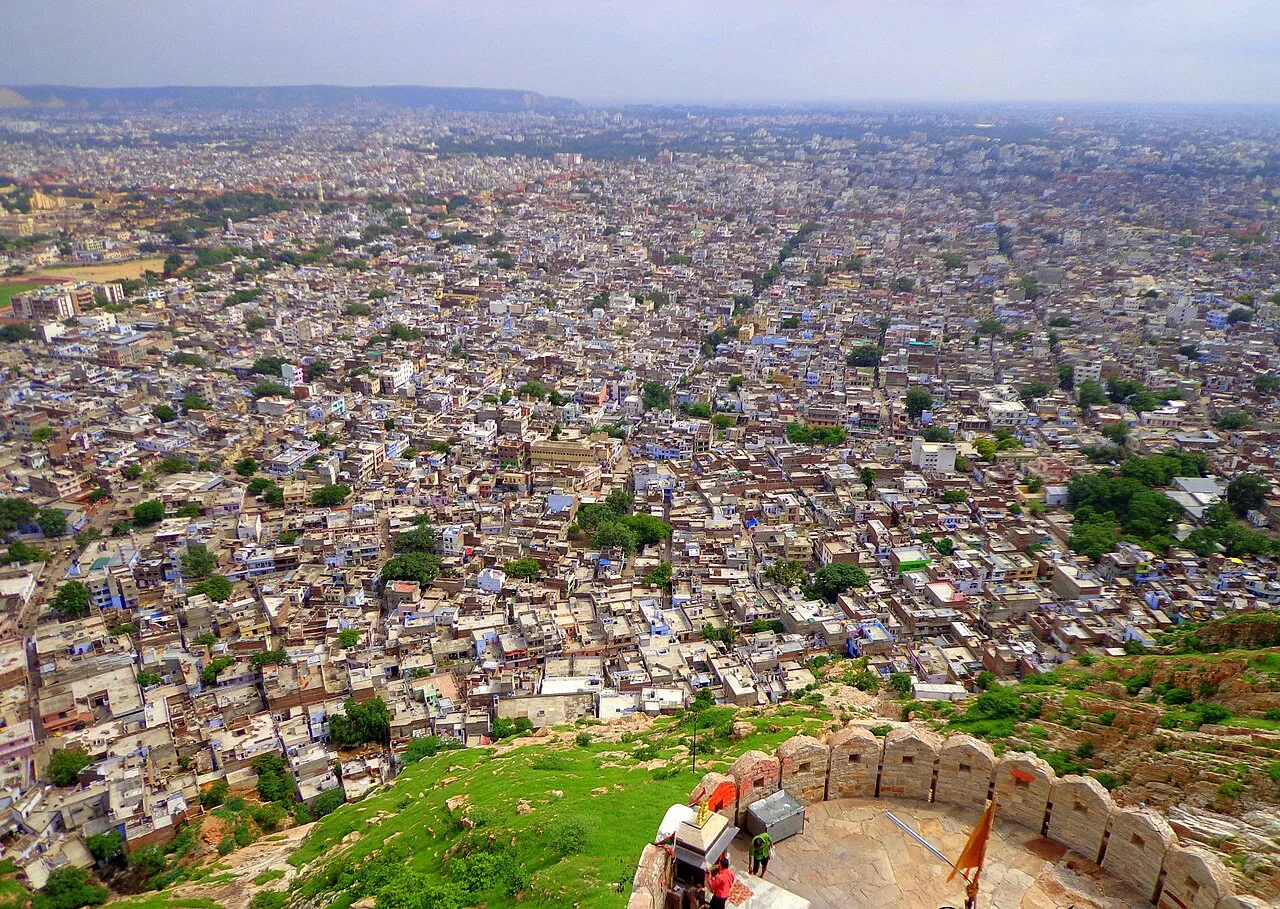
Nahargarh Fort is a historic stronghold in Jaipur, Rajasthan, overlooking the city from the Aravalli range. Visitors come for its elevated outlook and its role in Jaipur’s former defences.

Map

Jaipur on the map

  1. 1Albert Hall Museum
  2. 2Amber Fort
  3. 3Birla Mandir
  4. 4City Palace, Jaipur
  5. 5Hawa Mahal
  6. 6Jaigarh Fort
  7. 7Jal Mahal
  8. 8Jantar Mantar, Jaipur
  9. 9Nahargarh Fort

Rajasthan

Other cities to explore