
Ghumoopedia — Explore, Discover, Experience
Sign in
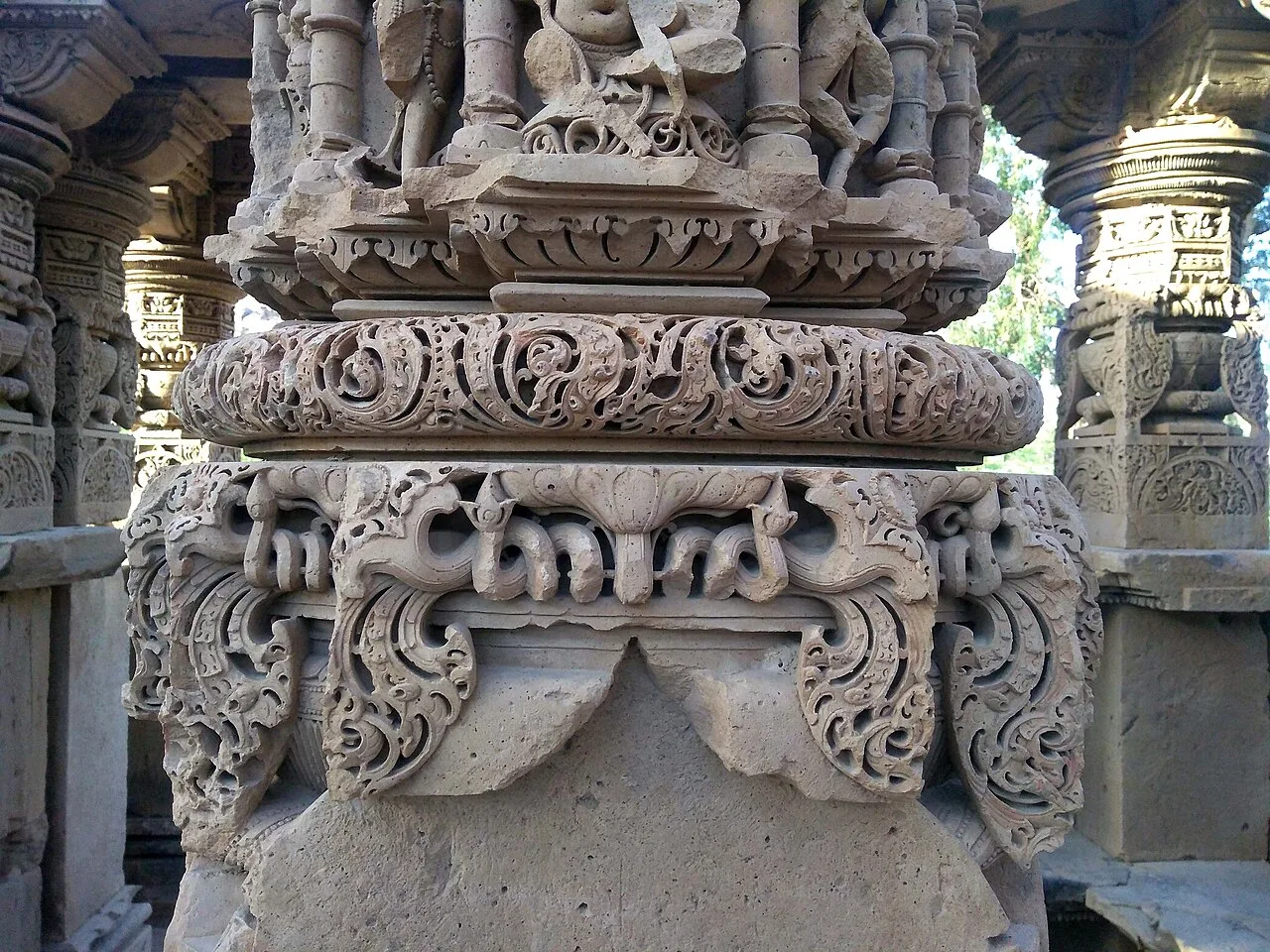
Kiradu temples, near Barmer

City guide · Rajasthan

Barmer

Barmer is a regional centre in western Rajasthan, set amid the arid landscapes of the Thar Desert. Its importance comes both from its role as a district headquarters and from the industries that have developed across the surrounding region, including oil and gas, mining and renewable energy.

Famous for

  • Barmer block printing
  • Embroidery and applique
  • Kiradu temples
  • Thar desert landscapes
  • Oil and gas production
In the city
0
Nearby
1
District
Barmer
Plan a trip

Why Barmer matters

Barmer is a regional centre in western Rajasthan, set amid the arid landscapes of the Thar Desert. Its importance comes both from its role as a district headquarters and from the industries that have developed across the surrounding region, including oil and gas, mining and renewable energy. The city also serves as a gateway to small settlements, desert scenery and historic sites in the district.

Visitors come for Barmer’s distinctive printed and embroidered textiles, carved crafts and lively folk traditions. Nearby, the hilltop remains of Barmer Fort overlook the old town, while the evocative temple complex at Kiradu makes a rewarding excursion. Local fairs and performances offer a glimpse of desert life, and the surrounding landscape is especially appealing in the cooler months. Barmer is less about a single monument than the combination of craft, history and everyday town life that connects it to the wider Marwar region.

Famous for: crafts, trade & products

Barmer is particularly associated with hand-block-printed cloth, including bold patterns on fabrics used for odhnis, dupattas, quilts and home furnishings. Ajrakh-style printing, embroidery, mirror work and applique are among the textile traditions found in the region. Visitors can look for these alongside carved wooden objects and other handmade goods in shops around the old town and central bazaar; asking about the maker and technique can help distinguish locally produced work from factory-made souvenirs.

The district’s economy also includes oil and gas production, with major fields in the surrounding area, as well as lignite mining and growing renewable-energy activity. These industries have reshaped Barmer’s regional role, although they are not visitor attractions in the same way as its crafts and heritage. For a more direct introduction to local production, browse textile and handicraft shops in the town centre and ask about locally made prints and embroidery. Barmer is known for particular craft styles, but visitors should check current product labelling rather than assume an item has a geographical indication (GI) status.

History

Local tradition traces Barmer’s origins to Bahada Rao, who is said to have established a settlement called Bahadamer in the 13th century. The name later became Barmer. The old town grew around its defensive hill fort and temples, reflecting its position within the historic Marwar region. Barmer Fort, also called Garh Barmer, remains a landmark above the town.

For much of the princely era, Barmer was linked to the Rathore-ruled kingdom of Jodhpur. Under British paramountcy, Jodhpur retained its status as a princely state, and Barmer remained part of its territory. After independence, the town became part of Rajasthan and developed as an administrative centre for the surrounding district.

In recent decades, oil and gas production, mining, transport links and renewable-energy projects have expanded the area’s economic importance. Barmer today combines this modern industrial role with older traditions of desert trade, craft and pilgrimage.

Food, festivals & culture

Barmer’s food reflects the dry climate and Marwari cooking traditions. Bajra roti, often served with garlic chutney, ker-sangri and gatte ki sabzi, are familiar choices; dal-baati-churma is another regional staple. Sweets such as churma and laddus are enjoyed at celebrations, though menus vary between households and eateries.

Hindu festivals including Gangaur in spring, Teej during the monsoon season and Diwali in autumn are observed in the city. The Mallinath cattle fair at Tilwara, held outside Barmer, is a major regional gathering, combining trade with religious observance and folk entertainment. Folk musicians of the Langa and Manganiyar communities perform songs accompanied by instruments such as the kamayacha, algoza and khartal; dance and storytelling are also part of local celebrations.

Hindi and Marwari are widely heard, alongside other Rajasthani speech. Temples in the town and the nearby Kiradu complex draw worshippers and visitors interested in the region’s religious and architectural heritage.

Visiting the city

October to March is generally the most comfortable time to visit; summer days can be intensely hot. The nearest airport is Jaisalmer Airport, though flight options can be limited; Jodhpur Airport is a further alternative with broader connections. Barmer railway station is the town’s main rail station, with links to other parts of Rajasthan.

Auto-rickshaws, taxis and local buses are useful for getting around, while a hired car is convenient for reaching sites beyond town. Explore the old-town lanes, central bazaar and Barmer Fort precinct, then plan separate trips to Kiradu’s temples or the desert landscape around Mahabar. Check local transport availability before setting out for outlying sites.

Short trips

Around Barmer

Within about 40 km — easy half-day or day trips from the city.

Map

Barmer on the map

  1. 1Kiradu temples

Rajasthan

Other cities to explore