
Ghumoopedia — Explore, Discover, Experience
Sign in
Khatu Shyam Temple, near Khatu

City guide · Rajasthan

Khatu

Khatu, also known as Khatu Shyam Ji, is a pilgrimage town in Rajasthan’s Sikar district. Its importance centres on the Khatu Shyam Ji Temple, where devotees worship Khatu Shyam, identified in local tradition with Barbareek of the Mahabharata.

Famous for

  • Khatu Shyam Ji Temple
  • Falgun Mela
  • Nishaan Yatra
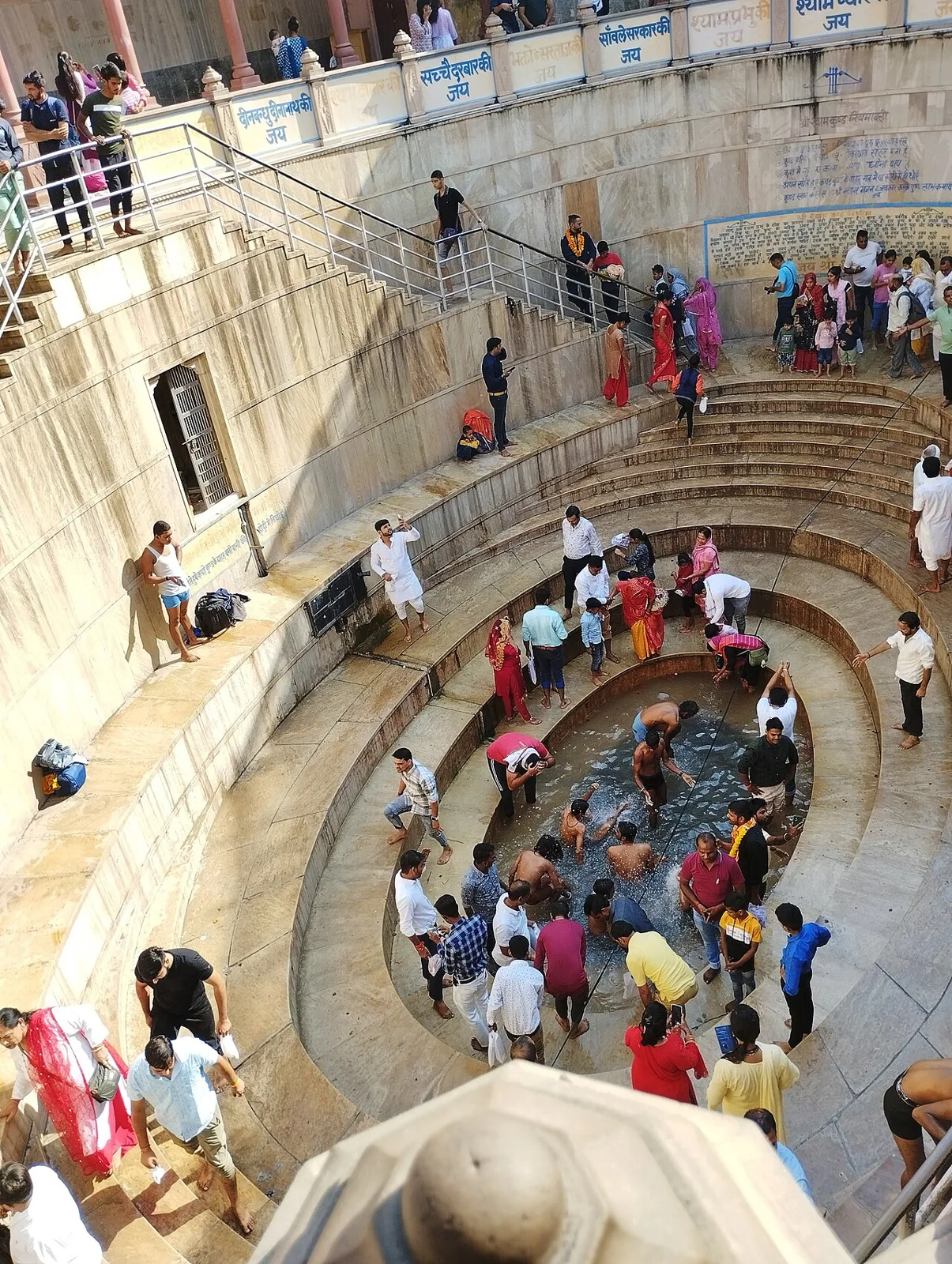
  • Shyam Kund
  • Surajgarh white flag
In the city
1
District
Sikar

Why Khatu matters

Khatu, also known as Khatu Shyam Ji, is a pilgrimage town in Rajasthan’s Sikar district. Its importance centres on the Khatu Shyam Ji Temple, where devotees worship Khatu Shyam, identified in local tradition with Barbareek of the Mahabharata. The shrine draws pilgrims throughout the year, with especially large crowds during the Falgun Mela, usually held in February or March. Its religious significance also shapes the town’s daily life, from temple visits and devotional singing to the shops and services along the approach roads.

The pilgrimage has a wider regional reach: many devotees walk from Reengus to Khatu, carrying a Nishaan, or sacred flag, as an offering. The nearby Shyam Kund is associated with the discovery of the deity’s image in temple tradition. For visitors, Khatu is primarily a place of worship rather than a broad sightseeing destination. The temple, its surrounding lanes and the rituals connected with the shrine are the main reasons to come; Sikar and other parts of Shekhawati can be explored as part of a wider trip.

Famous for: crafts, trade & products

Khatu is best known for religious offerings and pilgrim services, not for a widely recognised textile, handicraft or manufacturing industry. Around the temple approaches, visitors can find devotional items such as prayer beads, images, flags and other puja materials, along with offerings and prasad. These are sold by local shops serving worshippers; availability and selection vary, particularly when large crowds arrive for the Falgun Mela.

The Nishaan, a triangular flag in colours such as saffron, orange or red, is a prominent devotional emblem associated with the pilgrimage. During the Falgun Mela, many pilgrims carry one on foot from Reengus and offer it at the temple. A distinct tradition is the Surajgarh white flag, decorated with a blue horse and brought to the shrine by a foot procession from Surajgarh. Khatu is not especially known for a GI-tagged product or a major wholesale market. Visitors looking for local purchases will find the most relevant stalls in the temple area, where goods are geared chiefly to worship and pilgrimage rather than specialist craft shopping.

History

Khatu’s history is closely tied to the temple and its devotional traditions. According to local belief, a buried image identified with Barbareek’s head was found at the site now known as Shyam Kund. Temple tradition credits Roop Singh Chauhan, a local ruler, with establishing the shrine in 1027 CE after a dream directed him to the image. The present temple, built in white Makrana marble, reflects Rajasthani architectural forms. These accounts are part of the site’s religious history and are not the same as a fully documented civic chronology.

The shrine’s prominence grew through its association with the Mahabharata and the belief that Krishna blessed Barbareek to be worshipped as Shyam in the present age. A Braj Bhasha devotional poem, Shyam Pacchisi, is associated with Durga Das Mathur and the 17th century. Local accounts also remember a battle at Khatu in 1779. Unlike larger regional cities, Khatu’s development has centred on pilgrimage rather than colonial administration or industry. In modern times, roads, shops and visitor facilities have expanded around the continuing flow of devotees.

Food, festivals & culture

Khatu’s cultural life is shaped by devotion to Khatu Shyam Ji. Temple visits, prayer, offerings and the singing of bhajans are central to the experience, and devotional activity becomes particularly visible during the Falgun Mela in February or March. The Nishaan Yatra brings groups of pilgrims on foot from Reengus, carrying triangular flags and singing as they travel. The Surajgarh white flag procession is another distinctive tradition associated with the festival season. Crowds and arrangements can be especially extensive around these occasions.

Hindi and Rajasthani are commonly heard in the town and among visitors. Food options generally reflect the region’s vegetarian fare, with dishes such as dal baati churma, kachori and familiar Indian sweets available from local eateries; these are regional choices rather than products unique to Khatu. The main place of worship is the Khatu Shyam Ji Temple, while Shyam Kund is a nearby sacred site linked to the shrine’s origin story. The surrounding streets are also part of the town’s devotional landscape, lined with shops and services for pilgrims.

Visiting the city

The cooler months, roughly October to March, are generally the most comfortable for a visit. The Falgun Mela, usually in February or March, offers a major festival experience but also brings very large crowds, so allow extra time for movement around the temple. Jaipur International Airport is the nearest major airport, while Ringas Junction (Reengus) is the main railway station used by many pilgrims. From Reengus, Khatu is reached by road; the pilgrimage route between the two is also walked by devotees.

Auto-rickshaws and local vehicles are useful for short journeys, though movement can slow during busy periods. Explore the temple and its surrounding market lanes, then visit nearby Shyam Kund. Reengus is a natural point of connection for the journey, while Sikar can be added for a broader look at the district. Dress respectfully at places of worship and follow local instructions during crowded festival days.

Attractions

Places to visit in Khatu

Sights within about 12 km of each other, even when they fall in different districts.

Map

Khatu on the map

  1. 1Khatu Shyam Temple

Rajasthan

Other cities to explore