
Ghumoopedia — Explore, Discover, Experience
Sign in
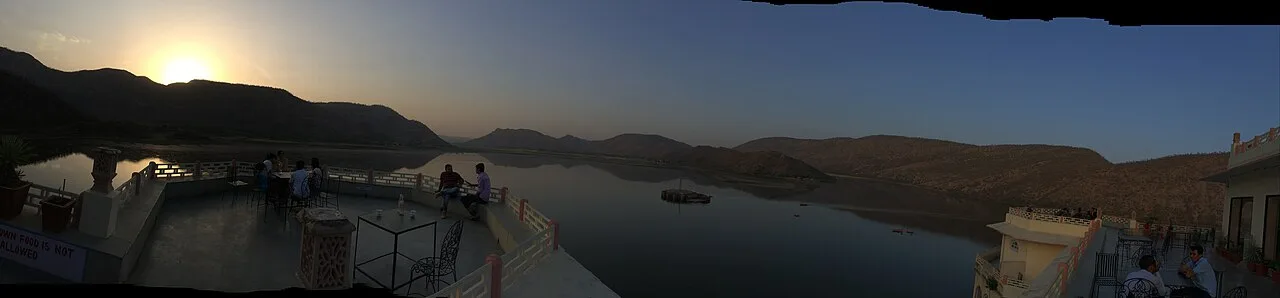
Siliserh Lake, near Alwar

City guide · Rajasthan

Alwar

Alwar is a historic city in northeastern Rajasthan and the administrative centre of its district. Set among the Aravalli hills between Delhi and Jaipur, it connects the state’s heritage circuit with the wider National Capital Region.

Famous for

  • Alwar milk cake
  • Bala Qila fort
  • City Palace museum
  • Sariska Tiger Reserve
  • Bhangarh Fort
  • Siliserh Lake
In the city
1
District
Alwar

Why Alwar matters

Alwar is a historic city in northeastern Rajasthan and the administrative centre of its district. Set among the Aravalli hills between Delhi and Jaipur, it connects the state’s heritage circuit with the wider National Capital Region. Its old centre, dominated by Bala Qila above the city, reflects centuries of regional rule, while the City Palace combines Rajput and Islamic architectural influences and houses a government museum.

Visitors use Alwar as a base for exploring nearby attractions, including Sariska Tiger Reserve, Siliserh Lake, Bhangarh Fort and Hill Fort Kesroli. Sariska draws wildlife watchers as well as visitors interested in its temples and ruins; Bhangarh is known for its 17th-century remains and local legends. The city is also associated with Alwar milk cake, a popular regional sweet. Rail and road connections make it a practical stop between Delhi and Jaipur, while its forts, palace, markets and surrounding countryside give it an identity distinct from the larger tourist centres of Rajasthan.

Famous for: crafts, trade & products

Alwar is best known in food shopping for its milk cake, a dense sweet made from reduced milk. Sweet shops in the central market area are the most straightforward places to look for it. The city also sells familiar Rajasthani snacks and sweets, alongside everyday clothing, household goods and jewellery in its traditional bazaars. Markets around the old city and Hope Circus are useful for browsing, but Alwar is not especially known as a major saree-weaving or textile centre.

There is no widely recognised Alwar-specific GI-tagged textile or handicraft that defines the city’s trade. Visitors may find regional craftwork and souvenirs in local shops, but availability varies. The district’s wider economy includes manufacturing and industrial estates, particularly around Bhiwadi and Neemrana; these are separate centres rather than shopping districts within Alwar city. In town, the City Palace museum offers a closer look at historic paintings, manuscripts and arms than commercial markets can. For a locally distinctive purchase, Alwar milk cake is the clearest choice; for textiles and handicrafts, compare offerings in the bazaar rather than expecting a single signature product.

History

The Alwar region is associated with the ancient Matsya kingdom, one of the sixteen Mahajanapadas, and with the Salva people mentioned in early traditions. Over subsequent centuries, it passed among several ruling groups, including Khanzada, Naruka and other Rajput lineages, as well as the Marathas. The nearby village of Machari is traditionally identified as the birthplace of Hemu, who briefly took control of Delhi in 1556.

The princely state of Alwar was established in 1770 under Pratap Singh Naruka. Under British paramountcy, its rulers faced limits on independent dealings with other states. Alwar joined the Matsya Union in 1948 and became part of Rajasthan the following year. The City Palace, built in the late 18th century, recalls the princely period and now accommodates government offices and a museum. In modern times, Alwar’s position near Delhi has encouraged transport and regional development, while the district’s industrial growth has been especially marked in centres such as Bhiwadi and Neemrana.

Food, festivals & culture

Alwar’s best-known local treat is its milk cake, often bought from sweet shops in the central markets. The wider regional table includes dal baati churma, gatte ki sabzi, ker sangri and kachori, with recipes and availability varying between households and eateries. Tea and sweets are common pauses during a market visit.

Hindi is widely used, alongside local Rajasthani speech and Mewati influences. Folk songs, devotional music and dances such as Ghoomar belong to the broader cultural traditions of the region. Hindu festivals including Gangaur in spring, Teej during the monsoon season, and Holi and Diwali are observed in the city; local cultural programmes may also accompany seasonal celebrations. The Matsya festival is associated with the district and features regional performances and activities, though its schedule can vary. Places of worship include temples in the old city and a temple within Bala Qila; the city’s layered history is also reflected in its older architectural landmarks.

Visiting the city

The most comfortable season for exploring Alwar is generally October to March, when days are cooler than in the summer months. The nearest major airports are Indira Gandhi International Airport in Delhi and Jaipur International Airport. Alwar Junction is the main railway station, on the Delhi–Jaipur route.

Auto-rickshaws, taxis and local buses are useful for getting around town; a taxi is convenient for reaching attractions outside the centre, such as Siliserh Lake or Bhangarh Fort. Begin in the old city around the City Palace and its surrounding bazaars, then visit Bala Qila for views over Alwar. The railway-station area is a practical arrival point, while the central market neighbourhood is better for food and browsing. Sariska is a popular longer outing from the city.

Attractions

Places to visit in Alwar

Sights within about 12 km of each other, even when they fall in different districts.

Map

Alwar on the map

  1. 1Siliserh Lake

Rajasthan

Other cities to explore