Ghumoopedia — Explore, Discover, Experience
Sign in
Mount Abu, near Mount Abu

City guide · Rajasthan

Mount Abu

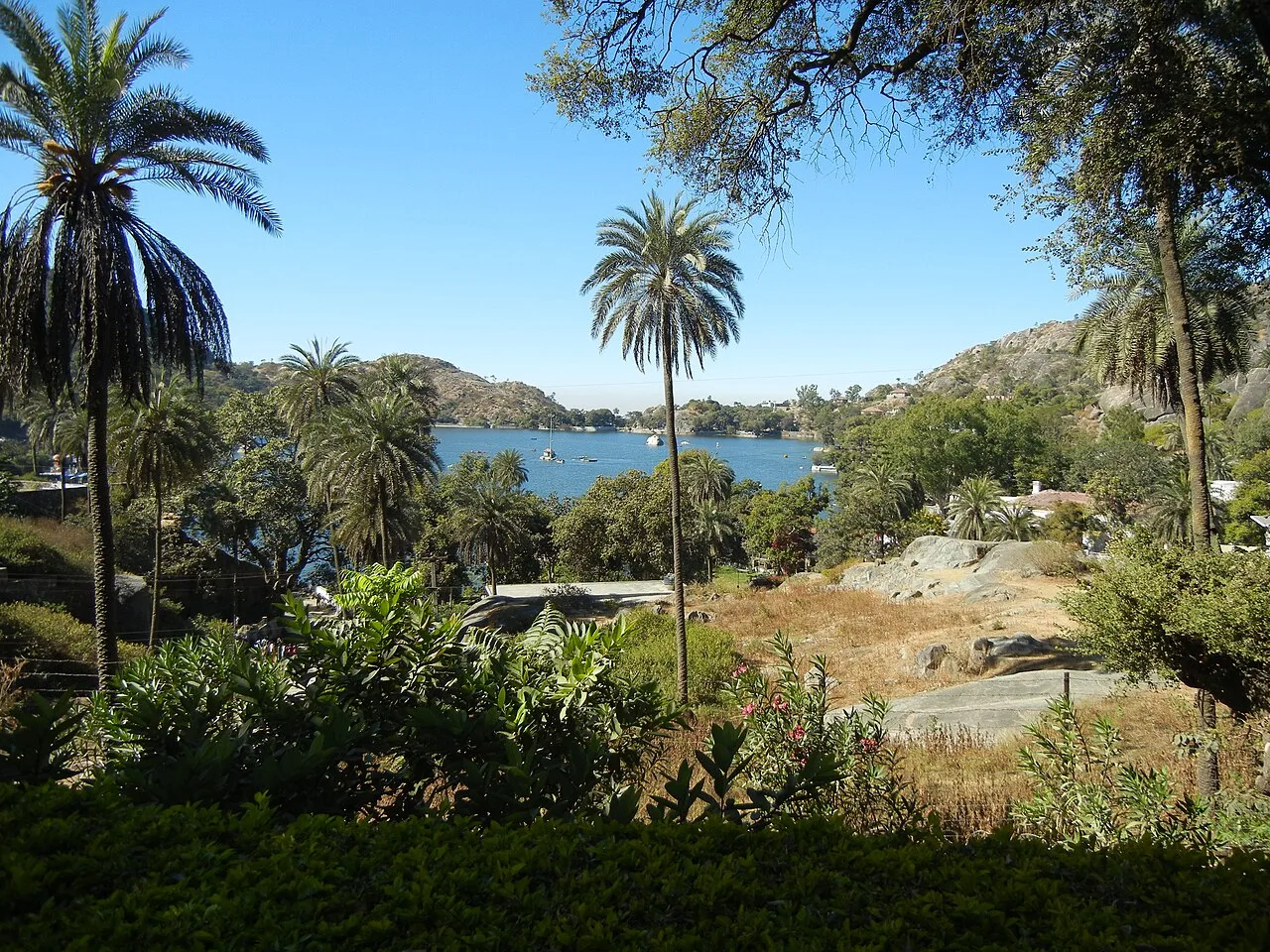
In Rajasthan’s Sirohi district, Mount Abu, also known as Abu Raj, is a hill station on a rocky plateau. Visitors come for its water features, evergreen forests and Hindu and Jain temples.

Famous for

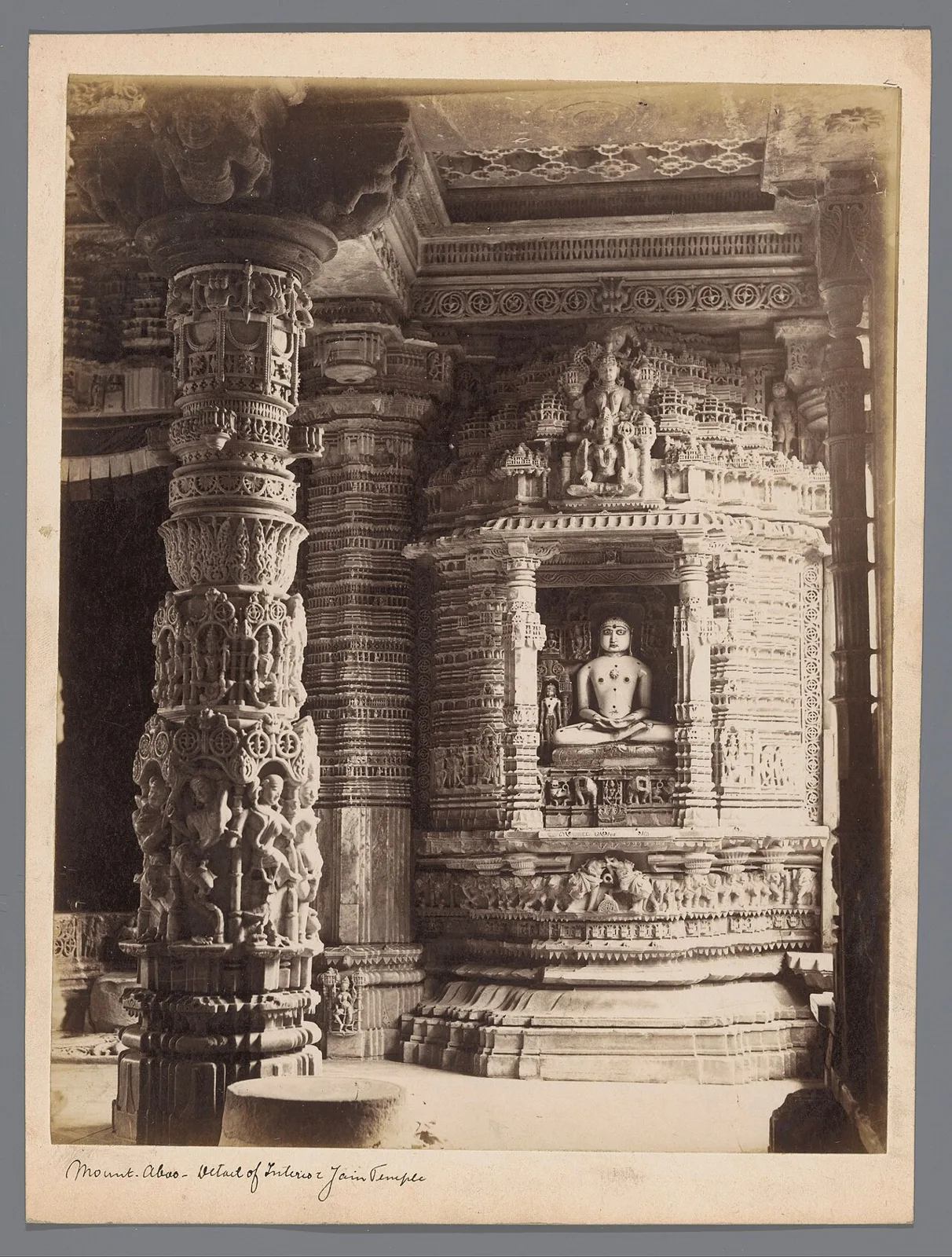
  • Dilwara Jain Temples
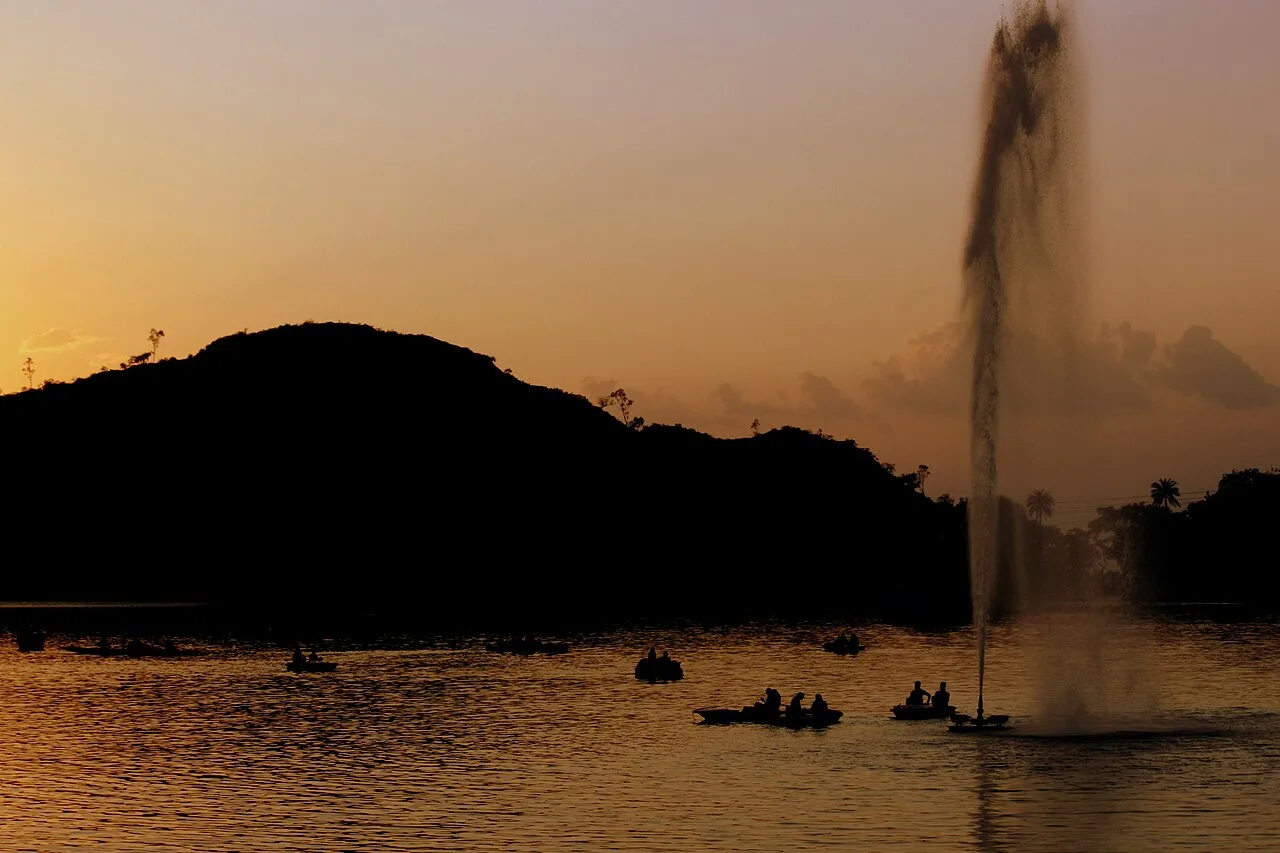
  • Nakki Lake
  • Aravalli hill station
  • Brahma Kumaris headquarters
  • Winter Festival
In the city
4
District
Sirohi

Why Mount Abu matters

Mount Abu is Rajasthan’s best-known hill retreat, set high in the Aravalli Range in Sirohi district, close to the Gujarat border. Its cooler climate, forested slopes and lakes make it a popular escape from the heat of the surrounding plains. The town also serves as a base for exploring the mountain’s temples, viewpoints and wildlife sanctuary.

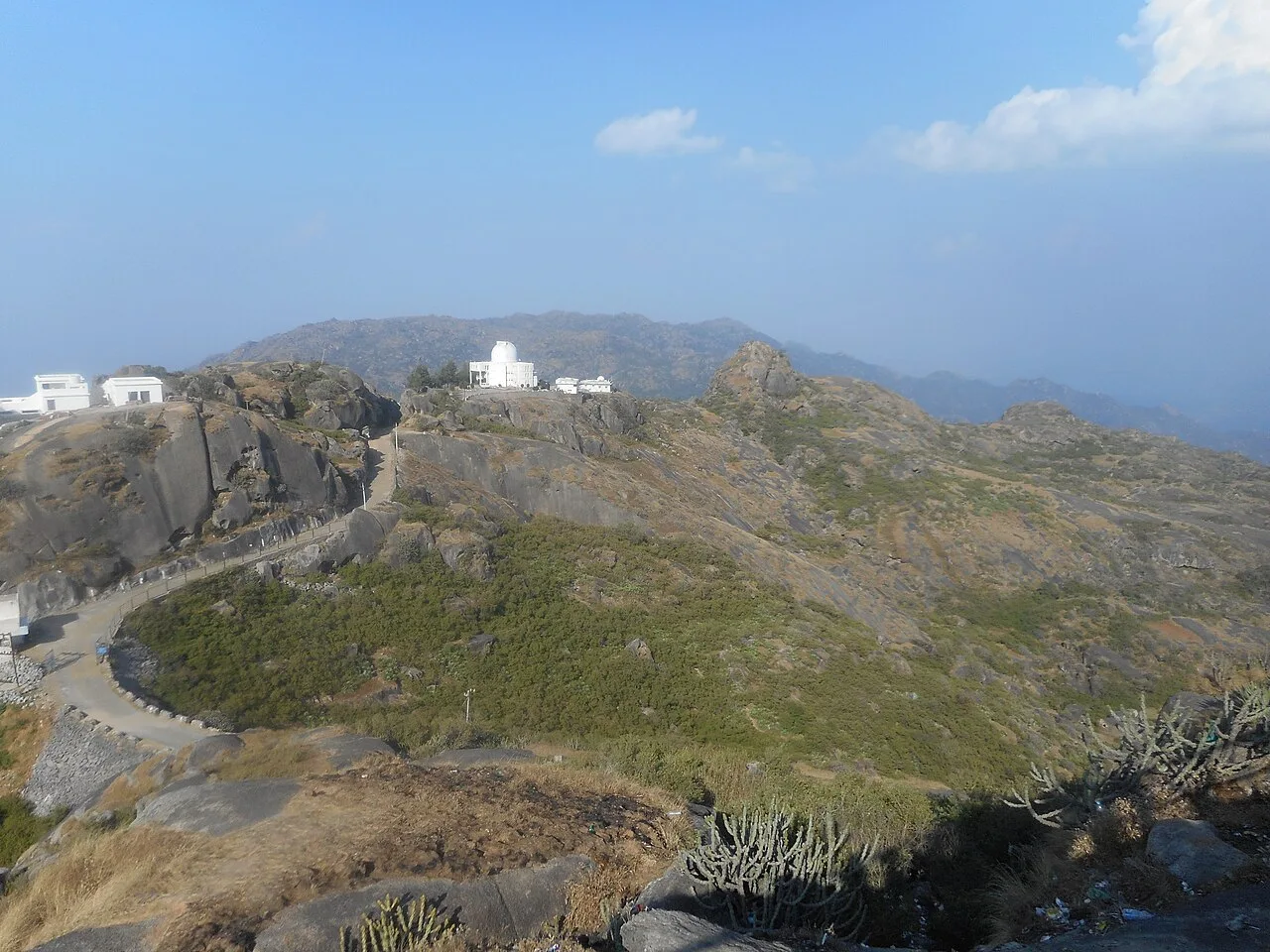
The intricately carved white-marble Dilwara Jain Temples are a major pilgrimage destination and a landmark of medieval Indian craftsmanship. Other draws include Nakki Lake, Toad Rock, Achalgarh Fort and the shrines at Guru Shikhar, the mountain’s highest peak. The Mount Abu Wildlife Sanctuary protects varied habitats, from drier foothill vegetation to greener high-altitude valleys, and is known for its birdlife. The town is also the spiritual headquarters of the Brahma Kumaris, bringing visitors for meditation and study. Together, its religious heritage, natural setting and visitor services give Mount Abu an important role in Rajasthan’s tourism, while attracting travellers from neighbouring Gujarat as well as elsewhere in India.
Famous for: crafts, trade & products

Mount Abu is known chiefly for tourism, pilgrimage and hospitality rather than for a distinctive textile, craft or manufactured product. Hotels, restaurants, travel services and shops form much of the visitor-facing economy. The town has no widely recognised signature saree or locally established GI-tagged product, so shoppers should distinguish regional souvenirs from goods made in Mount Abu itself.

The main bazaar and the shopping lanes around Nakki Lake are the easiest places to browse. Shops commonly offer Rajasthani and Gujarati textiles, embroidered accessories, jewellery, decorative items and small souvenirs; selection and provenance vary. Marble objects may recall the region’s temple architecture, but they should not be confused with the fine in-situ carvings of the Dilwara temples. Visitors looking for regional foods can also find sweets and packaged snacks in the town’s market area. For spiritual learning, the Brahma Kumaris’ headquarters is a prominent institution, with a campus devoted to meditation and study. The area’s most enduring “craft” attraction remains the architecture and marble carving preserved at Dilwara, rather than a separate commercial craft industry.

History

The mountain was known in ancient tradition as Arbuda or Arbudaranya, and stories in Hindu texts and local lore connect it with sages and the serpent Arbuda. These accounts form part of the region’s sacred history. The Dilwara Jain temples, built over several centuries from the 11th century onward, established the mountain as an important centre of Jain pilgrimage and outstanding marble architecture.

In 1311, Rao Lumba of the Deora-Chauhan dynasty took control of Mount Abu. The ruling house later shifted its centre to Sirohi after Chandravati declined. During British rule, the British leased Abu from the Maharaja of Sirohi and developed it as a cool-season retreat and administrative base. A municipality was established in 1864. The town’s hill-station role continued after independence, alongside the growth of tourism, hotels and pilgrimage facilities. In modern times, the wildlife sanctuary and the Brahma Kumaris’ spiritual headquarters have added to Mount Abu’s profile as both a nature destination and a centre for religious and meditation visits.

Food, festivals & culture

Mount Abu’s food reflects its position between Rajasthan and Gujarat. Restaurants serve familiar regional dishes such as dal baati churma, gatte ki sabzi and Gujarati thalis, alongside snacks and sweets including kachori, rabri and ghevar. Menus vary by season and establishment, and the town also has plenty of simple vegetarian dining, particularly around the lake and bazaar.

The Winter Festival, usually held in December, brings cultural performances and celebrations to the hill station. Hindu festivals such as Navratri, Diwali and Teej are observed, while the Dilwara temples draw Jain pilgrims throughout the year. Hindi, Rajasthani varieties including Marwari, and Gujarati are commonly heard. Folk music and dances such as Ghoomar may feature at cultural events, though performances are often presented for visitors rather than as a daily part of town life. Places of worship range from the Dilwara Jain temples and Achaleshwar Mahadev to the Adhar Devi shrine and the Dattatreya temple at Guru Shikhar. The Brahma Kumaris campus is another important focus for spiritual practice.

Visiting the city

October to March is generally the most comfortable season for sightseeing, with cool days and chilly mornings in winter. The monsoon, usually from July into September, brings greener scenery and heavier rain, but can make walks and road journeys less predictable. Summer is milder than in Rajasthan’s plains, though afternoons can still be warm.

The nearest railway station is Abu Road, at the foot of the mountain; taxis and buses connect it with Mount Abu by road. The nearest major airport is Maharana Pratap Airport in Udaipur, with onward travel by road. Local taxis, hired cars and auto-rickshaws are useful for getting between sights; some viewpoints and temples involve steps or walking. Nakki Lake and the adjoining bazaar make a convenient town-centre base. Dilwara, Achalgarh and Guru Shikhar are worthwhile excursions beyond the lake area.

Attractions

Places to visit in Mount Abu

Sights within about 12 km of each other, even when they fall in different districts.

Map

Mount Abu on the map

  1. 1Mount Abu
  2. 2Dilwara Temples
  3. 3Guru Shikhar
  4. 4Nakki Lake

Rajasthan

Other cities to explore