
Mount Abu
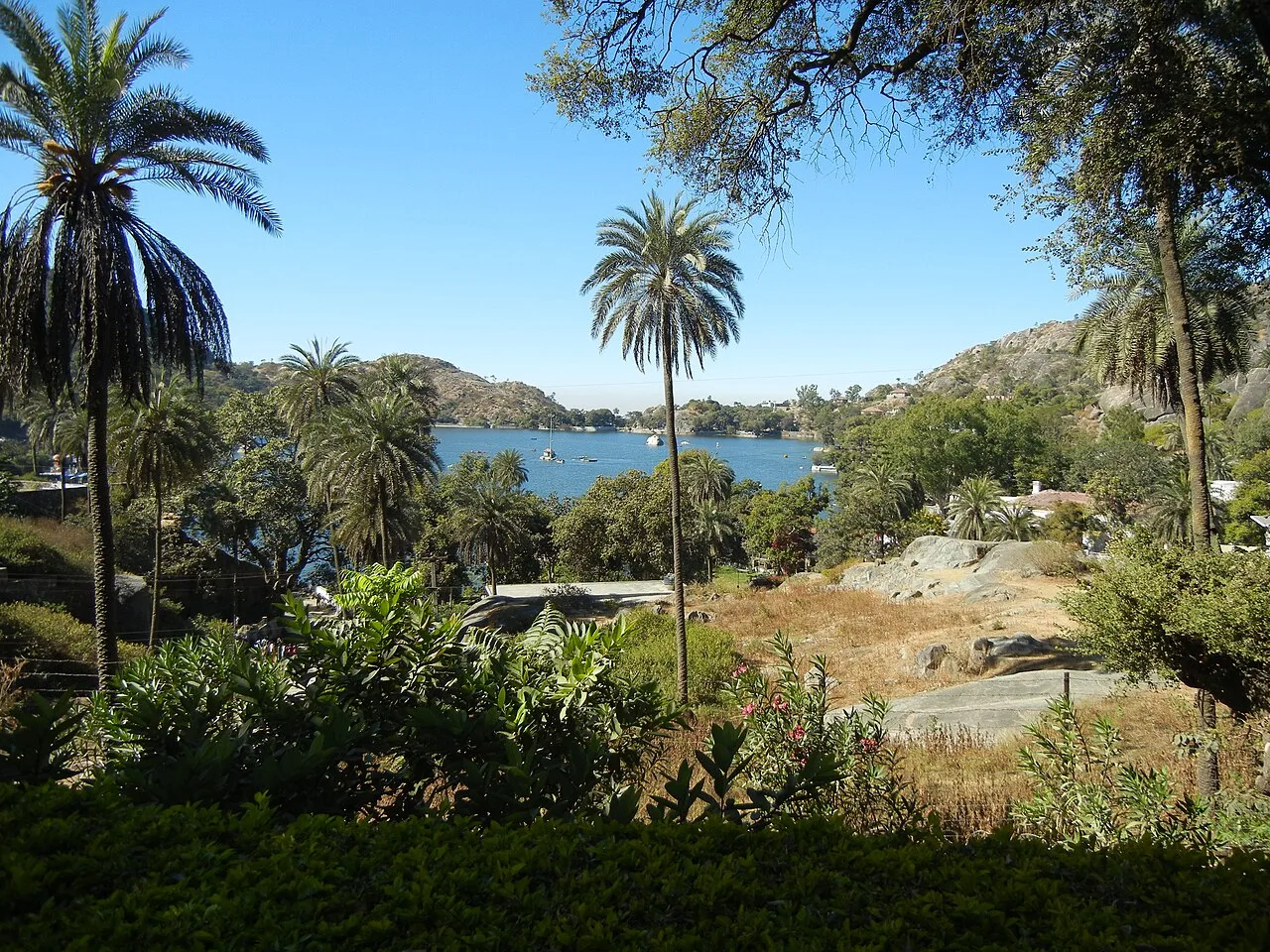
In Rajasthan’s Sirohi district, Mount Abu, also known as Abu Raj, is a hill station on a rocky plateau. Visitors come for its water features, evergreen forests and Hindu and Jain temples.
Key facts · verified by Ghumoopedia editors
- Type of place
- Natural attraction
- Best time to visit
- October to March
- Nearest railway station
- Abu Road · about 15 km (straight line)
- Verified
- 21 Nov 2026
Plan a trip from Mount Abu — a day-by-day route through places nearby.
Mount Abu, also called Abu Raj, is a hill station in western India, within Rajasthan’s Sirohi district. The settlement occupies a rocky plateau that extends 22 km (14 mi) lengthwise and measures 9 km (5.6 mi) across. Rivers, lakes and waterfalls, together with evergreen forests, give the mountain its reputation as an oasis amid desert surroundings. The area is also home to numerous temples associated with Hindu and Jain traditions. Rajasthan is the land of Rajput forts and palaces, painted havelis, desert folk music, puppetry and colourful fairs such as the Pushkar camel fair. Rajasthan is very hot from April to June — often above 45 °C in the desert — with a short monsoon in July–September. Winter days are pleasant and nights are cold, especially in the Thar Desert. Mount Abu is the state's only hill station and stays cooler. The usual best time to visit is October to March. Timings, fees and access arrangements must be confirmed locally. For official information, see Rajasthan Tourism at https://www.tourism.rajasthan.gov.in.
Why it matters
Abu Raj, formerly Mount Abu, is a hill station in Sirohi district and Rajasthan’s only hill station. Its cooler climate, rocky plateau, lakes, waterfalls and evergreen forest distinguish it from the surrounding dry region; the description “oasis in the desert” reflects this contrast. The Mount Abu Wildlife Sanctuary gives the area formal importance for nature conservation. Mount Abu is also a major pilgrimage destination, especially for the Jain temples at Dilwara, and a regional centre for Hindu shrines and local tourism. Its temples, landscape and market draw visitors from across Rajasthan and neighbouring Gujarat. These are established regional and religious associations; Mount Abu is not a UNESCO World Heritage Site.
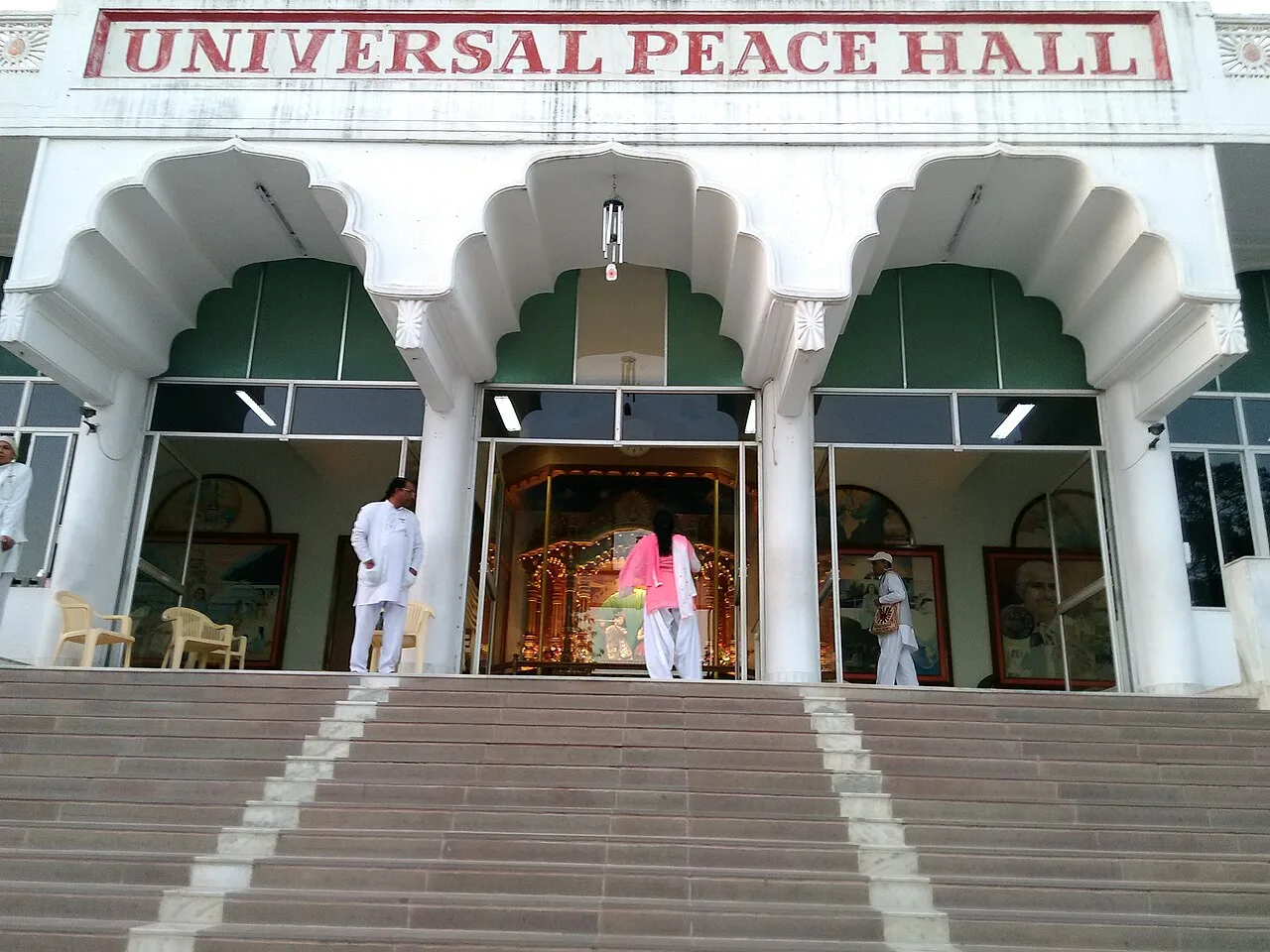
The mountain has long held religious importance. Ancient and medieval traditions associate it with the name Arbudāraṇya, though accounts of its earliest settlement and name vary. The best-known historic monuments are the Jain temples at Dilwara. Their principal complexes were built in the medieval period: the Vimal Vasahi is traditionally dated to the 11th century, while the Luna Vasahi is associated with the 13th century. Vimal Shah and the brothers Vastupal and Tejpal are named in accounts of their construction. The temples are noted for intricately carved marble and have been maintained and conserved over generations. Achalgarh, a fort and temple complex above the town, is associated with the 15th-century ruler Rana Kumbha, who is credited with rebuilding the fort. In the colonial period, Mount Abu developed as a hill retreat for officials and visitors seeking cooler weather. After independence, tourism and pilgrimage became central to the local economy. The surrounding Mount Abu Wildlife Sanctuary was established in 1960, giving the area a formal conservation role alongside its religious and historic significance.
Origin stories & folklore
According to local tradition, the mountain’s name is linked to Arbuda, a serpent said to have saved Shiva’s bull, Nandi, from a crevasse. In some versions, the serpent’s intervention helped form or protect the mountain. Another widely told account connects Mount Abu with the sage Vashistha. It says that he performed a sacred fire rite here, and that warrior lineages emerged from the fire; this story is associated with the origin of the Agnikula Rajputs. These are religious and regional legends, not established historical explanations. Versions differ between communities and tellings, and visitors should treat temples and ritual spaces respectfully.
Use Mount Abu as a base to understand local life: walk through the market, look for local crafts and ask your host about nearby viewpoints and short excursions. Always ask before photographing people, homes or ceremonies. A comfortable itinerary is one main visit in the morning, a local meal at midday and a short nearby stop before an afternoon return. Use the district list on this site to find other places in Sirohi, but check the route and its condition before combining stops. If a festival or fair is on, roads and stays can be busy — and the experience can be unforgettable. Leave no litter: many sites are protected by the communities around them.
Suggested itineraries
Half day: Walk through the market (about 1 hour), visit Nakki Lake and a nearby viewpoint (about 1–2 hours), then take a relaxed meal (about 1 hour). Full day: Visit Dilwara temples (allow about 1–2 hours), pause for lunch, explore Achalgarh or a viewpoint (about 1–2 hours), then return to town for the market or lake (about 1 hour); confirm access and travel conditions locally. Gentler option: Choose one accessible central stop, such as the lakefront, with a taxi between locations, frequent rests and a nearby meal.
Mount Abu’s living culture reflects its position in Rajasthan and its proximity to Gujarat. Hindi and varieties of Rajasthani are widely heard, alongside Gujarati, particularly among visitors and traders. Jain and Hindu pilgrimage traditions shape activity around temples, while the town’s market and hospitality businesses serve a diverse stream of travellers. Folk music and dance traditions are part of the wider region, though performances are not a guaranteed daily feature. Local dress varies with occasion and community; visitors may see traditional garments at festivals and ceremonies. Modest clothing and courteous behaviour are appreciated at shrines, and permission should be sought before photographing worshippers or rituals.
Local communities
The town’s residents include people working in tourism, hotels, restaurants, shops, transport and guiding. Jain pilgrims and temple communities maintain important religious links with the area. In the wider Sirohi region, Garasia and other tribal communities have longstanding connections to the landscape; livelihoods may include farming, animal husbandry, trade and wage work, varying by household and season. Some families also work in forest-related or conservation-linked activities where permitted. Mount Abu’s visitor economy brings together local residents, seasonal workers and travellers from elsewhere. Ask before photographing people, homes or community events, and do not assume that customs are the same across groups.
Festivals & events
Mount Abu’s Summer Festival is generally associated with the late-spring or early-summer visitor season, while the Winter Festival is usually held in winter; programmes and schedules can vary by year. Rajasthan’s Gangaur and Teej traditions may also be observed locally, though the scale of celebrations changes. Jain religious observances bring pilgrims to Dilwara and other shrines at different times of the year. Festival periods can mean busier roads, crowded market areas and higher demand for accommodation, so check current local information and plan transport and lodging ahead. Be considerate around processions and worship, and follow instructions from organisers.
Local food in Rajasthan includes dal baati churma, gatte ki sabzi, ker sangri, laal maas, pyaaz kachori, mirchi vada, ghewar, mawa kachori and chaach (spiced buttermilk). Ask what is fresh that day; many small eateries cook a limited daily menu. Vegetarian travellers eat very well across this region, and most towns also have non-vegetarian options. Remote sites may have no restaurant at all. Carry water and snacks, eat a proper breakfast before long drives, and ask your accommodation for a packed lunch if you are heading out early. Try a home-cooked or dhaba meal when you can — it is often the best food on the route. Choose busy, clean places and carry your packaging back with you.
Shopping & local experiences
The town market is a place to browse for textiles, embroidered items, handicrafts, souvenirs and everyday goods; selection and provenance vary between shops. Ask sellers about materials and whether an item is locally made before buying. Packaged sweets, snacks and regional food products can make practical gifts, while cafés and restaurants offer a chance to sample local and neighbouring-state flavours. Avoid buying products made from wildlife or restricted forest materials. Bargaining may be customary in some stalls, but keep it courteous and pay attention to quality, packaging and waste.
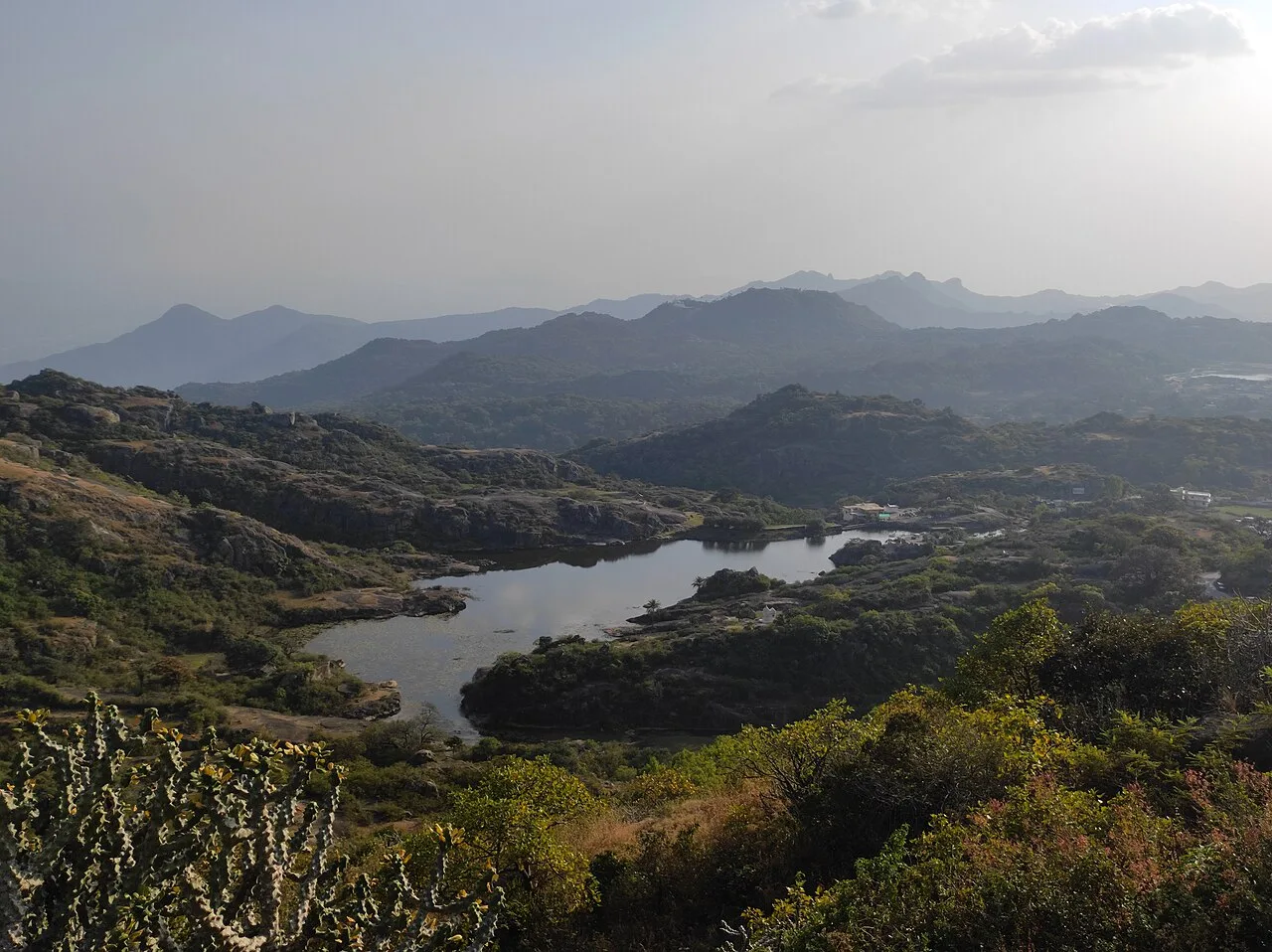
Mount Abu rises as a rocky plateau with steep slopes, wooded valleys and seasonal streams. The area is known for Nakki Lake, waterfalls during or after the monsoon, and patches of evergreen vegetation that contrast with the drier country around it. The Mount Abu Wildlife Sanctuary protects varied habitats, including dry deciduous woodland and moister forest in sheltered areas. Plant life includes native trees, shrubs and grasses; flowering and water conditions change with season and rainfall. Wildlife in the region includes mammals such as langurs, wild boar and leopard, as well as many resident and migratory birds. Sightings are never assured. Keep to appropriate paths, avoid feeding animals and take all litter away.
October to March
The nearest principal railway station by straight-line distance is Abu Road, roughly 15 km away. The nearest operating airport by straight-line distance is Maharana Pratap Airport, Udaipur, roughly 120 km away. These figures are calculated from map coordinates — actual road distance is longer. Jaipur, Ajmer, Jodhpur, Udaipur and Kota are the main rail hubs, and Jaipur, Udaipur and Jodhpur have the most flights; Delhi is the usual gateway for the north-east of the state. For the final leg, Rajasthan State Road Transport Corporation (RSRTC) buses and private coaches link district towns; shared taxis usually leave early in the morning. A private taxi gives more flexibility for remote sites. When comparing train, bus and flight, count the complete door-to-door time: a flight saves the most time only if the onward road transfer is short, while an overnight train can save a hotel night. Book your return before you leave, because seats fill quickly on weekends, festivals and holidays. Current train numbers, timings, return services and fares are not listed here; check IRCTC and NTES for trains and the airline's own schedule for flights. No permit is needed to visit Rajasthan. Land close to the international border west of Jaisalmer and Barmer is restricted beyond certain points: places such as Tanot can be visited, but border outposts need Border Security Force permission. Forts and palaces charge entry and camera fees, and tiger-reserve safaris must be booked through the official forest department portal.
Confirm onward and return timings on IRCTC / NTES, the state bus operator or your airline before travel. A dash means current timings or fares have not been verified.
Getting around
Taxis and auto-rickshaws are common options for moving around Mount Abu, while walking works for some central streets and market visits. Roads are hilly and viewpoints or attractions may be spread out, so a taxi can be practical for a sequence of stops. Local buses and shared vehicles may connect the town with nearby places, but routes and availability should be checked locally. Parking can be limited or busy near popular sites, particularly during festivals and holidays. Boats may operate on Nakki Lake subject to local conditions and rules. Agree on the destination and any waiting arrangement before starting a hired journey.
Hours, tickets & permissions
Entry arrangements differ between the town’s public areas, the wildlife sanctuary and individual temples or attractions. Some places may have entry tickets, vehicle restrictions, permits or separate rules for cameras; religious sites may ask visitors to follow dress and conduct requirements. These rules can change, and access may be affected by conservation work, weather or ceremonies. Confirm current opening hours, entry conditions and fees with the relevant managing authority or temple before setting out. Carry identification if requested by an operator or authority, and follow posted instructions rather than relying on older travel information.
Facilities
Mount Abu has hotels, restaurants, cafés, shops and basic visitor services in and around the town centre. Toilets, drinking water, parking and food options are usually easier to find near busy public attractions than on quieter roads or nature trails; check locally before relying on them. ATMs are available in town, though carrying some cash can be useful. Guides may be available for particular sites, but credentials and current availability should be confirmed. Facilities inside temples, sanctuary areas and smaller viewpoints vary. Carry water, take rubbish with you and use designated bins where provided.
Accessibility
Mount Abu’s slopes, uneven paths and changing elevations can make getting around tiring. Some central streets and lakefront areas are relatively easy to reach, but surfaces may be crowded, steep or irregular. Temple complexes and viewpoints can involve steps, walking and standing; access differs by site, and wheelchair or stroller access should not be assumed. Shade is limited on some routes, while wooded areas may offer more shelter. Older visitors and people with reduced mobility may find a taxi between stops helpful and should allow extra rest time. Check site-specific access conditions before travelling, especially after rain.
No permit is needed to visit Rajasthan. Land close to the international border west of Jaisalmer and Barmer is restricted beyond certain points: places such as Tanot can be visited, but border outposts need Border Security Force permission. Forts and palaces charge entry and camera fees, and tiger-reserve safaris must be booked through the official forest department portal. Carry a photo ID at all times and save the emergency number 112 and your accommodation's contact offline. Heat in summer and fog in winter are the main weather risks; carry water and allow extra travel time on foggy December–January mornings. Respect community rules, private property and posted instructions. Follow local guidance if access changes.
Photography
Early morning and late afternoon often provide softer light for the plateau, lake and wooded viewpoints, though mist and weather can change visibility. Public outdoor scenery is generally photographed by visitors, but individual attractions may set their own camera rules or charge separate fees. Confirm restrictions at temple entrances and sanctuary sites. Drone use may be restricted by local rules, security requirements or conservation concerns; do not fly without explicit permission. Ask before photographing people, homes, ceremonies or worshippers, and avoid disrupting prayer or blocking pathways for a picture.
Choose a stay by the full journey to Mount Abu, not just the district name. Heritage havelis, fort hotels, state tourism (RTDC) hotels and desert camps offer distinctive stays; check that a desert camp is licensed and has proper toilets. In summer, check air-conditioning or coolers; in December and January, check heating and hot water. Book in advance for weekends, festivals and the peak season (October to March). Confirm the exact location, meals included, check-in time and cancellation terms in writing. Avoid sending money to unverified contacts or touts at stations. Carry some cash, as card and digital payments can be unreliable in remote areas.
Within Mount Abu, visitors can combine a town visit with Nakki Lake, Dilwara Jain temples, Achalgarh, Guru Shikhar, Toad Rock, Sunset Point or Trevor’s Tank, subject to local access and conditions. The Mount Abu Wildlife Sanctuary offers a broader natural setting, but visitors should check which areas and routes are open. Abu Road is the principal rail gateway for the hill station and has its own town services. Sirohi town is another district stop for travellers exploring the region. Check road conditions and realistic travel time before combining several sites in one day.
For couples, Mount Abu rewards a slow pace: arrive early for soft light and fewer crowds, share a local meal and keep the evening free. A heritage hotel or a lakeside sunset makes the trip memorable. Public displays of affection can be frowned upon in conservative communities and at religious sites, so be discreet. Keep a buffer in your itinerary, because weather and traffic can delay plans.
Q: How much time should I allow for Mount Abu? A: A half day can cover a central walk and one nearby stop; a full day allows time for temples, viewpoints and breaks. Q: When is the best season to visit? A: October to March is generally a comfortable period. Summer is cooler than much of Rajasthan, while monsoon weather can affect roads and visibility. Q: Is entry free, or do I need a ticket? A: Rules vary by attraction. Check current entry, camera and permit requirements with the relevant site authority. Q: Is Mount Abu suitable for children and elderly visitors? A: Many families visit, but hilly roads, steps and uneven paths require care. Choose fewer stops, allow rests and check access at each site. Q: Can I stay nearby? A: Yes. Mount Abu has accommodation across a range of types; book ahead during festival periods and busy holiday seasons.
Be the first to share photos, stories, advice or a helpful contact for Mount Abu.
Loading…