
Ghumoopedia — Explore, Discover, Experience
Sign in
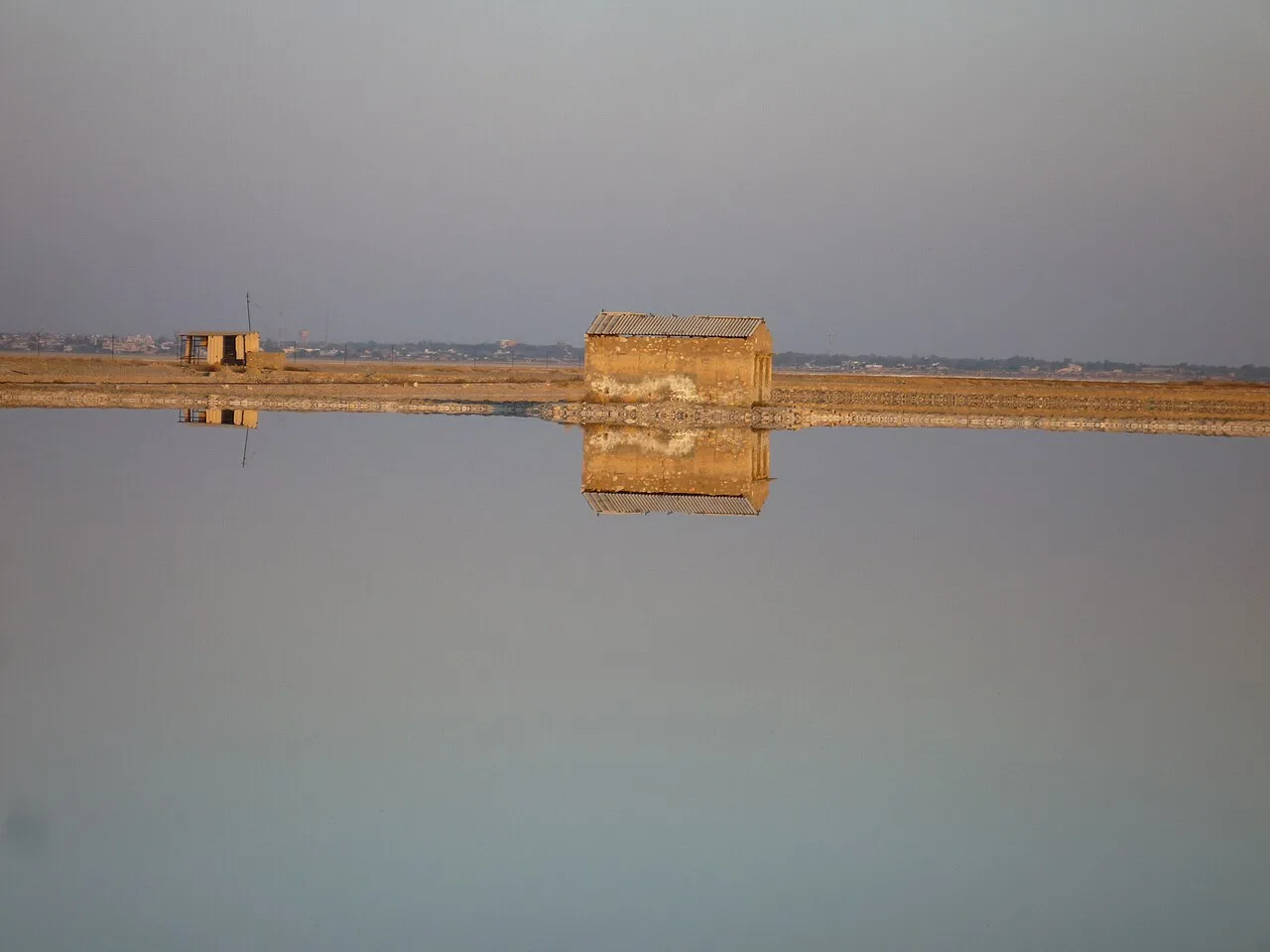
Sambhar Salt Lake, near Nawa

City guide · Rajasthan

Nawa

Nawa is a market and administrative town in Didwana-Kuchaman district, in central Rajasthan. It serves as a tehsil headquarters and a hub for nearby villages, while its salt trade gives it a wider regional role.

Famous for

  • Salt trade and markets
  • Sambhar Lake region
  • Rajasthani market town
  • Regional salt distribution
In the city
1
District
Jaipur
Plan a tripHotels near Nawa

Why Nawa matters

Nawa is a market and administrative town in Didwana-Kuchaman district, in central Rajasthan. It serves as a tehsil headquarters and a hub for nearby villages, while its salt trade gives it a wider regional role. The town lies close to the Sambhar Lake salt-producing region, and salt remains its best-known commercial connection. Its location also links it with the neighbouring districts of Jaipur, Ajmer and Sikar.

Visitors come primarily to understand the landscape and working life of Rajasthan’s salt country, rather than for a large collection of urban attractions. Sambhar Lake, outside Nawa, is a major nearby point of interest, with open saline flats and changing light across the lake basin. Within town, the bazaar offers a glimpse of everyday commerce and local routines. Nawa is a practical stop for travellers exploring the wider region, and a place to see how a small Rajasthani town’s identity can be shaped by a distinctive nearby resource.

Famous for: crafts, trade & products

Nawa is best known for salt trading and distribution, linked to the salt-producing landscape around Sambhar Lake. Salt is the town’s signature product; it is more central to Nawa’s identity than a particular textile, handicraft or branded food. The town’s bazaar is the most straightforward place to observe local trade and ask about salt products available from regional sellers. The scale and availability of goods can vary, so visitors looking for a specific product should check locally.

Nawa is not especially known as a destination for a named craft or a recognised textile tradition, and no particular GI-tagged product is associated with the town in these notes. Its shops and market mainly serve residents and surrounding settlements, offering everyday provisions and goods typical of a regional Rajasthani centre. For a closer look at the wider salt economy, travellers can explore the Sambhar Lake area, while respecting working sites and local access restrictions. Nawa’s commercial character is best understood through its market and its connection to the surrounding salt region.

History

Nawa’s growth is closely associated with its position in the salt-producing region around Sambhar Lake. The lake basin has long been an important source of salt, and trade in this resource helped sustain markets and settlements across the surrounding area. Nawa developed as a service and trading centre for nearby villages, with its bazaar reflecting the movement of goods through the region.

The town’s precise early history and the dates of its development are not widely established in commonly available accounts. Like other places in this part of Rajasthan, it experienced changes in political and administrative boundaries over time; it is now part of Didwana-Kuchaman district. In modern Rajasthan, Nawa has continued as a municipal town and an administrative centre, serving as a tehsil headquarters and panchayat samiti. Its contemporary importance rests on this local role and on the enduring connection between its market and the salt economy, rather than on a single well-documented royal monument or event.

Food, festivals & culture

Everyday life in Nawa reflects the customs of Rajasthan’s towns and villages. Hindi and Rajasthani are commonly used, with local speech belonging to the wider Marwari-influenced linguistic landscape. Meals in the region often include dal baati churma, gatte ki sabzi and seasonal preparations such as ker sangri. Sweets such as ghewar are associated with festive occasions, though menus and availability depend on the season and local shops.

Holi and Diwali are widely observed, while Teej and Gangaur bring seasonal and devotional traditions familiar across Rajasthan. Navratri is marked with worship and community gatherings. Folk music and dance, including forms such as ghoomar, belong to the broader regional culture and may feature at celebrations rather than as daily performances. Local temples and other places of worship serve as community gathering points; visitors can ask residents for directions and observe customary etiquette. Nawa’s cultural life is grounded in family, faith, market activity and the rhythms of the surrounding rural area.

Visiting the city

The cooler months, roughly October to March, are generally the most comfortable time to visit; summer can be very hot, while monsoon conditions vary. The nearest major airport is Jaipur International Airport. Nawa City railway station serves the town; check current connections before planning a rail journey. Local transport and taxis can help with trips around town and towards the Sambhar Lake area, where access to working salt sites may be limited.

Explore the central bazaar for everyday trade and local food, then use Nawa as a base for nearby settlements and the lake region. The town is compact enough for short visits to its central streets, but longer excursions are easier to arrange locally. Carry water and sun protection, especially when visiting exposed saline landscapes.

Attractions

Places to visit in Nawa

Sights within about 12 km of each other, even when they fall in different districts.

Map

Nawa on the map

  1. 1Sambhar Salt Lake

Rajasthan

Other cities to explore