Ghumoopedia — Explore, Discover, Experience
Sign in
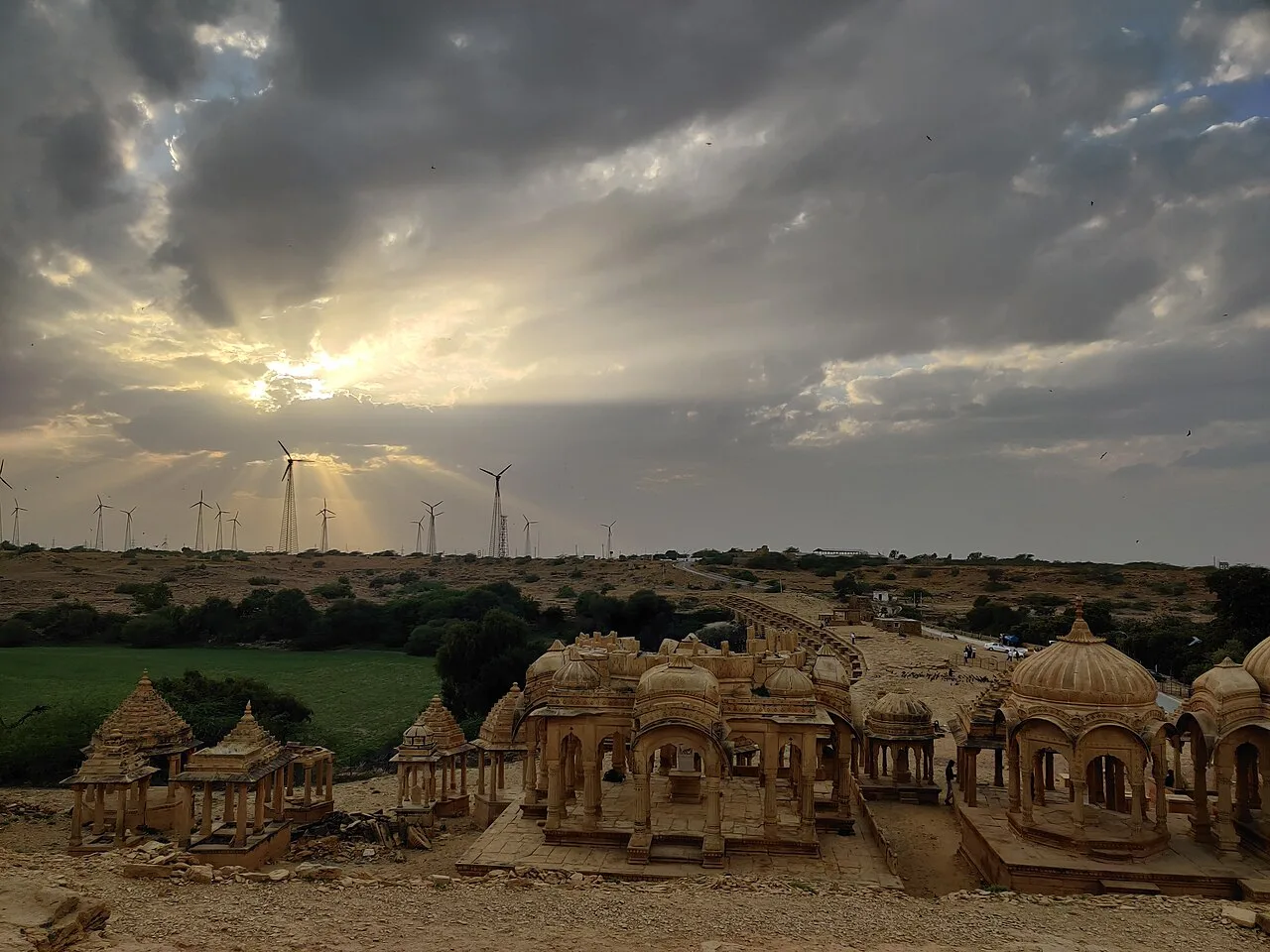
Bada Bagh, near Jaisalmer

City guide · Rajasthan

Jaisalmer

Jaisalmer, often called the Golden City, is a historic centre in western Rajasthan and the administrative headquarters of its district. Set in the Thar Desert, it grew around trade routes that once carried caravans between India and Central Asia.

Famous for

  • Jaisalmer Fort
  • Yellow sandstone carving
  • Desert camel safaris
  • Rajasthani folk music
  • Mirror-work embroidery
In the city
3
Nearby
1
District
Jaisalmer

Why Jaisalmer matters

Jaisalmer, often called the Golden City, is a historic centre in western Rajasthan and the administrative headquarters of its district. Set in the Thar Desert, it grew around trade routes that once carried caravans between India and Central Asia. Its honey-coloured sandstone buildings glow in the desert light, giving the old town a distinctive appearance.

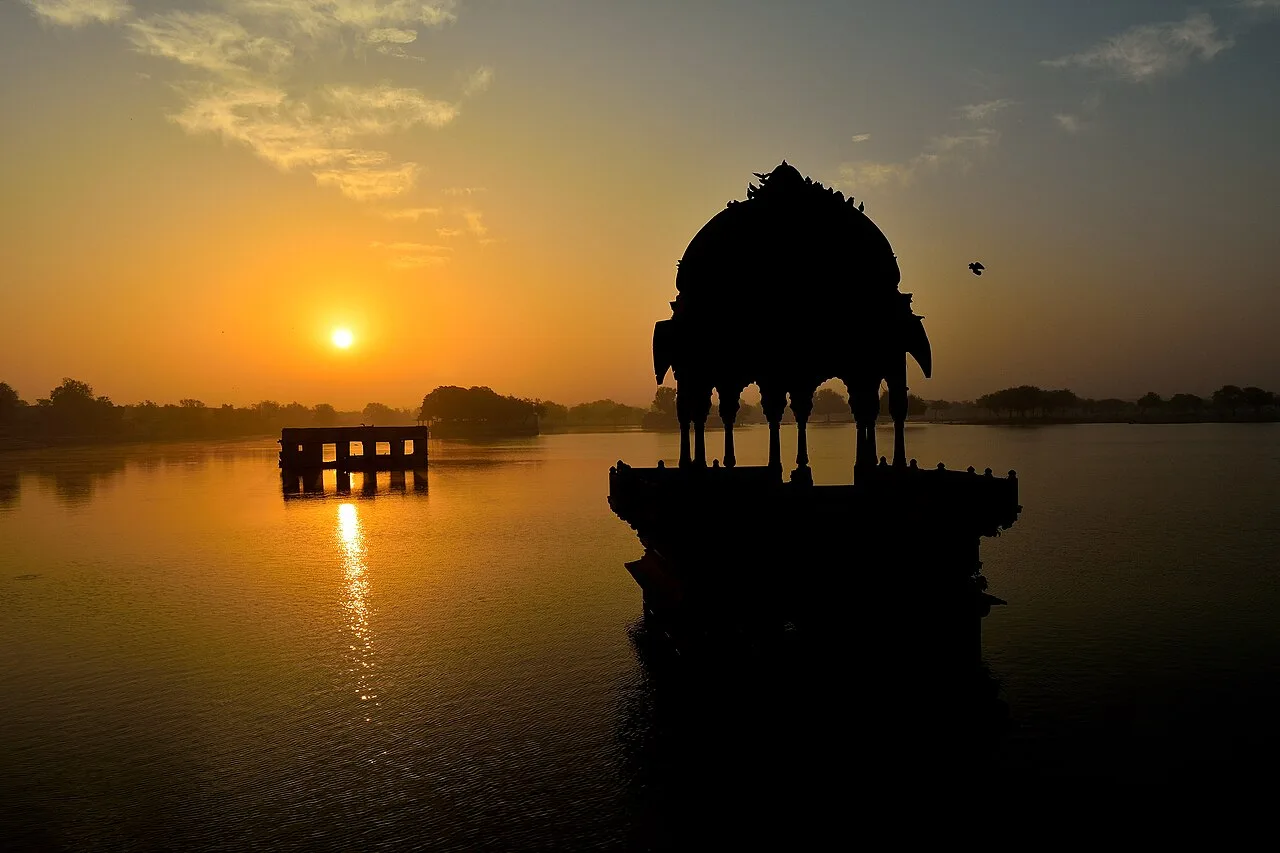
The city’s landmark is Jaisalmer Fort, a hilltop citadel recognised as part of the UNESCO-listed Hill Forts of Rajasthan. It remains a living neighbourhood, with homes, shops, a royal palace and ornate Jain temples within its walls. Below the fort, narrow lanes, carved havelis and the lakeside setting of Gadisar Lake draw visitors interested in architecture and local history. Jaisalmer is also a base for trips into the surrounding desert, including camel rides and overnight stays near the dunes. Tourism, local administration and traditional crafts shape its importance today, while the city’s sandstone architecture and desert heritage make it one of Rajasthan’s most recognisable destinations.
Famous for: crafts, trade & products

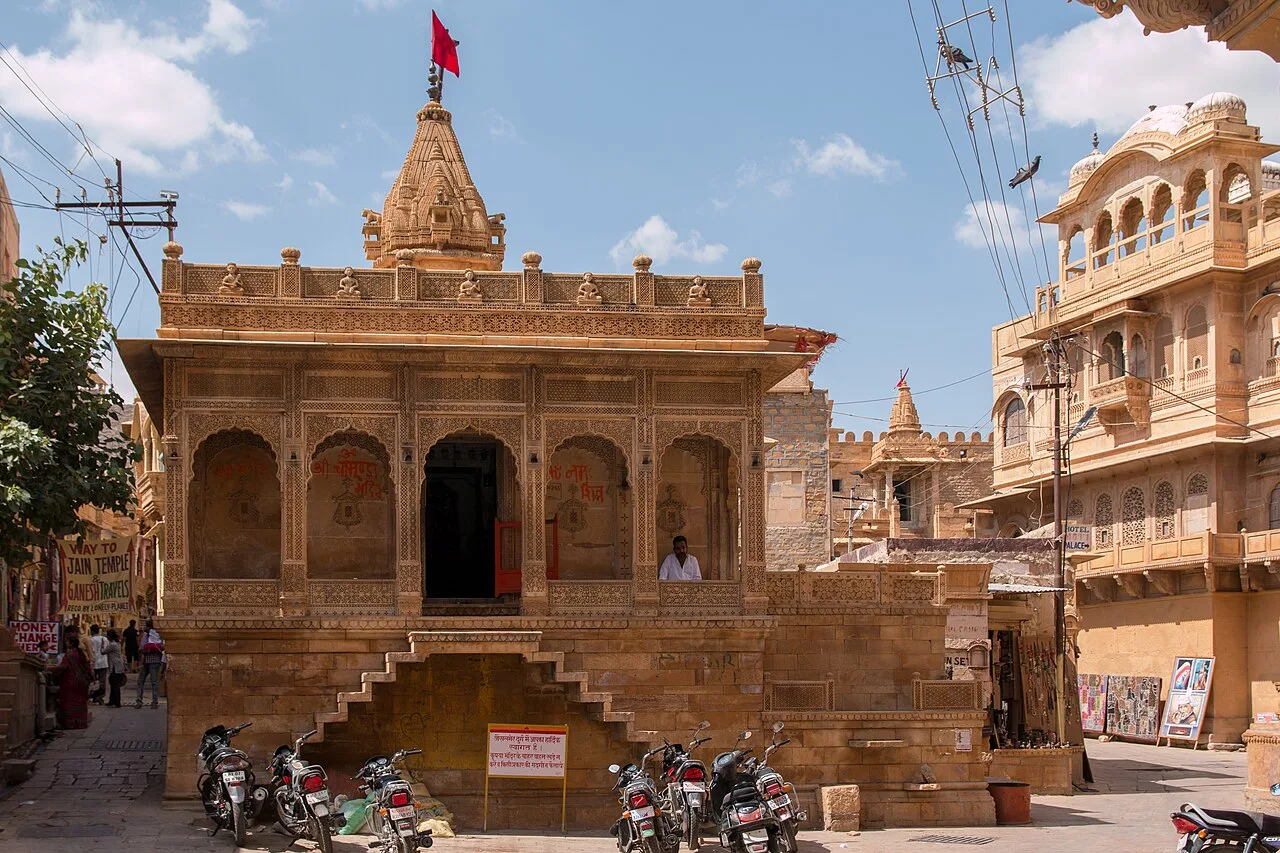
Jaisalmer’s best-known craft is the carving of local yellow sandstone, seen in the city’s havelis, temples and screens. Artisans also make embroidered textiles, mirror-work items, leather goods, puppets, jewellery and souvenirs inspired by desert life. The city is not a major saree-weaving centre; shoppers are more likely to find garments, bags and home furnishings decorated with regional embroidery. Rajasthan has several GI-recognised crafts, but visitors should check product labels rather than assume every item sold here is made locally or carries a GI status.

Sadar Bazaar, Pansari Bazaar and the lanes around Manak Chowk are useful places to browse for crafts, textiles and everyday goods. Shops near the fort offer a convenient selection, while comparing items across several stalls can help identify differences in workmanship and materials. Jaisalmer’s commercial history is tied to caravan trade, but its present-day economy is strongly linked to tourism, hospitality, stonework and handicraft sales. The fort’s palace museum and local cultural displays offer context for the architecture and craft traditions; they are complements to, rather than substitutes for, meeting makers and browsing the markets.

History

Jaisalmer was founded in 1156 by Rawal Jaisal of the Bhati Rajput clan, who established a new capital on a sandstone ridge. The state developed along important overland routes, and levies on passing caravans helped sustain its rulers and settlements. The fort became the political centre, while merchants built elaborate havelis and Jain communities established temples within its walls.

The growth of sea-based trade weakened the old caravan economy. Jaisalmer became a British protectorate in 1818, retaining its princely rulers under colonial oversight. Drought and famine also strained the region’s livestock-based and agricultural livelihoods. After India became independent, the ruler signed the Instrument of Accession to India in 1947. In the decades that followed, improved connections and public services supported the town’s development, while tourism increasingly brought attention to its fort, havelis and desert setting. Today, the historic core remains central to the city’s identity, alongside its role as a district headquarters.

Food, festivals & culture

Jaisalmer’s food reflects the dry climate and desert pantry. Dishes to look for include ker sangri, made with desert beans and berries, bajra roti, gatte ki sabzi and dal baati churma. Shops and sweet stalls serve familiar Rajasthani treats such as ladoo and ghevar, while kachori and other savoury snacks are common market fare. Recipes and availability vary between households and eateries.

The Jaisalmer Desert Festival, usually held in winter around February, brings folk performances, music and local celebrations to the city and surrounding desert. Gangaur is observed in spring, while Diwali is marked in autumn. Marwari and Hindi are widely heard, alongside other Rajasthani speech forms. Manganiyar musicians are known for their traditional singing, and Kalbelia dance is part of the wider region’s performance culture. Jain temples inside the fort are among the city’s most notable places of worship; Hindu temples and shrines are found across the town and district.

Visiting the city

The cooler months from October to March are generally the most comfortable for exploring; summer days can be intensely hot, while monsoon rain is variable. Jaisalmer Airport is the nearest airport, though scheduled flight options can be limited; Jodhpur Airport is a wider-connectivity alternative. Jaisalmer railway station is the main rail station.

Auto-rickshaws and taxis are useful for longer trips, while walking is the best way to explore the fort and many old-town lanes. Allow time for Jaisalmer Fort, the havelis below it, Gadisar Lake and the markets around Sadar Bazaar and Manak Chowk. The newer town has hotels and everyday services, while desert camps and dune excursions lie outside the city; confirm transport arrangements with your accommodation before setting out.

Attractions

Places to visit in Jaisalmer

Sights within about 12 km of each other, even when they fall in different districts.

Short trips

Around Jaisalmer

Within about 40 km — easy half-day or day trips from the city.

Map

Jaisalmer on the map

  1. 1Bada Bagh
  2. 2Gadisar Lake
  3. 3Jaisalmer Fort
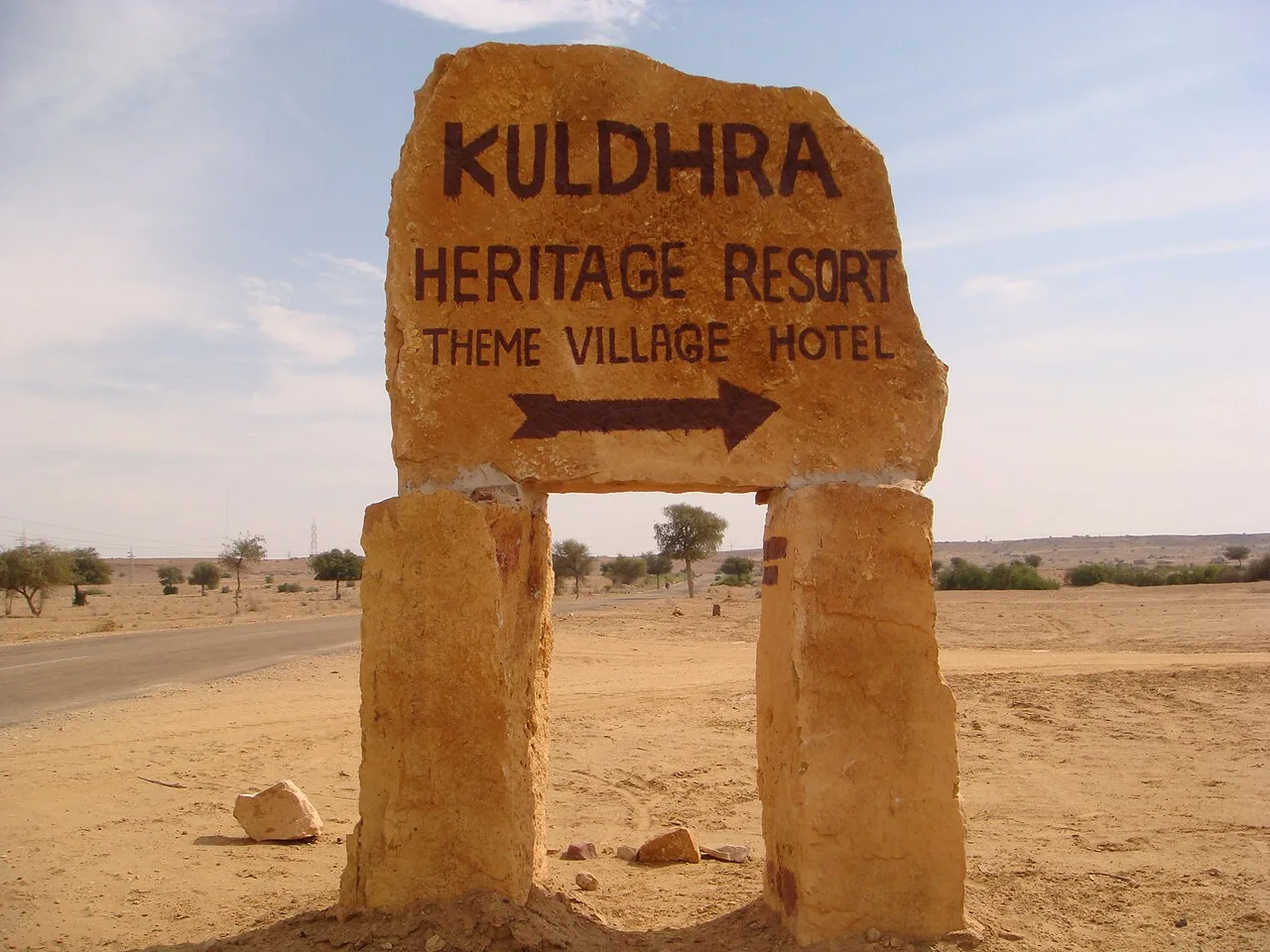
  4. 4Kuldhara

Rajasthan

Other cities to explore