
Ghumoopedia — Explore, Discover, Experience
Sign in
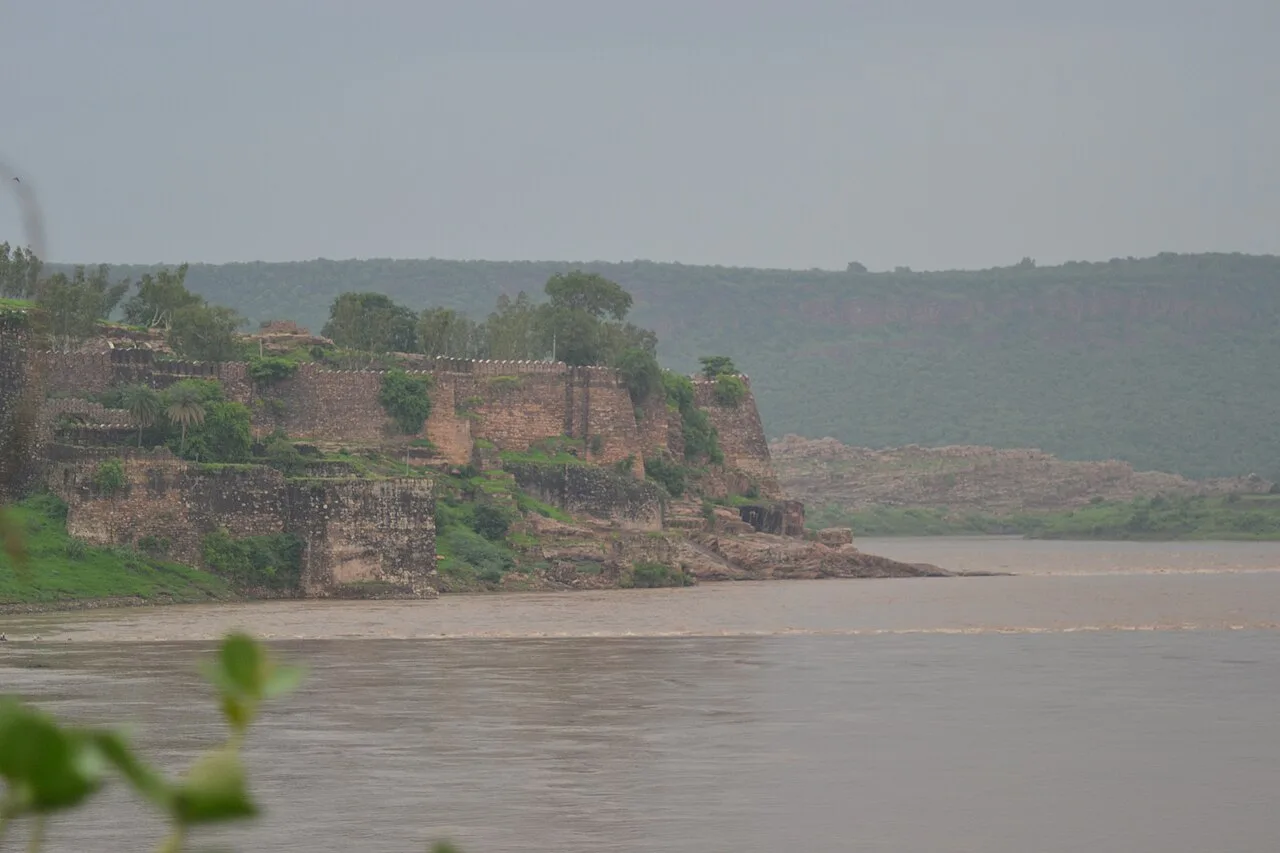
Gagron Fort, near Jhalawar

City guide · Rajasthan

Jhalawar

Jhalawar is the administrative centre of its district in southeastern Rajasthan and was once the capital of the princely state of Jhalawar. Its location near the Madhya Pradesh border gives the area a character shaped by both Hadoti and neighbouring Malwa.

Famous for

  • Garh Palace
  • Jhalrapatan Sun Temple
  • Sitaleswar Mahadev Temple
  • Gagron Fort
  • Chandrabhaga Fair
  • Regional citrus orchards
In the city
1
District
Jhalawar

Why Jhalawar matters

Jhalawar is the administrative centre of its district in southeastern Rajasthan and was once the capital of the princely state of Jhalawar. Its location near the Madhya Pradesh border gives the area a character shaped by both Hadoti and neighbouring Malwa. Visitors come for its historic palaces and temples, and for nearby Jhalrapatan, whose old shrines include the celebrated Sun Temple and Sitaleswar Mahadev Temple. Gagron Fort, set amid rivers and hills, is another major heritage attraction in the district.

The city also serves as a gateway to a greener, wetter part of Rajasthan, known for its monsoon landscape and citrus-growing countryside. Its importance today is chiefly administrative and regional: it supports surrounding towns and agricultural communities, with local markets and public services centred here. Jhalawar is less crowded than the state’s best-known tourist cities, making it a rewarding stop for travellers interested in Rajput history, temple architecture and the cultural links between Rajasthan and Malwa.

Famous for: crafts, trade & products

Jhalawar’s identity is more closely tied to its heritage and agricultural hinterland than to a signature textile or handicraft. Citrus cultivation is prominent in the surrounding district, and seasonal oranges and other local produce may be found through town markets. Historically, the princely state’s chief town, Patan or Jhalrapatan, was an important trading centre; opium, oilseeds and cotton were among its exports. These are historical associations, not a guide to present-day specialist shopping.

The city is not especially known for a distinct saree tradition, a nationally recognised craft cluster or a GI-tagged product. Visitors looking for everyday clothing, household goods and regional groceries can browse the central market areas, where shops serve both residents and nearby villages. For locally grown produce, ask vendors about what is in season rather than expecting a fixed range throughout the year. Jhalawar’s most distinctive cultural offerings are its monuments: the temples of Jhalrapatan and the nearby Gagron Fort are better-known reasons to visit than a particular manufactured product. There is no single dedicated craft market that defines the city.

History

Jhalawar began as a cantonment and township called Chaoni Umedpura, established around 1791 by Jhala Zalim Singh, the powerful dewan of Kota. Developed further around 1803–04, it was intended to serve as a military stronghold on routes used by Maratha forces approaching the Hadoti states. By the early nineteenth century it had grown into a substantial settlement with large houses and defensive walls.

In 1838, British intervention and political negotiations separated territory from Kota to create the princely state of Jhalawar for the descendants of Zalim Singh. Madan Singh became its first ruler and began building Garh Palace in the 1840s. The Jhala dynasty governed the state, and Rana Bhawani Singh later supported public works, education and administration. A municipality was established in 1883. After India’s independence, the former princely territory became part of Rajasthan, and Jhalawar developed as the district headquarters. Its historic centre and neighbouring Jhalrapatan remain important reminders of the region’s layered past.

Food, festivals & culture

Everyday cooking in Jhalawar draws on the flavours of southeastern Rajasthan and neighbouring Malwa. Meals commonly include wheat breads, lentils, seasonal vegetables and spicy preparations; familiar regional dishes such as dal baati churma and gatte ki sabzi are also found. Kachori and other savoury snacks are popular, while sweets vary by shop and season. Citrus fruit from the surrounding countryside is a notable seasonal taste.

Hindi is widely used, alongside Hadoti and other Rajasthani speech forms. Hindu festivals such as Holi in spring, Teej during the monsoon season, and Diwali in autumn are observed, with Dussehra also part of the annual calendar. The Chandrabhaga fair near Jhalrapatan, usually held around November, brings pilgrims and visitors to the river and its temples. Ghoomar and other regional folk dances may feature at celebrations. Places of worship include Jhalrapatan’s Sun Temple and Sitaleswar Mahadev Temple, as well as shrines across the city and surrounding villages.

Visiting the city

The cooler months from October to March are generally the most comfortable for exploring. The monsoon, roughly July to September, brings greener scenery but can mean wet travel conditions; summer is very hot. Jhalawar has no airport of its own. Kota Airport is the nearest airport by location, while travellers seeking more flight connections may consider Devi Ahilya Bai Holkar Airport in Indore. Jhalawar City railway station serves the town; check current connections when planning a journey.

Auto-rickshaws and local taxis are useful for getting around, while Jhalrapatan and Gagron Fort are best reached by road. Explore the central town and its market streets, then visit Garh Palace and continue to Jhalrapatan for its temples and old-town setting. Allow extra time for the countryside and the fort, especially during or just after the monsoon.

Attractions

Places to visit in Jhalawar

Sights within about 12 km of each other, even when they fall in different districts.

Map

Jhalawar on the map

  1. 1Gagron Fort

Rajasthan

Other cities to explore