
Ghumoopedia — Explore, Discover, Experience
Sign in
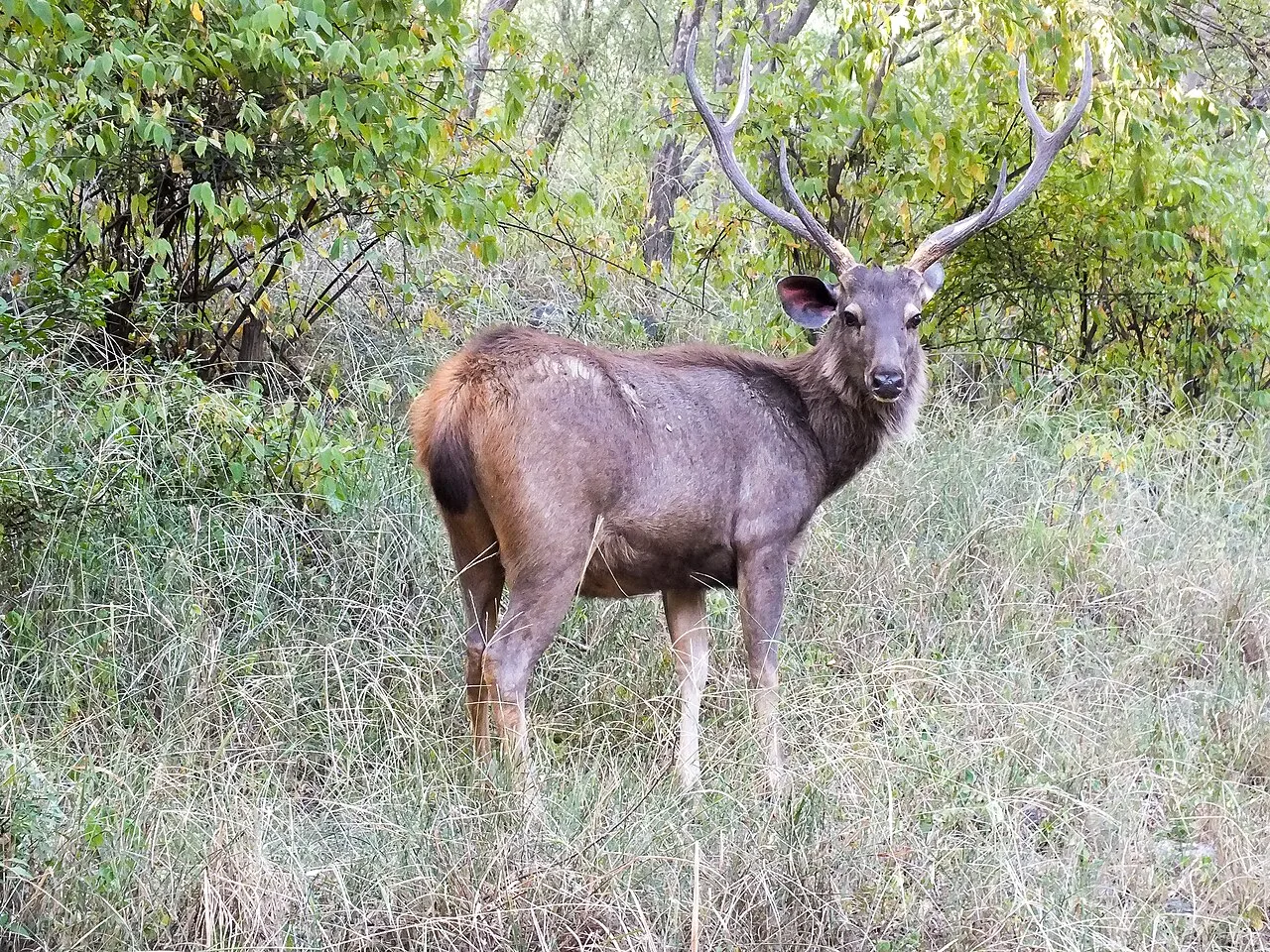
Sariska Tiger Reserve, near Baswa

City guide · Rajasthan

Baswa

Baswa is a small town in Dausa district, in Rajasthan’s Dhundhar region. Its importance is chiefly local: it serves surrounding settlements with everyday shops and services, while roads and rail links connect the area with Bandikui and other towns.

Famous for

  • Dhundhar rural commerce
  • Bandikui rail connections
  • Nearby Abhaneri stepwell
  • Mehandipur Balaji pilgrimage
  • Rajasthani village traditions
In the city
0
Nearby
1
District
Alwar
Plan a trip

Why Baswa matters

Baswa is a small town in Dausa district, in Rajasthan’s Dhundhar region. Its importance is chiefly local: it serves surrounding settlements with everyday shops and services, while roads and rail links connect the area with Bandikui and other towns. Agriculture and rural trade shape much of its daily life, rather than a large tourist or industrial economy.

Baswa can also be a convenient base for exploring places in the wider region. Abhaneri, known for Chand Baori stepwell and the Harshat Mata temple, and the Mehandipur Balaji temple are nearby destinations, though neither is within Baswa itself. Visitors passing through will find a quieter small-town setting, local markets and a chance to experience everyday life in eastern Rajasthan. Baswa is not widely known for a signature craft or major monument of its own; its appeal is its regional position and access to these better-known nearby sites.

Famous for: crafts, trade & products

Baswa’s commercial life is centred on local shops and markets serving the town and nearby villages. Agricultural produce and everyday household goods are part of this regional trade, but the town is not widely identified with a particular textile, handicraft, GI-tagged product or large-scale industry. Visitors looking for distinctive crafts or specialist shopping will generally find a broader choice in larger towns and cities in the region.

For ordinary purchases, explore the town’s central market streets, where small retailers and food shops cater mainly to local needs. These are places to see the rhythm of daily commerce rather than destination shopping areas. Local food products and seasonal produce may be available depending on the day and season, but there is no reliably established signature product to seek out. Baswa’s practical importance is also linked to transport and its role in the surrounding rural area. For heritage visits and specialist souvenirs, travellers can combine a stay in the area with Abhaneri or larger regional centres; Chand Baori and Harshat Mata temple are near Abhaneri, not in Baswa.

History

Baswa lies in the historic Dhundhar region of eastern Rajasthan, an area shaped for centuries by the rulers of the Jaipur State. Its past is best understood within this wider regional setting rather than through a well-documented record of a separate ruling house or major court based in the town. Nearby Abhaneri preserves much older architectural heritage, including Chand Baori and the Harshat Mata temple, but these monuments should not be attributed to Baswa itself.

Under princely rule, settlements in the area were connected through rural administration, agriculture and local exchange. The integration of the former Jaipur State into Rajasthan brought the region into the modern state’s administrative system. In more recent times, road links and the rail network around Bandikui have supported movement between villages and larger centres, helping local trade and access to services. Baswa has consequently developed mainly as a small town serving its surrounding area, rather than as a major historical or industrial centre.

Food, festivals & culture

Daily life in Baswa reflects the customs of eastern Rajasthan. Hindi is widely used, alongside regional Rajasthani speech, including Dhundhari influences. Home cooking and local eateries commonly draw on the wider Rajasthani repertoire: dal baati churma, bajra roti, gatte preparations and seasonal vegetables are familiar choices. Sweets such as ghewar may be associated with festive occasions, although availability varies by season and shop.

Holi, Diwali and Navratri are observed, while Gangaur and Teej bring seasonal traditions shared across Rajasthan. Folk music and dance are part of regional celebrations and family gatherings; performances are more likely at festivals or community events than as scheduled visitor attractions. Local temples serve as everyday places of worship. The better-known Mehandipur Balaji temple and the Harshat Mata temple are regional excursions, not worship sites within Baswa. Visitors should dress respectfully at places of worship and follow local guidance during ceremonies.

Visiting the city

The cooler months, roughly October to March, are generally the most comfortable time to visit; summers can be very hot, and the monsoon brings rain. Jaipur International Airport is the nearest major airport. Baswa has a local railway station, while Bandikui Junction is the principal nearby rail hub for wider connections. Check current services before travelling.

Within Baswa, local transport and road travel are the practical ways to get around. For nearby excursions, arrange a vehicle or use available regional transport toward Abhaneri and Mehandipur Balaji; both lie outside the town. Explore the central market and adjoining streets for a sense of local life. Bandikui is useful for transport and services, while Abhaneri is the area to visit for Chand Baori and the Harshat Mata temple.

Short trips

Around Baswa

Within about 40 km — easy half-day or day trips from the city.

Map

Baswa on the map

  1. 1Sariska Tiger Reserve

Rajasthan

Other cities to explore