
Ghumoopedia — Explore, Discover, Experience
Sign in
Bundi, near Bundi

City guide · Rajasthan

Bundi

Bundi is a city in Rajasthan’s Hadoti region, within Bundi district. Visitors come to explore the city and its setting in north-western India.

Famous for

  • Bundi miniature paintings
  • Taragarh Fort
  • Historic stepwells
  • Kajli Teej celebrations
  • Painted old-town havelis
In the city
3
District
Bundi

Why Bundi matters

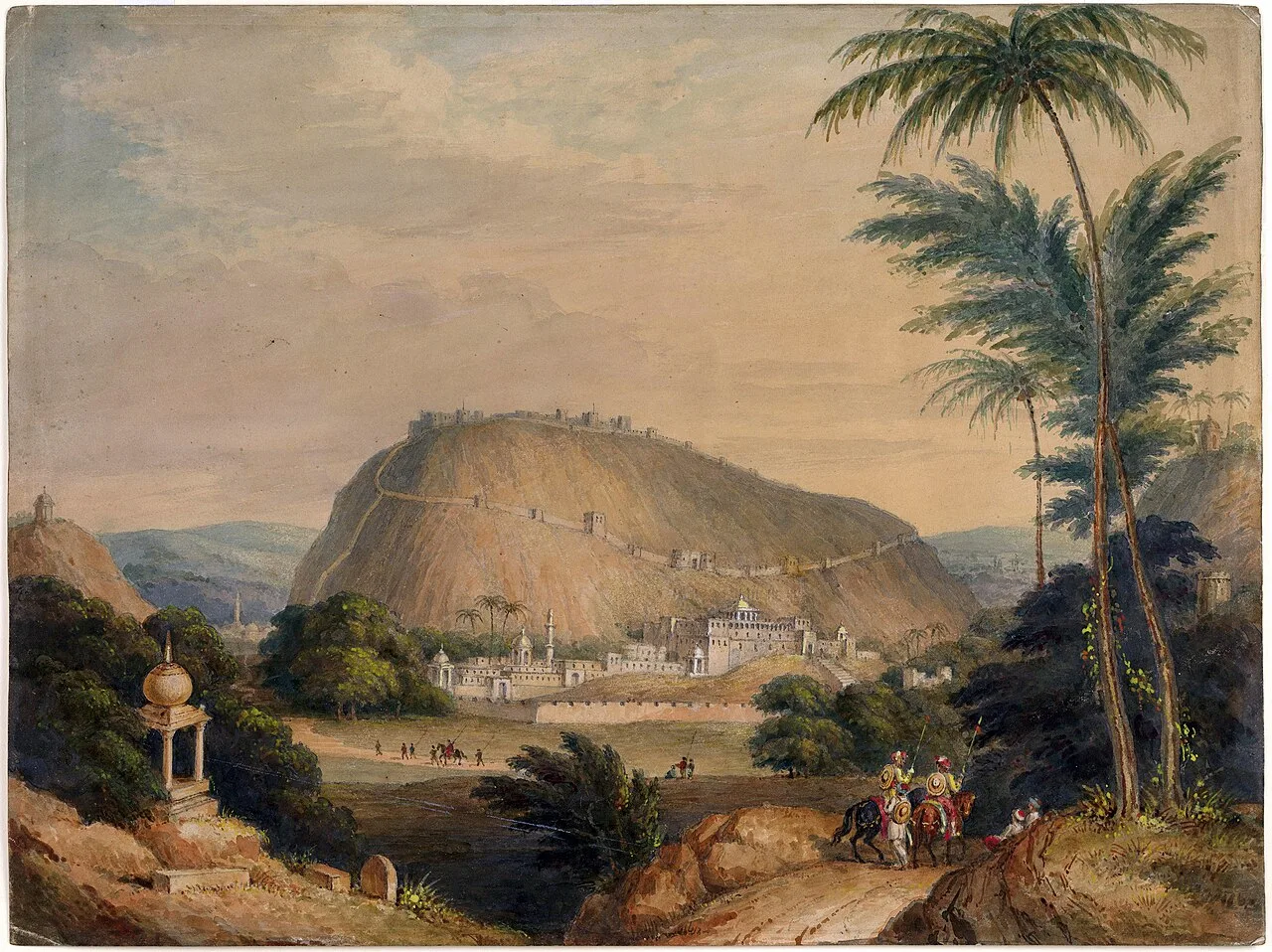
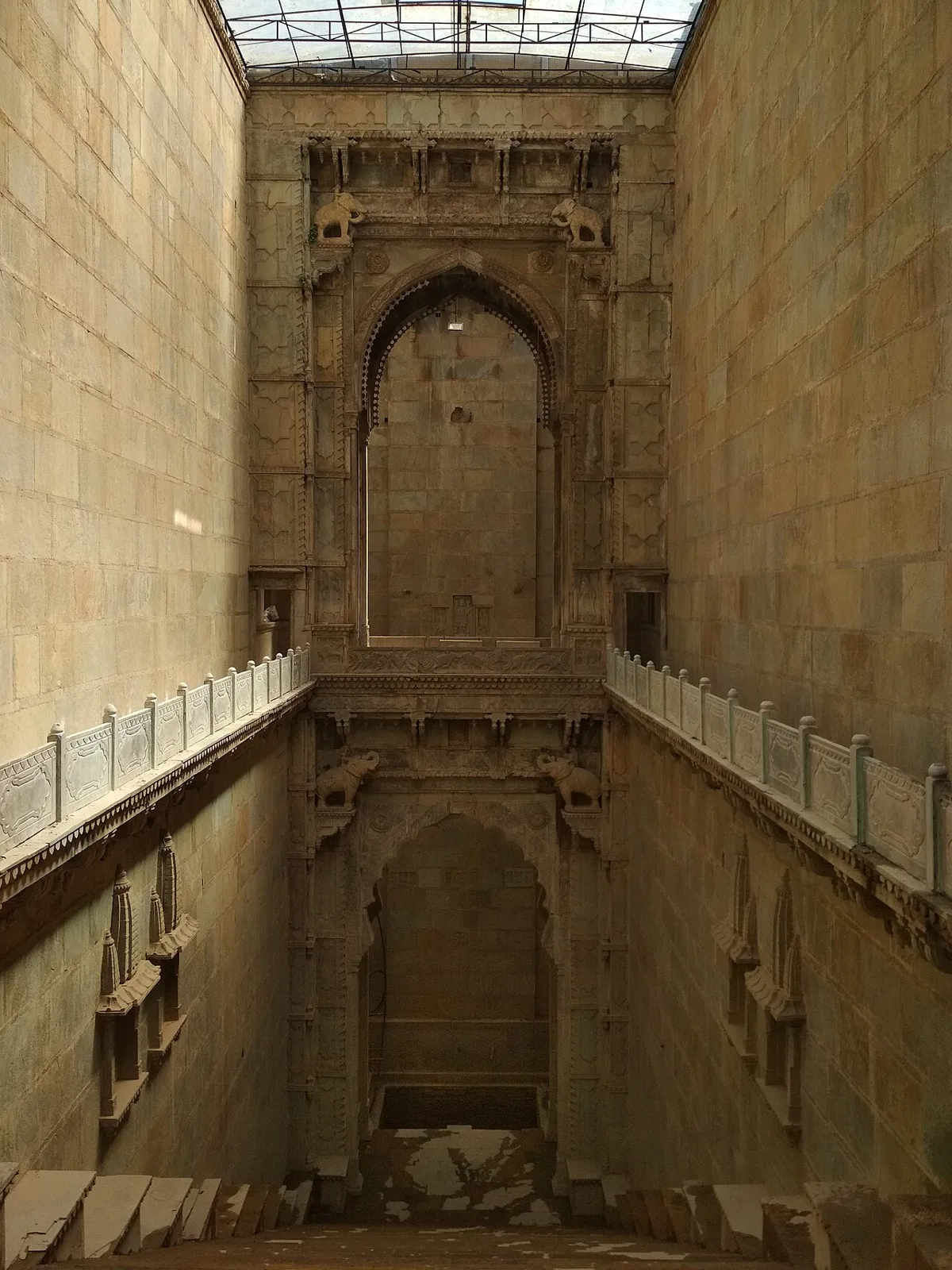
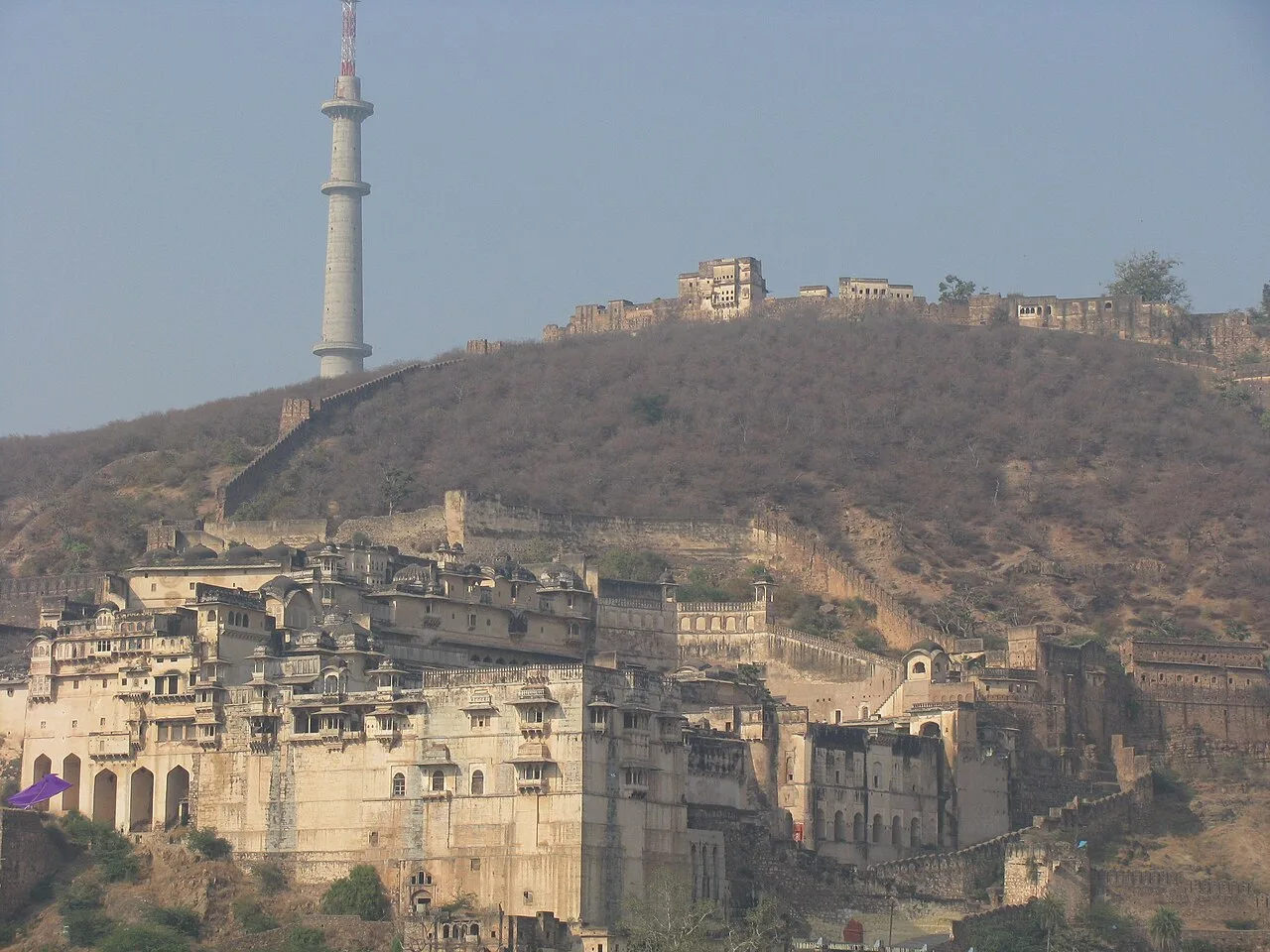
Bundi is a historic city in Rajasthan’s Hadoti region, known for its hilltop fort, palace architecture, stepwells and distinctive paintings. Its compact old town is especially appealing to visitors: narrow lanes pass blue-painted houses, ornate gateways and frescoed havelis, with views towards the Aravalli hills. Taragarh Fort and the adjoining Garh Palace form the city’s most prominent heritage complex, while Raniji ki Baori is among its celebrated stepwells.

Bundi is a quieter heritage destination than Rajasthan’s busiest tourist centres, and its sights can be explored at an unhurried pace. The city also serves as a base for discovering the wider Hadoti region. Nearby attractions include the Great Boundary Fault at Satur, recognised as a National Geological Monument, and the landscape around Jait Sagar. Bundi’s local identity is closely tied to the former princely state and to the Bundi school of painting, whose detailed scenes and vivid colours remain visible in palace murals and inspire contemporary artists.
Famous for: crafts, trade & products

Bundi is best known for its miniature-painting tradition, often called the Bundi school. Artists depicted courtly life, nature and religious themes in finely detailed compositions, and murals in the palace complex show the tradition’s decorative character. Visitors can look for paintings and art souvenirs in the old-town bazaar and ask sellers whether a work is locally made. Bundi is not especially known as a major textile or industrial centre, and no particular GI-tagged product is closely associated with the city.

For everyday shopping, the lanes around Sadar Bazaar and the central old town are the main places to browse. Shops and stalls offer clothing, jewellery, household goods and souvenirs, with stock varying by season and seller. Traditional crafts and painting-inspired items may also be found, though buyers should check the maker and materials rather than assume an item was produced locally. The market is as much a place to experience Bundi’s daily life as to shop: its narrow streets, old façades and small businesses make a pleasant contrast to the city’s grand monuments.

History

Archaeological discoveries near Bundi indicate human activity in the area as far back as the Stone Age. The city’s name is commonly linked to Bunda Meena, a 13th-century chieftain. In 1241, Chauhan nobles established Bundi as the centre of a kingdom in Hadoti, after taking control of the territory from local Meena and Bhil communities.

Following the Mughal siege of Ranthambore in 1568, Bundi ruler Rao Surjan Singh made an agreement with the Mughal Empire while retaining considerable autonomy. In 1818, Rao Raja Bishan Singh allied with the British East India Company amid regional Maratha influence. Bundi remained a princely state under British rule. Its last ruler signed the Instrument of Accession in 1949, bringing it into the new Dominion of India. The fort, palace, stepwells and painted residences preserve traces of these changing periods and remain central to the city’s heritage today.

Food, festivals & culture

Bundi shares the food traditions of Rajasthan and Hadoti. Visitors may find dal baati churma, gatte ki sabzi, kachori and seasonal sweets such as ghewar or mawa-based treats in local eateries and sweet shops. Menus vary, so these are regional favourites rather than dishes unique to Bundi. Hindi and the local Hadoti variety of Rajasthani are widely heard; English is more common in visitor-facing businesses.

Kajli Teej is one of Bundi’s best-known celebrations and usually falls during the monsoon season, bringing processions and public festivities. Bundi Utsav is generally held in the cooler part of the year and features cultural performances and heritage events; schedules can vary. Folk music and dance associated with Rajasthan appear at festivals and community gatherings. Places of worship include temples and shrines in the old town, alongside the city’s mosques and other neighbourhood religious sites. The palace murals and historic architecture are also an important part of Bundi’s cultural life.

Visiting the city

October to March is generally the most comfortable time to visit, with warm days and cooler evenings. The summer months are hot, while June to September brings monsoon rain and humidity. Jaipur International Airport is the nearest major airport with regular commercial services. Bundi railway station serves the city; Kota Junction is a larger regional rail hub.

Auto-rickshaws and local taxis are useful for getting between the station, hotels and sights. The old town is best explored on foot, though its lanes can be steep and uneven. Begin around Garh Palace and Taragarh Fort, then explore the stepwells and bazaar streets. Jait Sagar and Sukh Mahal make worthwhile outings beyond the central lanes. Allow time for the old town’s painted façades and small shops.

Attractions

Places to visit in Bundi

Sights within about 12 km of each other, even when they fall in different districts.

Map

Bundi on the map

  1. 1Bundi
  2. 2Raniji ki Baori
  3. 3Taragarh Fort, Bundi

Rajasthan

Other cities to explore