
Ghumoopedia — Explore, Discover, Experience
Sign in
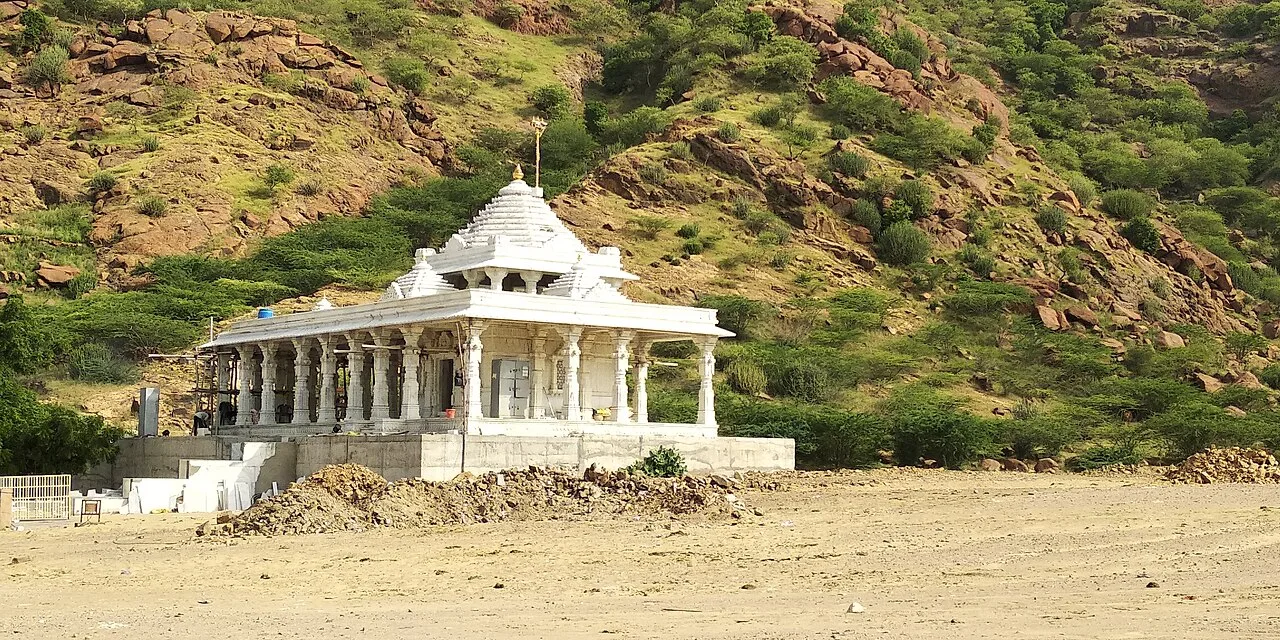
Pachpadra, near Balotra

City guide · Rajasthan

Balotra

Balotra is a regional centre in western Rajasthan, serving as the administrative headquarters of Balotra district and as a market town for surrounding communities. Its best-known modern activity is the textile trade: printed and dyed fabrics move through local workshops, processing units and wholesale markets, giving the city a distinctly commercial character.

Famous for

  • Printed cotton textiles
  • Textile dyeing and trade
  • Balotra Junction
  • Nakoda Jain temple
  • Marwari culture
In the city
1
District
Barmer

Why Balotra matters

Balotra is a regional centre in western Rajasthan, serving as the administrative headquarters of Balotra district and as a market town for surrounding communities. Its best-known modern activity is the textile trade: printed and dyed fabrics move through local workshops, processing units and wholesale markets, giving the city a distinctly commercial character. The railway connection also links Balotra with other towns in the Marwar region.

Visitors come for the contrast between a working textile town and the religious and cultural landmarks nearby. Nakoda Jain temple, an important pilgrimage destination, is an excursion from the city, while the wider area offers a glimpse of Marwari traditions and the arid landscapes of western Rajasthan. Balotra is not primarily a resort or monument city; its appeal lies in its busy markets, textile activity and role as a practical base for exploring nearby places of worship. Formerly part of Barmer district, it now anchors its own district.

Famous for: crafts, trade & products

Balotra is widely associated with the making, printing, dyeing and trading of cloth. Cotton fabrics, dress materials and household textiles are among the products found in its local trade. The city’s textile economy includes both workshops and larger processing businesses, alongside merchants who supply goods to buyers from across the region. Designs and techniques vary, so shoppers can compare printed and dyed fabrics rather than expect one single signature pattern. Balotra is not chiefly identified with a specific GI-tagged product.

The central market and textile-trading areas are the most practical places to browse or make enquiries about fabric. Wholesale shops may cater mainly to business buyers, while retail sellers offer smaller purchases; availability and access vary by shop. Some production takes place in industrial or processing premises rather than visitor-facing studios, so ask before visiting and follow any site rules. Beyond textiles, everyday markets serve residents with clothing, household goods and regional provisions. Balotra’s reputation rests more on its active textile trade than on a formal handicraft district or a single landmark product.

History

Balotra developed as a market town in the Marwar region, where settlements served the trade and daily needs of communities spread across a dry, sparsely settled landscape. Before Indian independence, the wider region was governed by the princely state of Jodhpur, under British paramountcy. Balotra’s growth was shaped less by a large royal complex than by its role as a local commercial centre.

Rail access strengthened links with other Marwar towns and helped goods and people move through the area. In the modern period, textile printing, dyeing and trading became important to the city’s economy, bringing workshops, processing businesses and associated commerce. Balotra was formerly within Barmer district; following its designation as a separate district, it became an administrative centre for the surrounding area. Its contemporary identity therefore reflects both a long-standing regional market role and newer growth tied to textiles, transport and district administration.

Food, festivals & culture

Everyday food reflects Marwari and broader Rajasthani tastes. Visitors may find dal baati churma, bajra roti, gatte ki sabzi and ker sangri, along with familiar snacks and sweets such as ghevar. Menus vary between homes and eateries, and seasonal or festival foods are part of local routines.

Hindi and Marwari are commonly heard; Marwari is especially rooted in daily regional life. Folk music traditions of western Rajasthan, including performances associated with Langa and Manganiyar musicians, form part of the wider cultural setting, while Ghoomar and Kalbelia are among the region’s well-known dance traditions. Hindu and Jain places of worship serve local communities, and nearby Nakoda Jain temple draws pilgrims. Holi and Diwali are widely observed; Teej and Gangaur bring seasonal celebrations, while Navratri is marked with devotional gatherings. Festival customs and public events can differ from year to year.

Visiting the city

The cooler months, roughly October to March, are generally the most comfortable time to visit. Summers can be very hot, so plan outdoor stops for early or later in the day. The nearest major airport is Jodhpur Airport; Balotra Junction is the main railway station serving the city. Check current transport connections before setting out, as services and onward options can change.

Auto-rickshaws and local taxis are useful for getting around town; arrange transport for excursions beyond the centre. Explore the central bazaar and textile-trading areas for the city’s everyday commercial life. Nearby religious sites, including Nakoda Jain temple, make suitable outings from Balotra. Ask locally about access and transport, particularly when visiting workshops or industrial premises, which may not be open to casual visitors.

Attractions

Places to visit in Balotra

Sights within about 12 km of each other, even when they fall in different districts.

Map

Balotra on the map

  1. 1Pachpadra

Rajasthan

Other cities to explore