Ghumoopedia — Explore, Discover, Experience
Sign in
Pushkar, near Pushkar

City guide · Rajasthan

Pushkar

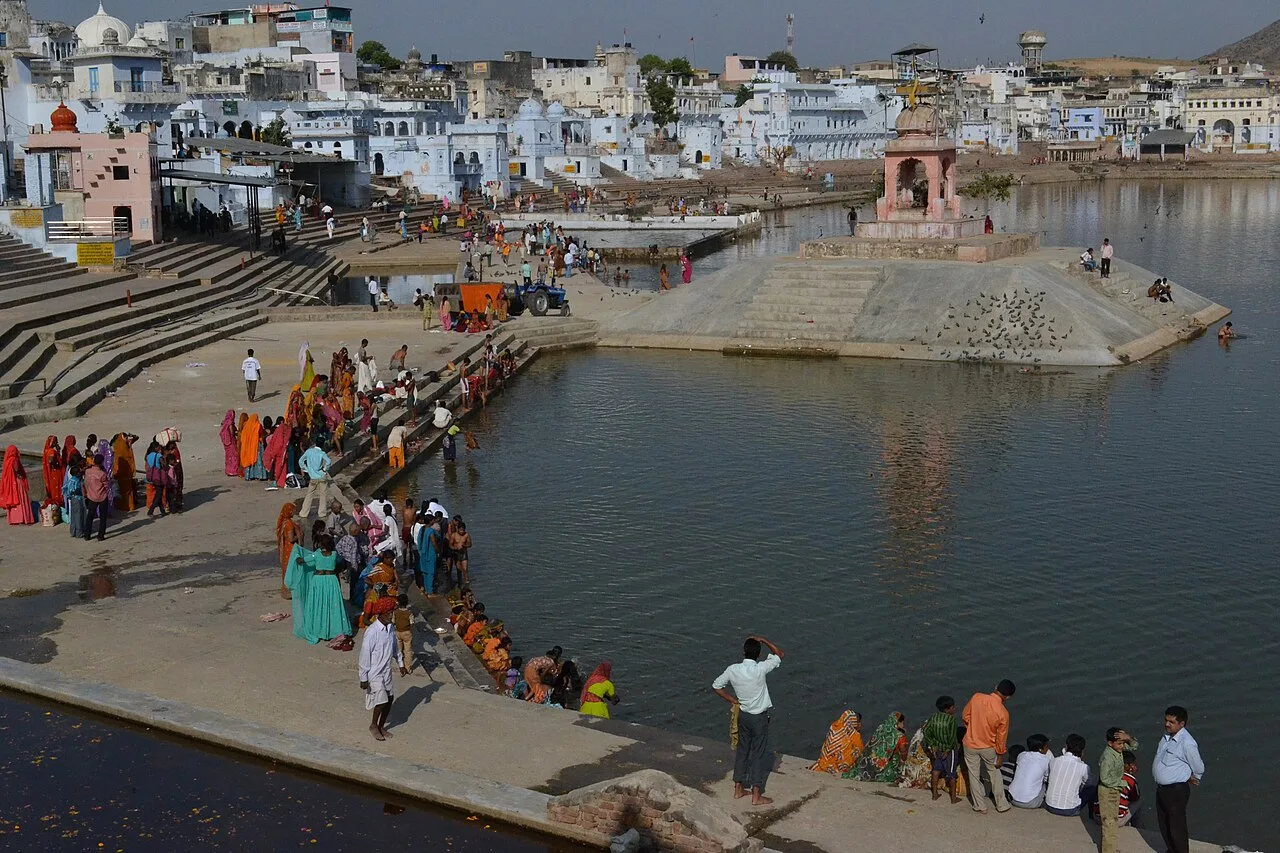
Pushkar is a historic pilgrimage town in Rajasthan, centred on a sacred lake and temples, including one of the few shrines to Brahma. Visitors come for worship, ritual bathing and its heritage.

Famous for

  • Pushkar Lake and ghats
  • Brahma Temple
  • Pushkar Camel Fair
  • Rose cultivation
  • Rajasthani folk culture
In the city
7
District
Ajmer

Why Pushkar matters

Pushkar is a temple town in Rajasthan’s Ajmer district, set beside a sacred lake on the edge of the Aravalli hills. About 10 kilometres from Ajmer, it is an important Hindu pilgrimage centre and a popular stop for travellers exploring the region. Its best-known landmark is the Brahma Temple, one of the relatively few temples dedicated to the creator god. Around Pushkar Lake, bathing ghats and temples create a distinctive setting for prayer and ritual.

The town’s religious identity is closely linked to the annual Pushkar Fair, held in autumn around Kartik Purnima. The event brings together pilgrimage, cultural performances and a major livestock gathering, drawing visitors from across India and abroad. Pushkar is also known for rose cultivation and the sale of rose-based products. Its compact old town, lakeside walks and lively market lanes offer a very different pace from nearby Ajmer. Together, these spiritual, cultural and trading traditions make Pushkar a significant destination in Rajasthan today.
Famous for: crafts, trade & products

Pushkar’s best-known trade event is its autumn livestock fair, where camels, horses and cattle have traditionally been bought and sold. The fair now also attracts visitors for its performances, displays and market stalls. The surrounding region is associated with rose cultivation, and rose essence is produced for wider markets; visitors may also find rose water and other rose-based goods in town.

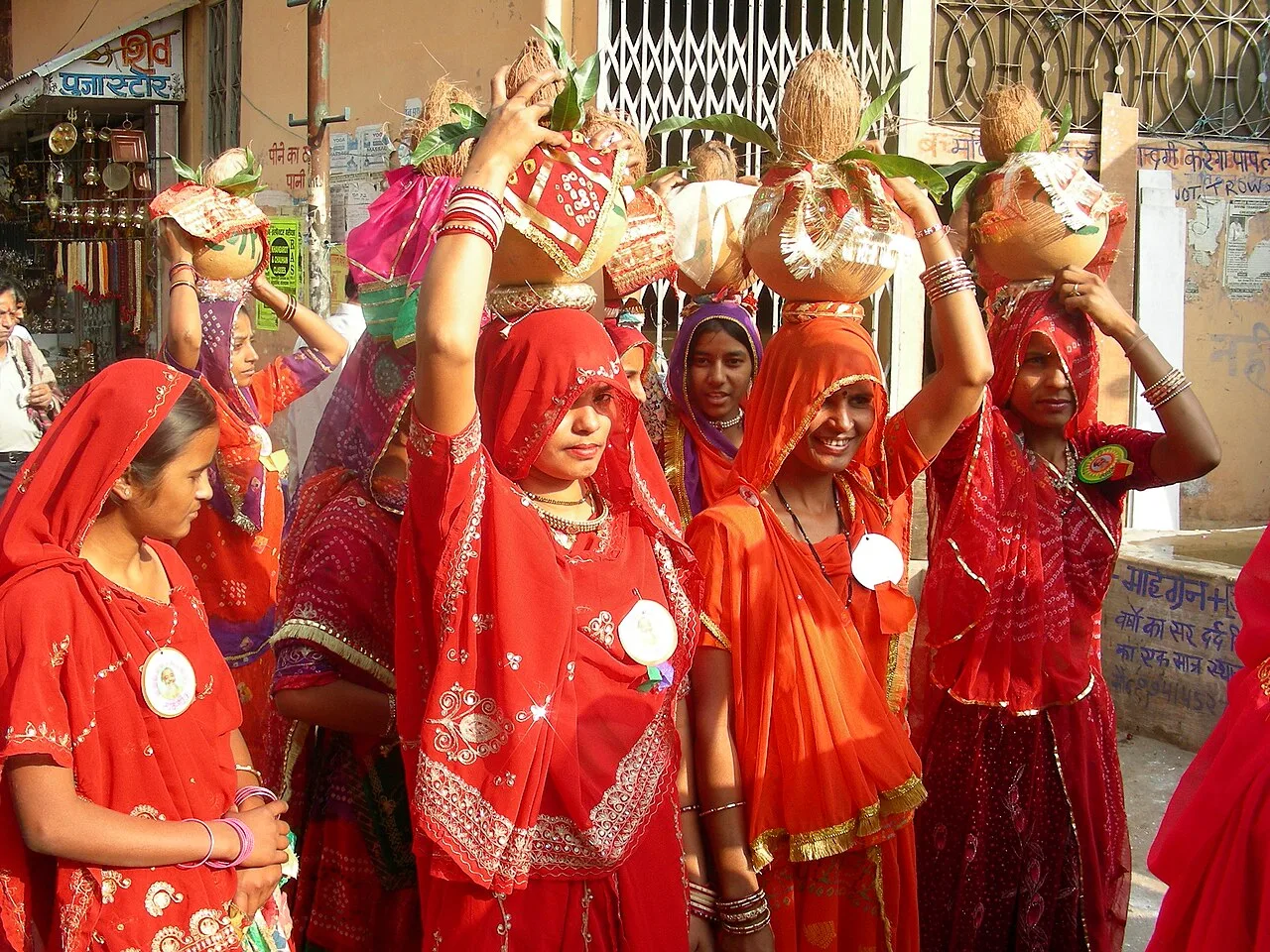
The lanes around the lake and the main bazaar are the most convenient places to browse. Shops offer souvenirs, clothing, jewellery and handicrafts, alongside devotional items and everyday goods for pilgrims. These market finds are part of Pushkar’s visitor trade rather than a single defining craft tradition. The town is not especially known for a signature textile, saree or GI-tagged product. For a more traditional local experience, explore the market on foot and look for regional merchandise, while remembering that the busiest stalls and livestock trading are especially associated with fair season.

History

Pushkar’s antiquity is reflected in archaeological evidence of early settlement in the surrounding region and in its long-standing place in Hindu religious tradition. The Ramayana, Mahabharata and Puranas refer to Pushkar, though such religious accounts are not, by themselves, historical records. A local legend explains the lake’s origin through Brahma’s lotus flower, and the town’s name is linked to the Sanskrit word for a blue lotus.

The area came under successive powers, including the Delhi Sultanate and Mughal Empire. Many temples around the lake were destroyed during periods of conflict; several were later rebuilt, especially under Marwar rulers and Maratha patrons. Most surviving temples and ghats date from the 18th century or later. Pushkar came under British rule in 1801 and remained part of the Raj until Indian independence in 1947. In modern times, pilgrimage and tourism have grown alongside the annual fair, while the nearby city of Ajmer remains the region’s main transport and service centre.

Food, festivals & culture

Pushkar is a predominantly vegetarian pilgrimage town. Visitors can try Rajasthani staples such as dal baati churma and kachori, along with sweets including malpua, which is often associated with the town. Cafés and eateries serving a range of foods cater to travellers, but local customs around the sacred lake remain important; follow signs and guidance at the ghats and places of worship.

The Pushkar Fair takes place in autumn, usually in October or November, around Kartik Purnima. It combines religious bathing and worship with livestock trading, music, performances and other cultural events. Hindi and Rajasthani are widely spoken, with Marwari also heard; English is common in many visitor-facing businesses. Folk music and dance are part of Rajasthan’s cultural presence, especially during festival events. The Brahma Temple and the many temples around Pushkar Lake are central to Hindu worship. The town also has Sikh gurdwaras, including sites associated with Guru Nanak and Guru Gobind Singh.

Visiting the city

October to March is generally a comfortable season to visit, while the autumn fair period is especially lively and can be crowded. Pushkar lies about 10 kilometres from Ajmer and is reached by road across the Aravalli hills. The nearest airport is Kishangarh Airport, around 45 kilometres away; Ajmer Junction is the nearest major railway station. From Ajmer, taxis and other road transport connect to Pushkar.

The old town is compact and best explored on foot. Begin around Pushkar Lake and its ghats, then wander through the bazaar lanes and visit the Brahma Temple. Man Mahal is another notable heritage stop. Hills around town offer elevated views, while the lakefront is a quieter place to walk outside busy festival periods. Dress modestly near places of worship and observe local rules around the ghats.

Attractions

Places to visit in Pushkar

Sights within about 12 km of each other, even when they fall in different districts.

Pushkar

Ajmer district

Pushkar

Pushkar is a historic pilgrimage town in Rajasthan, centred on a sacred lake and temples, including one of the few shrines to Brahma. Visitors come for worship, ritual bathing and its heritage.

Adhai Din Ka Jhonpra

Ajmer district

Adhai Din Ka Jhonpra

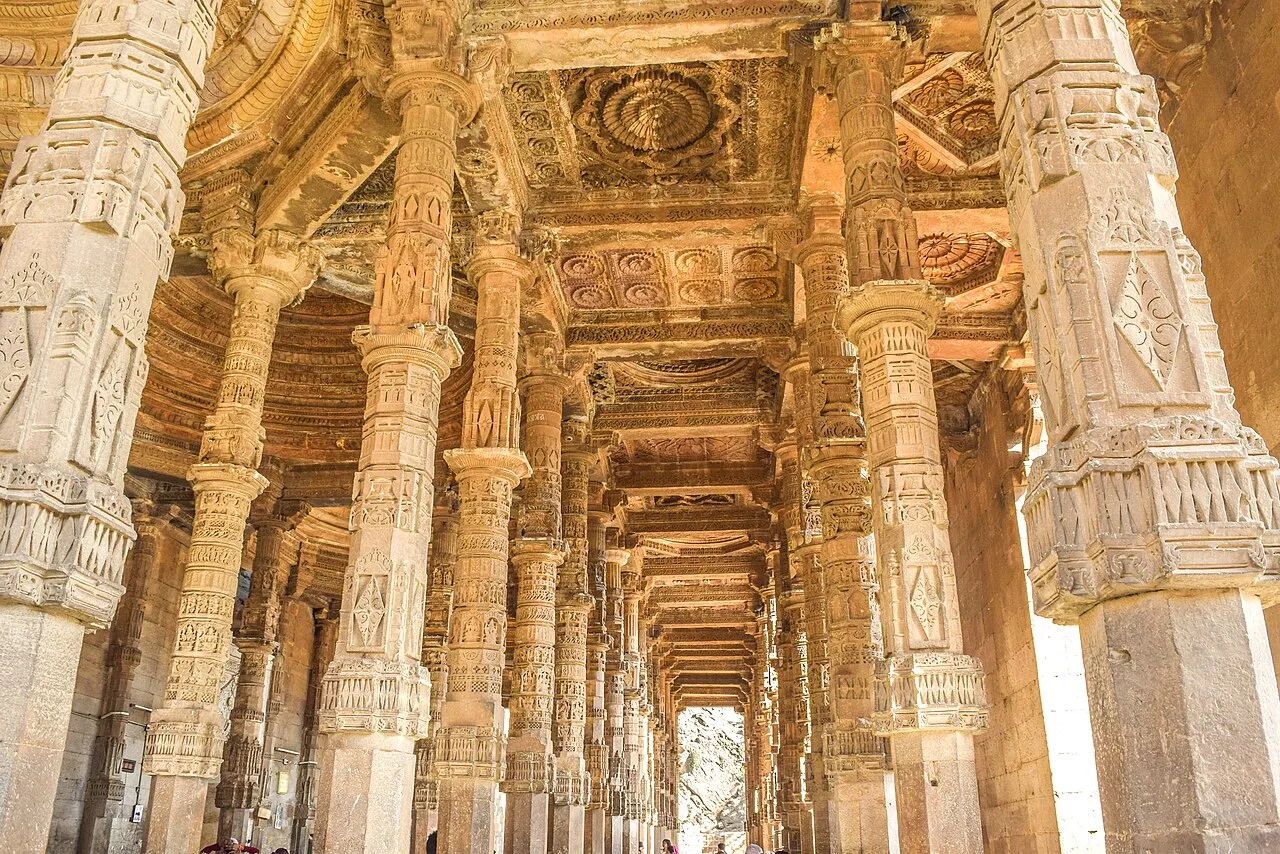
This former mosque in Ajmer, Rajasthan, is among India’s oldest mosques and the city’s oldest surviving monument. Visitors come to see its early Indo-Islamic design and its Hindu, Jain and Islamic architectural elements.

Ana Sagar Lake

Ajmer district

Ana Sagar Lake

Ana Sagar is a man-made lake in Ajmer, Rajasthan, associated with its builder Arnoraja, also called Ana. Visitors come to see this historic water body, which extends across 13 km.

Brahma Temple

Ajmer district

Brahma Temple

Located in Pushkar, Rajasthan, the Brahma Temple is a Hindu shrine near Pushkar Lake and among India’s few temples for Brahma. Pilgrims especially gather there on Kartik Poornima.

Pushkar Lake

Ajmer district

Pushkar Lake

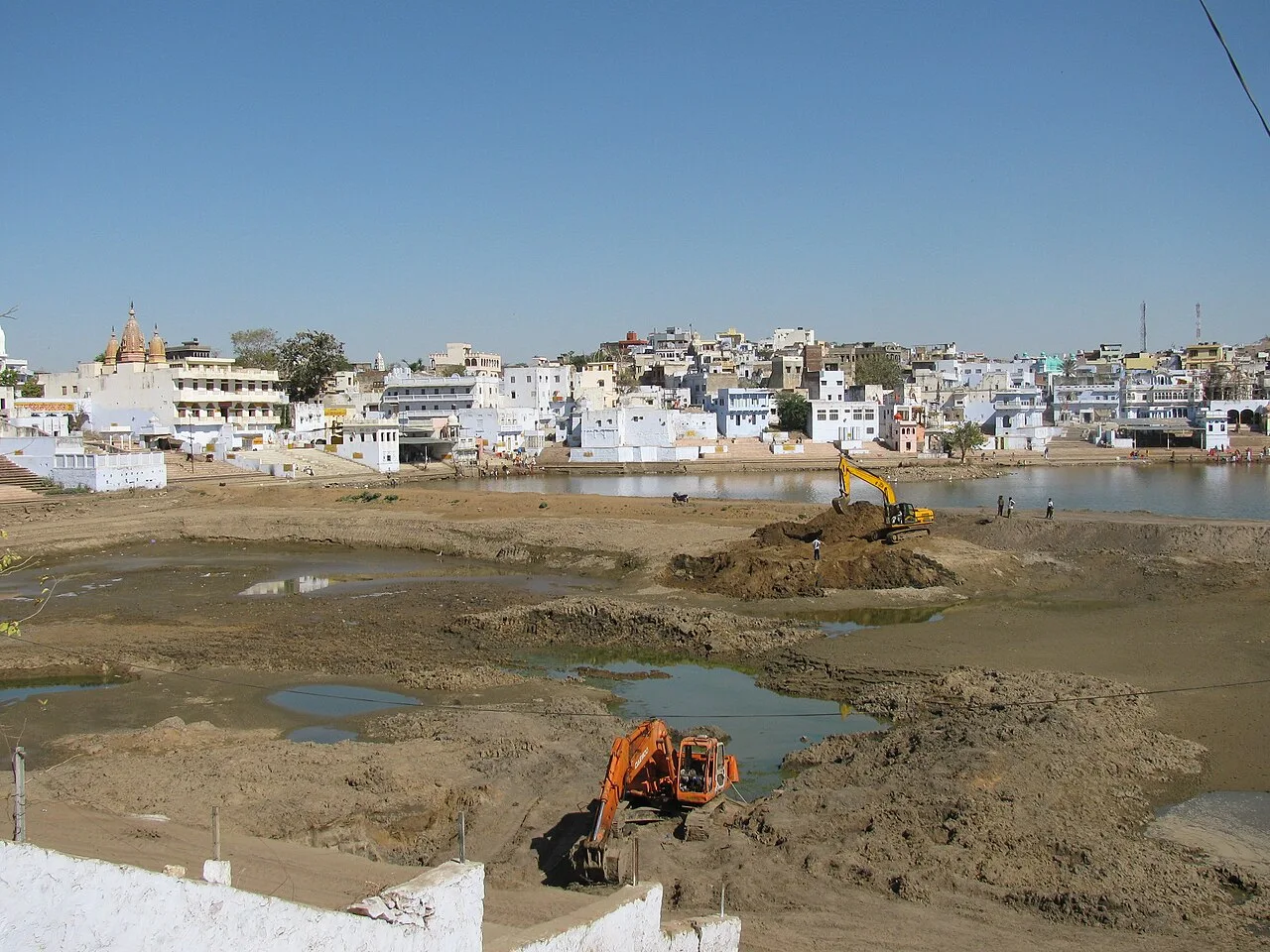
Pushkar Lake, also called Pushkar Sarovar, is a sacred lake in Rajasthan’s Ajmer district. Pilgrims come to bathe at its ghats, especially around Kartik Poornima, when the Pushkar Fair takes place.

Shrine of Mu'in al-Din Chishti

Ajmer district

Shrine of Mu'in al-Din Chishti

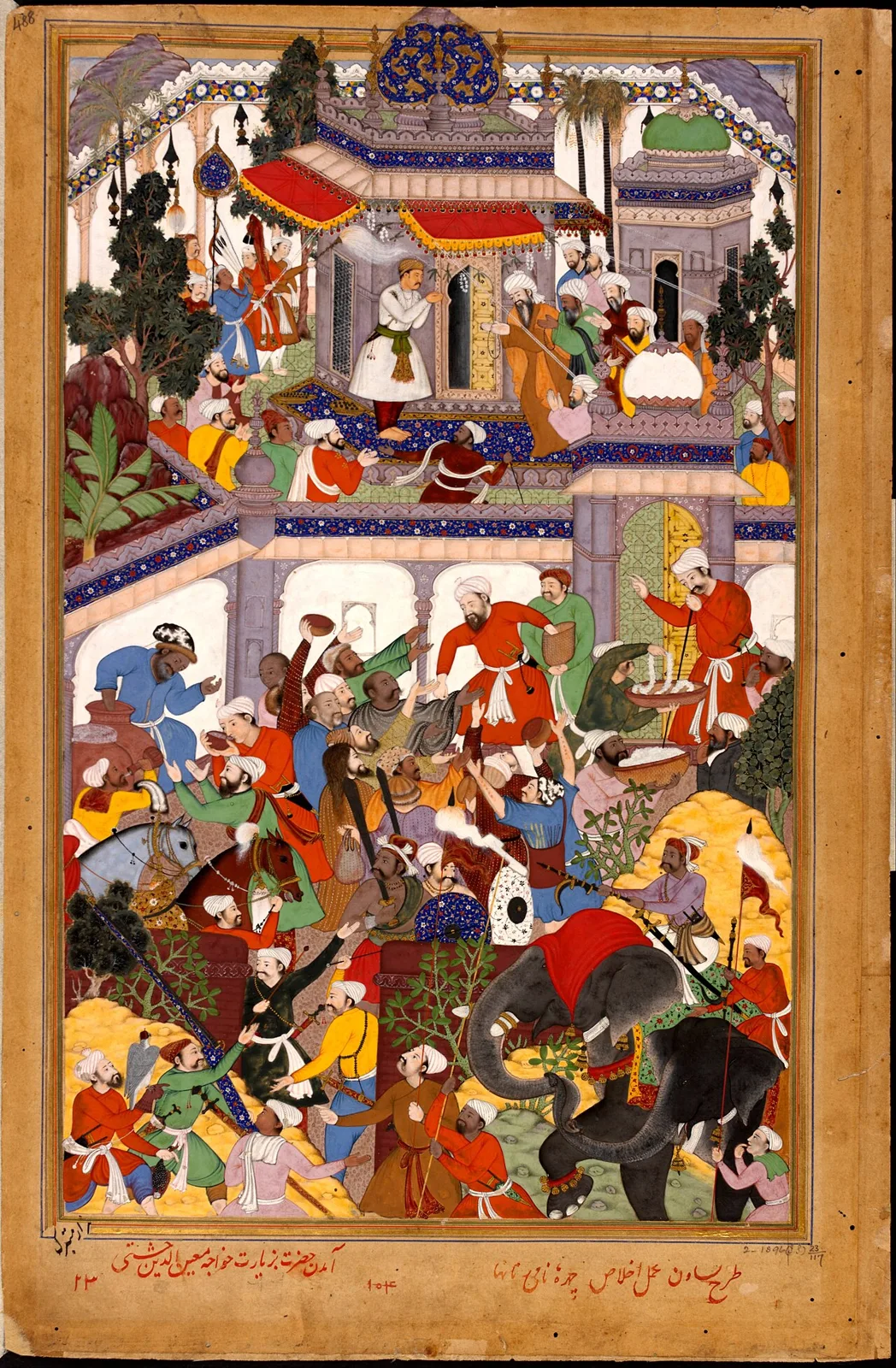
A Sufi pilgrimage complex in Ajmer, Rajasthan, centred on Mu'in al-Din Chishti’s shrine and including tombs and a mosque. Sunni Muslims visit in large numbers, particularly for Chishti’s urs.

Taragarh Fort, Ajmer

Ajmer district

Taragarh Fort, Ajmer

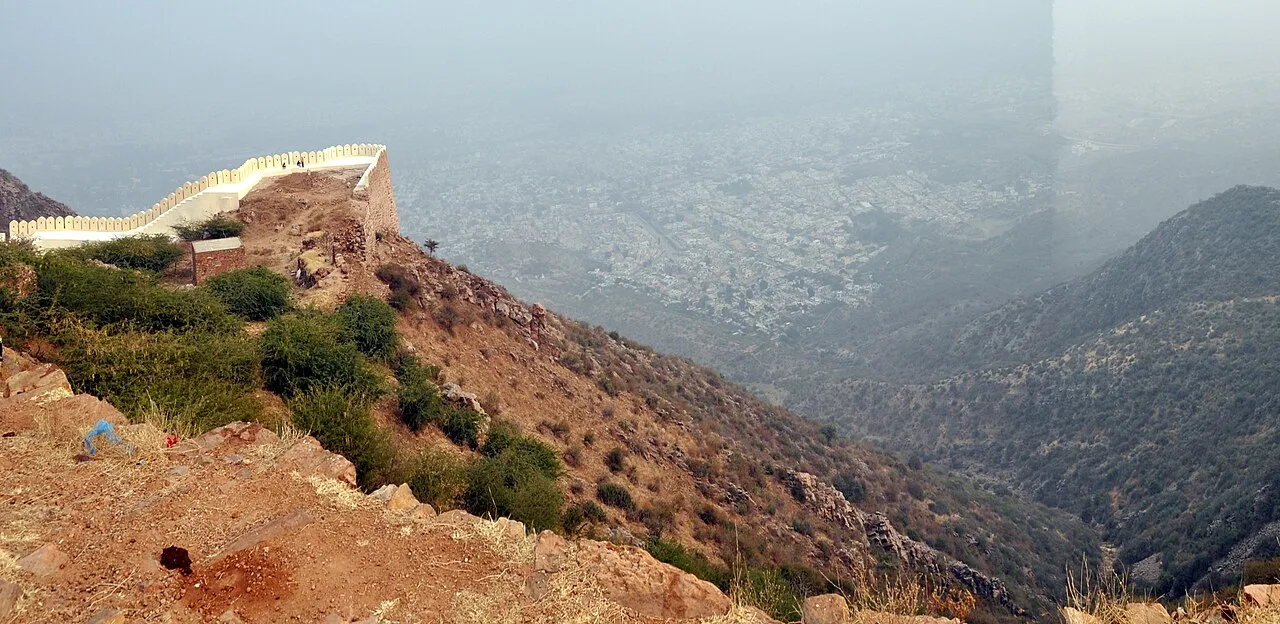
Set on a steep slope in Ajmer, Rajasthan, Taragarh Fort is a historic stronghold associated with the Parmar Rajputs and Ajayaraja Chauhan. Visitors come to see the fortress and learn about its earlier name, Ajaymeru Durg.

Map

Pushkar on the map

  1. 1Pushkar
  2. 2Adhai Din Ka Jhonpra
  3. 3Ana Sagar Lake
  4. 4Brahma Temple
  5. 5Pushkar Lake
  6. 6Shrine of Mu'in al-Din Chishti
  7. 7Taragarh Fort, Ajmer

Rajasthan

Other cities to explore