
Ghumoopedia — Explore, Discover, Experience
Sign in
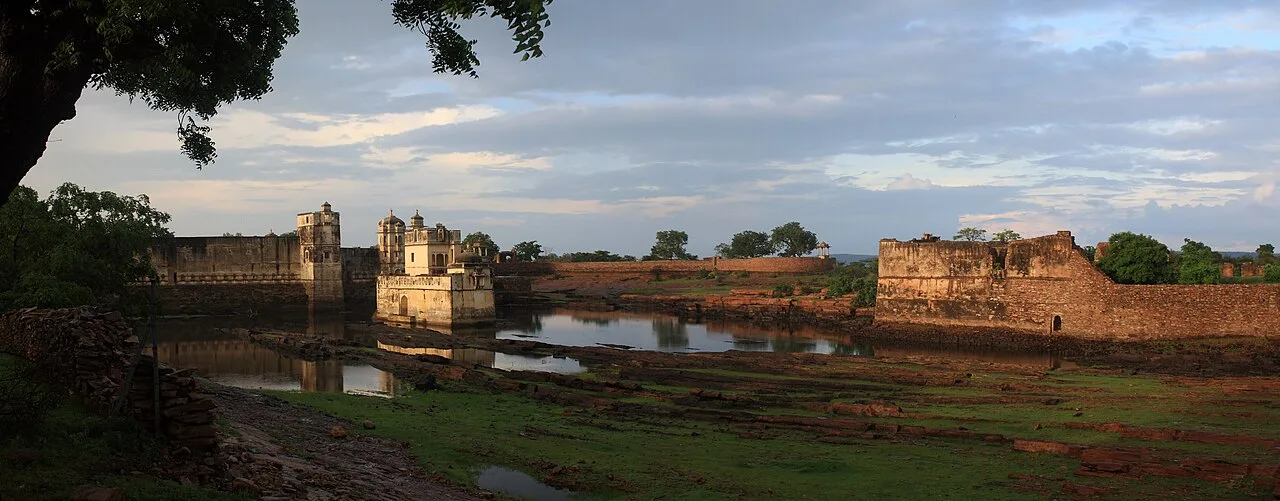
Chittor Fort, near Chittorgarh

City guide · Rajasthan

Chittorgarh

Chittorgarh is a historic city in southern Rajasthan and the administrative centre of its district. Set near the Berach and Gambhiri rivers, it has long been associated with Mewar, the Rajput kingdom whose rulers made the hilltop fort a strategic stronghold.

Famous for

  • Chittorgarh Fort
  • Mewar history
  • Meera devotion
  • Marble and cement
  • Lead-zinc industry
  • Meera Mahotsav
In the city
2
District
Chittorgarh

Why Chittorgarh matters

Chittorgarh is a historic city in southern Rajasthan and the administrative centre of its district. Set near the Berach and Gambhiri rivers, it has long been associated with Mewar, the Rajput kingdom whose rulers made the hilltop fort a strategic stronghold. Today, the fort is the city’s defining landmark: its gates, palaces, temples and memorial towers draw visitors interested in architecture, regional history and the stories of Mewar. The site is extensive, so exploring it takes time.

The city’s identity also reflects devotion and industry. Chittorgarh is closely linked with Meera, the poet and Krishna devotee, and with traditions remembered through festivals and pilgrimage. Beyond heritage tourism, it serves as a regional centre and is known for cement production, marble processing and lead-zinc smelting. These industries sit alongside the older city and its markets, giving Chittorgarh a working, contemporary character as well as a celebrated past.
Famous for: crafts, trade & products

Chittorgarh is better known for stone and mineral-based industries than for a distinctive textile or handicraft tradition. Marble is quarried, cut and polished in and around the city, while cement plants and the Chanderiya lead-zinc complex are important parts of the regional economy. Marble varieties and finished stone can be found through local dealers and showrooms; industrial areas around Chanderiya and the city’s bypass are production zones rather than typical tourist shopping streets. Ask sellers about the stone’s origin and arrange transport before buying bulky pieces.

The city also has a substantial trade in building materials and products connected with cement and metal processing. It is not especially known for a locally distinctive saree, textile craft or widely recognized GI-tagged product, so visitors looking for these may find a broader selection in larger Rajasthan markets. In the central city, general shops and market streets are more convenient for everyday goods, snacks and souvenirs. Temple offerings, devotional items and small fort-themed keepsakes are among the visitor-oriented purchases, though quality and availability vary. Industrial sites are workplaces, and access should be arranged with the relevant operators rather than assumed.

History

Chittorgarh’s past is closely bound to Chittor Fort, an ancient stronghold associated with the rulers of Mewar. The fort’s early origins are linked in tradition to Chitranga, while the Guhila and later Sisodia rulers strengthened its political importance. Under rulers such as Rana Kumbha and Rana Sanga, Chittor became a major centre of Mewar. The fort was captured in 1303 by Alauddin Khalji, in 1535 by Bahadur Shah of Gujarat, and in 1568 by the Mughal emperor Akbar. Each siege left a lasting place in the city’s historical memory.

After a settlement with the Mughals in the early seventeenth century, the fort and surrounding territory returned to Mewar, but the fort was not restored as a military stronghold. In the colonial period, Chittorgarh formed part of the princely state of Mewar under British paramountcy. In modern Rajasthan it developed as a district headquarters and industrial centre, with cement, marble and metal production complementing its heritage and pilgrimage-related tourism.

Food, festivals & culture

Everyday food draws on the wider Mewar and Rajasthani kitchen: dal baati churma, gatte ki sabzi and ker sangri are familiar choices, alongside breads, lentils and seasonal sweets. Menus vary between homes, local eateries and visitor-focused restaurants. Hindi and Mewari are widely used, and devotion to Krishna is strongly associated with the memory of Meera. Bhajans are especially prominent during religious gatherings and the Meera Mahotsav, held around Sharad Purnima with music, devotional singing and cultural programmes.

Gangaur, usually celebrated in spring, honours Gauri and is observed with worship and processions; Teej arrives with the monsoon and is associated with swings, songs and women’s festivities. Rang Teras, in the Chaitra season, brings a harvest celebration rooted in Mewar’s tribal traditions. The Jauhar Mela recalls the fort’s sieges and the deaths of women who chose jauhar; it is a commemoration of a painful history, not simply a celebration. Within the fort, visitors can see Hindu and Jain temples alongside palaces and memorials. Ghoomar and regional folk music are part of the broader cultural setting.

Visiting the city

October to March is generally the most comfortable period to explore Chittorgarh; summer days can be very hot, while monsoon brings rain. The nearest major airport is Maharana Pratap Airport at Udaipur. Chittaurgarh Junction is the city’s main railway station, with road connections to nearby towns and regional centres.

Auto-rickshaws and taxis can help with local journeys, while a car or hired vehicle is useful for reaching the fort and moving between its widely spread landmarks. Allow substantial time for the fort precinct, including its gates, temples, palaces and towers. The old city and its market streets offer a look at everyday commerce and local food; Chanderiya and the southern industrial belt are of interest for industry, though plants may restrict access. Check local transport and site conditions before setting out.

Attractions

Places to visit in Chittorgarh

Sights within about 12 km of each other, even when they fall in different districts.

Map

Chittorgarh on the map

  1. 1Chittor Fort
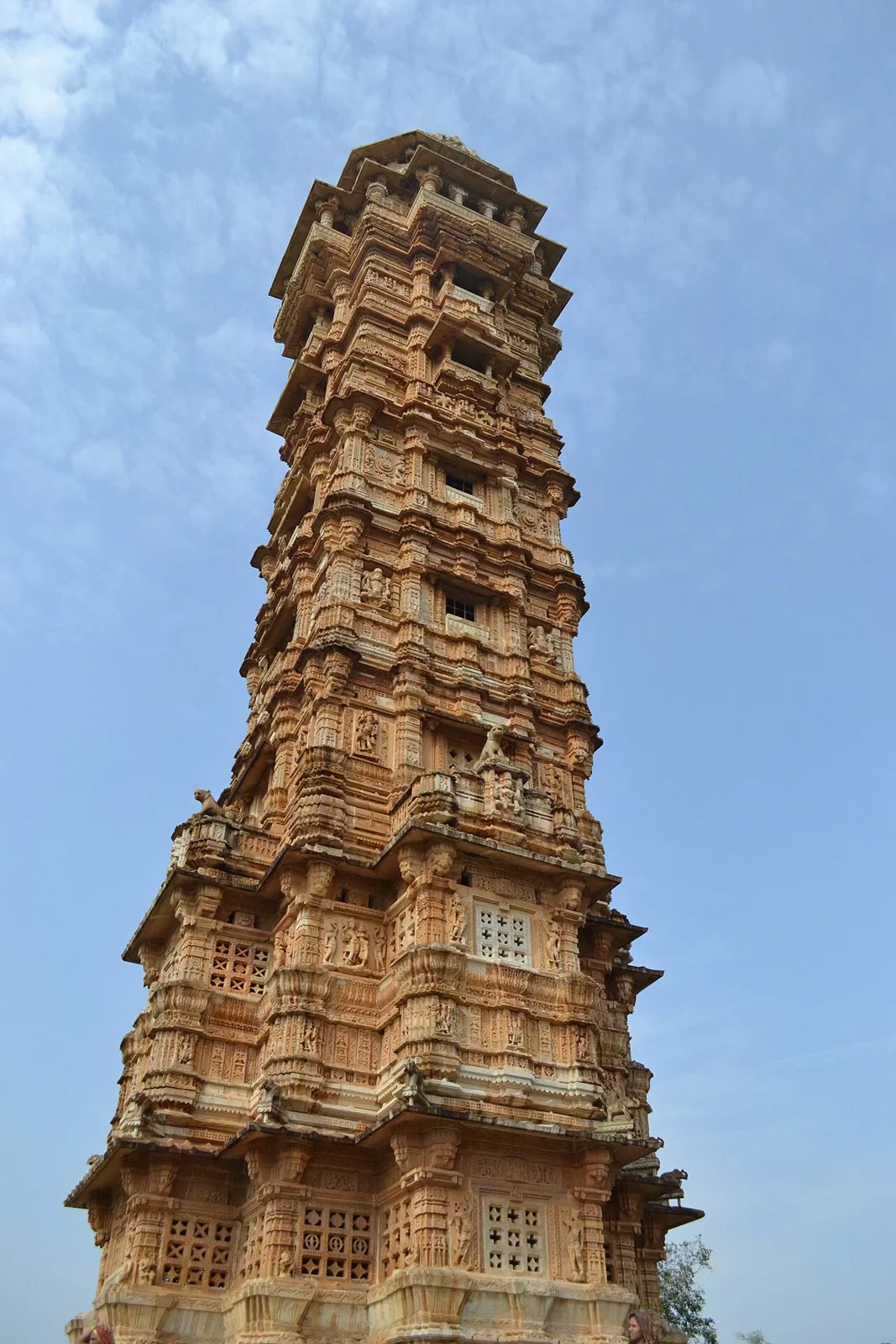
  2. 2Vijaya Stambha

Rajasthan

Other cities to explore