
Ghumoopedia — Explore, Discover, Experience
Sign in
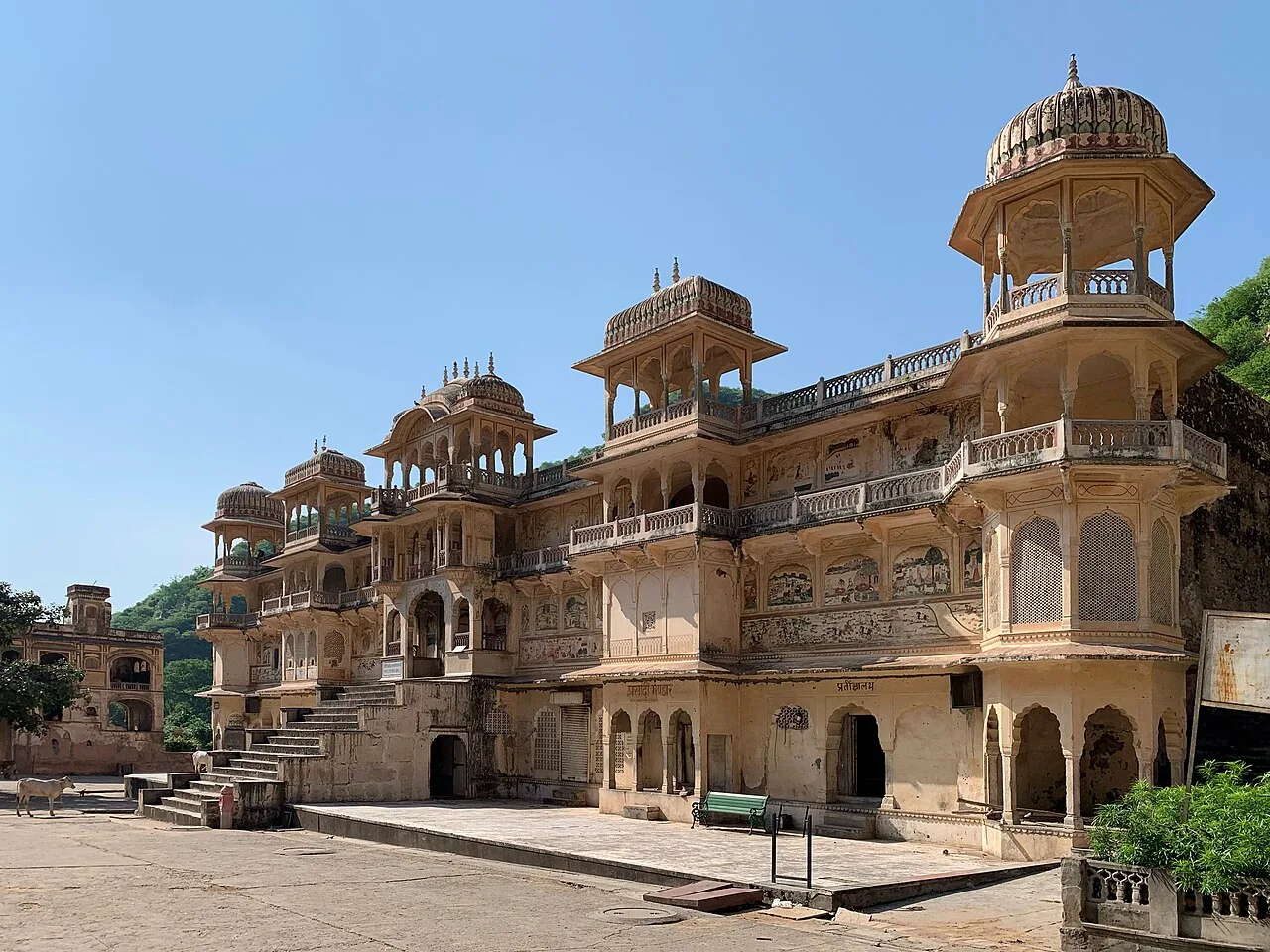
Galtaji, near Bassi

City guide · Rajasthan

Bassi

Bassi is a town in Jaipur district, about 30 kilometres from Jaipur and on National Highway 21. Its location between Jaipur and Dausa gives it a practical role as a local service and transport centre for nearby villages.

Famous for

  • Jaipur–Dausa road corridor
  • National Highway 21
  • Jaipur district administration
  • Surrounding village markets
In the city
1
District
Jaipur

Why Bassi matters

Bassi is a town in Jaipur district, about 30 kilometres from Jaipur and on National Highway 21. Its location between Jaipur and Dausa gives it a practical role as a local service and transport centre for nearby villages. It is also a sub-divisional headquarters and an assembly constituency, so government services and regional administration are part of everyday town life. Rajasthan declared Bassi a nagarpalika in 2020, reflecting its changing urban role.

Bassi is not chiefly a destination for major monuments or a widely recognised specialist craft. Visitors are more likely to stop for local errands, road travel or a look at life beyond Jaipur’s central neighbourhoods. Its appeal lies in that everyday character and in easy access to the capital’s larger range of sights, services and transport. The surrounding settlements and road connections also make Bassi useful as a starting point for exploring this part of Jaipur district.

Famous for: crafts, trade & products

Bassi is best understood as a local market and administrative town rather than as a centre for a signature textile, handicraft or manufactured product. Its shops and trading areas serve residents of the town and surrounding villages, with everyday goods and farm-linked commerce forming a more practical part of its identity than a specialist visitor market. The main town centre and roadside commercial stretch are the places to browse for routine shopping and refreshments.

Bassi is not widely associated with a distinct GI-tagged product or a recognised craft cluster. Travellers seeking Jaipur’s better-known textiles, jewellery, crafts and larger shopping districts will find a much wider selection in Jaipur. In Bassi, ask locally about seasonal produce and village-made goods, as availability can vary. The town’s most notable institutional role is its sub-divisional administration, alongside its place in Rajasthan’s assembly constituencies. Visitors should treat Bassi as a regional service centre, not expect a dedicated crafts bazaar or a specific product tradition.

History

Bassi’s development has been shaped more by its position on the Jaipur–Dausa route and its administrative role than by a widely known royal founding story. The town lies within the historic sphere of Jaipur State, a princely state that remained under British paramountcy during the colonial era. After independence, Jaipur State joined the new state of Rajasthan in 1949, and Bassi continued to develop as part of Jaipur district.

Over time, its road connections and services for surrounding villages strengthened its role as a local centre. Jaipur’s outward growth has also brought Bassi closer to the capital’s expanding urban orbit, while the town retains links to a wider rural hinterland. Its recognition as a nagarpalika in 2020 marked a further step in its municipal development. Today, administration, local commerce and transport remain central to Bassi’s identity.

Food, festivals & culture

Everyday life in Bassi reflects the customs of eastern Rajasthan and the wider Jaipur region. Hindi is widely used, alongside Rajasthani speech, including local Dhundhari influences. Meals commonly draw on regional staples such as bajra roti, dal, lentils and seasonal vegetables; dishes such as dal baati churma and gatte ki sabzi are familiar across the region. Jaipur-style sweets, including ghewar, may be found in local shops, though selection varies.

Holi and Diwali are widely observed, while Teej and Gangaur bring seasonal celebrations associated with Rajasthan’s traditions. Folk songs, devotional bhajans and regional music are part of community and family occasions; Ghoomar is among the dances celebrated across the wider region. Neighbourhood temples and other places of worship serve local communities, but Bassi is not especially known for a major pilgrimage site. Festival events and worship practices are best experienced respectfully and with local guidance.

Visiting the city

The cooler months, roughly October to March, are generally the most comfortable time to visit. Summers can be very hot, while monsoon weather may affect road journeys. Jaipur International Airport is the nearest major airport. Bassi has a railway station; Jaipur Junction is the main rail hub for connections across the region. National Highway 21 links Bassi with Jaipur and Dausa.

Within town, local autos, taxis and buses can help with short journeys; confirm onward transport locally, especially for nearby villages. The town centre and its market streets offer a simple introduction to daily life, while the highway corridor shows Bassi’s role as a route-side service centre. Jaipur makes a convenient base for a broader sightseeing itinerary, and Bassi is better suited to a short stop or practical overnight visit than to a monument-focused stay.

Attractions

Places to visit in Bassi

Sights within about 12 km of each other, even when they fall in different districts.

Map

Bassi on the map

  1. 1Galtaji

Rajasthan

Other cities to explore