
Ghumoopedia — Explore, Discover, Experience
Sign in
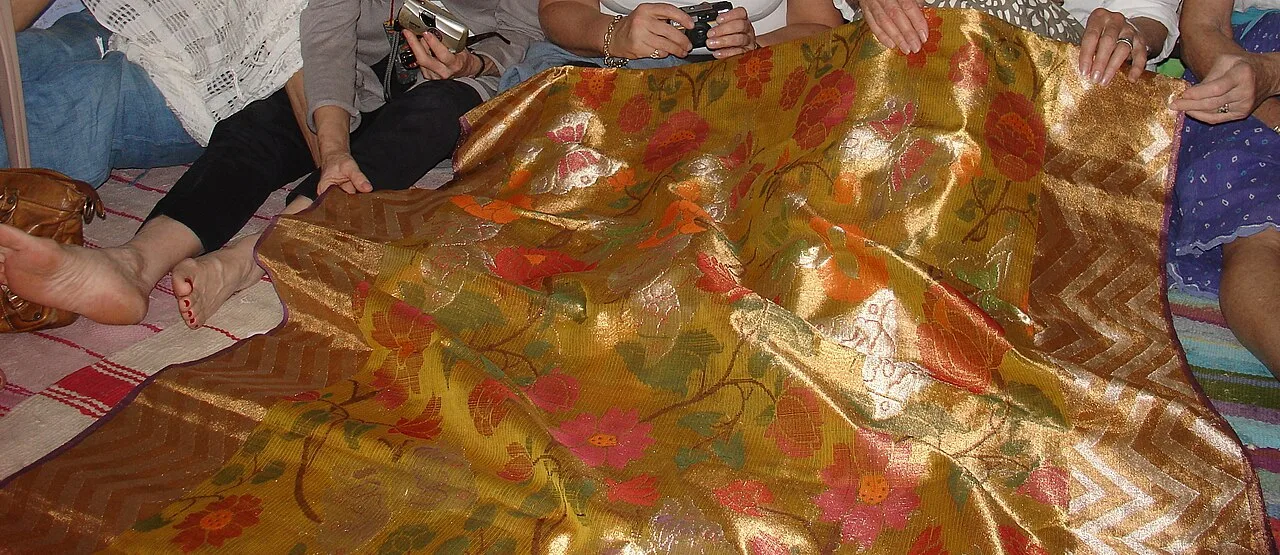
Kaithoon, near Kota

City guide · Rajasthan

Kota

Kota is a major city in southeastern Rajasthan and the administrative centre of the Hadoti region. Set beside the Chambal River, it combines a historic old quarter and princely architecture with a modern economy shaped by education, manufacturing and power generation.

Famous for

  • Kota Doria handloom
  • Kota stone
  • JEE and NEET coaching
  • Chambal River palaces
  • Kota kachori
In the city
0
Nearby
1
District
Kota
Plan a trip

Why Kota matters

Kota is a major city in southeastern Rajasthan and the administrative centre of the Hadoti region. Set beside the Chambal River, it combines a historic old quarter and princely architecture with a modern economy shaped by education, manufacturing and power generation. Its best-known contemporary role is as a coaching hub: students from across India come here to prepare for engineering and medical entrance examinations, giving the city a busy, youthful character.

Visitors come for the Chambal’s riverfront and gardens, the old City Palace complex, and landmarks around Kishore Sagar Lake, including Jagmandir. Kota is also a useful base for exploring the wider Hadoti landscape, with its temples, forts and river scenery. The city’s identity reaches beyond education: it is associated with fine Kota Doria cotton weaving and the durable limestone known as Kota stone. These traditions sit alongside broad avenues, markets and industrial districts, making Kota both a regional service centre and a destination with a distinctive mix of heritage and everyday urban life.

Famous for: crafts, trade & products

Kota Doria is the city’s best-known textile: a light, airy cotton weave with a characteristic checked pattern, also made with silk. The historic weaving centre of Kaithoon, southeast of Kota, is closely associated with the craft. In Kota, textile shops around Gumanpura and the New Cloth Market are places to look for sarees, dupattas and fabric. Ask about the weave and its origin, since machine-made lookalikes are also sold. Kota Doria has a Geographical Indication tag.

The region is also known for Kota stone, a fine-grained limestone used for floors, steps and paving. It is sold through building-material dealers and stone yards rather than typical souvenir shops. Kota’s food trade is represented by its crisp, spiced kachori, available at snack shops and sweet shops across the city. For everyday shopping, Gumanpura and Nayapura have busy retail streets and markets. Beyond crafts and trade, coaching institutes for competitive examinations are a defining part of the local economy; Kota also has power, engineering, chemical and other industrial activity. These industries are part of the city’s modern character, though they are not generally visitor attractions.

History

The history of Kota is tied to the Hada Chauhan rulers of Hadoti. The Hadas established their power in the region in the medieval period, with Bundi as an early centre. In the early 17th century, Rao Ratan Singh of Bundi granted the principality of Kota to his son Madho Singh. Kota developed as a separate state and attained independence from Bundi in 1631. Its rulers expanded the city and built the palace complex that remains a landmark of the old quarter.

Maharao Bhim Singh strengthened the state’s standing, while Zalim Singh, a statesman who served as regent, exerted considerable influence in the 18th and early 19th centuries. A treaty with the British in 1817 preceded the creation of Jhalawar from part of Kota’s territory in 1838. During the 1857 uprising, rebels killed the British resident and his sons; British forces took the city in 1858. After independence, Kota became part of Rajasthan. Industrial growth and the rise of coaching institutes later reshaped its economy and urban life.

Food, festivals & culture

Kota’s food reflects the flavours of Rajasthan and its own busy market culture. Kota kachori, filled with a spiced mixture and served as a savoury snack, is a local favourite; sweet shops also sell regional treats such as ghevar. Dal baati churma and other Rajasthani dishes are widely available. Hindi is commonly spoken, alongside Hadoti, a regional variety of Rajasthani, and other languages brought by students and residents from across India.

The city celebrates the major Hindu festivals, including Diwali and Holi. Gangaur is observed in spring, while Teej brings seasonal festivities during the monsoon. Kota’s large Dussehra fair, held around Vijayadashami in autumn, is a major annual gathering, with cultural events and fairground activity. Folk songs and dances such as Ghoomar are part of regional celebrations. Places of worship include the Mathuradheesh Temple and Godavari Dham, as well as temples, mosques and Jain shrines across the city. The old palace precinct and riverside gardens offer glimpses of Kota’s courtly and everyday cultural life.

Visiting the city

The most comfortable season to visit is generally November to February, when days are milder. Summers are intensely hot, while the monsoon, usually from late June into September, brings humidity and heavy showers. Kota Airport is the local airfield; for scheduled commercial flights, Jaipur International Airport is the practical option. Kota Junction is the city’s main railway station.

Auto-rickshaws, taxis and city buses can help visitors get around. Gumanpura and Nayapura are convenient areas for shops and food, while the old city is best explored for its palace setting and historic streets. Allow time for Kishore Sagar Lake, Jagmandir, the Chambal riverfront and nearby gardens. For Kota Doria, visit textile shops in the city or travel to the weaving centre at Kaithoon.

Short trips

Around Kota

Within about 40 km — easy half-day or day trips from the city.

Map

Kota on the map

  1. 1Kaithoon

Rajasthan

Other cities to explore