
Ghumoopedia — Explore, Discover, Experience
Sign in
Nawalgarh, near Nawalgarh

City guide · Rajasthan

Nawalgarh

Nawalgarh is a heritage city in Rajasthan’s Shekhawati region, within Jhunjhunu district. Visitors are drawn by its heritage character, and it is 30.5 km from Sikar and 39.2 km from Jhunjhunu.

Famous for

  • Shekhawati frescoed havelis
  • Poddar Haveli Museum
  • Nawalgarh Fort
  • Marwari merchant heritage
  • Rajasthani folk traditions
In the city
1
District
Jhunjhunu

Why Nawalgarh matters

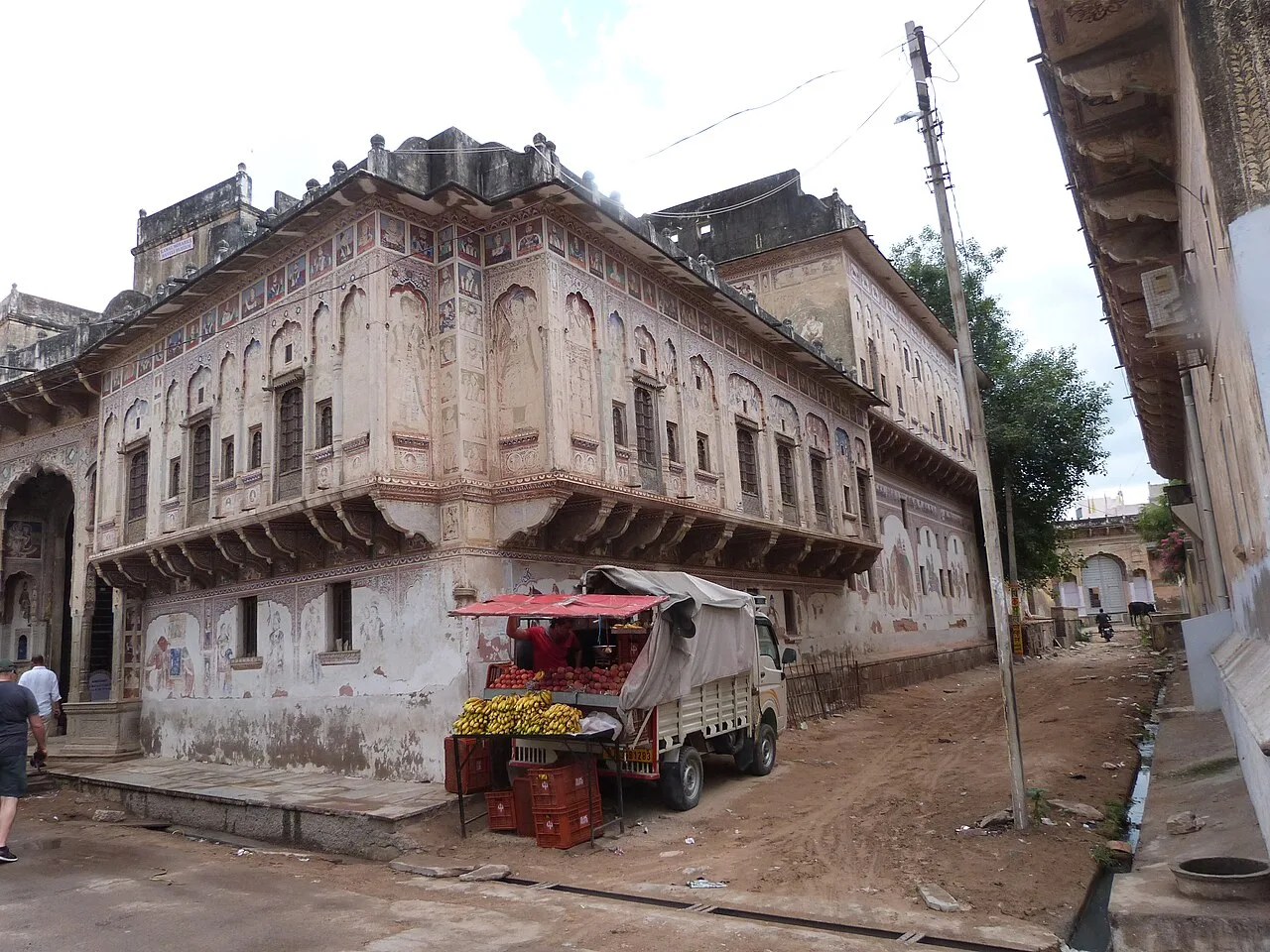
Nawalgarh is a heritage town in the Shekhawati region of Rajasthan, known for the richly painted havelis built by prosperous merchant families. Its lanes preserve a striking record of regional art: façades, courtyards and interior walls carry murals depicting religious stories, everyday life and changing tastes over generations. The town’s landmarks include Nawalgarh Fort and historic mansions such as the Poddar and Morarka havelis, some of which welcome visitors as museums or heritage properties.

Today, Nawalgarh is an important stop on Shekhawati heritage trips, alongside towns such as Mandawa and Fatehpur. Visitors come to explore its architecture, learn about the Marwari families who traded across India, and experience a quieter historic town away from larger tourist centres. It also serves as a local hub in Jhunjhunu district, with road and rail connections to nearby towns. The combination of merchant history, painted architecture and living Rajasthani traditions gives Nawalgarh a distinctive place in the region.

Famous for: crafts, trade & products

Nawalgarh is best known for its painted havelis rather than for a signature saree, textile industry or widely recognised GI-tagged product. The frescoes are the town’s most distinctive craft legacy: local and itinerant painters decorated merchant homes with detailed scenes in mineral and other traditional pigments. Heritage buildings and museums offer the clearest way to appreciate this work, including the Poddar Haveli Museum and Morarka Haveli. Nawalgarh Fort and the old town’s lanes add context to the patronage and prosperity behind the art.

The town’s commercial streets serve local needs and may offer everyday Rajasthani goods, clothing, snacks and souvenirs, but visitors should not assume that a particular product is made locally. Ask shopkeepers about the origin of handicrafts before buying, especially if seeking locally produced work. Nawalgarh’s heritage properties, museums and local guides are its most established visitor-facing institutions; tourism and conservation are closely linked to the town’s identity. There is no single market or product that defines it in the way that a specialised textile centre might.

History

Nawalgarh was founded in 1737 by Thakur Nawal Singh, a Shekhawat ruler, at the site of the village of Rohili. It developed as a fortified settlement and regional centre within Shekhawati, with a fort and surrounding town shaped by the authority of its ruling house. Its name commemorates its founder.

In later centuries, merchants from the Marwari community built substantial homes in the town. Their wealth from trade supported the construction and decoration of havelis, making painted architecture a lasting mark of Nawalgarh’s growth. Families with roots in the town, including the Birlas and Goenkas, became prominent in business beyond Rajasthan. During the colonial era, merchant fortunes and artistic influences continued to shape the town’s buildings and murals, although Nawalgarh remained a princely thikana rather than a major colonial administrative centre. The descendants of Nawal Singh’s line ruled until the abolition of jagirs in Rajasthan after independence. In modern times, heritage tourism and efforts to preserve the havelis have become important to the town’s public identity.

Food, festivals & culture

Nawalgarh shares the food traditions of Shekhawati and Rajasthan. Meals commonly feature dal, baati and churma, gatte ki sabzi, ker sangri and breads made with wheat or millet. Sweets such as ghevar and laddoos are enjoyed at festive times, while local eateries and sweet shops offer familiar regional fare. Recipes and availability vary from household to household.

Hindi and the Shekhawati variety of Rajasthani are widely used in everyday life. The cultural calendar follows Rajasthan’s seasonal festivals: Gangaur is celebrated in spring, Teej during the monsoon, and Holi and Diwali bring community gatherings and household observances. Folk songs and devotional music are heard at celebrations; ghoomar and other Rajasthani dances are associated with festive performances. Temples and shrines in the old town remain places of worship as well as neighbourhood landmarks, while the havelis preserve a different layer of local culture through their murals and family histories.

Visiting the city

October to March is generally the most comfortable season for exploring Nawalgarh; summer days can be very hot, while monsoon brings rain and greener surroundings. Jaipur International Airport is the principal nearby airport, and Nawalgarh railway station serves the town. Road connections link it with Sikar, Jhunjhunu and other Shekhawati destinations.

The historic core is best explored on foot, though an auto-rickshaw or local taxi can help with longer hops between sites. Start around the fort and old bazaar, then explore the clusters of havelis and museums; a local guide can help explain the frescoes and family histories. Check access arrangements for individual heritage properties before setting out, as visitor access can differ. Nawalgarh also works well as part of a wider circuit through Shekhawati.

Attractions

Places to visit in Nawalgarh

Sights within about 12 km of each other, even when they fall in different districts.

Map

Nawalgarh on the map

  1. 1Nawalgarh

Rajasthan

Other cities to explore