
Ghumoopedia — Explore, Discover, Experience
Sign in
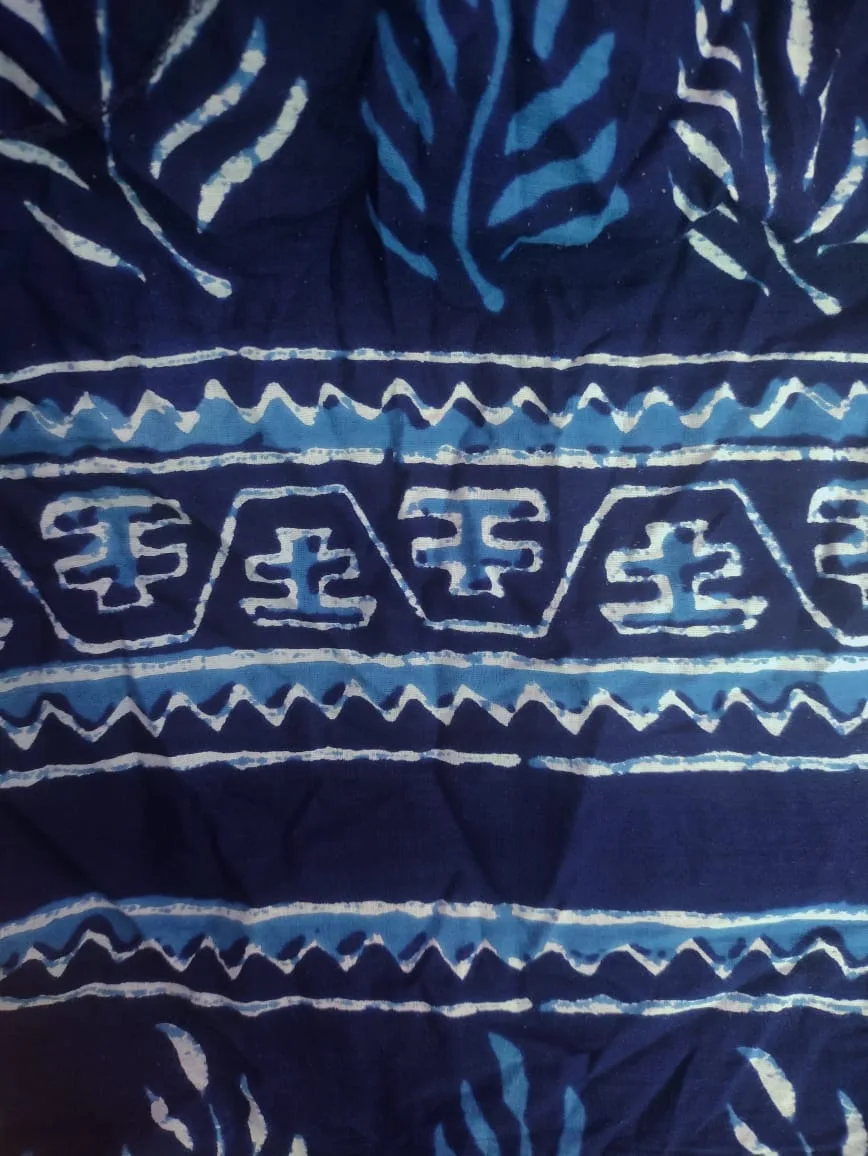
Akola (Dabu Print Village), near Kapasan

City guide · Rajasthan

Kapasan

Kapasan is a municipality in Chittorgarh district, in Rajasthan’s historic Mewar region. Its importance today is chiefly regional: it serves as a local centre for nearby settlements, with shops and everyday services used by residents and visitors passing through the district.

Famous for

  • Sanwaliya Seth pilgrimage route
  • Mewar market-town character
  • Rajasthani devotional traditions
In the city
1
District
Chittorgarh

Why Kapasan matters

Kapasan is a municipality in Chittorgarh district, in Rajasthan’s historic Mewar region. Its importance today is chiefly regional: it serves as a local centre for nearby settlements, with shops and everyday services used by residents and visitors passing through the district. The town also offers a quieter introduction to inland Mewar beyond the better-known forts and larger cities.

A major reason travellers come to the area is the Sanwaliya Seth temple at Mandphiya, a prominent regional place of worship outside Kapasan. The town can be a convenient stop when visiting the shrine or travelling between Chittorgarh and the Udaipur side of Rajasthan. Kapasan itself is not generally associated with a signature craft or a large monument; its appeal lies more in its local-market atmosphere, religious connections and position within the surrounding countryside. Visitors looking for a slower-paced stop can explore the town centre and combine it with nearby sites.

Famous for: crafts, trade & products

Kapasan is best understood as a local trading and service centre rather than a specialist production hub. It is not widely identified with a particular textile, saree, handicraft or GI-tagged product. The town’s everyday shops and market area serve residents from Kapasan and nearby settlements, with routine goods such as clothing, household supplies, food and seasonal items. Visitors may find locally made or Rajasthan-produced goods in ordinary retail shops, but these should not be assumed to be distinctive Kapasan crafts.

For a sense of local commerce, explore the central bazaar and shops around the main town roads; small food sellers and general stores offer a glimpse of daily life. The Sanwaliya Seth temple at Mandphiya is the area’s better-known draw, but it is a place of worship rather than a Kapasan-made product or market institution. Travellers seeking a wider choice of regional handicrafts or specialist shopping can look in larger centres such as Chittorgarh or Udaipur. Ask locally about seasonal market activity, which can vary.

History

Kapasan’s history is connected to the wider Mewar region, whose rulers and institutions shaped much of what is now southern Rajasthan. Under princely rule, settlements across this landscape functioned as centres for local administration, exchange and services. Kapasan’s regional importance is best understood in that context; it should not be confused with the separate history of Chittorgarh Fort, which lies elsewhere in the district.

During the colonial era, Mewar was a princely state under British paramountcy rather than a directly administered British province. Political integration after independence brought the region into Rajasthan, and Kapasan developed as a municipal town within Chittorgarh district. Its modern role has been shaped by local government, road and rail links, and the needs of surrounding rural communities. The town’s growth is primarily that of a district market and service centre, alongside the enduring importance of religious travel to the nearby Sanwaliya Seth shrine. Detailed accounts of particular rulers or historic events in Kapasan itself are not commonly established.

Food, festivals & culture

Kapasan shares the food traditions of Mewar and Rajasthan. Everyday meals may include dal, breads, lentils and seasonal vegetables; dishes such as dal baati churma, gatte ki sabzi and ker sangri are associated with the wider region, though menus vary between homes and eateries. Sweets and savoury snacks are commonly sold in local shops, especially around festivals, but no single sweet is distinctively identified with the town.

Hindi is widely used, and Mewari is spoken across the region. Hindu festivals such as Holi in spring, Gangaur in spring, Teej during the monsoon season and Diwali in autumn are observed in the broader area, with local customs varying. Devotional singing and bhajans are part of temple gatherings, while folk music and dances such as ghoomar belong to Rajasthan’s wider cultural repertoire. Kapasan’s temples and neighbourhood shrines serve local worship; the Sanwaliya Seth temple at Mandphiya is an important pilgrimage destination nearby. Visitors should dress respectfully at places of worship.

Visiting the city

The cooler months, roughly October to March, are generally the most comfortable for exploring Kapasan and the surrounding region. Summer days can be very hot, while monsoon conditions may affect road journeys. Maharana Pratap Airport near Udaipur is the nearest major airport. Kapasan has a local railway station; Chittaurgarh Junction is the principal larger rail hub for connections into the district.

Within town, the central market and main roads are practical places to walk around and find everyday services. Auto-rickshaws and local taxis can help with short trips, while a hired vehicle is useful for visiting Mandphiya’s Sanwaliya Seth temple and other sites outside town. Confirm local transport arrangements on arrival, as services may vary. Kapasan works well as a short stop or as part of a wider visit to Chittorgarh and the Mewar countryside.

Attractions

Places to visit in Kapasan

Sights within about 12 km of each other, even when they fall in different districts.

Map

Kapasan on the map

  1. 1Akola (Dabu Print Village)

Rajasthan

Other cities to explore