
Ghumoopedia — Explore, Discover, Experience
Sign in
Osian, near Osian

City guide · Rajasthan

Osian

Osian is an ancient desert town in Jodhpur district, about 69 km north of Jodhpur. Once an important trading stop on camel-caravan routes, it is now best known for its remarkable group of Hindu and Jain temples, many dating from the 8th to 12th centuries.

Famous for

  • Osian temple cluster
  • Sachiya Mata Temple
  • Mahavira Jain Temple
  • Pratihara-era architecture
  • Thar Desert excursions
In the city
1
District
Jodhpur

Why Osian matters

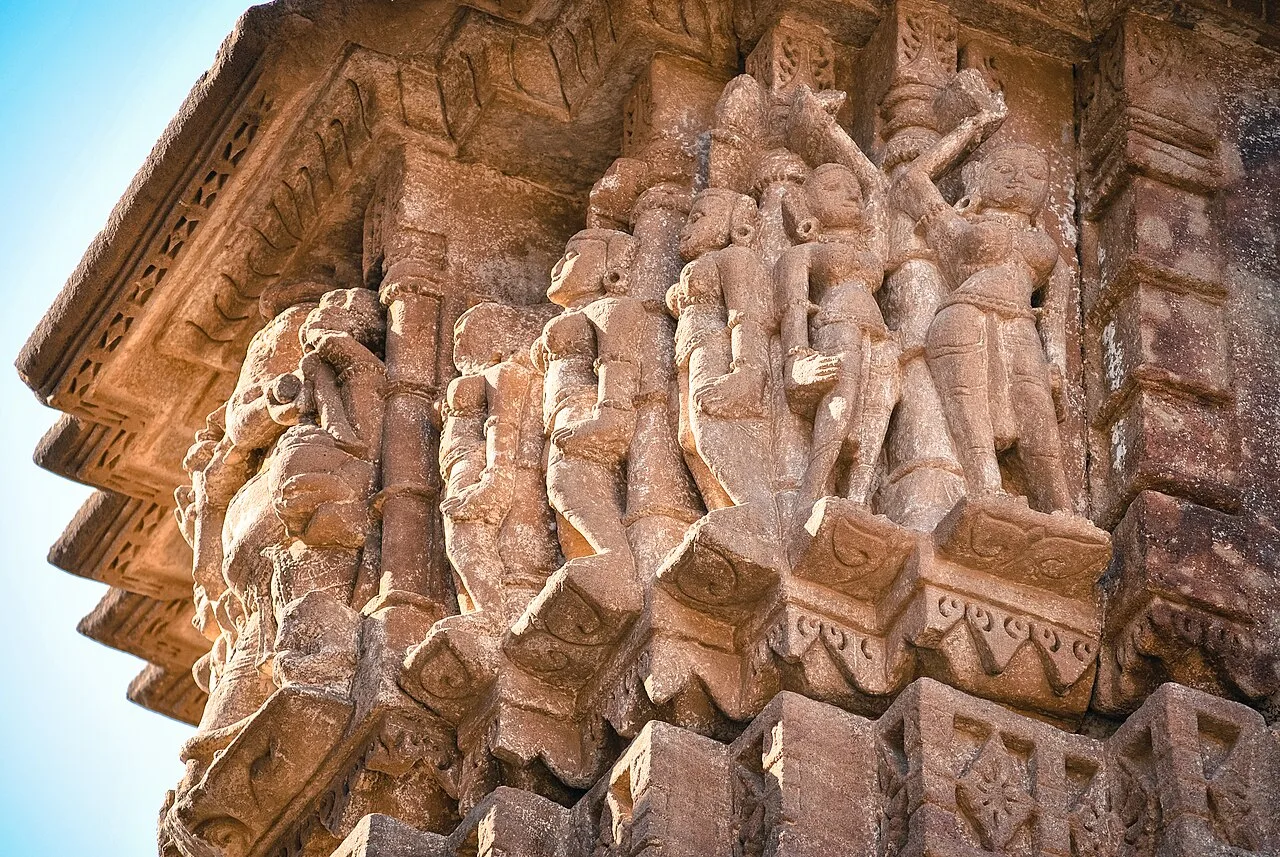
Osian is an ancient desert town in Jodhpur district, about 69 km north of Jodhpur. Once an important trading stop on camel-caravan routes, it is now best known for its remarkable group of Hindu and Jain temples, many dating from the 8th to 12th centuries. Their carved pillars, ornate doorways and sculpted façades make the town a rewarding stop for visitors interested in Rajasthan’s religious history and architecture.

The temple group includes the Mahavira Jain Temple and the hilltop Sachiya Mata Temple, as well as shrines such as the Surya Temple. Osian remains an important pilgrimage destination, particularly for Jain and Oswal communities, while also drawing travellers on excursions from Jodhpur. Its setting among the dry landscapes and dunes of the Thar adds to its appeal. The town is the headquarters of Osian tehsil and lies off the Jodhpur–Bikaner Highway, making it a convenient link between Jodhpur and the desert region to the north.

Famous for: crafts, trade & products

Osian is known far more for its temples and pilgrimage traditions than for a signature textile, handicraft, GI-tagged product or large-scale industry. Its most distinctive legacy is the stone architecture of the temple group: carved details and varied temple forms reflect the town’s importance under the Gurjara-Pratiharas and in later centuries. The Mahavira Jain Temple and Sachiya Mata Temple are the principal places to explore this heritage.

Visitors may find small shops and stalls near the temple area selling devotional items, simple souvenirs and refreshments, but Osian is not a major shopping destination. For a wider choice of textiles, handicrafts and regional products, Jodhpur’s markets are better suited to browsing. Osian’s present-day visitor economy is connected mainly with pilgrimage, heritage visits and trips into the surrounding desert landscape. Travellers looking for locally made goods should check what is available in town rather than expect a dedicated craft market or a recognised local speciality.

History

Osian’s history reaches back many centuries. It was known by names including Uvasisala, Ukesa and Upkesapur-pattana, and evidence and tradition connect it with early religious life and trade. By the Gupta period, it served as a stop for camel caravans and a centre of commerce. The town later became an important religious centre under the Gurjara-Pratihara rulers. An inscription associated with the Mahavira Temple records a foundation in 783; tradition also links the town’s renewed prosperity around the 10th century with Utpaladeva and the growth of Jainism. At its height, Osian was said to have had hundreds of Jain temples.

In 1195, the armies of Muhammad of Ghor attacked the town. Many residents fled, and the settlement and its temples suffered extensive destruction. Osian did not regain its former prominence as a trading centre. Through the colonial period and into modern Rajasthan, it remained a smaller settlement in the Marwar region. Today it serves as the headquarters of Osian tehsil, with pilgrimage and heritage tourism central to its profile.

Food, festivals & culture

Osian’s religious life is closely tied to its Hindu and Jain temples. Sachiya Mata Temple, on a hill northeast of the Mahavira Jain Temple, draws worshippers as well as visitors interested in the town’s history. The Mahavira Temple remains an important Jain pilgrimage site. Navratri, celebrated in spring and autumn, is a significant time for worship at goddess temples; Mahavir Jayanti, usually observed in spring, is important to Jain devotees. Diwali is also widely marked in the region.

Marwari and Hindi are commonly heard, alongside other Rajasthani speech. Food reflects the wider desert region: visitors may encounter dishes such as dal baati churma, gatte ki sabzi and ker sangri, with sweets served for festivals and special occasions. These are regional favourites rather than products unique to Osian. Devotional singing and Rajasthani folk music are part of the broader cultural setting, though performances are not guaranteed during a visit. The temples themselves—through their rituals, carvings and continuing use—are the clearest expression of Osian’s living culture.

Visiting the city

October to March is generally the most comfortable season to visit, when daytime temperatures are milder than in the hot summer months. Jodhpur Airport is the nearest airport, and Jodhpur Junction is the main railway station for reaching Osian. From Jodhpur, visitors can continue by road; a private car or taxi is a practical way to visit the temples and nearby desert areas. Local transport options may be limited, so plan onward travel in advance.

Allow time for the main temple group, including the Mahavira Jain Temple and the hilltop Sachiya Mata Temple. The temple precincts are the town’s principal area to explore; the surrounding desert outskirts offer a change of scenery. Modest shops and places to eat are found around town, while Jodhpur has broader services and shopping. Dress respectfully at places of worship and check locally for access arrangements before visiting individual shrines.

Attractions

Places to visit in Osian

Sights within about 12 km of each other, even when they fall in different districts.

Map

Osian on the map

  1. 1Osian

Rajasthan

Other cities to explore