
Ghumoopedia — Explore, Discover, Experience
Sign in
Karni Mata Temple, near Deshnoke

City guide · Rajasthan

Deshnoke

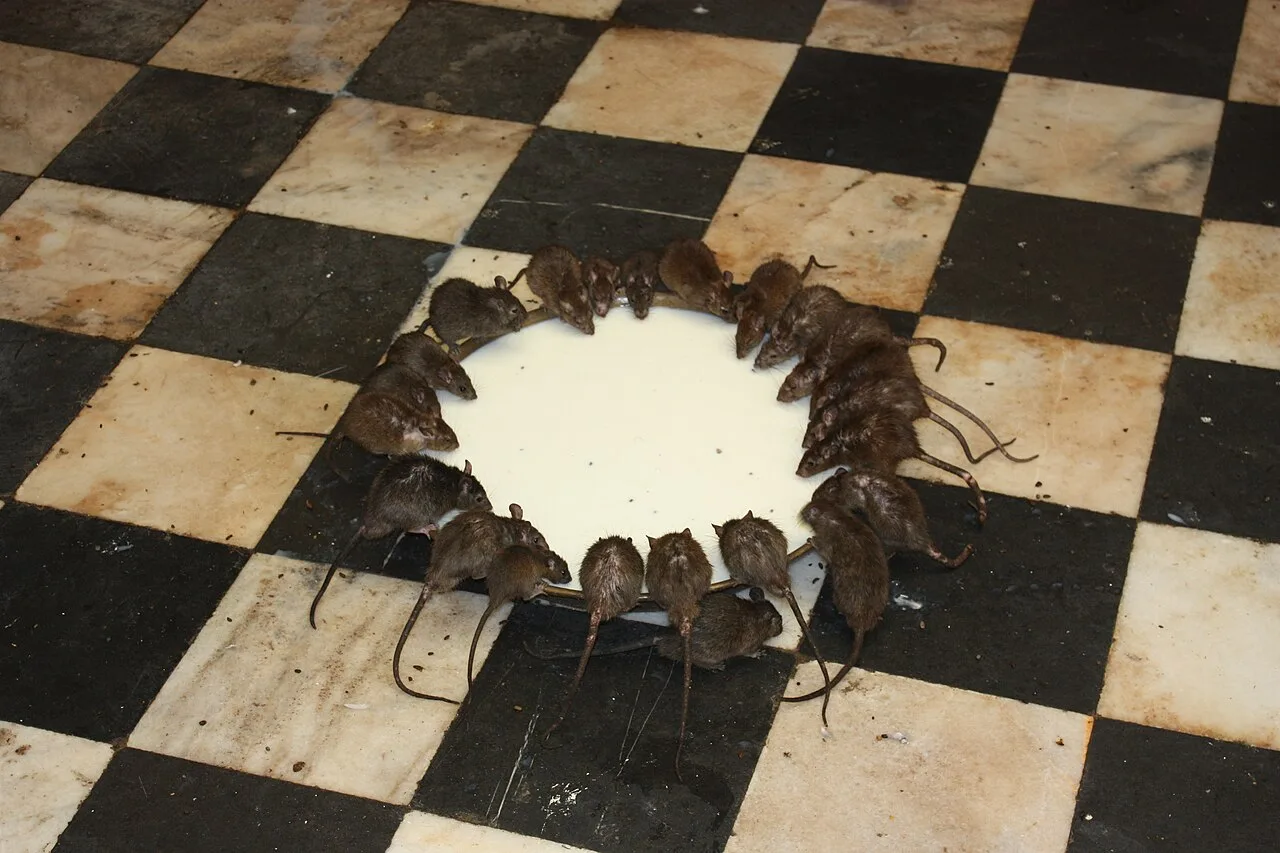
Deshnoke is a town in Rajasthan’s Bikaner district, best known as the home of the Karni Mata Temple. The shrine draws pilgrims from across the region and visitors curious about its distinctive tradition of treating the rats that live within the temple as sacred.

Famous for

  • Karni Mata Temple
  • Sacred temple rats
  • Karni Mata pilgrimage fairs
In the city
1
District
Bikaner

Why Deshnoke matters

Deshnoke is a town in Rajasthan’s Bikaner district, best known as the home of the Karni Mata Temple. The shrine draws pilgrims from across the region and visitors curious about its distinctive tradition of treating the rats that live within the temple as sacred. The town’s religious importance makes it a notable stop on journeys around Bikaner and a destination in its own right for devotees of Karni Mata.

Deshnoke remains a small town rather than a large commercial centre, but the temple shapes its daily rhythm and local visitor economy. The streets around the shrine serve pilgrims with devotional goods and everyday necessities, while the railway station provides a practical link with other settlements. Visitors can experience a place whose identity is closely connected to a living tradition of worship, rather than to monuments alone. Its position in the dry landscape of northwestern Rajasthan also makes it a useful point from which to appreciate the region’s rural setting and local customs.

Famous for: crafts, trade & products

Deshnoke is not especially known for a signature textile, handicraft, or locally made product. Its best-known centre of activity is the area around Karni Mata Temple, where small shops cater to pilgrims with devotional objects, offerings, refreshments, and basic travel needs. These shops are convenient for visitors, though they should not be confused with a specialist craft or wholesale market.

For a wider selection of regional goods, travellers can look to Bikaner, where established markets offer Rajasthani handicrafts, textiles, and local foods. Bikaneri bhujia, a well-known regional snack with a protected geographical identity, is associated with Bikaner rather than being a product unique to Deshnoke. Visitors may find packaged snacks and other regional items in local shops, but should check labels and place of origin when seeking a particular product. Deshnoke’s principal draw is its temple and pilgrimage trade; it is best approached as a place to experience religious life, with Bikaner serving as the broader shopping destination.

History

Local tradition holds that Karni Mata established Deshnoke in 1419 and led her followers to the area. The settlement was first called Deshnak. Accounts connect the name with Karni Mata’s response to Rao Ranmal, a Rathore ruler of Marwar, who had suggested a name meaning “shield of the land.” The name later evolved into Deshnoke. The story reflects the town’s enduring association with Karni Mata and the political landscape of the Rajput kingdoms.

Deshnoke lay within the sphere of the Bikaner princely state, which came under British paramountcy during the colonial era. Its importance remained closely tied to pilgrimage and the temple rather than to major urban industry. Following Indian independence, the former princely state became part of Rajasthan. In modern times, the temple continues to bring pilgrims and visitors, while the railway station and road connections link the town with Bikaner and other parts of the region. Its growth has retained a strongly religious character.

Food, festivals & culture

The Karni Mata Temple is the heart of Deshnoke’s religious and cultural life. Navratri is an especially important pilgrimage season, with gatherings associated with both the spring and autumn observances. The temple’s revered rats, commonly called kabbas, are central to its distinctive devotional tradition. Visitors should follow local customs, dress respectfully, and be considerate within the shrine.

Marwari and other Rajasthani speech forms are heard locally, alongside Hindi. Food is typical of the wider region: visitors may encounter dal baati churma, gatte ki sabzi, ker sangri, and savoury snacks, though these are regional rather than uniquely Deshnoke dishes. Bikaner is known for sweets and snacks such as bhujia, which can also be found in the surrounding area. Folk music and dance traditions, including devotional singing and forms such as ghoomar, belong to the broader Rajasthani cultural setting. The temple remains the town’s principal place of worship and the main focus for cultural visits.

Visiting the city

The cooler months, roughly from October to March, are generally the most comfortable time to visit; summer heat can be intense. The nearest airport is Bikaner Airport at Nal, though travellers should check current flight availability. Deshnoke Railway Station is the town’s main rail stop. Local auto-rickshaws and hired vehicles can help with short journeys, while the temple area is easiest to explore on foot.

Most visitors focus on the Karni Mata Temple and the nearby streets of shops and eateries. The station-side area is useful for arrival and everyday services. For larger markets, museums, and a broader choice of accommodation, Bikaner makes a convenient regional base and can be combined with a visit to Deshnoke. Allow time around the temple precinct, especially during busy pilgrimage periods.

Attractions

Places to visit in Deshnoke

Sights within about 12 km of each other, even when they fall in different districts.

Map

Deshnoke on the map

  1. 1Karni Mata Temple

Rajasthan

Other cities to explore