
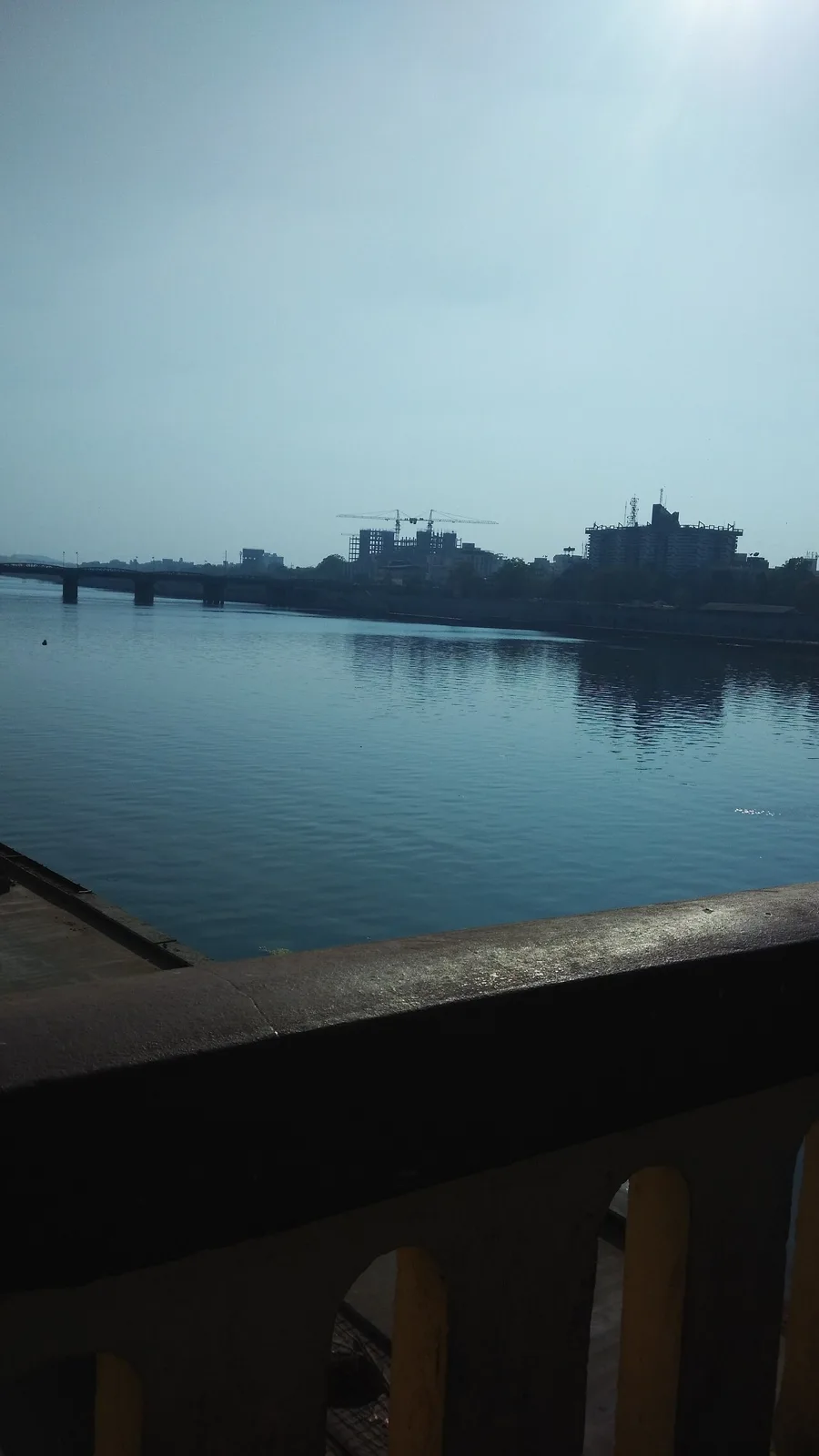
Dhebar Lake
Dhebar Lake, also called Jaisamand, is a large reservoir in Rajasthan, known for its marble dam, islands and adjoining wildlife sanctuary. Visitors come to see its natural setting and historic links with Mewar.
Key facts · verified by Ghumoopedia editors
- Type of place
- Natural attraction
- Best time to visit
- October to March
- Nearest railway station
- Udaipur City · about 45 km (straight line)
- Verified
- 21 Nov 2026
Plan a trip from Dhebar Lake — a day-by-day route through places nearby.
Dhebar Lake lies in Rajasthan’s Udaipur district and is also identified with Salumber District, in the west of the state. Known as Jaisamand Lake as well, it covers 87 square kilometres when full. Rana Jai Singh of Udaipur formed the reservoir by building a marble dam across the Gomati River at Namla Thikana (Rathore-Patvi). The work dates to 1687–1691, in the seventeenth century. The lake is about 19 kilometres from Salumbar, the district headquarters. At the time it was made, it was the world’s largest artificial lake. The Jaisamand Wildlife Sanctuary occupies about 162 square kilometres along the lake, and most of its land is teak forest. From Udaipur, the sanctuary can be reached by taking the state highway towards Banswara. Three islands lie in the water, each covering between 10 and 40 acres. The marble dam is 300 metres long and forms part of India’s Heritage Monuments. Hawa Mahal Palace is also at the dam; it was used as the winter capital by the former Maharanas of Mewar. In recent times, the lake has come close to drying up, with effects on the surrounding ecosystem. Rajasthan is the land of Rajput forts and palaces, painted havelis, desert folk music, puppetry and colourful fairs such as the Pushkar camel fair. Rajasthan is very hot from April to June — often above 45 °C in the desert — with a short monsoon in July–September. Winter days are pleasant and nights are cold, especially in the Thar Desert. Mount Abu is the state's only hill station and stays cooler. The usual best time to visit is October to March. Timings, fees and access arrangements must be confirmed locally. For official information, see Rajasthan Tourism at https://www.tourism.rajasthan.gov.in.
Why it matters
Dhebar Lake, also called Jaisamand Lake, is a major artificial freshwater lake in southern Rajasthan. The existing guide describes it as India’s second-largest artificial freshwater lake; rankings can vary according to how lake area and capacity are measured. Built across the Gomati River under Mewar ruler Rana Jai Singh, the lake has long served as a water body and a distinctive feature of the region’s landscape. Its marble dam and the Hawa Mahal palace on the dam are notable historic structures. Jaisamand Wildlife Sanctuary protects forest and wildlife habitat along the lake’s shores. The lake is a regional natural and heritage attraction; visitors should not assume UNESCO or Archaeological Survey of India protection without checking current official records.
Dhebar Lake was created in the 17th century when Rana Jai Singh of Mewar commissioned a marble dam across the Gomati River. The construction is traditionally dated to 1687–1691. The lake formed an extensive reservoir and was described as the world’s largest artificial lake when first built, though historical rankings depend on the measures used. Its dam, about 300 metres long, remains a prominent feature. Hawa Mahal, a palace on the dam, is associated with the Maharanas of Mewar and is described as a winter retreat or capital; access arrangements should be checked locally. Over time, the lake and its shoreline have served water-management, scenic and ecological roles. Its water level can fluctuate substantially, and published accounts note that it went almost dry in recent times, affecting the ecosystem. The surrounding Jaisamand Wildlife Sanctuary protects forest and habitat on the lake’s shores. Details of later repair or restoration works are not established here, so visitors should consult local authorities for current conservation information.
Origin stories & folklore
The lake’s name is closely tied to Rana Jai Singh, its 17th-century builder, and local accounts commonly explain “Jaisamand” through that association. This is best understood as a naming tradition connected with the lake’s history, rather than a separate supernatural origin story. The dam, palace and islands have inspired stories and recollections among residents, but no single widely documented legend about the lake’s creation can be confidently presented here. Visitors may hear different versions locally; treat them as oral tradition and ask storytellers how they understand the tale. The lake’s historical construction across the Gomati River is the more firmly recorded account.
Spend unhurried time at Dhebar Lake: walk the marked paths, use official viewpoints and ask locally whether a guide, entry ticket or permit is needed. Enjoy the water from safe points; take boats only from licensed operators and wear a life jacket where offered. Wildlife sightings are never guaranteed — patience and quiet improve your chances. A comfortable itinerary is one main visit in the morning, a local meal at midday and a short nearby stop before an afternoon return. Use the district list on this site to find other places in Udaipur, but check the route and its condition before combining stops. If a festival or fair is on, roads and stays can be busy — and the experience can be unforgettable. Leave no litter: many sites are protected by the communities around them.
Suggested itineraries
Half day: Reach an authorised viewpoint, spend 1–2 hours enjoying the lake and dam, then make a short stop at a locally accessible nearby site before returning. Full day: Travel from Udaipur, explore permitted viewpoints and the dam area, pause for a local meal, then visit an open section of Jaisamand Wildlife Sanctuary if access is confirmed. Gentler option: Arrange a vehicle close to an accessible viewpoint, enjoy the scenery with minimal walking, and avoid uneven shoreline paths or island visits.
The lake lies in the Mewar region, where Mewari and Hindi are widely used alongside other regional languages. Everyday cultural life reflects rural Rajasthan and the broader Mewar heritage, including local food traditions, devotional observances, folk music and dance at community or seasonal gatherings. Clothing varies with occasion and personal preference; visitors may see traditional dress as well as contemporary styles. Udaipur’s better-known cultural events and craft traditions are accessible on a wider regional visit, but should not be assumed to take place at the lake itself. Ask permission before photographing people, performers or private ceremonies, and follow local guidance around places of worship.
Local communities
People living in settlements around the lake and in the wider Salumbar–Mewar region have varied livelihoods, which may include farming, livestock keeping, small trade, transport and tourism-related work. Fishing and other lake-based activities can depend on local rules, water conditions and customary access; visitors should not assume they are permitted. Bhil communities are part of the wider southern Rajasthan region, but community identity and livelihood differ from place to place. Engage respectfully, use local guides or services where available, and seek consent before taking photographs or asking personal questions.
Festivals & events
Gangaur and the Mewar Festival are celebrated in the wider Udaipur region, generally in spring, with processions and cultural events that can draw crowds in the city. Local religious and seasonal observances may also take place in settlements around the lake, but schedules and public access vary. Do not assume a festival is held at Dhebar Lake unless confirmed locally. During major events, accommodation and roads around Udaipur may be busier than usual; allow flexibility and check event arrangements before travelling.
Local food in Rajasthan includes dal baati churma, gatte ki sabzi, ker sangri, laal maas, pyaaz kachori, mirchi vada, ghewar, mawa kachori and chaach (spiced buttermilk). Ask what is fresh that day; many small eateries cook a limited daily menu. Vegetarian travellers eat very well across this region, and most towns also have non-vegetarian options. Remote sites may have no restaurant at all. Carry water and snacks, eat a proper breakfast before long drives, and ask your accommodation for a packed lunch if you are heading out early. Try a home-cooked or dhaba meal when you can — it is often the best food on the route. Choose busy, clean places and carry your packaging back with you.
Shopping & local experiences
Shopping options directly at the lake may be limited and can vary by season. In Udaipur, visitors can look for Mewar-region textiles, miniature-style paintings, metalwork, jewellery and other locally made crafts; ask about materials and whether an item is handmade. Small-town shops may offer everyday goods and regional snacks rather than a broad souvenir range. Try local Rajasthani food at established eateries, checking ingredients and dietary needs. Buy respectfully, avoid products made from wildlife, and do not remove natural objects from protected areas.
Dhebar Lake is a large reservoir in a landscape of wooded hills and rocky shoreline. Its water level and visible shoreline change with rainfall and water management, and published accounts note that it has nearly dried in recent times. Jaisamand Wildlife Sanctuary protects about 162 square kilometres of habitat, described in the guide as mostly teak forest. The lake has three islands, but access may be restricted or dependent on local arrangements. The sanctuary and water margins support wildlife and birdlife, yet sightings are seasonal and never guaranteed. Keep noise low, stay on permitted paths and viewpoints, and do not feed, pursue or disturb animals. Carry waste back with you and follow any conservation instructions.
October to March
The nearest principal railway station by straight-line distance is Udaipur City, roughly 45 km away. The nearest operating airport by straight-line distance is Maharana Pratap Airport, Udaipur, roughly 40 km away. These figures are calculated from map coordinates — actual road distance is longer. Jaipur, Ajmer, Jodhpur, Udaipur and Kota are the main rail hubs, and Jaipur, Udaipur and Jodhpur have the most flights; Delhi is the usual gateway for the north-east of the state. For the final leg, Rajasthan State Road Transport Corporation (RSRTC) buses and private coaches link district towns; shared taxis usually leave early in the morning. A private taxi gives more flexibility for remote sites. When comparing train, bus and flight, count the complete door-to-door time: a flight saves the most time only if the onward road transfer is short, while an overnight train can save a hotel night. Book your return before you leave, because seats fill quickly on weekends, festivals and holidays. Current train numbers, timings, return services and fares are not listed here; check IRCTC and NTES for trains and the airline's own schedule for flights. No permit is needed to visit Rajasthan. Land close to the international border west of Jaisalmer and Barmer is restricted beyond certain points: places such as Tanot can be visited, but border outposts need Border Security Force permission. Forts and palaces charge entry and camera fees, and tiger-reserve safaris must be booked through the official forest department portal.
Confirm onward and return timings on IRCTC / NTES, the state bus operator or your airline before travel. A dash means current timings or fares have not been verified.
Getting around
Udaipur is the usual base for arranging the road journey to the lake. A private taxi offers flexibility for reaching viewpoints and returning, while local buses or shared vehicles may serve towns on the route but may not provide convenient access to every lakeside stop. Ask locally about the final approach, road condition and permitted parking. Walking is practical around accessible viewpoints, but shoreline paths can be uneven. Do not rely on boats being available: use only an authorised operator if boating is permitted, and follow safety instructions and life-jacket requirements.
Hours, tickets & permissions
Access to the lake, dam, palace areas and Jaisamand Wildlife Sanctuary may be managed separately, with rules varying by site and season. Depending on the area, visitors may encounter entry tickets, permits, restrictions on activities or separate charges for services; camera and vehicle rules may also apply. Do not assume that every shoreline or island is open to the public. Confirm current opening hours, entry requirements and fees with the managing authority or locally before setting out. Carry identification if requested and follow posted notices.
Facilities
Facilities at the lake may be limited or vary by access point. Toilets, drinking water, food stalls, parking and guides may be available in some areas, but visitors should check locally rather than rely on them. Carry drinking water and any essentials needed for the visit, and plan meals in advance if travelling outside larger towns. ATMs and a wider choice of shops or services are more likely in Udaipur or other towns than at remote lakeside stops. Confirm whether guides or boat services are operating and authorised.
Accessibility
Access conditions differ between the dam, viewpoints, sanctuary areas and shoreline. Surfaces may be uneven, with steps, slopes or loose ground, and shade can be limited in exposed areas. Walking distances depend on the chosen stop; ask locally about the approach before committing to a route. Wheelchair and stroller access should not be assumed, and some paths may be difficult for visitors with limited mobility. Older visitors may find a vehicle-based visit to an accessible viewpoint more comfortable. Bring sun protection, take breaks and avoid steep or unmarked routes.
No permit is needed to visit Rajasthan. Land close to the international border west of Jaisalmer and Barmer is restricted beyond certain points: places such as Tanot can be visited, but border outposts need Border Security Force permission. Forts and palaces charge entry and camera fees, and tiger-reserve safaris must be booked through the official forest department portal. Carry a photo ID at all times and save the emergency number 112 and your accommodation's contact offline. Heat in summer and fog in winter are the main weather risks; carry water and allow extra travel time on foggy December–January mornings. Stay on marked paths, keep away from cliff edges and fast water, and never approach wild animals. Follow local guidance if access changes.
Photography
Early morning and late afternoon often provide softer light over the water and surrounding hills, though conditions vary with weather and water level. Use publicly accessible viewpoints and follow signs or staff instructions around the dam, palace and sanctuary. Ask permission before photographing local residents, workers or ceremonies. Photography may be restricted in some managed areas, so check rules on arrival. Do not fly a drone without confirming current permissions and airspace restrictions; never disturb wildlife for a photograph.
Choose a stay by the full journey to Dhebar Lake, not just the district name. Heritage havelis, fort hotels, state tourism (RTDC) hotels and desert camps offer distinctive stays; check that a desert camp is licensed and has proper toilets. In summer, check air-conditioning or coolers; in December and January, check heating and hot water. Book in advance for weekends, festivals and the peak season (October to March). Confirm the exact location, meals included, check-in time and cancellation terms in writing. Avoid sending money to unverified contacts or touts at stations. Carry some cash, as card and digital payments can be unreliable in remote areas.
Jaisamand Wildlife Sanctuary is the closest natural area associated with the lake, although access and routes should be confirmed locally. The Hawa Mahal palace on the dam is a notable lakeside heritage feature; check whether it is open to visitors. Salumbar town can be useful for understanding the surrounding district and arranging local services. Udaipur is a larger base for a longer visit, with well-known sights including the City Palace, Lake Pichola and Saheliyon-ki-Bari. These are separate city attractions, not immediate lakeside stops, so check road conditions and allow enough travel time before combining them.
For couples, Dhebar Lake rewards a slow pace: arrive early for soft light and fewer crowds, share a local meal and keep the evening free. A heritage hotel or a lakeside sunset makes the trip memorable. Public displays of affection can be frowned upon in conservative communities and at religious sites, so be discreet. Keep a buffer in your itinerary, because weather and traffic can delay plans.
Q: How much time should I allow for Dhebar Lake? A: A half-day visit can suit a viewpoint-focused stop; allow a full day if travelling from Udaipur and adding a confirmed sanctuary visit. Q: When is a good season to visit? A: October to March is generally the more comfortable season in Rajasthan. Conditions and lake levels vary, so check locally before travelling. Q: Is there an entry fee or permit? A: Rules may differ for the lake, dam and sanctuary. Confirm current entry requirements and fees with the managing authority before your visit. Q: Is the visit suitable for children and older visitors? A: It can be, especially from an accessible viewpoint, but uneven paths, heat and limited facilities may make some areas challenging. Supervise children near water. Q: Where should I stay nearby? A: Udaipur offers a wider choice of accommodation and services. Ask locally about options closer to the lake and confirm transport arrangements.
Be the first to share photos, stories, advice or a helpful contact for Dhebar Lake.
Loading…