
District · Rajasthan
Udaipur
Udaipur district lies in southern Rajasthan, where the Aravalli hills meet a landscape of lakes, valleys, farms and wooded country.
Udaipur district lies in southern Rajasthan, where the ridges and valleys of the Aravalli Range shape a landscape of rocky hills, scrub, farms and settlements. Its best-known lakes cluster around Udaipur city, including Lake Pichola and Fateh Sagar, while the wider district also has quieter rural and wooded areas. The region formed part of Mewar, ruled for centuries by the Sisodia dynasty. Maharana Udai Singh II founded Udaipur in 1559, and it became the Mewar capital after the loss of Chittor. Today, palaces, temples and old-city lanes sit alongside a busy modern centre, giving the district a character that blends royal history, pilgrimage and everyday urban life.
Udaipur district lies in southern Rajasthan, where the Aravalli hills meet a landscape of lakes, valleys, farms and wooded country. It is a useful base for exploring the historic Mewar region and is best known for Udaipur city’s palace complex, temples and lakes, including Lake Pichola and Fateh Sagar Lake. Beyond the city, visitors can reach the Eklingji temple complex and the broad waters of Dhebar Lake. The district suits travellers interested in Mewar’s royal history, Hindu pilgrimage, gardens and boat journeys, while its rural areas offer a quieter contrast to the busy old city.
The district forms part of the historic Mewar region, whose ruling houses included the Sisodia dynasty. Udaipur city was founded in 1559 by Maharana Udai Singh II, after the Mughal capture of Chittor in 1568 prompted the shift of Mewar’s capital from the old hill fortress. Mewar’s rulers later negotiated with the Mughal Empire, while retaining a distinct regional kingdom. In the early nineteenth century, pressure from Maratha powers contributed to Mewar entering into a treaty relationship with the British in 1818. It remained a princely state during British rule. After Indian independence, Mewar joined the process of integration that formed Rajasthan, and Udaipur became an administrative centre in the new state. The present district’s boundaries reflect later administrative changes. The region’s history remains visible in its palaces, temples, old settlements and pilgrimage sites, as well as in the continuing cultural identity of Mewar.
10 destination guides
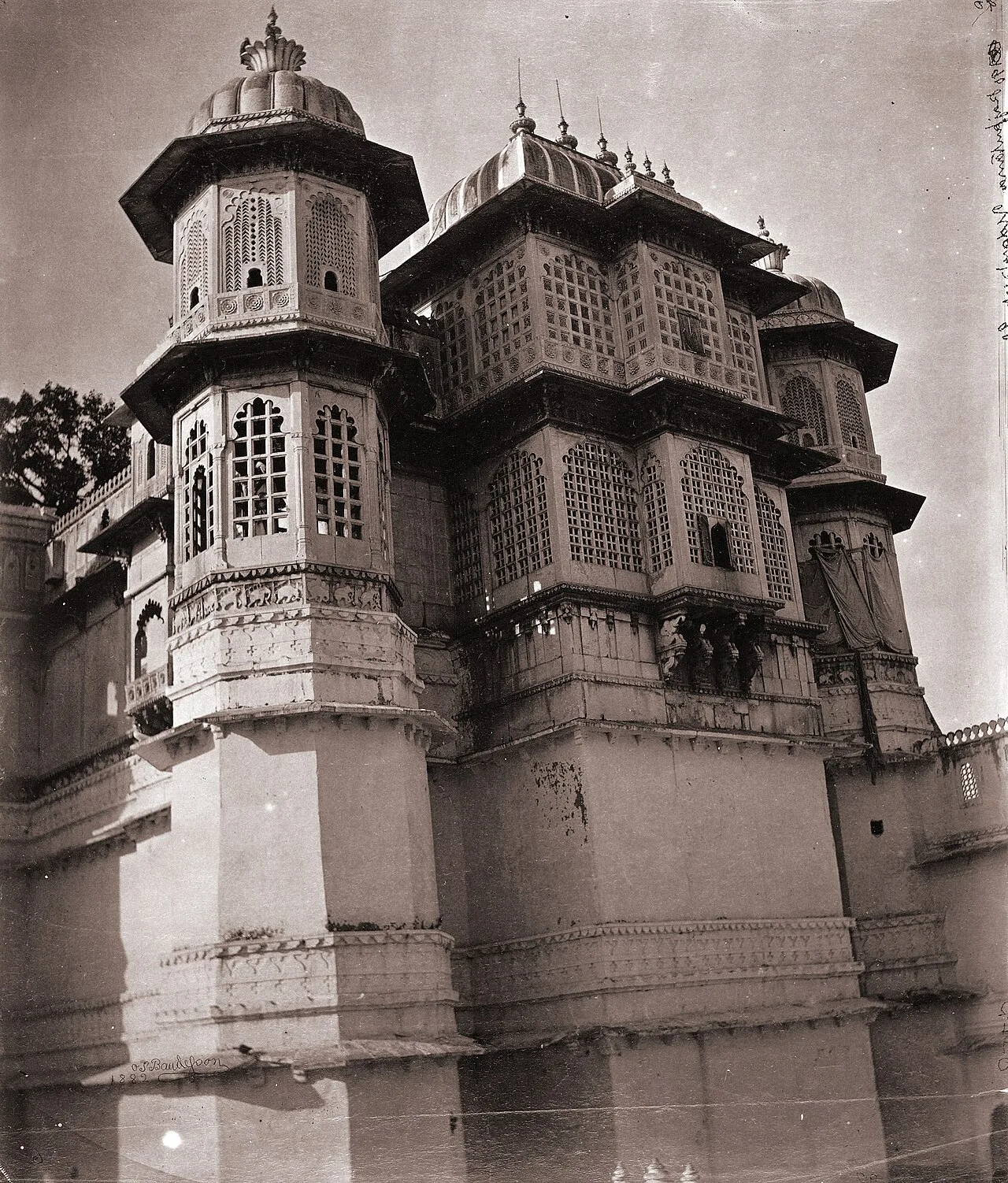
City Palace, Udaipur
Udaipur’s City Palace is a historic royal complex shaped by successive Mewar rulers. Visitors come to see its architecture, hilltop setting and views over Lake Pichola.
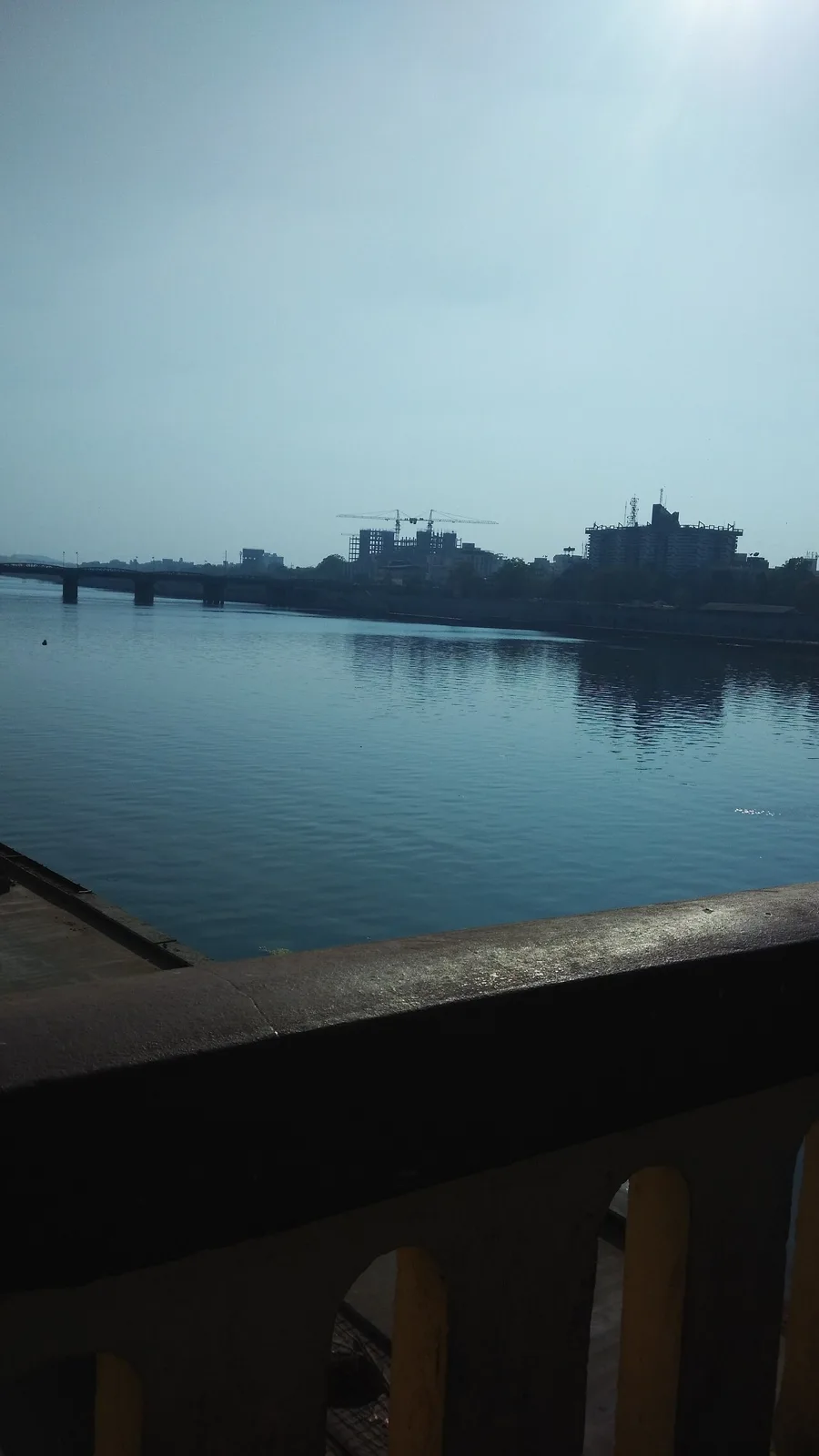
Dhebar Lake
Dhebar Lake, also called Jaisamand, is a large reservoir in Rajasthan, known for its marble dam, islands and adjoining wildlife sanctuary. Visitors come to see its natural setting and historic links with Mewar.
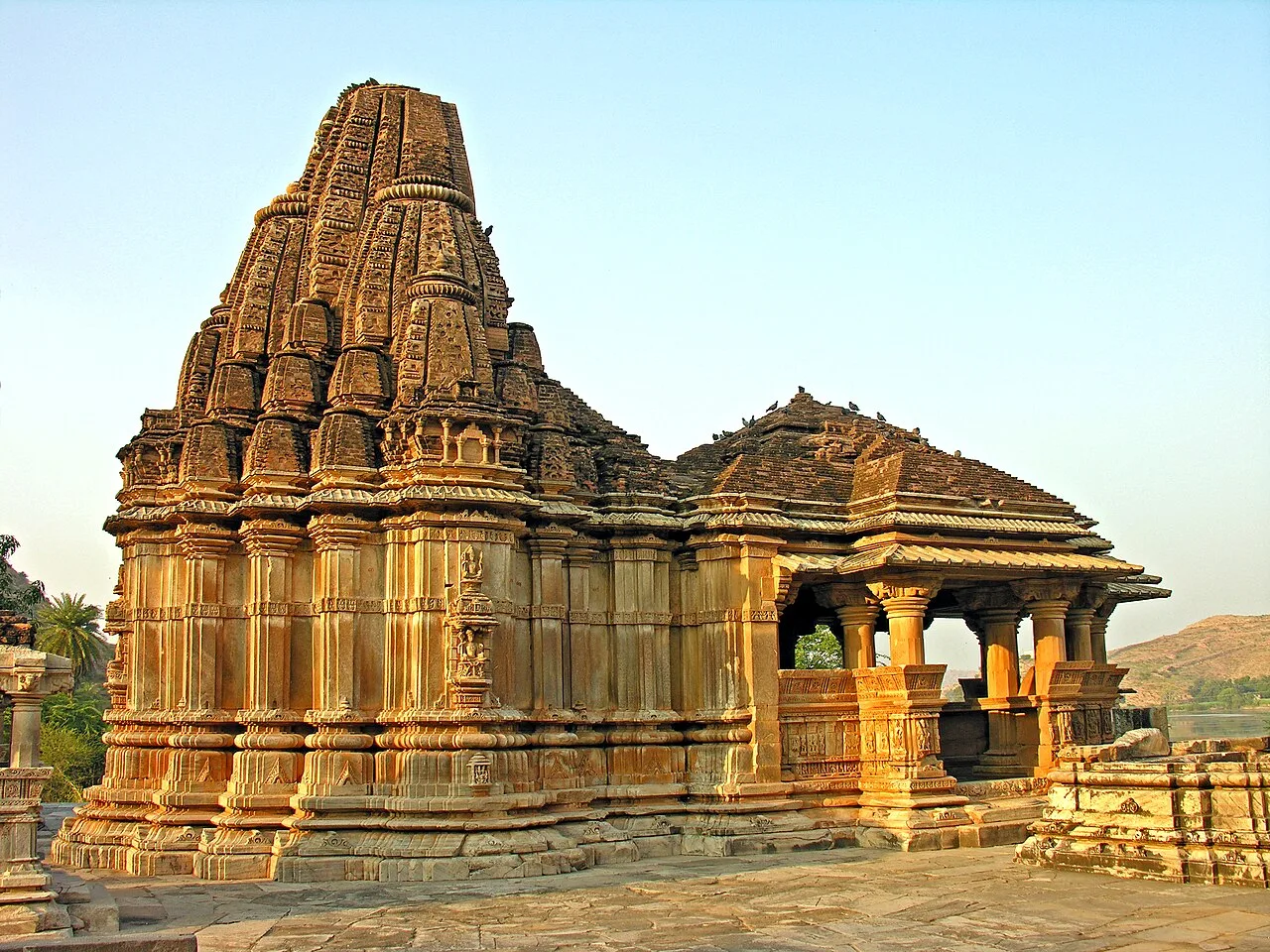
Eklingji
Eklingji is a Hindu temple complex in Kailashpuri, Rajasthan, associated with Mewar’s ruling deity. People visit to worship the god revered by the region’s royal house.
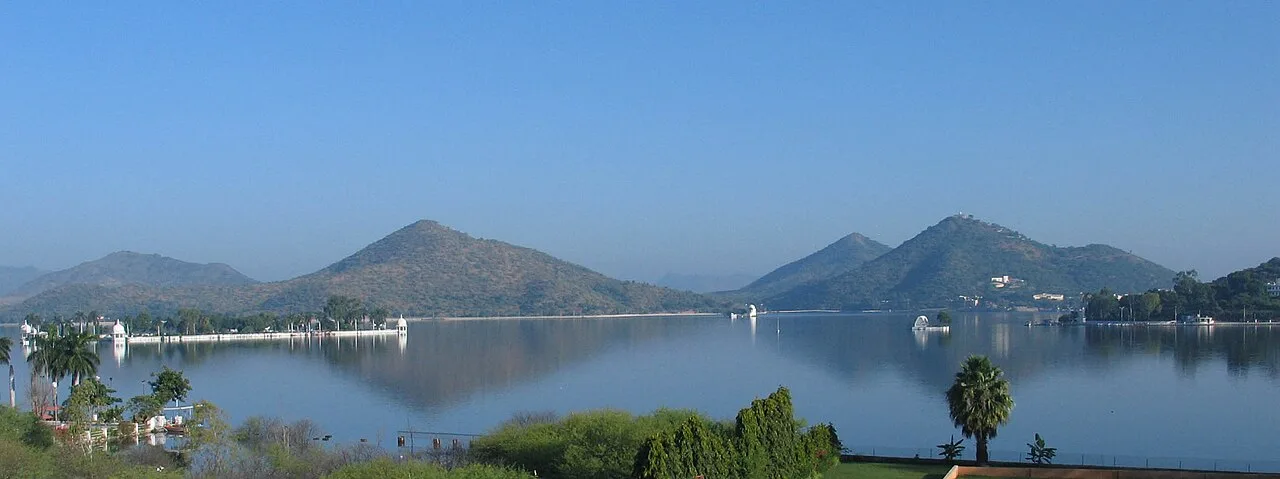
Fateh Sagar Lake
Fateh Sagar Lake is an artificial lake in Udaipur, Rajasthan. Visitors come to see its three islands, including parkland and the Udaipur Solar Observatory, while the lake also serves several water needs.
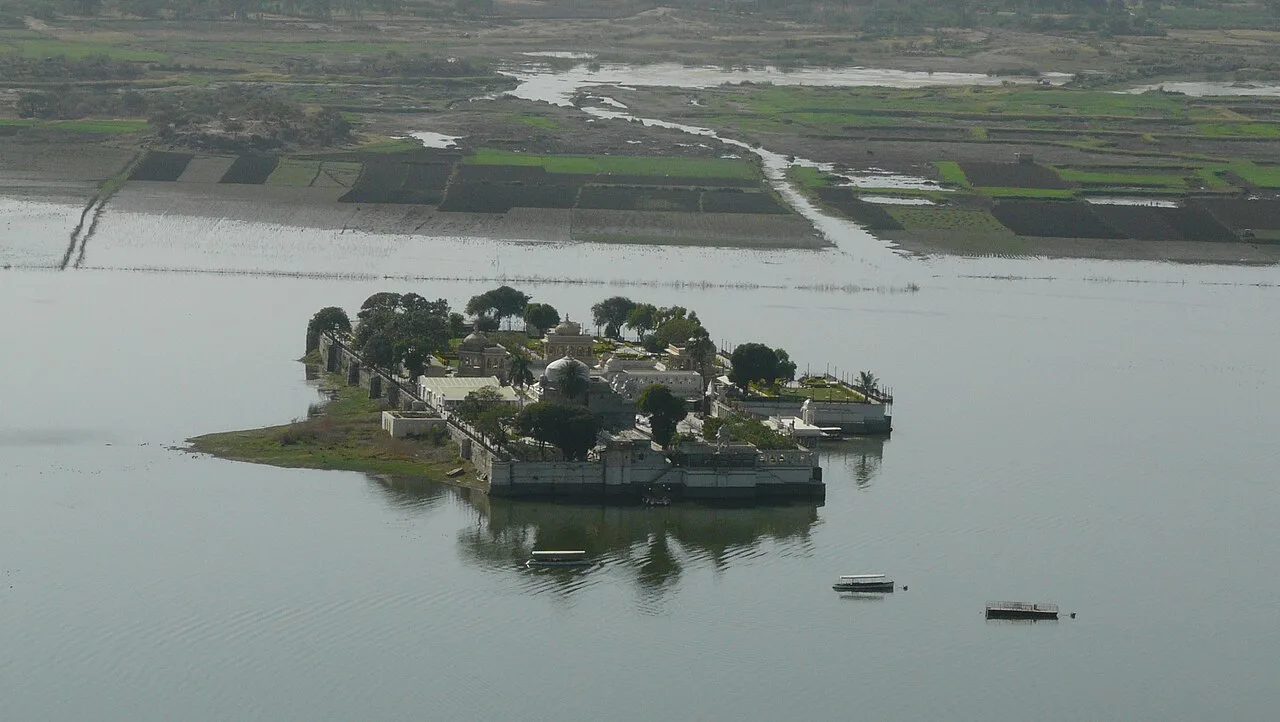
Jag Mandir Palace
Set within Lake Pichola in Udaipur, Jag Mandir Palace is a royal island residence. Visitors are drawn to its history, Mughal-influenced design and past as a retreat, celebration venue and place of refuge.
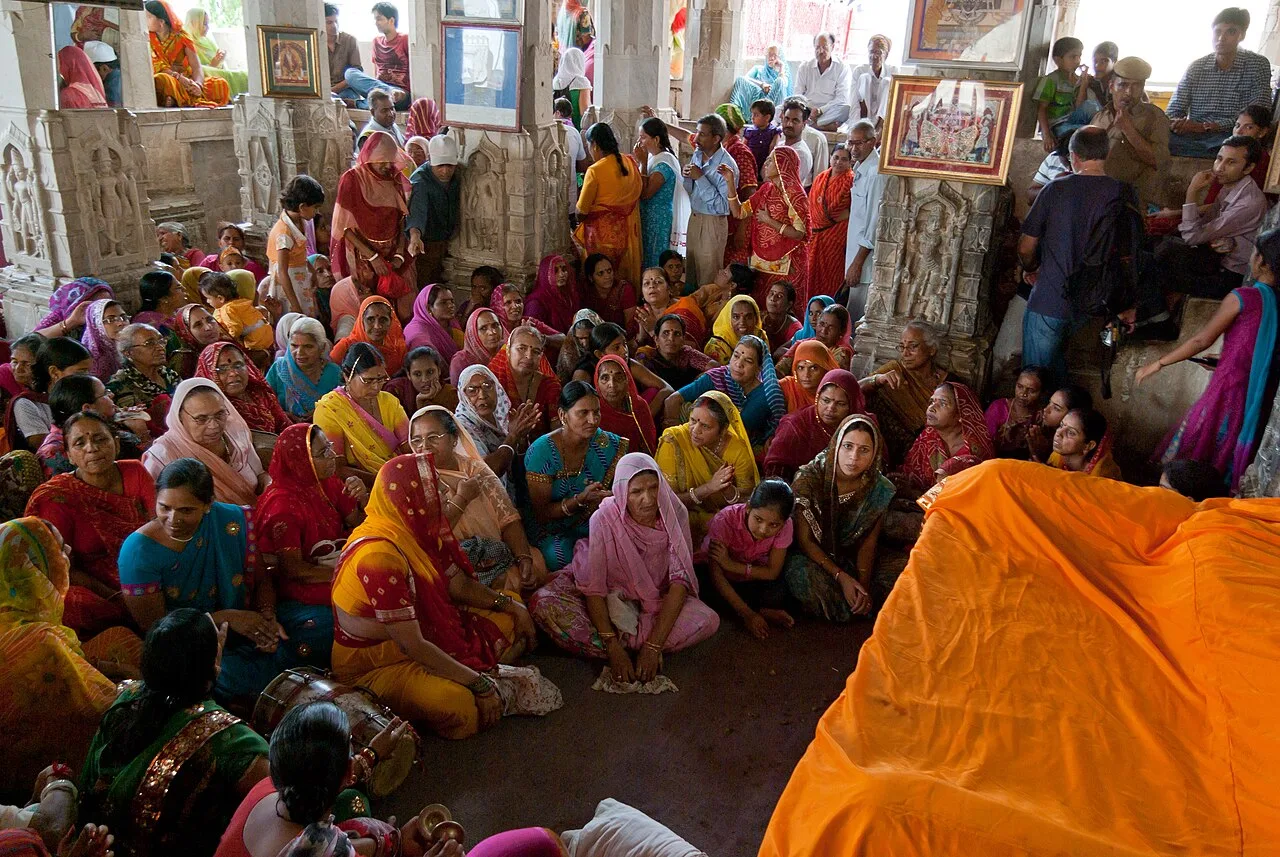
Jagdish Temple
Jagdish Temple is a large Hindu place of worship in central Udaipur, Rajasthan, beside the royal palace. Visitors come to see this prominent city monument and its long-standing place of worship.
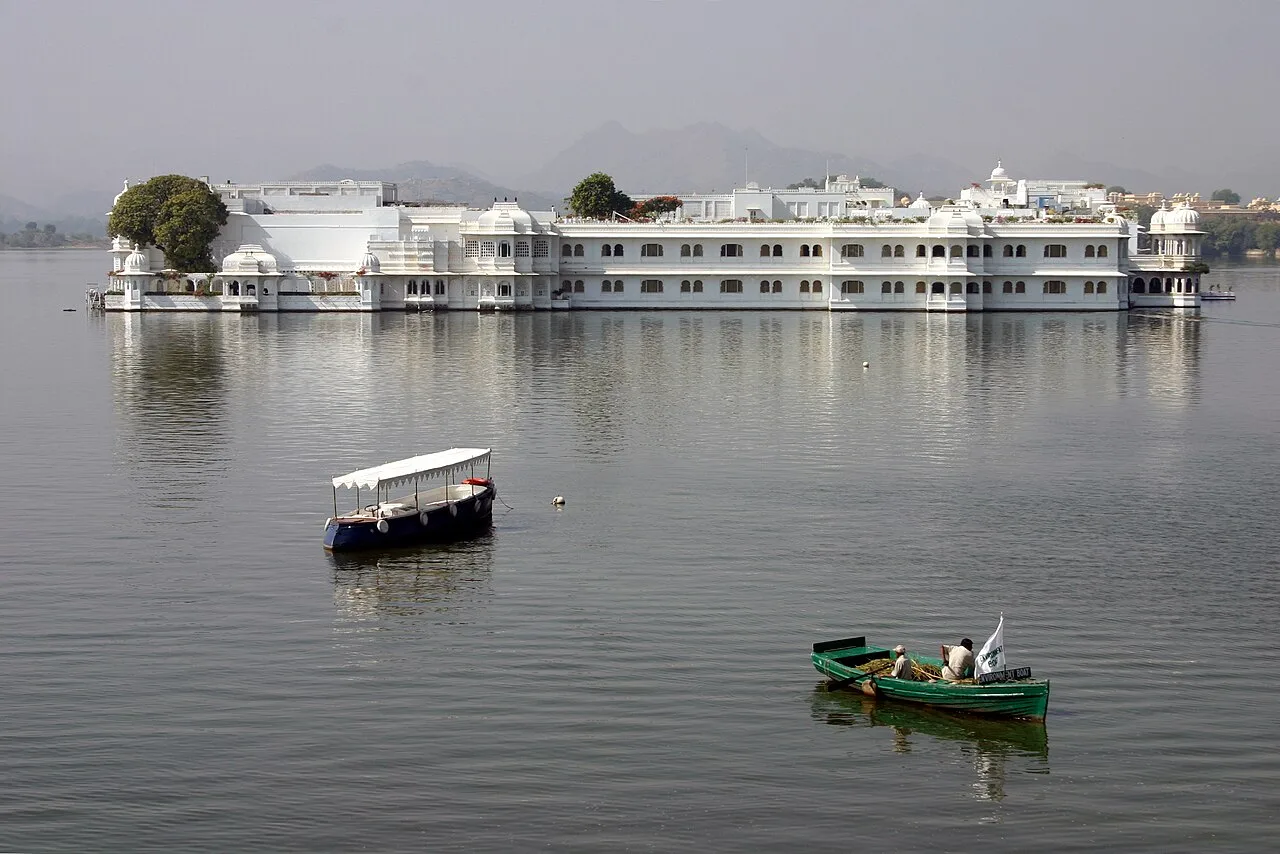
Lake Palace
Lake Palace is a former Mewar royal summer residence on an island in Udaipur’s Lake Pichola, now a hotel. Visitors recognise it for its lake setting and appearances in several hit films.

Lake Pichola
Lake Pichola, in Udaipur city in the Indian state of Rajasthan, is an artificial freshwater lake, created in the year 1362, named after the nearby Picholi village.
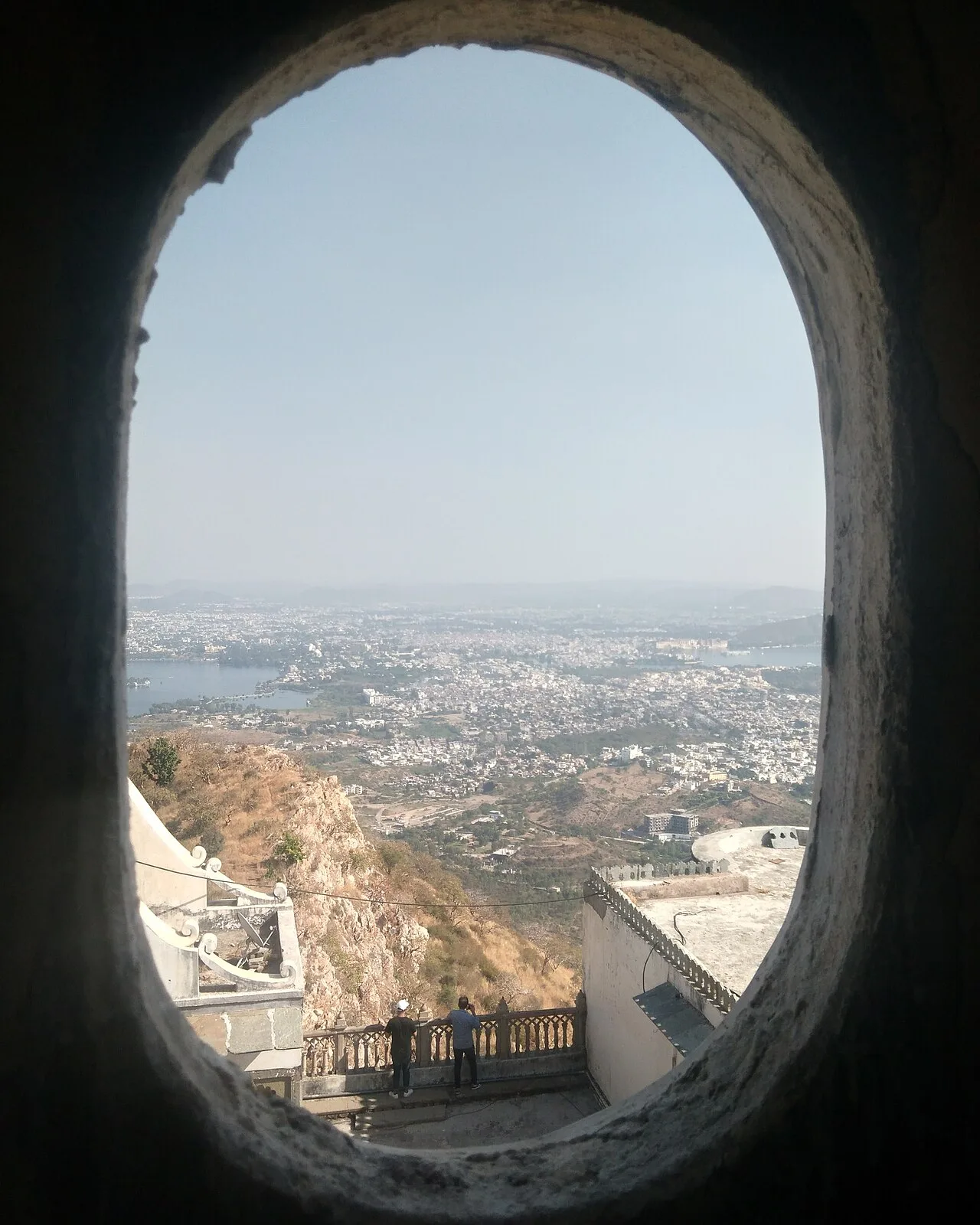
Monsoon Palace
Above Udaipur in Rajasthan, Monsoon Palace, also known as Sajjangarh, was built for Maharana Sajjan Singh. Visitors come for its outlook over lakes, palaces and countryside, and for sunset views.
Udaipur’s food reflects the wider Mewar and Rajasthani cuisines. Common dishes include dal baati churma, gatte ki sabzi and ker sangri, while laal maas is a well-known regional meat preparation. Pyaaz kachori and mirchi vada make popular snacks; ghewar and mawa kachori are among the sweets found in the region. Chaach, or spiced buttermilk, is a refreshing accompaniment. Vegetarian choices are plentiful, though menus vary between eateries. Many small places prepare a limited selection each day, so ask what is fresh and available rather than assuming every dish is served year-round.
Udaipur is associated with the Mewar school of miniature painting, a regional tradition known for finely detailed scenes of court life, religious stories and landscapes. Visitors may find paintings and related art in local galleries and markets, though quality and materials vary. Stone carving, marble work, metalwork and jewellery are also sold in the city and wider region. Rajasthan’s block-printed textiles and leather footwear appear in local shops, but they are regional crafts rather than exclusive to Udaipur. Pichwai painting is strongly associated with Nathdwara, in neighbouring Rajsamand district, and is part of the wider cultural landscape.
Gangaur is widely celebrated in the Mewar region in spring, and Udaipur’s Mewar Festival brings processions and cultural events to the city. The monsoon season is associated with Hariyali Amavasya fairs, while Shivratri draws worshippers to temples such as Eklingji. Shilpgram’s annual arts and crafts festival is usually held in winter and attracts visitors from across the region. Festival periods can mean busier streets, crowded attractions and greater demand for rooms, particularly in Udaipur city. Check local listings before travel, as event schedules and scale can vary.
Elsewhere in Rajasthan
The Aravalli Range shapes the district into ridges, rocky hills and valleys, with farms and settlements in more open ground. Udaipur city is known for its lakes, while reservoirs and seasonal streams form part of the wider landscape. Scrub and patches of woodland occur beyond the urban area, including around hill slopes and rural waters. Roads often bend through hilly terrain, so journeys outside the city may take longer than a map suggests. Monsoon rain can affect smaller roads and walking paths; lake and countryside visits are best planned with local conditions in mind.
Udaipur has hot summers, a monsoon season and generally milder, drier winters. Summer days can be tiring for sightseeing, so plan outdoor visits for cooler parts of the day and carry sun protection and water. Monsoon weather brings greener hills and fuller lakes, but rain can disrupt road travel and outdoor plans. The most comfortable months for many visitors are usually October to March, when days are more suitable for walking and sightseeing; evenings can feel cool in winter. Pack light, breathable clothing for the day, a warmer layer for winter evenings, comfortable walking shoes and rain protection if travelling during the monsoon.
Udaipur is served by Maharana Pratap Airport and Udaipur City railway station. Road links connect the city with Ahmedabad, Jaipur and other parts of Rajasthan, with national highways providing the main approach routes. Within the city, visitors can use auto-rickshaws, local buses and taxis; hired cars are useful for reaching sites beyond the centre, such as Eklingji. Boats serve some Lake Pichola attractions, but routes and access can vary. Check current services locally before setting out.
Auto-rickshaws, local buses, taxis and hired cars are available in Udaipur city. Autos and taxis work well for shorter urban trips, while a car or taxi is more practical for places beyond the centre, including Eklingji and Dhebar Lake. Local buses connect parts of the city and nearby settlements, though services may be less convenient for a multi-stop sightseeing day. Boats serve some Lake Pichola attractions, but routes and access depend on local operations and conditions. Ask locally about road conditions and current transport options before setting out.
2 days: City Palace, Udaipur → Jagdish Temple → Lake Pichola → Lake Palace → Jag Mandir Palace → Fateh Sagar Lake → Saheliyon-ki-Bari; sleep both nights in Udaipur city. 3 days: City Palace, Udaipur → Jagdish Temple → Lake Pichola → Jag Mandir Palace → Saheliyon-ki-Bari → Fateh Sagar Lake → Monsoon Palace; sleep nights 1 and 2 in Udaipur city. 4 days: City Palace, Udaipur → Jagdish Temple → Lake Pichola → Lake Palace → Eklingji → Dhebar Lake; sleep nights 1 and 2 in Udaipur city and night 3 near Dhebar Lake.
Udaipur city is the most practical base for the palace, temple, garden and lake circuit, with a wide range of hotels, guesthouses and homestays. It also offers the broadest choice of food and transport. For a trip focused on Dhebar Lake, consider staying in the surrounding area if suitable accommodation is available, or make a longer day trip from the city. Government lodges and dharamshalas may be options in some places, but availability and facilities vary. Check location and transport access before booking, especially for rural stays.
Udaipur is a busy visitor destination, so keep belongings secure in crowded markets, at festivals and around popular lakefronts. Use care on steep or uneven paths, palace steps and wet surfaces, and avoid entering lakes or unfamiliar water. Carry drinking water and protect yourself from sun and heat; during monsoon, check road and walking conditions before travelling. Wildlife may be present in wooded or rural areas, so keep a respectful distance and follow local advice. Road conditions and mobile connectivity can be less predictable outside the city; avoid rushing rural drives after dark. No general special permit is normally needed for the listed sights, but confirm any site-specific access requirements with official sources.
- Rajsamandabout 48 km
- Paliabout 63 km
- Sabarkantha · Gujaratabout 78 km
- Banaskantha · Gujaratabout 89 km
- Sirohiabout 98 km
- Chittorgarhabout 103 km
- Mehsana · Gujaratabout 154 km
- Gandhinagar · Gujaratabout 187 km
Straight-line distance between the centres of each district's destinations; road distance is longer.
Q: How many days should I spend in Udaipur district? A: Two days can cover the main city sights; three or four days allow time for Eklingji or Dhebar Lake. Q: When is the best time to visit? A: October to March is generally the most comfortable period for sightseeing, though conditions vary by season. Q: What is the best base for exploring? A: Udaipur city is the most convenient base for the lakes, palace complex, gardens and city transport. Q: How do I get to Udaipur? A: The district is served by Maharana Pratap Airport and Udaipur City railway station, with road links to other parts of Rajasthan and neighbouring states. Q: Is Udaipur suitable for families or elderly travellers? A: Yes, though palace steps, uneven surfaces, heat and boat access may require extra planning; choose transport and walking routes to suit individual needs.
This page draws on our 10 destination guides for Udaipur and is updated as our team checks it.
Be the first to share photos, stories, advice or a helpful contact for Udaipur.
Loading…