
District · Rajasthan
Ajmer
Ajmer is a major pilgrimage and heritage centre in Rajasthan, set among the Aravalli hills between Jaipur and the state’s western districts.
Ajmer district lies in the semi-arid heart of Rajasthan, where the Aravalli hills shape a landscape of rocky ridges, valleys and settled plains. Ajmer city grew as an important centre under the Chauhans and later rulers, and its streets bring together religious, historic and everyday urban life. The shrine of Sufi saint Mu'in al-Din Chishti draws pilgrims from many communities, while Adhai Din Ka Jhonpra and Taragarh Fort reflect the city’s layered past. Nearby Pushkar, set around a sacred lake, is known for its temples and pilgrimage traditions. Ana Sagar adds an urban waterside setting. Together, Ajmer and Pushkar give the district a character shaped by faith, history and regional exchange.
Ajmer is a major pilgrimage and heritage centre in Rajasthan, set among the Aravalli hills between Jaipur and the state’s western districts. Its best-known draw is the shrine of Sufi saint Mu'in al-Din Chishti, visited by people of many faiths. In the same city, Adhai Din Ka Jhonpra, Taragarh Fort and Ana Sagar offer different views of its history and urban life. Nearby Pushkar brings a distinct pilgrimage setting, centred on its sacred lake and Brahma Temple. Ajmer district suits travellers interested in religious traditions, historic sites and the connections between Rajasthan’s towns.
Ajmer’s recorded history is closely associated with the Chauhan Rajputs, who established a kingdom here and made the city an important centre. Ajayaraja is traditionally credited with founding Ajmer in the 11th century; Prithviraj Chauhan later became its best-known ruler. The city came under Ghurid control in the late 12th century and subsequently passed through the hands of the Delhi Sultanate and other regional powers. Under the Mughals, Ajmer became an important administrative and pilgrimage centre, and Emperor Akbar visited the shrine of Mu'in al-Din Chishti. In the early 19th century, the British took control of Ajmer and the surrounding territory, which they administered as Ajmer-Merwara, separate from many neighbouring princely states. After independence, Ajmer became a state within the Indian Union in 1950. It was incorporated into Rajasthan during the reorganisation of states in 1956. The district’s present character reflects these successive political eras as well as the long-standing religious importance of Ajmer and Pushkar.
7 destination guides
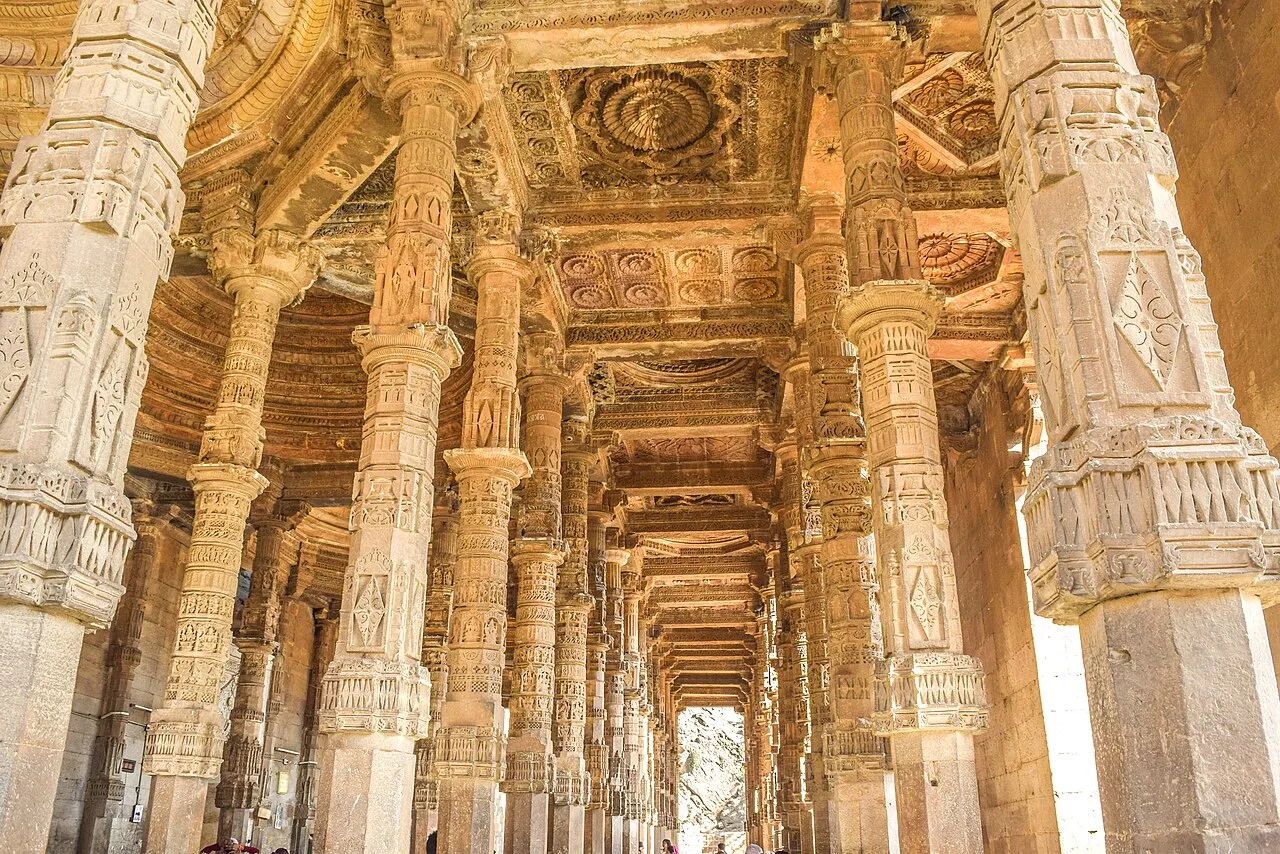
Adhai Din Ka Jhonpra
This former mosque in Ajmer, Rajasthan, is among India’s oldest mosques and the city’s oldest surviving monument. Visitors come to see its early Indo-Islamic design and its Hindu, Jain and Islamic architectural elements.
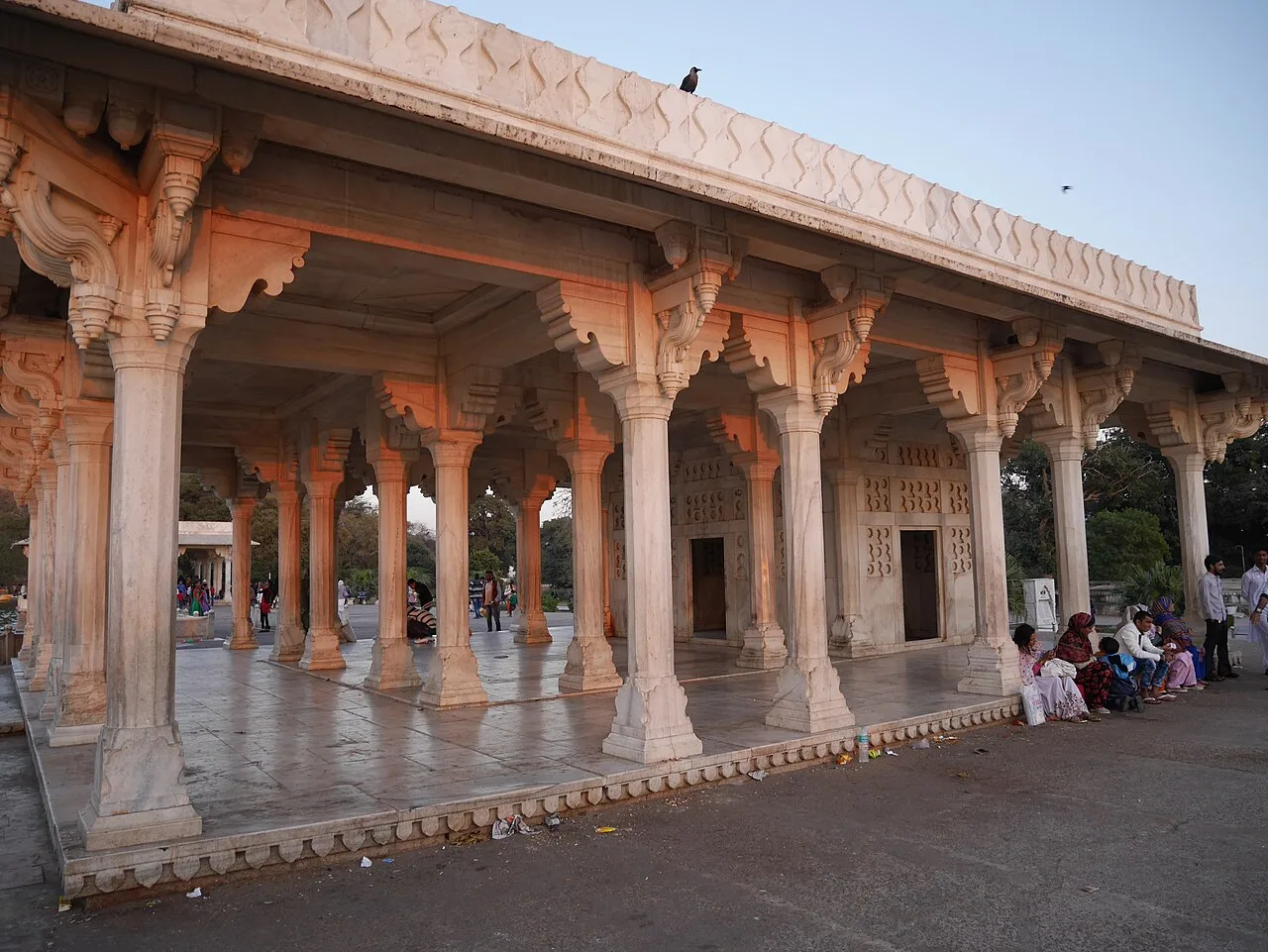
Ana Sagar Lake
Ana Sagar is a man-made lake in Ajmer, Rajasthan, associated with its builder Arnoraja, also called Ana. Visitors come to see this historic water body, which extends across 13 km.
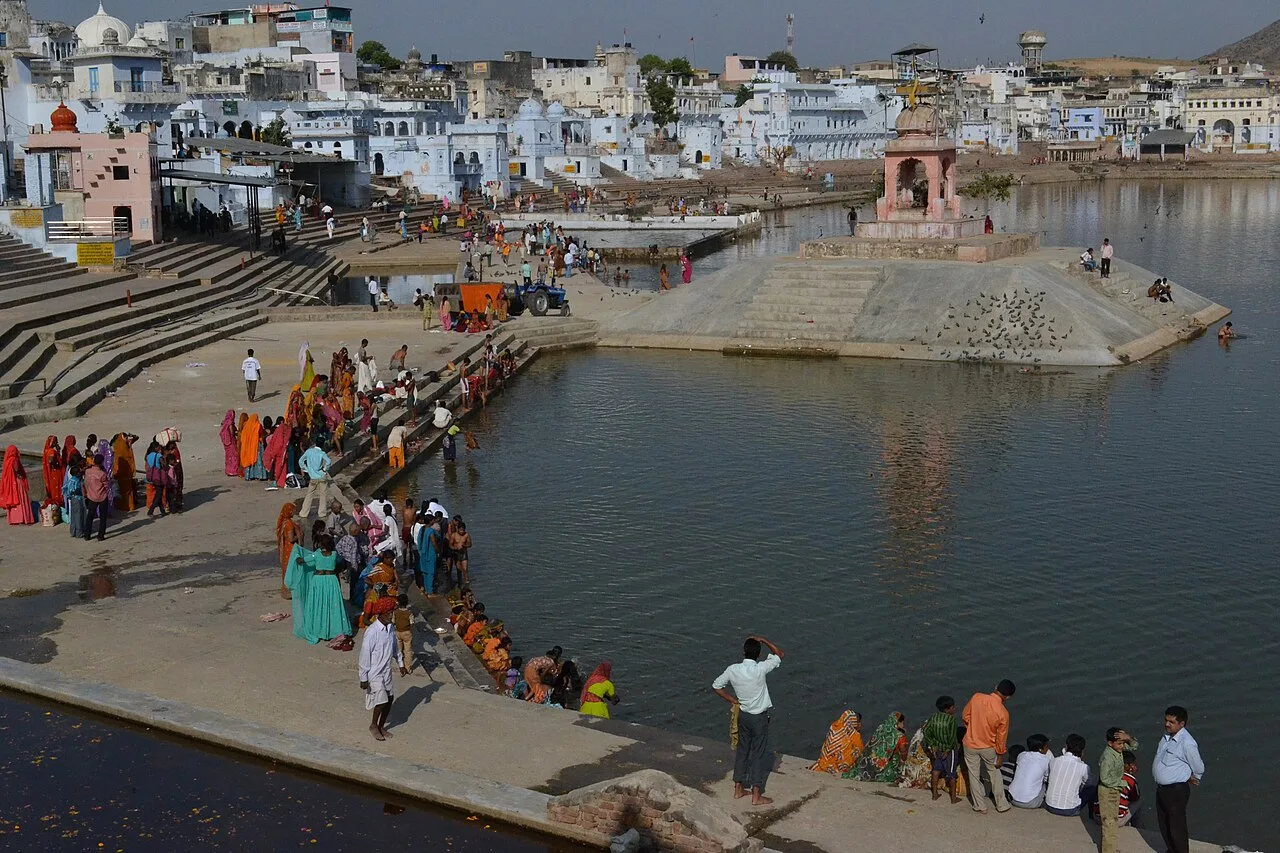
Brahma Temple
Located in Pushkar, Rajasthan, the Brahma Temple is a Hindu shrine near Pushkar Lake and among India’s few temples for Brahma. Pilgrims especially gather there on Kartik Poornima.
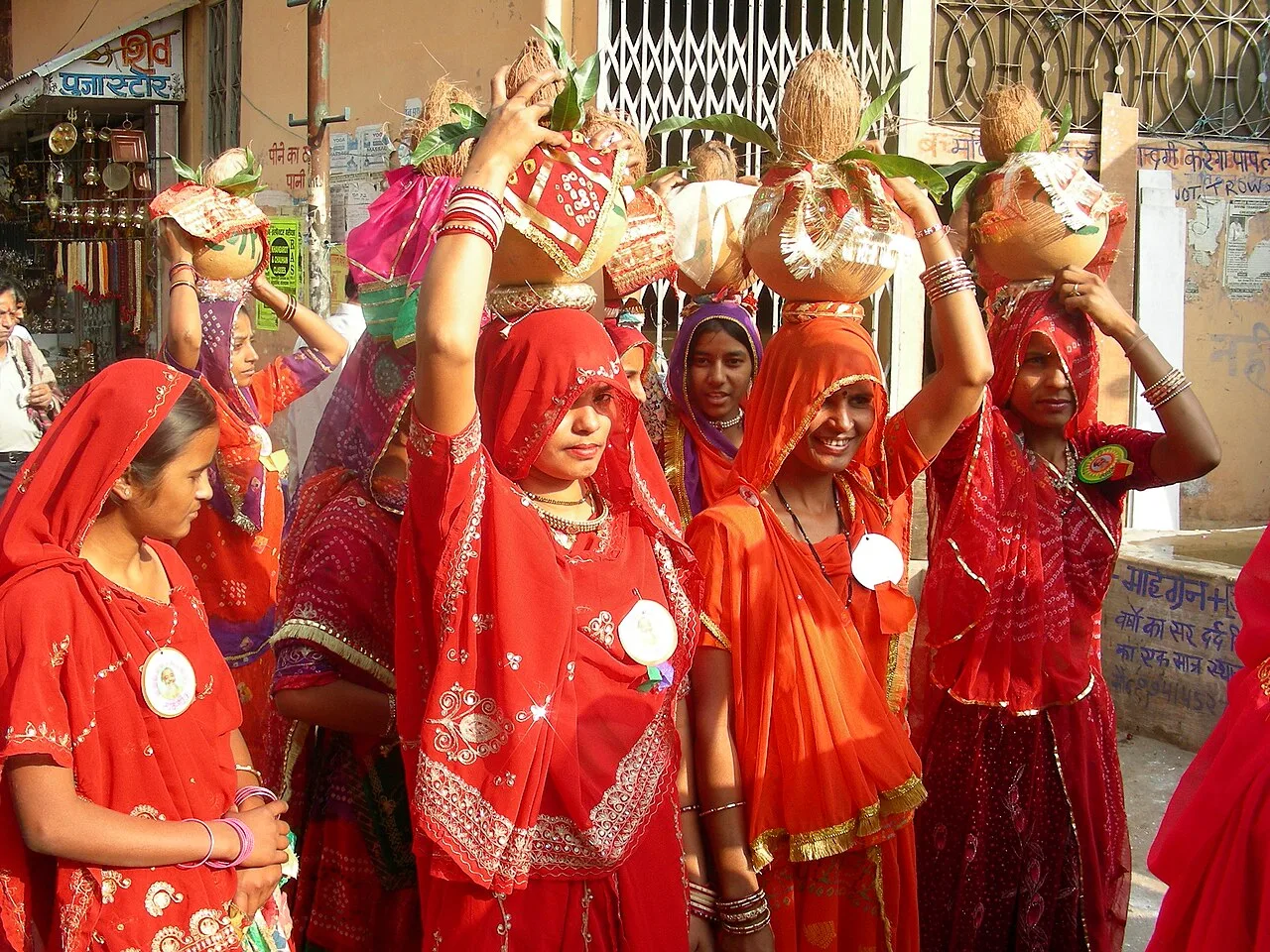
Pushkar
Pushkar is a historic pilgrimage town in Rajasthan, centred on a sacred lake and temples, including one of the few shrines to Brahma. Visitors come for worship, ritual bathing and its heritage.
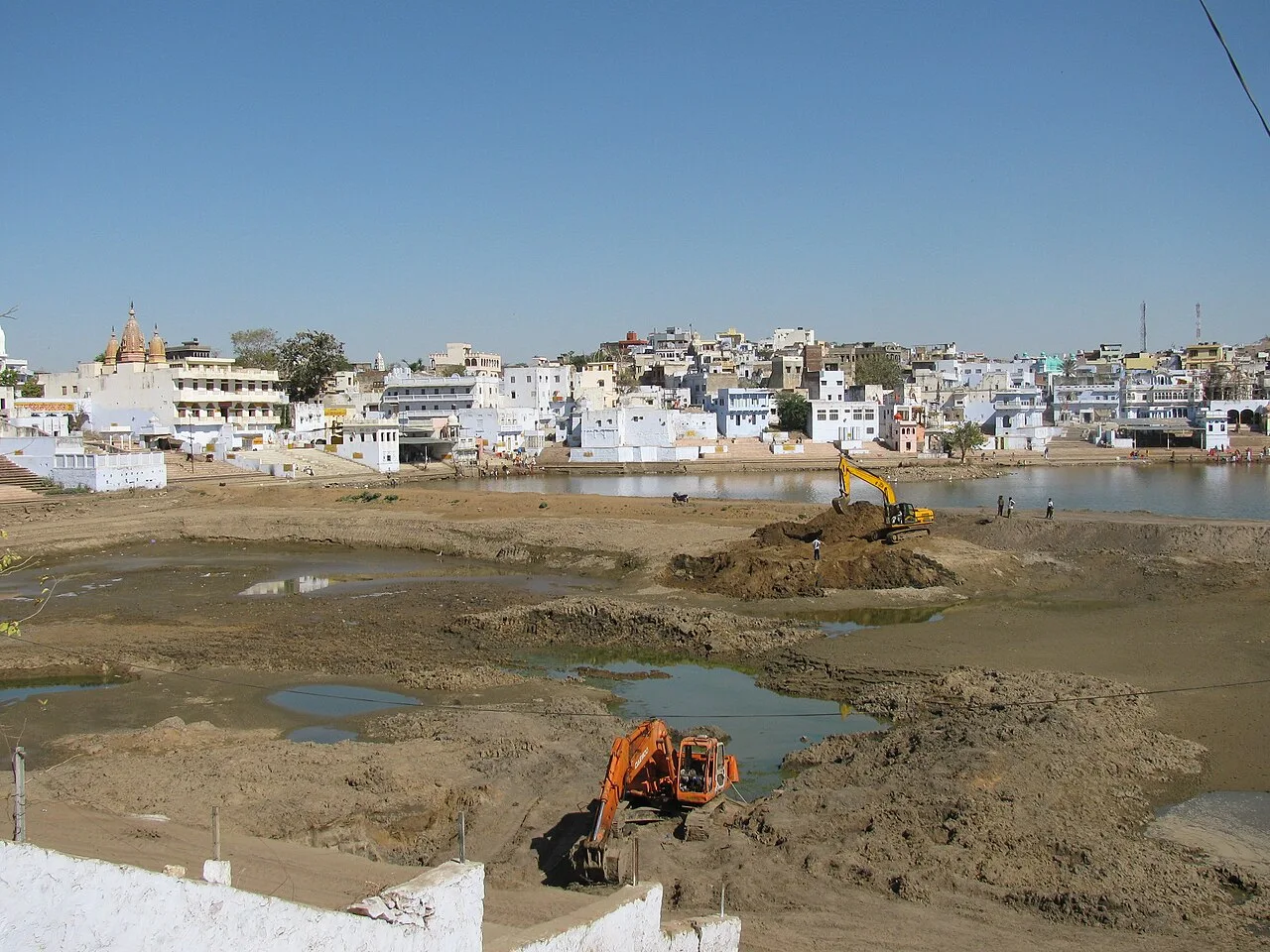
Pushkar Lake
Pushkar Lake, also called Pushkar Sarovar, is a sacred lake in Rajasthan’s Ajmer district. Pilgrims come to bathe at its ghats, especially around Kartik Poornima, when the Pushkar Fair takes place.
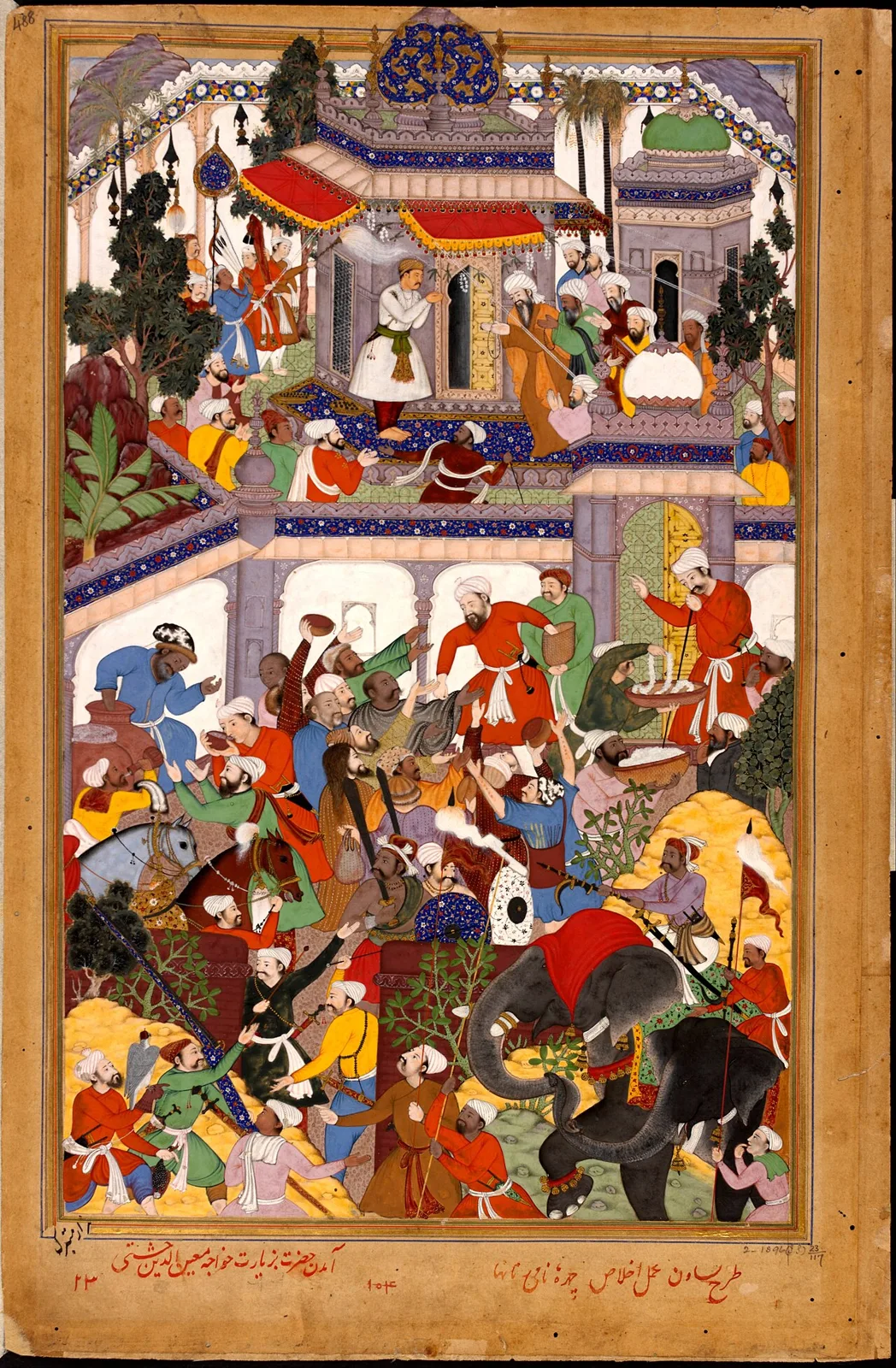
Shrine of Mu'in al-Din Chishti
A Sufi pilgrimage complex in Ajmer, Rajasthan, centred on Mu'in al-Din Chishti’s shrine and including tombs and a mosque. Sunni Muslims visit in large numbers, particularly for Chishti’s urs.
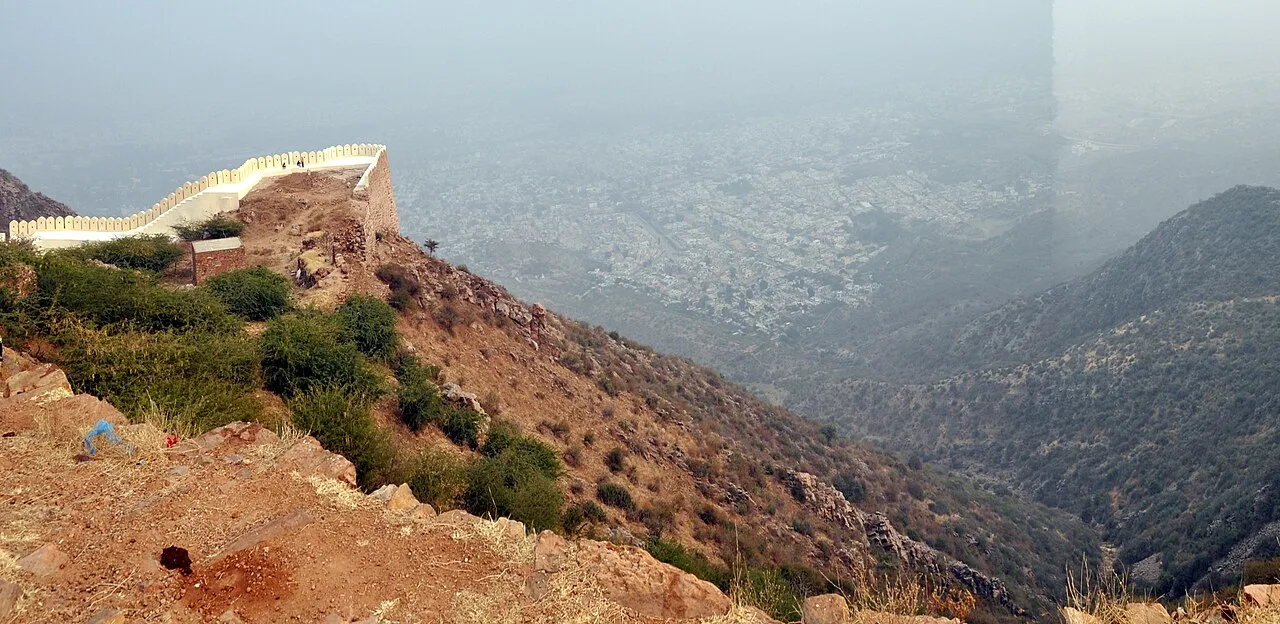
Taragarh Fort, Ajmer
Set on a steep slope in Ajmer, Rajasthan, Taragarh Fort is a historic stronghold associated with the Parmar Rajputs and Ajayaraja Chauhan. Visitors come to see the fortress and learn about its earlier name, Ajaymeru Durg.
Ajmer’s food reflects the wider cuisine of Rajasthan, with hearty dishes suited to a dry climate and a strong tradition of vegetarian cooking. Look for dal baati churma, gatte ki sabzi and ker sangri, alongside snacks such as pyaaz kachori and mirchi vada. Sweets including ghewar and mawa kachori are popular across the region; chaach offers a cooling accompaniment. Laal maas is a well-known non-vegetarian Rajasthani dish, though menus vary by restaurant. In Ajmer and Pushkar, ask what has been prepared fresh that day, as smaller eateries may offer a limited selection.
Markets in Ajmer and Pushkar offer a mix of local wares and crafts from across Rajasthan. Visitors may find tie-dyed and block-printed textiles, embroidered clothing, jewellery, leather goods and pottery, especially in busy market areas and around pilgrimage or fair seasons. These crafts are associated with the wider region rather than being exclusive to Ajmer district; some pieces may come from other craft centres. Ask sellers about materials and origin, and compare workmanship before buying.
The annual Urs at the shrine of Mu'in al-Din Chishti commemorates the saint and follows the Islamic lunar calendar, so its season shifts from year to year. It draws large numbers of pilgrims and can make the old city especially crowded, with accommodation in high demand. Pushkar’s best-known event is the fair held around Kartik in the autumn, combining pilgrimage, trading traditions and cultural activities; rooms in Pushkar and Ajmer may fill quickly. Holi, Diwali, Teej and Eid are also observed in the district and wider region. Check local arrangements before travelling during major gatherings.
In this district
Ajmer district lies in Rajasthan’s semi-arid interior, where Aravalli ridges and rocky hills interrupt settled plains. The hills shape road approaches around Ajmer and Pushkar, and some routes are winding or have uneven surfaces. Seasonal streams and water bodies, including Ana Sagar and Pushkar Lake, provide prominent waterside settings, but the district has no extensive river system for travel. Vegetation is generally adapted to dry conditions, with greener surroundings after the monsoon. The varied terrain makes short journeys between towns scenic, though travel beyond built-up areas may require planning and suitable transport.
Summer, broadly from April into June, is very hot and dry; plan outdoor visits for cooler parts of the day and carry sun protection. The monsoon usually arrives around July and continues into September, bringing occasional heavy showers and greener surroundings, though rain can affect road conditions. Winters are generally mild by day and cool at night. October to March is usually the most comfortable period for sightseeing and travel, although festival and pilgrimage seasons can be busy. Pack light, breathable clothing for warm weather, a hat and sunscreen, and a warmer layer for winter evenings. Comfortable footwear is useful on uneven paths and temple or fort steps.
Ajmer Junction is the district’s principal railway station, with rail connections to major cities in Rajasthan and elsewhere in India. Kishangarh Airport is the nearest airport serving the area, though flight options may be limited; Jaipur offers a wider choice of air connections. Ajmer is linked by road with Jaipur, Beawar and other regional centres, and buses and private vehicles connect the city with Pushkar. Within Ajmer, auto-rickshaws and taxis are useful for local trips; arrange onward transport for sites beyond the main urban areas. Check current services locally before travelling.
Ajmer city is served by auto-rickshaws and taxis, while local buses and shared vehicles may be useful for some routes. Road connections link Ajmer with Pushkar, Kishangarh, Beawar and other regional centres; buses and private vehicles travel between Ajmer and Pushkar. For Taragarh Fort and other sites beyond the central areas, arrange onward transport and check the route locally. Taxis can be convenient for combining several sights in a day. Ana Sagar is accessible within Ajmer, and boating may be available when local operations permit. Services and road conditions can vary, so confirm arrangements before setting out.
2 days: Shrine of Mu'in al-Din Chishti → Adhai Din Ka Jhonpra → Ana Sagar Lake → Taragarh Fort; sleep in Ajmer night 1. Pushkar → Pushkar Lake → Brahma Temple; sleep in Pushkar night 2. 3 days: Shrine of Mu'in al-Din Chishti → Adhai Din Ka Jhonpra → Ana Sagar Lake → Taragarh Fort; sleep in Ajmer night 1. Pushkar → Pushkar Lake → Brahma Temple; sleep in Pushkar night 2. Spend day 3 in Pushkar before departing; sleep in Pushkar night 3 if continuing the next day.
Ajmer is the most practical base for the city’s shrine, historic sites and Ana Sagar, with a range of hotels, guesthouses and dharamshalas. Pushkar suits travellers focusing on the lake, Brahma Temple and the town’s pilgrimage atmosphere; stays include hotels, guesthouses and homestays, with more demand during the fair. Government accommodation may be available in the wider area, but options and access vary. For a short visit, staying in one town is convenient; a longer circuit can be split between Ajmer and Pushkar.
Ajmer and Pushkar are established visitor centres, but crowds around the shrine and during major festivals require care with belongings and meeting points. Fort and hill routes can involve steep or uneven steps; take care in heat and avoid attempting them if conditions or mobility make them unsuitable. Carry drinking water and use reliably treated or sealed water. Monsoon showers can affect roads, while rural routes may be less well lit; check conditions before travelling after dark. Mobile coverage is generally available in towns but may vary outside them. No special protected-area permit is generally associated with the listed sights; confirm any access rules officially or locally.
- Sikarabout 126 km
- Jaipurabout 130 km
- Churuabout 148 km
- Bundiabout 154 km
- Rajsamandabout 185 km
- Kotaabout 209 km
- Bikanerabout 211 km
Straight-line distance between the centres of each district's destinations; road distance is longer.
Q: How many days should I spend in Ajmer district? A: Two days can cover Ajmer and Pushkar’s main sights. Three days allow a slower visit or more time in Pushkar. Q: When is the best time to visit? A: October to March is generally most comfortable. Festival periods are lively but can be crowded, so plan accommodation ahead. Q: Where is the best base? A: Stay in Ajmer for the city sights and shrine, or Pushkar for the lake and temples. Splitting nights between them works well for a longer visit. Q: How do I get to Ajmer? A: Ajmer Junction is the main rail station. Kishangarh Airport serves the area with limited flight options, while Jaipur has a wider choice; road and bus connections link Ajmer with regional towns. Q: Is Ajmer district suitable for families and elderly travellers? A: Yes, though crowds, uneven paths and steps at some sites may be challenging. Choose transport and sightseeing plans that suit everyone’s mobility.
This page draws on our 7 destination guides for Ajmer and is updated as our team checks it.
Be the first to share photos, stories, advice or a helpful contact for Ajmer.
Loading…