
District · Rajasthan
Jaipur
Jaipur district is a major cultural and administrative centre in eastern Rajasthan, with the state capital at its heart.
Jaipur district brings together a busy state capital, historic settlements, dry plains and the rugged edge of the Aravalli Hills. Jaipur city was founded in 1727 by Sawai Jai Singh II and is known for its planned street layout, historic markets and pink-toned architecture. The old city and its royal landmarks reflect the region’s Rajput history, while nearby Amer, Jaigarh and Nahargarh forts connect the urban centre to the surrounding hills. Temples and pilgrimage sites, including Galtaji, add another layer to the district’s character. Beyond the city, settlements and open landscapes offer a quieter contrast to its crowded bazaars and expanding modern neighbourhoods.
Jaipur district is a major cultural and administrative centre in eastern Rajasthan, with the state capital at its heart. Travellers come for Jaipur’s planned historic core, pink-toned architecture, royal residences and observatories, as well as the hill forts around Amer. The district also offers a broader mix of experiences: pilgrimage at Galtaji, a palace set in Man Sagar Lake, and the salt landscape of Sambhar on its western side. Markets and newer neighbourhoods show the city’s contemporary life alongside its heritage. Jaipur works well as a base for exploring nearby parts of Rajasthan, though reaching outlying sites requires additional road travel.
The Jaipur region was ruled by the Kachwaha Rajput dynasty, whose earlier capital was at Amber. Kachwaha rulers maintained important relationships with the Mughal Empire, and their forts, temples and courtly traditions shaped the area. Sawai Jai Singh II founded Jaipur in 1727 and moved his capital from Amber to the new city. Its planned layout and broad commercial streets reflected the ambitions of a growing court and trading centre. Jaipur remained the capital of a princely state under British paramountcy during the colonial period. After Indian independence, the princely state joined the Union of India and became part of the state of Rajasthan as it was formed through post-independence integration. Jaipur became Rajasthan’s capital. The present district is centred on the city and its surrounding settlements; administrative boundaries have changed over time, so the district today is not identical to the historic Jaipur State. The forts and palaces around the city preserve different layers of the region’s political and architectural history.
12 destination guides
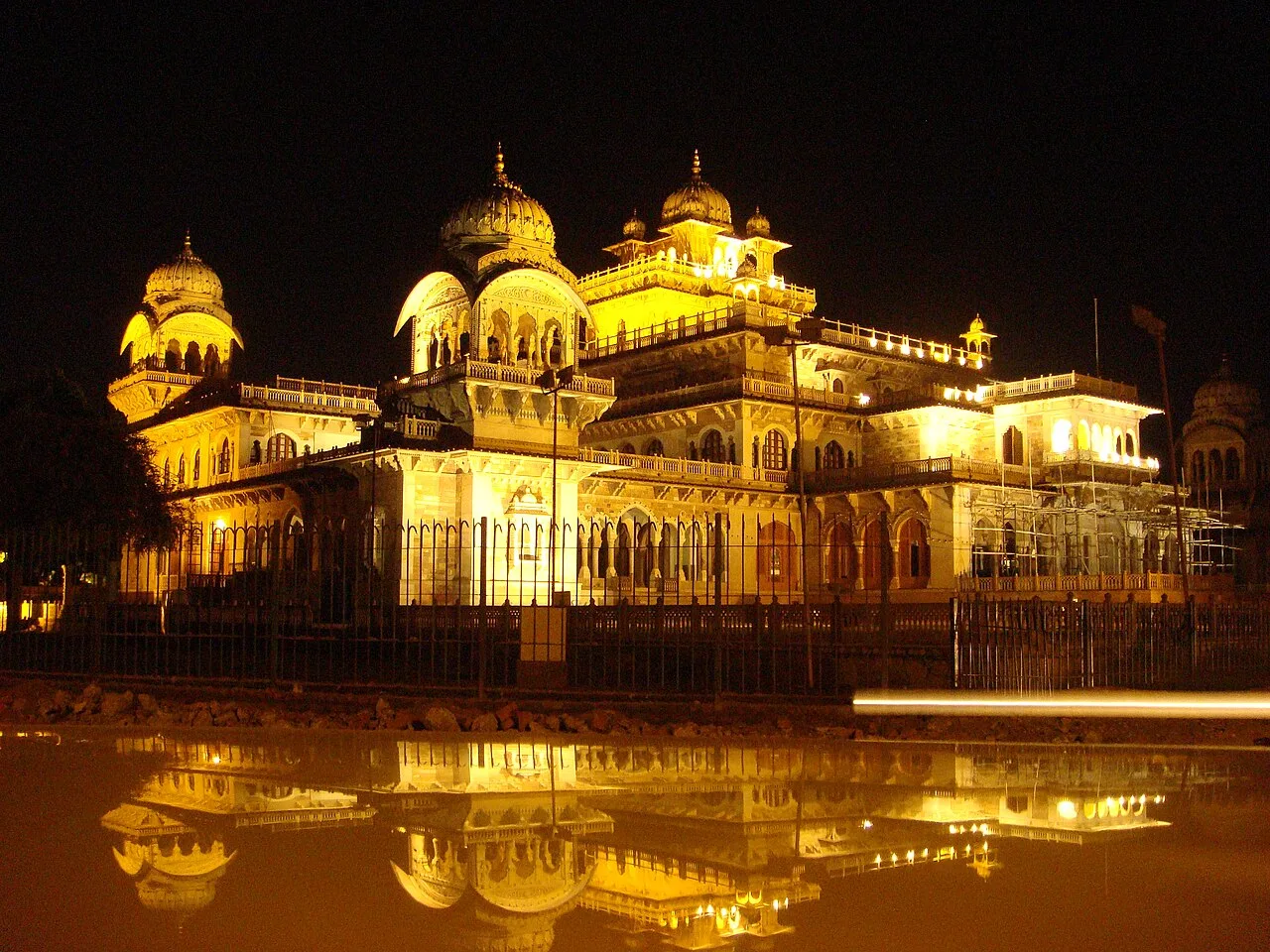
Albert Hall Museum
Set in Jaipur’s Ram Niwas Garden, Albert Hall Museum is Rajasthan’s state museum and its oldest museum. Visitors come to explore its varied collections and Indo-Saracenic architecture.
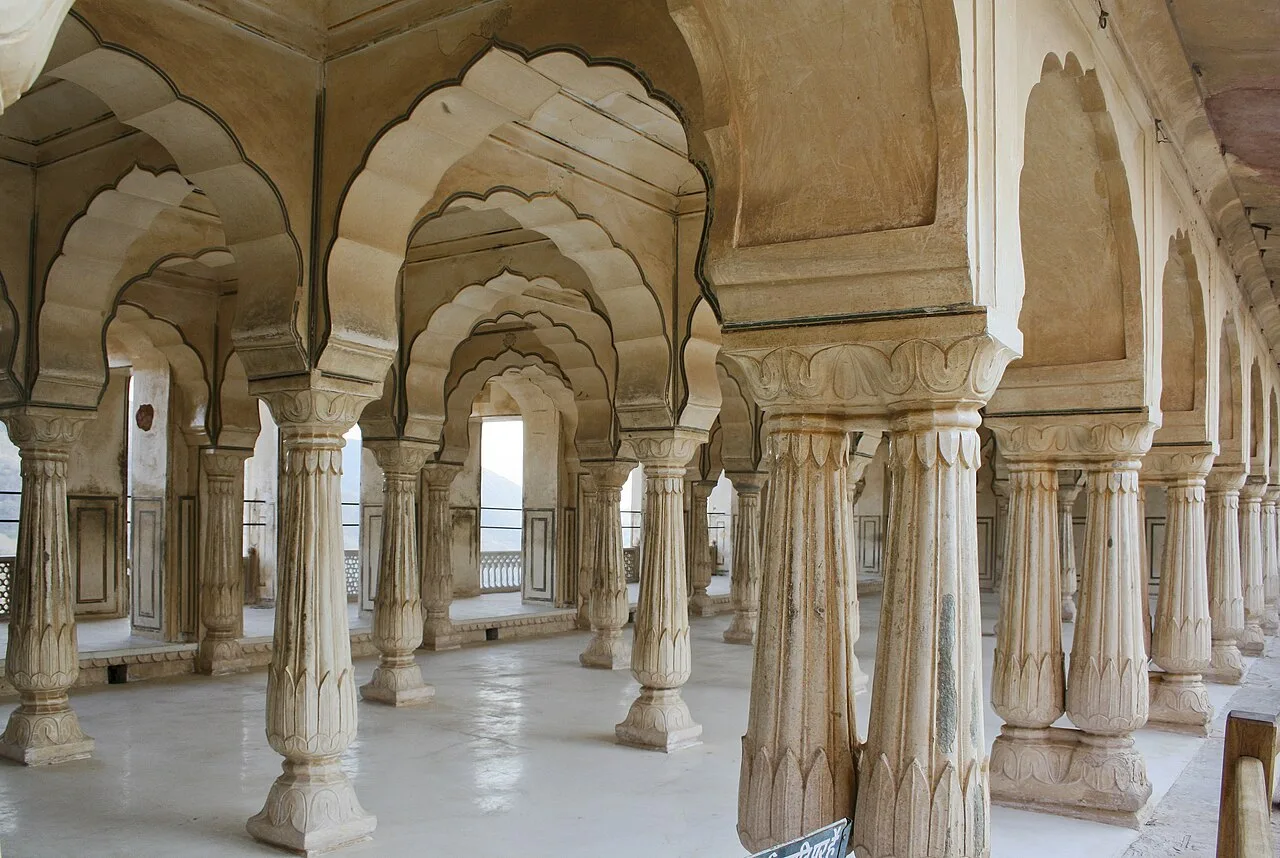
Amber Fort
Amber Fort, also known as Amer Palace, is a hilltop fort in Amer, Rajasthan. Visitors explore its Rajput and Mughal-influenced design, palace halls and setting above Maota Lake.
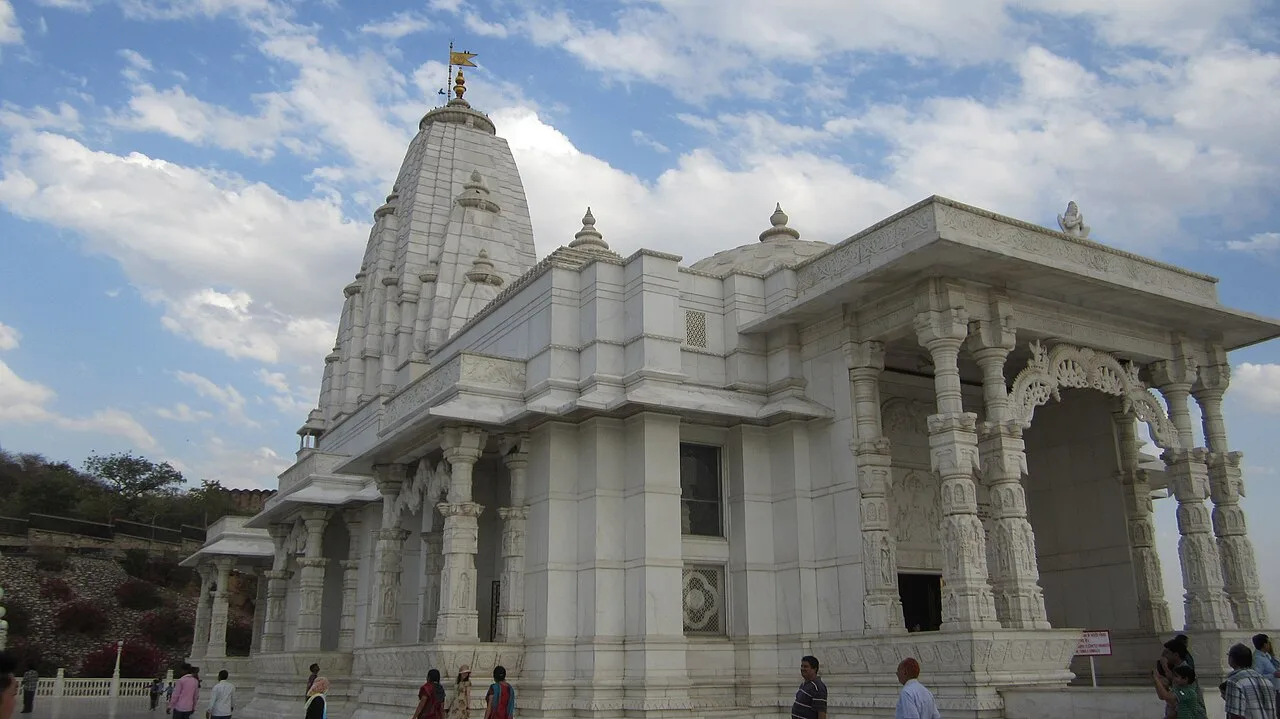
Birla Mandir
Birla Mandir, also known as Lakshmi Narayan Temple, is a Hindu place of worship in Jaipur, Rajasthan. Visitors come to worship and see its marble shrine and sacred images.
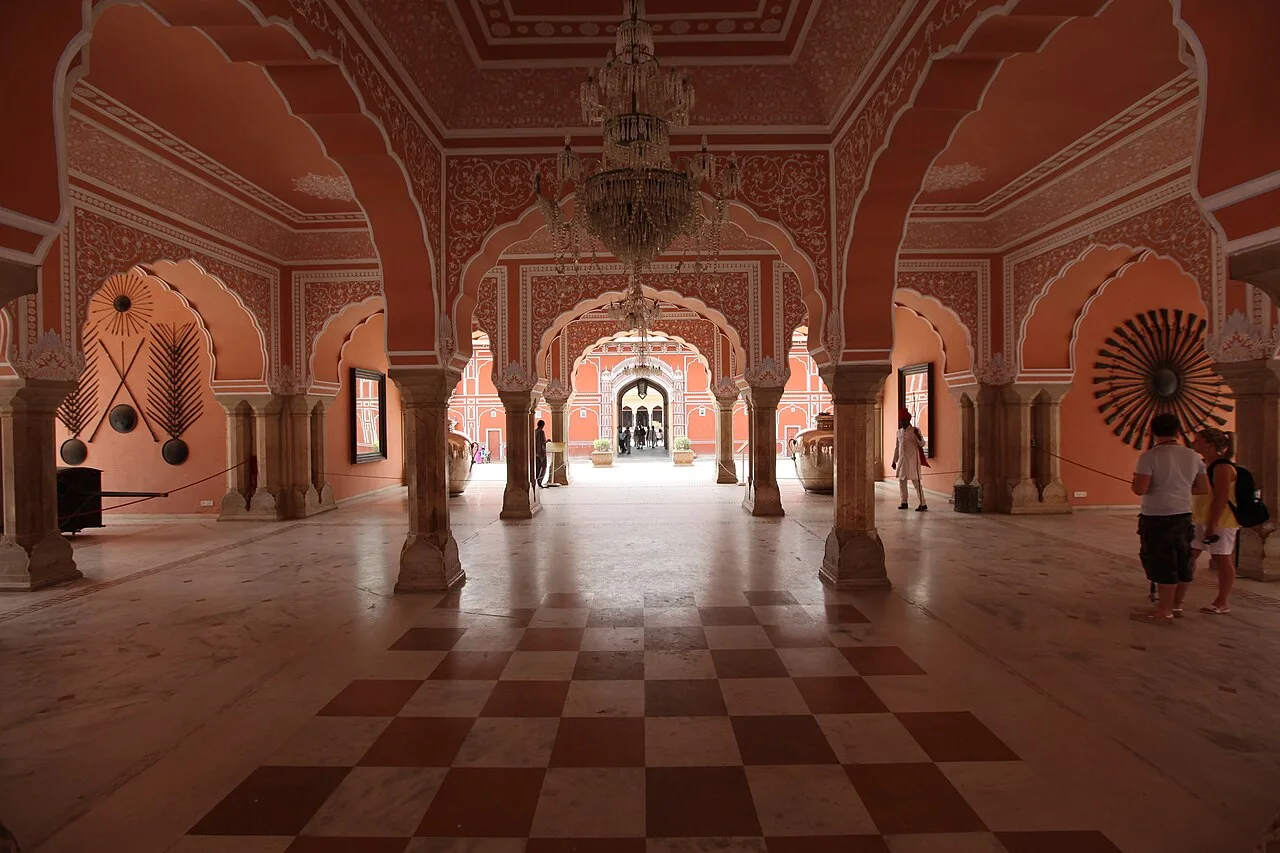
City Palace, Jaipur
A historic royal complex in Jaipur, the City Palace served the city’s rulers and remains the royal family’s home. Visitors come to see its architecture and explore the museum.
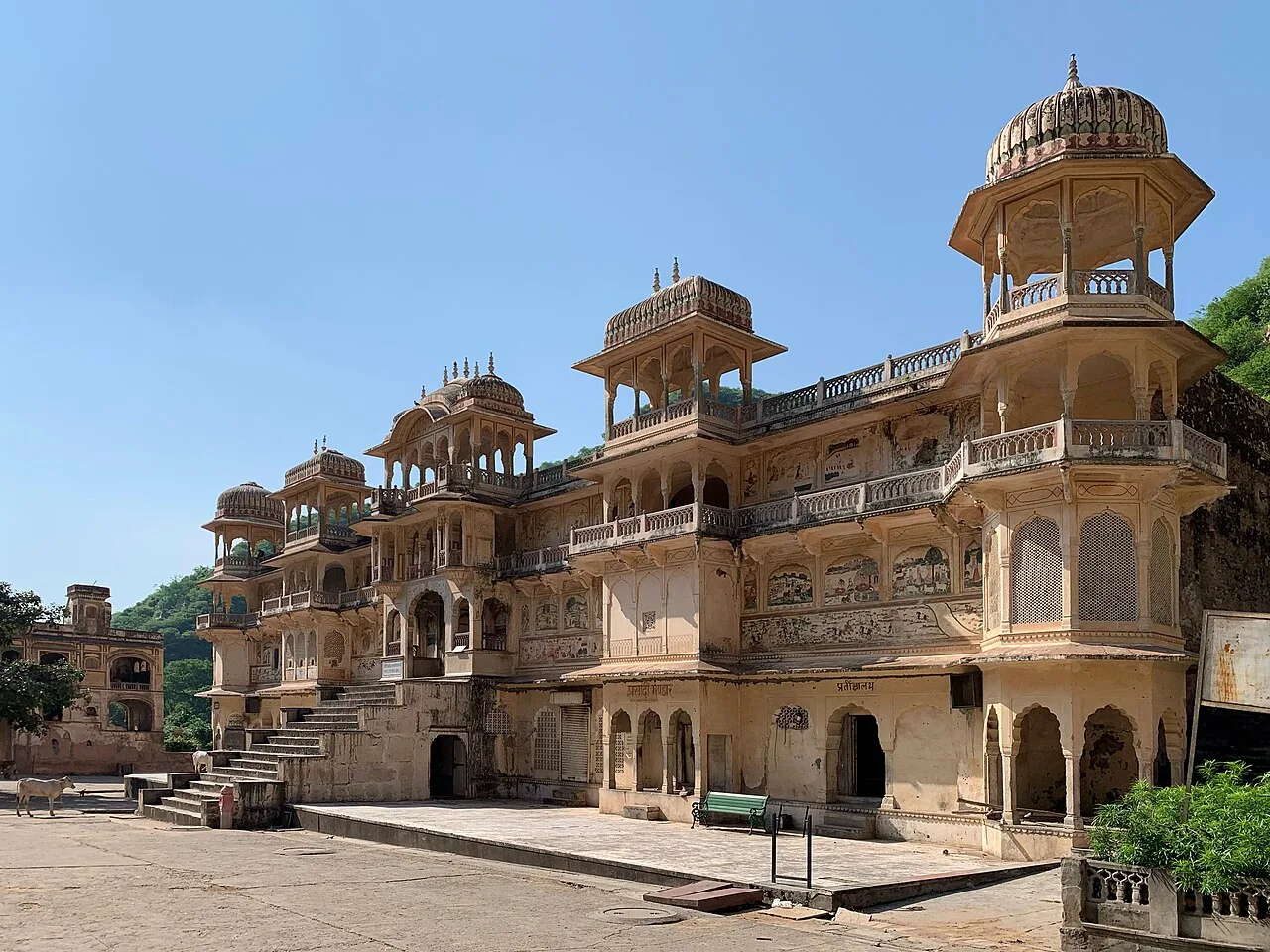
Galtaji
Galtaji is an ancient Hindu pilgrimage complex in Jaipur district, around 10 km east of Jaipur. Pilgrims visit its temples and bathe in tanks fed by a hillside spring.
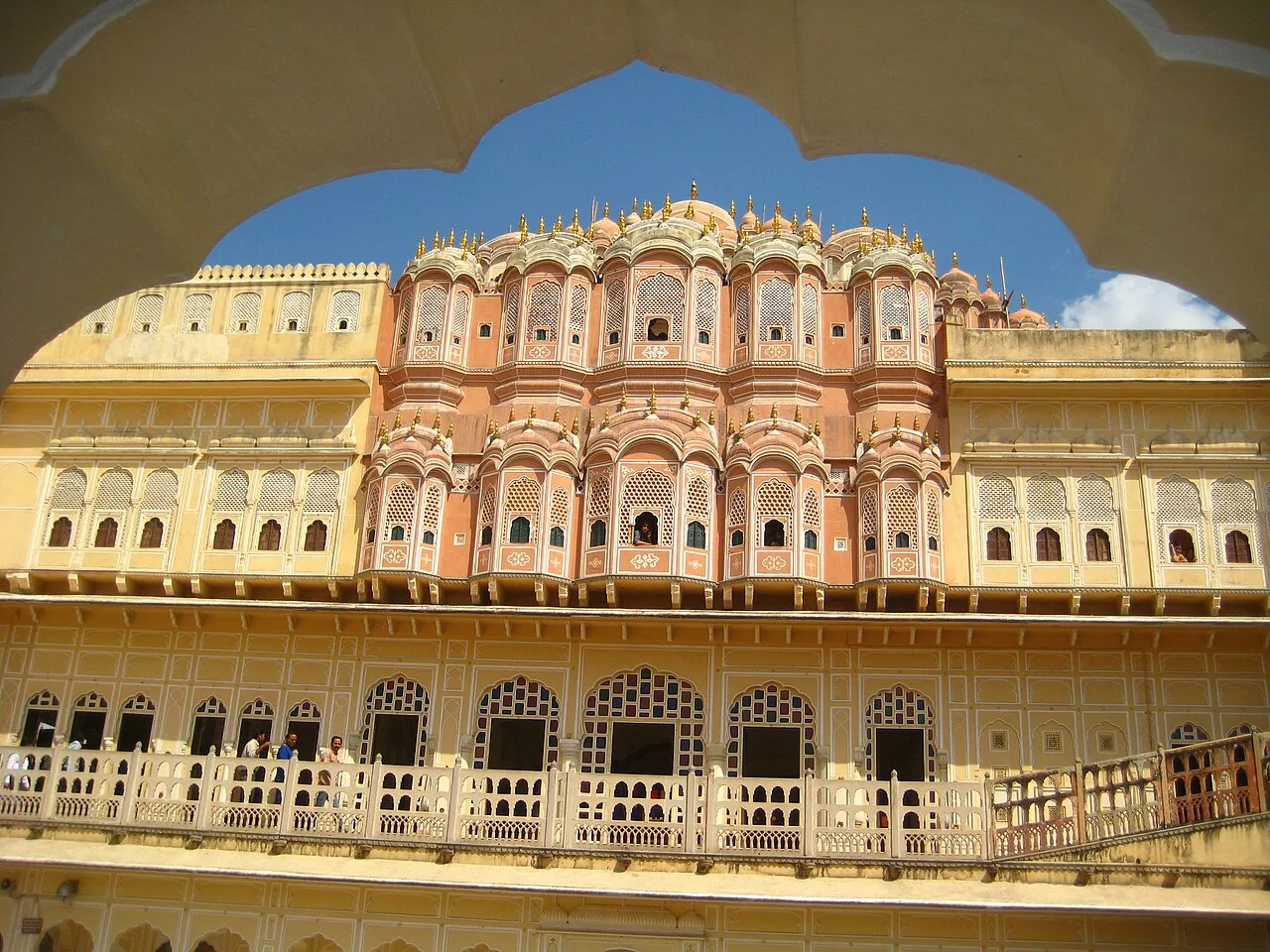
Hawa Mahal
Hawa Mahal is a sandstone palace in Jaipur, recognised for its honeycomb façade and 953 lattice-screened jharokhas. Visitors come to see its distinctive design and learn how its openings provided privacy and ventilation.
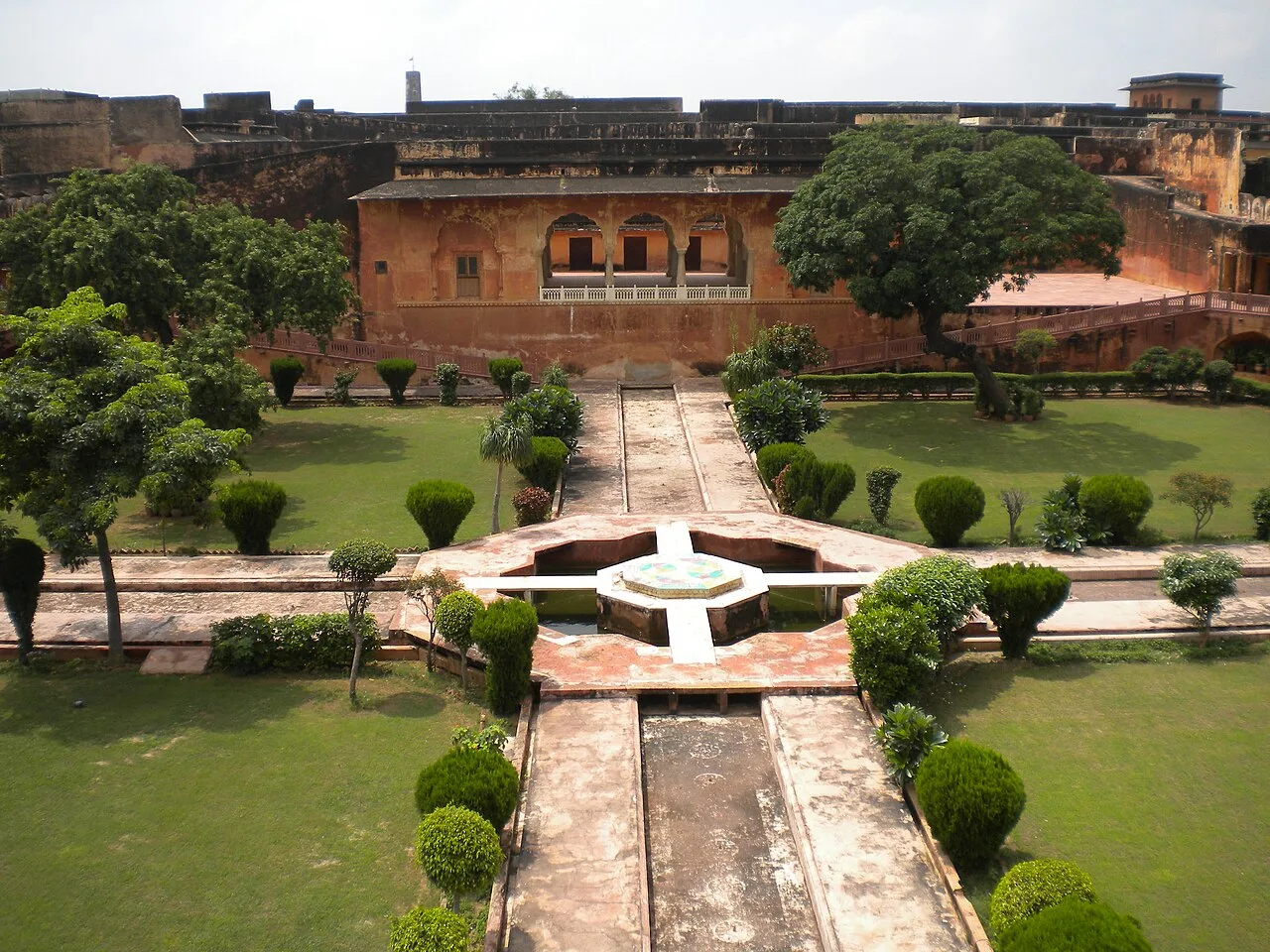
Jaigarh Fort
Near Amer in Rajasthan, Jaigarh Fort occupies a hilltop above Amer Fort and Maota Lake. Visitors come to see its historic fortifications, its connection to Amer Fort and the Jaivana cannon.
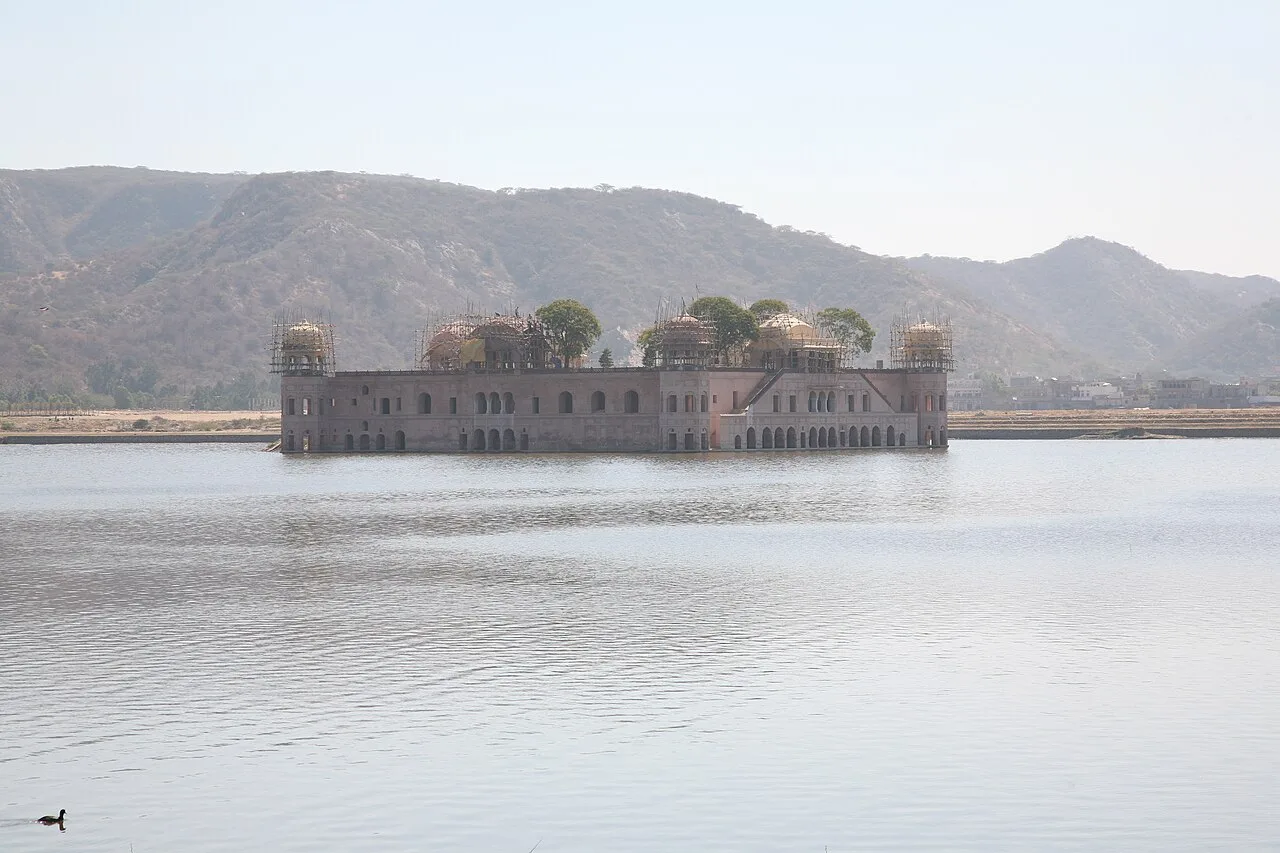
Jal Mahal
Jal Mahal is a historic palace set within Man Sagar Lake in Jaipur, Rajasthan. Visitors come to see the palace in its lake setting.
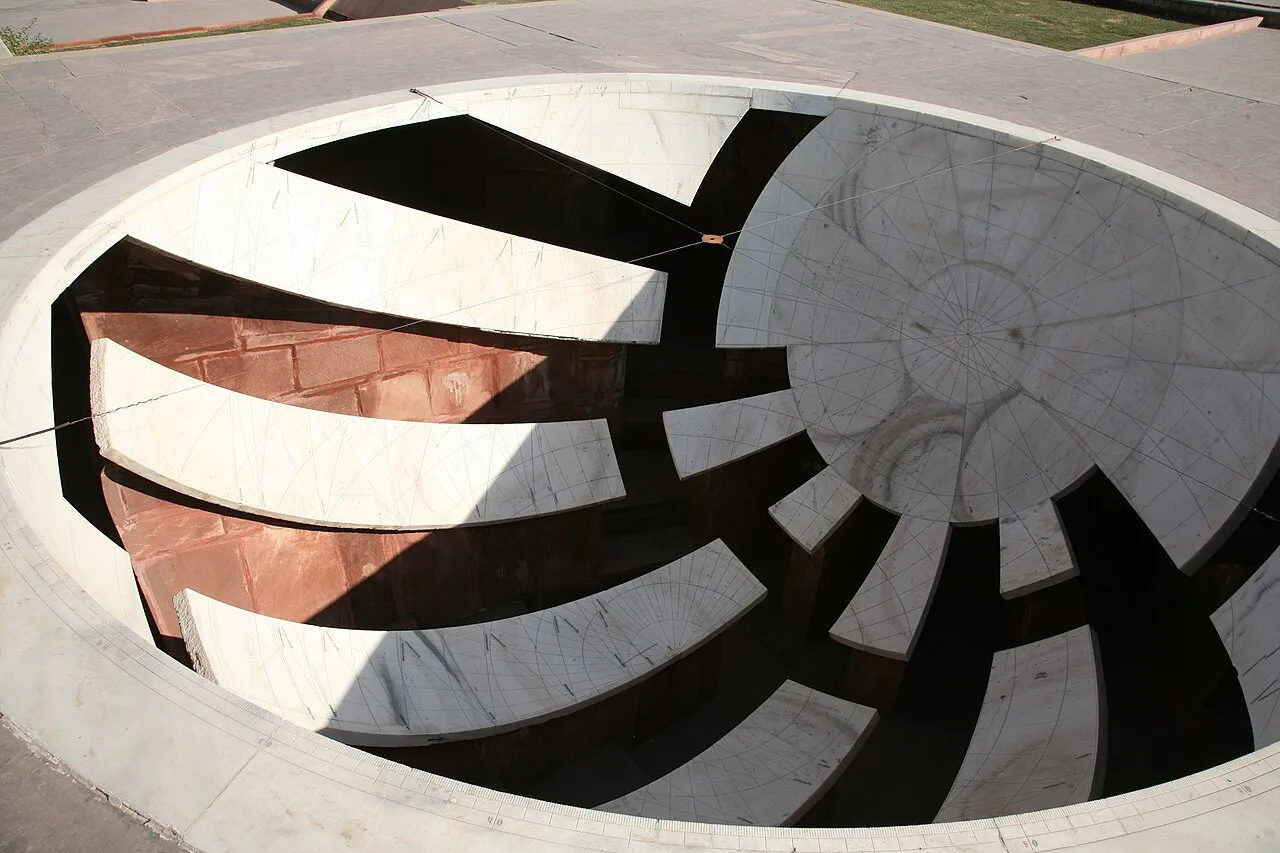
Jantar Mantar, Jaipur
Jantar Mantar is an astronomical observatory in Jaipur, built under Sawai Jai Singh. Visitors come to see its monumental instruments, including a stone sundial, and learn how they were used to observe celestial positions.
Jaipur’s food reflects wider Rajasthani traditions, with dishes such as dal baati churma, gatte ki sabzi and ker sangri. Pyaaz kachori and mirchi vada are popular savoury snacks, while ghewar and mawa kachori are among the region’s well-known sweets. Laal maas is a celebrated meat dish; vegetarian choices are plentiful across the city and district. Chaach, or spiced buttermilk, is a familiar drink, especially in warm weather. Menus vary between restaurants and small eateries, so ask what is freshly prepared that day. Local markets and neighbourhood shops are good places to sample snacks and sweets.
Jaipur and its surrounding region are associated with a wide range of craft traditions. Sanganer and Bagru are known for block-printed textiles, with designs and printing methods varying between workshops. Jaipur is also recognised for blue pottery, enamel work (meenakari), gemstone cutting and jewellery traditions such as kundan setting. Lac bangles and miniature painting are among other crafts found in the city and region. Visitors can see craftwork in markets and specialist shops, but techniques, materials and production settings differ; ask sellers about the origin and making of individual pieces.
Gangaur, usually celebrated in spring, honours Gauri and is marked by processions and community observances in Jaipur. Teej, generally associated with the monsoon season, brings decorated processions and lively activity in the city. Diwali in autumn and Holi in spring are widely observed, while Makar Sankranti in January is associated with kite-flying. Jaipur also hosts cultural and literary events, usually in the cooler months. Major celebrations can bring busy streets, traffic restrictions and fuller accommodation, especially in central Jaipur; booking ahead is sensible during popular event periods.
Elsewhere in Rajasthan
Jaipur district combines built-up urban areas and dry plains with the rugged Aravalli foothills. Hill ridges frame parts of the city and rise around Amer, Jaigarh and Nahargarh, while scrub and patches of dry forest occur in less-developed areas. Seasonal streams and drainage channels may carry water during the monsoon but are not dependable year-round routes or water sources. Sambhar Salt Lake lies to the west of Jaipur and offers a markedly open, saline landscape. Hills, dispersed settlements and the distance to Sambhar mean that several visits are best planned as road journeys from the city.
Jaipur has a hot, generally dry climate. Summer, roughly from April into June, can bring intense heat and dusty conditions, so outdoor sightseeing is more comfortable early or late in the day. The monsoon usually runs from around July to September; rain can temporarily affect roads and walking surfaces, though the landscape becomes greener. Winter, from about November to February, is usually the most comfortable season for sightseeing, with cool mornings and evenings. October and March can also be pleasant. Light, breathable clothing, sun protection and water are useful in warmer months; in winter, pack a warm layer for evenings. Carry suitable footwear for forts and uneven paths.
Jaipur International Airport and Jaipur Junction are the main air and rail gateways for the district. Rail and road connections link Jaipur with other major cities in Rajasthan and with destinations including Delhi and Agra. National highways and other major roads serve the capital, while travel to outlying places such as Sambhar or Galtaji involves a further road journey. Within Jaipur city, options include buses, the metro on its operating routes, auto-rickshaws and taxis; a hired car can be useful for visiting several sites beyond the centre. Check current services locally before setting out.
Jaipur city is served by buses, the metro on its operating routes, auto-rickshaws and taxis. These options connect many central neighbourhoods, but they do not reach every attraction directly. Taxis or a hired car can simplify visits to Amer, the hill forts, Galtaji and other outlying sites. Roads link Jaipur with nearby towns and with Sambhar, which is best treated as a separate road excursion. Local and regional buses serve some routes, but services and connections vary. Confirm current transport arrangements locally, particularly if combining several distant stops in one day.
2 days: City Palace, Jaipur → Jantar Mantar, Jaipur → Hawa Mahal → Albert Hall Museum; sleep both nights in Jaipur. 3 days: Amber Fort → Jaigarh Fort → Nahargarh Fort → Jal Mahal → Galtaji; sleep all nights in Jaipur. 4 days: Birla Mandir → Sambhar Salt Lake; sleep first night in Jaipur and second night in Jaipur.
Jaipur city is the most practical base for the historic core, museums, temples and the forts around Amer. It has a broad range of hotels, guesthouses and homestays, with options in both central and newer neighbourhoods. For a visit focused on Sambhar, staying in or near the town can reduce the amount of road travel, though accommodation choices may be more limited than in Jaipur. Dharamshalas and government lodges may be available in some places, but facilities and availability vary. Check location and access before booking.
Jaipur’s forts and hill sites can involve steep approaches, uneven steps and exposed paths; wear secure footwear and take care in heat or after rain. Summer sun can be tiring, so carry drinking water and plan outdoor visits around the hottest part of the day. Use sealed or otherwise safe drinking water, and take normal care with food hygiene. Traffic is busy in the city, while roads beyond it may be less well lit; confirm current conditions before travelling. Mobile connectivity is generally available in urban areas but can be less reliable on quieter routes. Respect wildlife and keep a safe distance. No special permit is normally required for the listed attractions, but confirm any current access rules with official sources.
- Sikarabout 64 km
- Alwarabout 74 km
- Dausaabout 87 km
- Sawai Madhopurabout 121 km
- Mahendragarh · Haryanaabout 127 km
- Jhunjhunuabout 128 km
- Ajmerabout 130 km
- Rewari · Haryanaabout 161 km
Straight-line distance between the centres of each district's destinations; road distance is longer.
Q: How many days should I spend in Jaipur district? A: Two or three days suit the main city sights and nearby forts; allow an extra day for a road trip to Sambhar. Q: When is the best time to visit? A: The cooler months, especially November to February, are generally most comfortable for sightseeing. Q: Where is the best base? A: Jaipur city is the most convenient base for most listed destinations; consider an overnight near Sambhar if focusing on the lake. Q: How do I get to Jaipur? A: Jaipur International Airport and Jaipur Junction are the main air and rail gateways, with road links to other cities. Q: Is Jaipur suitable for families or elderly travellers? A: Yes, though forts and hill sites can have steep, uneven paths; choose visits and transport to suit everyone’s mobility.
This page draws on our 12 destination guides for Jaipur and is updated as our team checks it.
Be the first to share photos, stories, advice or a helpful contact for Jaipur.
Loading…