
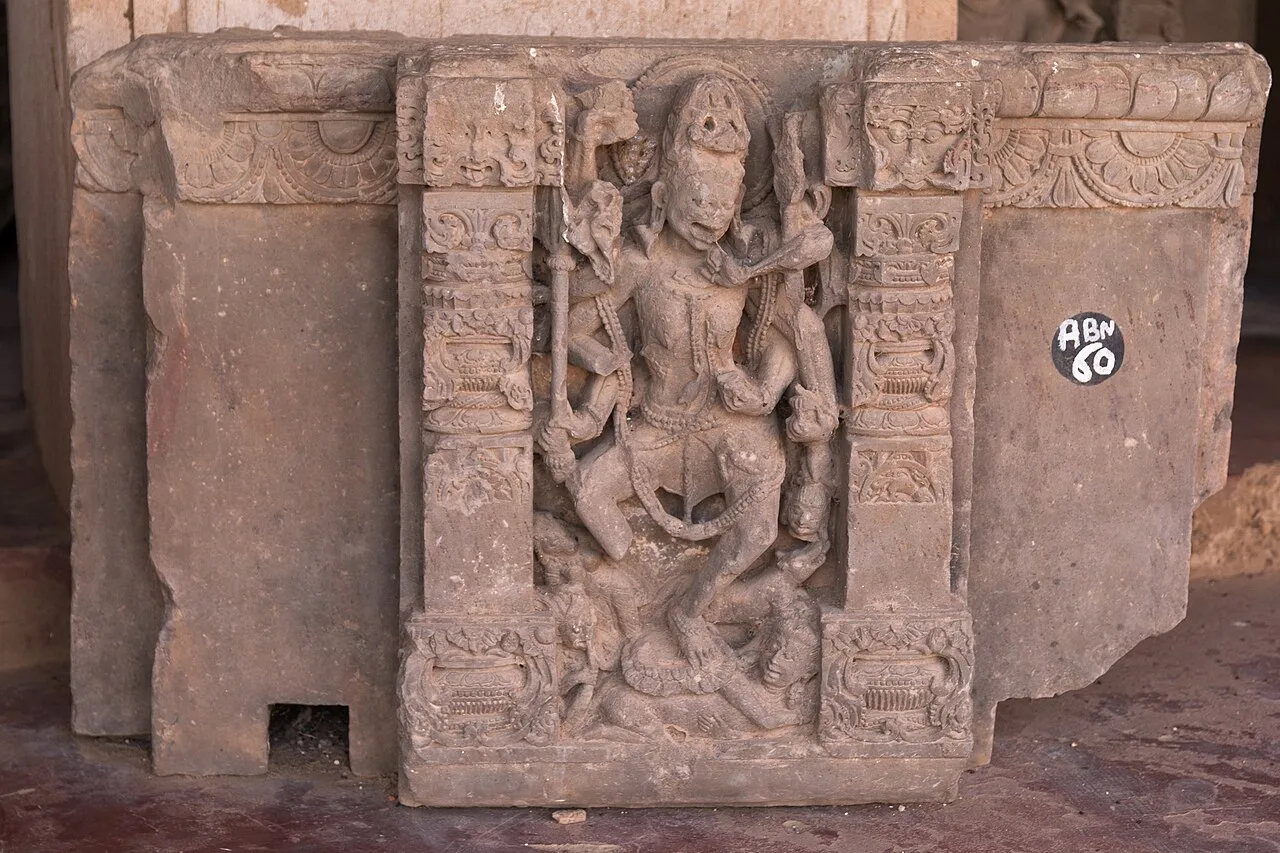
District · Rajasthan
Dausa
Dausa offers a compact introduction to eastern Rajasthan and the Dhundhar region, with a history connected to the early Kachwaha rulers before their political centre shifted to Amber and Jaipur.
Dausa district lies in eastern Rajasthan, within the wider Dhundhar cultural region. Its landscape includes open, gently undulating plains, dry scrub and scattered low hills, with settlements and farmland linked by busy roads between Jaipur and eastern Rajasthan. Dausa town is associated with the early history of the Kachwaha rulers, before their power centred on Amber and Jaipur. The district is also known for two very different places of interest: Chand Baori, the striking historic stepwell at Abhaneri, and Mehandipur Balaji Temple, an important Hanuman pilgrimage site. Rural life, religious travel and the district’s position along a major regional route all shape its character.
Dausa offers a compact introduction to eastern Rajasthan and the Dhundhar region, with a history connected to the early Kachwaha rulers before their political centre shifted to Amber and Jaipur. Its best-known attractions reveal two contrasting sides of the district: Chand Baori, a remarkable historic stepwell at Abhaneri, and Mehandipur Balaji Temple, a major Hanuman pilgrimage destination. Dausa is also a useful stop on the road corridor between Jaipur and eastern Rajasthan. Travellers can combine heritage and religious visits with a view of the district’s rural settlements, dry plains and everyday life beyond the larger cities.
Dausa lies in the Dhundhar region, whose political history is closely associated with the Kachwaha Rajputs. Dausa town is linked with an early phase of Kachwaha power, before the dynasty’s centre moved to Amber and, later, Jaipur. The region’s history also reflects the wider shifts in power across Rajasthan, including the influence of the Mughal Empire and the rise of Jaipur as a princely state. Abhaneri’s Chand Baori is an important surviving example of historic water architecture, though its presence does not by itself tell the full story of the district’s political past. Under British rule, the area formed part of the Jaipur princely state rather than a directly administered British province. After Indian independence, it became part of Rajasthan. Dausa district was later separated from Jaipur district in 1991. Its present identity therefore brings together older regional connections, the legacy of princely-era administration and the development of a separate district within modern Rajasthan.
2 destination guides
Chand Baori
In Abhaneri, Chand Baori is a historic Rajasthan stepwell known for its depth and tiered stairways. Visitors come to see its inverted-pyramid layout and large reservoir.
Mehandipur Balaji Temple
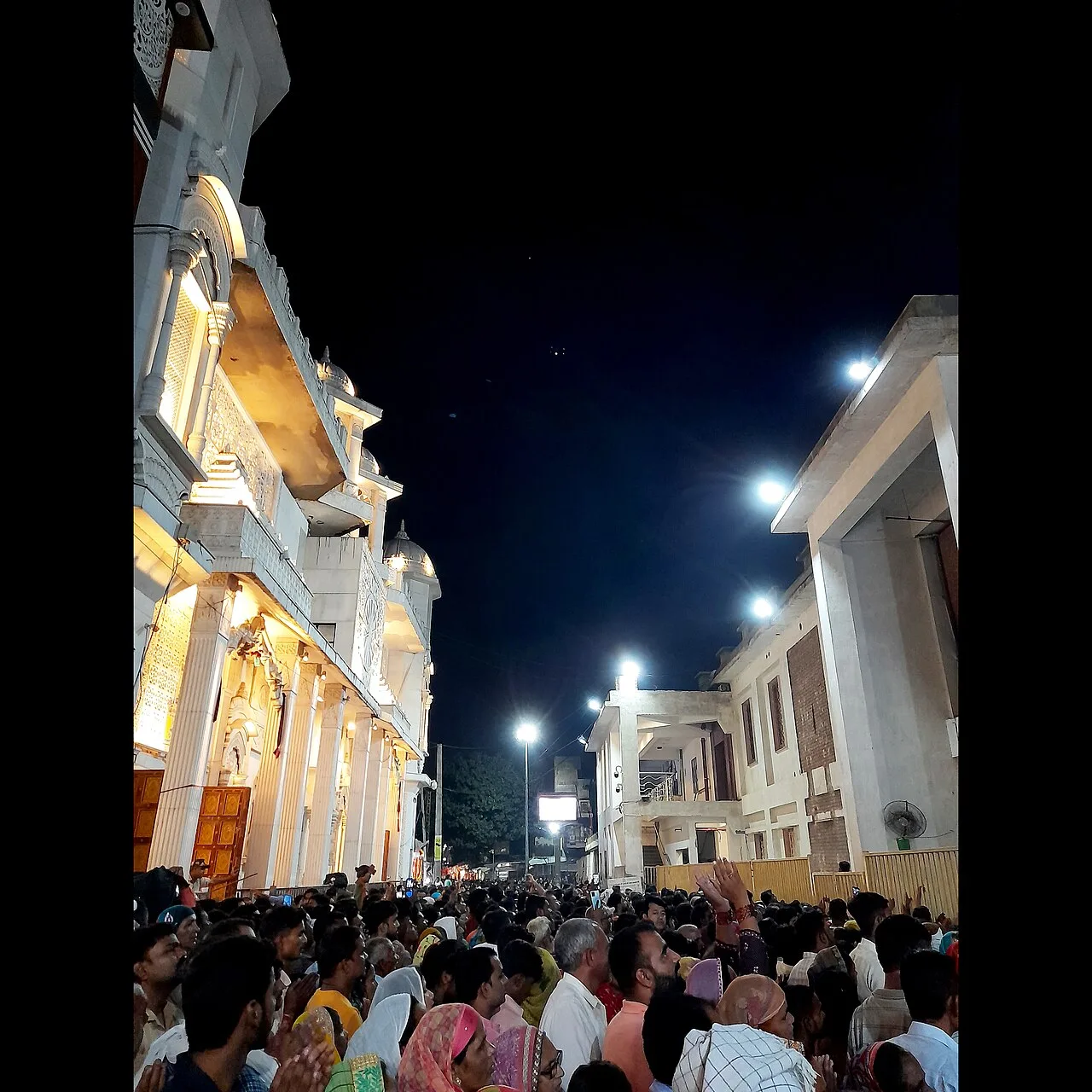
In Rajasthan’s Dausa district, Mehandipur Balaji Temple is a Hindu place of worship devoted to Hanuman. Pilgrims visit for its reputation for ritual healing and ceremonies to remove evil spirits.
Dausa’s food reflects the wider cuisine of eastern Rajasthan rather than a distinct, well-documented district style. Common regional dishes include dal baati churma, gatte ki sabzi and ker sangri, alongside snacks such as pyaaz kachori and mirchi vada. Sweets such as ghewar and mawa kachori are also found across Rajasthan, while chaach is a familiar accompaniment in warm weather. Around pilgrimage sites, simple vegetarian meals are widely suited to visitors, though menus vary. Ask what has been cooked fresh that day; smaller eateries may offer only a limited selection. Carry water and snacks when travelling between remote sites.
Craft traditions in Dausa sit within the broader craft network of eastern Rajasthan. Markets and shops may carry textiles made using regional techniques such as tie-dye and block printing, as well as pottery, embroidery and decorative household goods. Jaipur and nearby craft centres are better known for specialised work, including blue pottery, block printing and lac bangles, so these should be understood as regional traditions rather than crafts unique to Dausa. What is available locally can vary by town and season; visitors interested in a particular craft may find a wider selection in Jaipur.
Gangaur, Teej, Holi and Diwali are observed in Dausa and the wider Dhundhar region, with celebrations reflecting local Hindu traditions. Seasonal fairs and religious gatherings may also draw pilgrims to Mehandipur Balaji Temple; visitor numbers can rise around important religious occasions and on busy travel days. These are regional practices rather than events exclusive to Dausa. During larger gatherings, roads near places of worship may be busier and simple rooms may be harder to find. If travelling for a festival or pilgrimage, check locally and arrange a stay ahead where possible.
Elsewhere in Rajasthan
Dausa has open, gently undulating plains, farmland, dry scrub and scattered low hills. The Banganga is among the district’s rivers; like other local watercourses, its flow can be seasonal. The landscape is largely inland and rural, without extensive forest or high mountain terrain. Settlements and attractions are connected mainly by roads crossing the plains, so road travel is central to visiting the district. Distances between villages can feel exposed in hot weather, while monsoon rain may affect smaller roads and make travel slower.
Dausa has hot summers, a monsoon season and cooler winters. Summer heat can make midday sightseeing uncomfortable, so plan outdoor visits for earlier or later in the day and carry water and sun protection. The monsoon generally brings rain and greener surroundings, but showers can slow road journeys, particularly on smaller routes. Winter is usually the most comfortable season for sightseeing. The months from roughly October to March are a practical choice for many visitors, though conditions vary from year to year. Pack light clothing for warm days, a warmer layer for winter evenings, comfortable walking shoes and rain protection during the monsoon.
Dausa is connected by road with Jaipur and the eastern Rajasthan corridor; the Jaipur–Agra highway is a useful approach for journeys by car or bus. Dausa railway station serves the district, while Jaipur International Airport is the nearest major airport for most visitors arriving by air. From Dausa town, reaching Abhaneri or Mehandipur Balaji requires a further road journey. Buses, taxis and other local road transport may be available, but options and frequency can vary, especially for the last leg to smaller settlements. Check current services locally before setting out.
Road travel is the practical way to move between Dausa town, Abhaneri and Mehandipur. The district is connected to Jaipur and the eastern Rajasthan corridor, with local roads linking towns and villages. Buses serve some routes, while shared jeeps and autos may be available for shorter journeys, but coverage and frequency can vary. Taxis or a hired car offer more flexibility, especially for visiting both attractions in one trip. Confirm the onward journey locally before setting out, since transport to smaller settlements may be limited and return options can be less convenient.
Dausa town is the most practical base for visitors arriving by rail or road and for a circuit combining both attractions. Mehandipur can be a convenient overnight base for pilgrims visiting the temple, though the choice of accommodation may be simpler and busier around religious gatherings. Stays in the district generally include hotels and basic guesthouses; dharamshalas may be available for pilgrims. Homestays and government lodges should not be assumed to be available at every stop, so confirm options locally, especially for smaller settlements and peak travel periods.
Carry drinking water and sun protection, particularly in summer, and take care on uneven steps and surfaces at historic sites. Crowds can build around Mehandipur Balaji Temple, so keep personal belongings secure and allow extra time for access and movement. Roads vary in condition; rain, local traffic and busy pilgrimage periods may slow journeys. Mobile connectivity and local transport can be inconsistent outside larger settlements. Check weather and road conditions before travelling, and confirm any site-specific access requirements through official or local sources. No special permit is generally required for these listed attractions.
- Alwarabout 46 km
- Bharatpurabout 84 km
- Jaipurabout 87 km
- Sawai Madhopurabout 108 km
- Mathura · Uttar Pradeshabout 114 km
- Agra · Uttar Pradeshabout 128 km
- Mahendragarh · Haryanaabout 133 km
- Sikarabout 135 km
Straight-line distance between the centres of each district's destinations; road distance is longer.
Q: How many days should I spend in Dausa? A: Two days can cover Chand Baori and Mehandipur Balaji Temple; three days allows a less hurried visit and more flexibility for road travel. Q: When is the best time to visit? A: The cooler months, roughly October to March, are generally most comfortable for sightseeing. Q: Where is the best base? A: Dausa town is a practical base for transport and both attractions; Mehandipur can suit visitors focused on the temple. Q: How do I get to Dausa and its attractions? A: Dausa is connected by rail and road, with Jaipur International Airport the nearest major airport for most visitors. Continue to Abhaneri and Mehandipur by road. Q: Is Dausa suitable for families or elderly travellers? A: Yes, with planning. Arrange reliable road transport, allow time for rest, and consider that stepwells involve stairs and temple areas may be crowded.
This page draws on our 2 destination guides for Dausa and is updated as our team checks it.
Be the first to share photos, stories, advice or a helpful contact for Dausa.
Loading…