
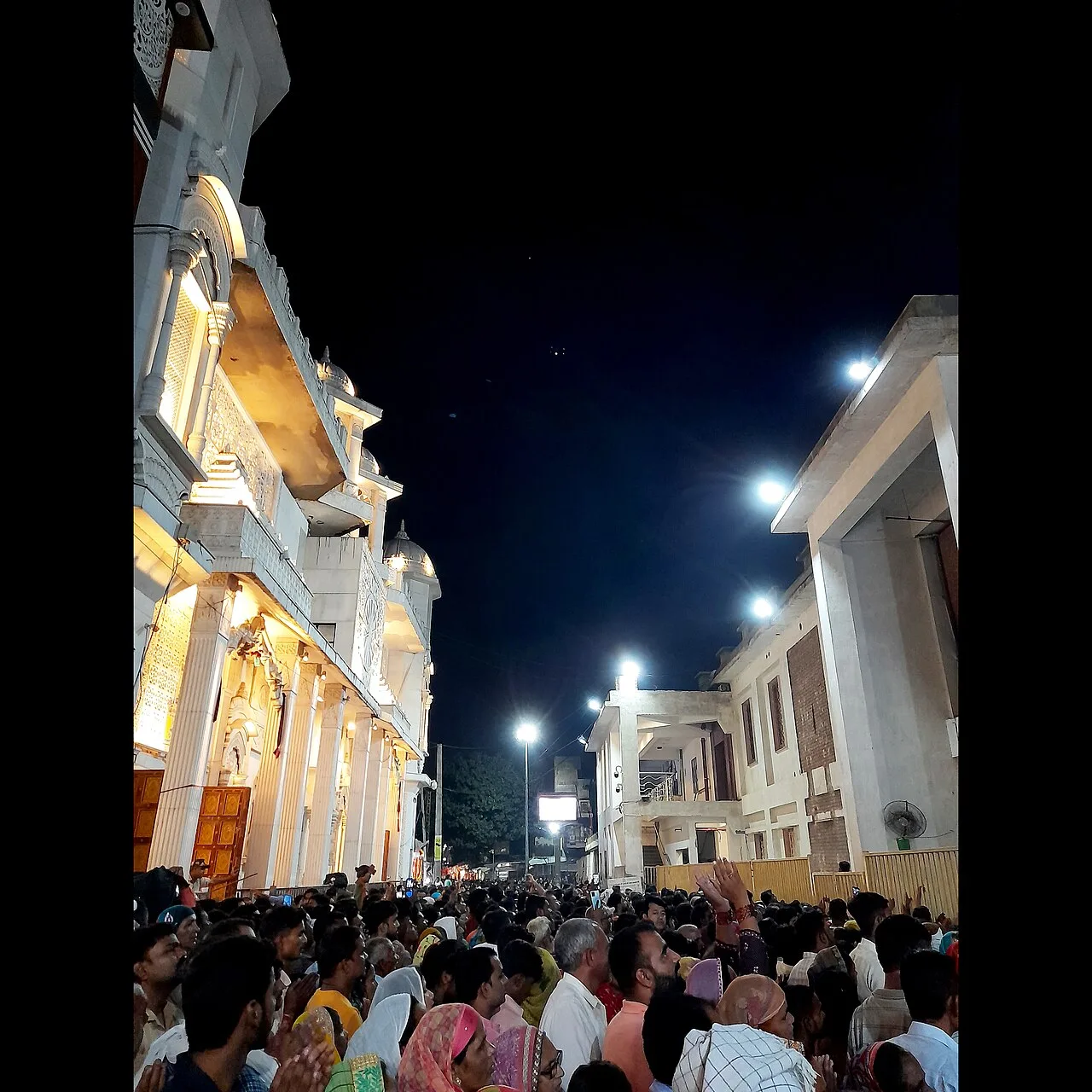
Mehandipur Balaji Temple
In Rajasthan’s Dausa district, Mehandipur Balaji Temple is a Hindu place of worship devoted to Hanuman. Pilgrims visit for its reputation for ritual healing and ceremonies to remove evil spirits.
Key facts · verified by Ghumoopedia editors
- Type of place
- Temple / pilgrimage site
- Best time to visit
- October to March
- Nearest railway station
- Dausa · about 45 km (straight line)
- Nearest airport
- Jaipur International Airport · about 100 km (straight line)
- Verified
- 21 Nov 2026
Plan a trip from Mehandipur Balaji Temple — a day-by-day route through places nearby.
The temple is situated in the town of Mehandipur, in Dausa district, Rajasthan, and honours Hanuman. Balaji refers to Hanuman as a child, a form revered in several parts of India. Unlike similar religious places in rural settings, this shrine is located within a town. Visitors travel from Rajasthan and elsewhere, drawn by the temple’s association with ritual healing and rites intended to drive away evil spirits. Pilgrims come throughout the year. Bandikui Junction is the nearest railway station. Rajasthan is the land of Rajput forts and palaces, painted havelis, desert folk music, puppetry and colourful fairs such as the Pushkar camel fair. Rajasthan is very hot from April to June — often above 45 °C in the desert — with a short monsoon in July–September. Winter days are pleasant and nights are cold, especially in the Thar Desert. Mount Abu is the state's only hill station and stays cooler. The usual best time to visit is October to March. Timings, fees and access arrangements must be confirmed locally. For official information, see Rajasthan Tourism at https://www.tourism.rajasthan.gov.in.
Why it matters
Mehandipur Balaji Temple is a prominent Hanuman shrine in Mehandipur, Dausa district, Rajasthan. “Balaji” is a name for Hanuman’s childhood form, revered in several parts of India. The temple is especially known for its association with ritual healing and the removal of spiritual afflictions; this reputation draws pilgrims from Rajasthan and other regions. These practices reflect devotees’ beliefs and should not be treated as a substitute for medical care. The temple is an active place of worship in a town setting, rather than an isolated countryside shrine. No UNESCO status or ASI protection is confirmed in the available information; visitors seeking official heritage or management details should check with relevant authorities.
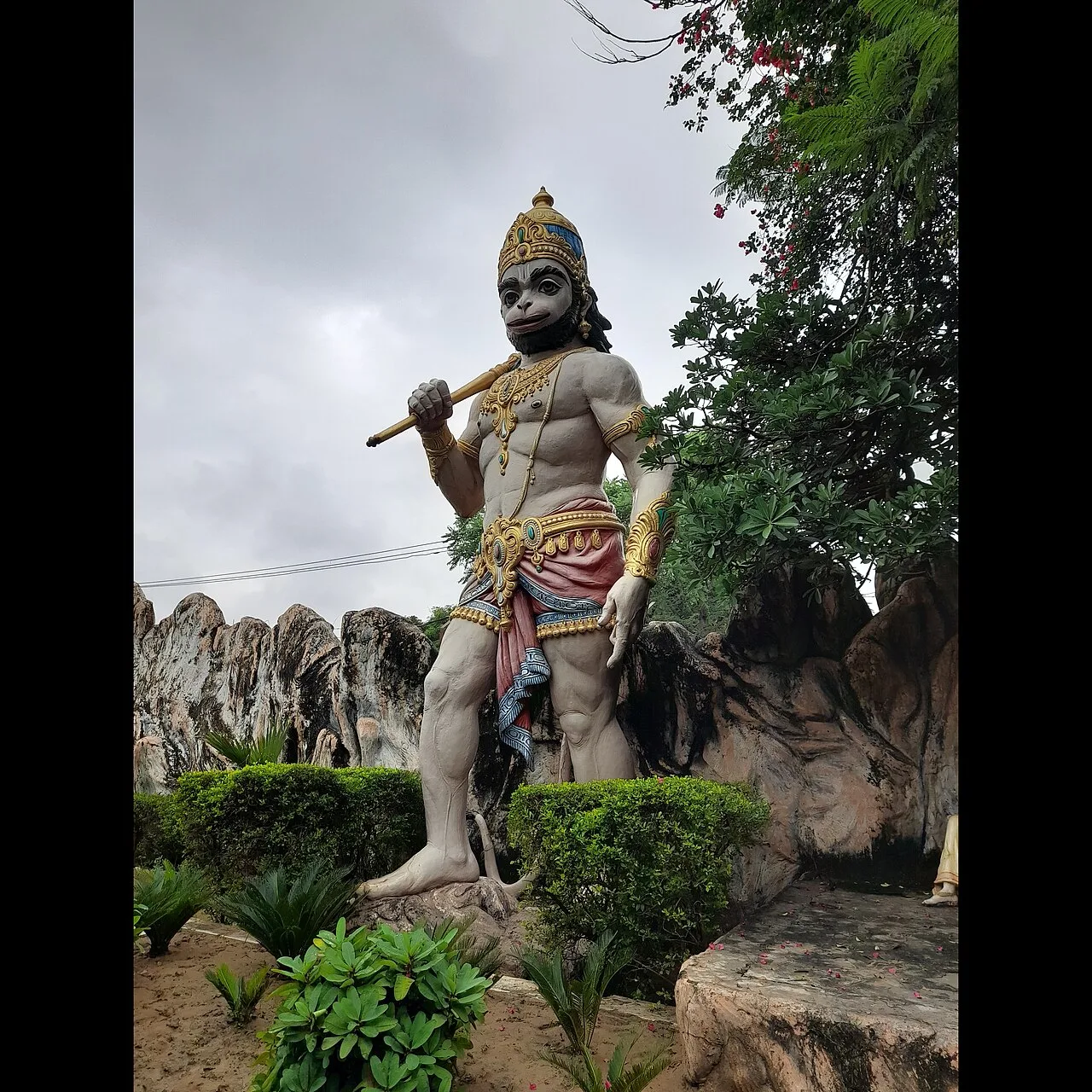
Its origins are traditionally associated with Hanuman worship and local accounts of the deity’s presence at Mehandipur. In the absence of reliable documentation, specific dates or named patrons should not be assumed. Over time, the shrine became known beyond the immediate area for devotional practices connected with spiritual afflictions, bringing pilgrims from Rajasthan and elsewhere. The present place of worship is an active temple complex in a town, and its facilities and devotional spaces may have changed as visitor numbers and community needs have grown. No particular restoration campaign or securely dated architectural phase is confirmed here. For a detailed institutional history, visitors can ask temple authorities or consult locally maintained records. The temple’s continuing significance is best understood through its living worship and the traditions of devotees, while distinguishing those traditions from independently documented historical facts.
Origin stories & folklore
According to local tradition, the Balaji image at Mehandipur is not an ordinary installed idol but a sacred manifestation of Hanuman. Devotees also associate the shrine with Pret Raj, understood in local belief as a divine authority over spirits, and Kotwal Bhairav, who is revered as a protector. Stories about the temple describe people seeking relief from spiritual disturbances through prayer and prescribed rituals. Such accounts belong to religious belief and oral tradition; they are not independently verifiable historical claims. Visitors should observe worship respectfully and avoid treating worshippers’ personal experiences as spectacle.
Architecture & design
The temple is a working pilgrimage complex set within Mehandipur’s built-up town, so its approach and surroundings differ from those of a remote hilltop or countryside shrine. The complex contains worship spaces centred on Balaji and associated deities, with areas used for prayer and ritual. The arrangement visitors encounter may include entrances, passages and shrine interiors that become crowded during busy periods. Specific claims about construction materials, engineering features or a historic plan are not established here. Follow signs and attendants’ directions, since access to parts of an active temple may be restricted or managed according to ritual needs. The devotional setting and the movement of pilgrims are central to understanding the place, rather than treating it solely as a monument.
Important objects & sculptures
The principal focus of worship is the image of Hanuman revered here as Balaji. Devotees also honour shrines or images associated with Pret Raj and Kotwal Bhairav, though the arrangement and visitor access should be confirmed on site. Offerings and ritual items may be visible during worship; they are part of active religious practice, not museum displays. Look for devotional images and the details of shrine decoration where visitors are permitted to enter. Do not touch images or offerings unless a caretaker explicitly permits it.
Religious significance
The temple is dedicated to Hanuman, worshipped here as Balaji, his childhood form. Devotees also revere Pret Raj and Kotwal Bhairav as part of the temple’s religious setting. Many visitors come to pray for protection or relief from spiritual afflictions, and the shrine is widely associated with ritual healing and exorcism. These are matters of faith and should be described respectfully, not presented as proven medical treatment. Prayer, offerings and prescribed rituals take place in designated areas under temple customs. Visitors who are not participating should keep a respectful distance, follow attendants’ instructions and avoid interrupting worship. People needing health support should seek qualified medical care as well as any religious support they choose.
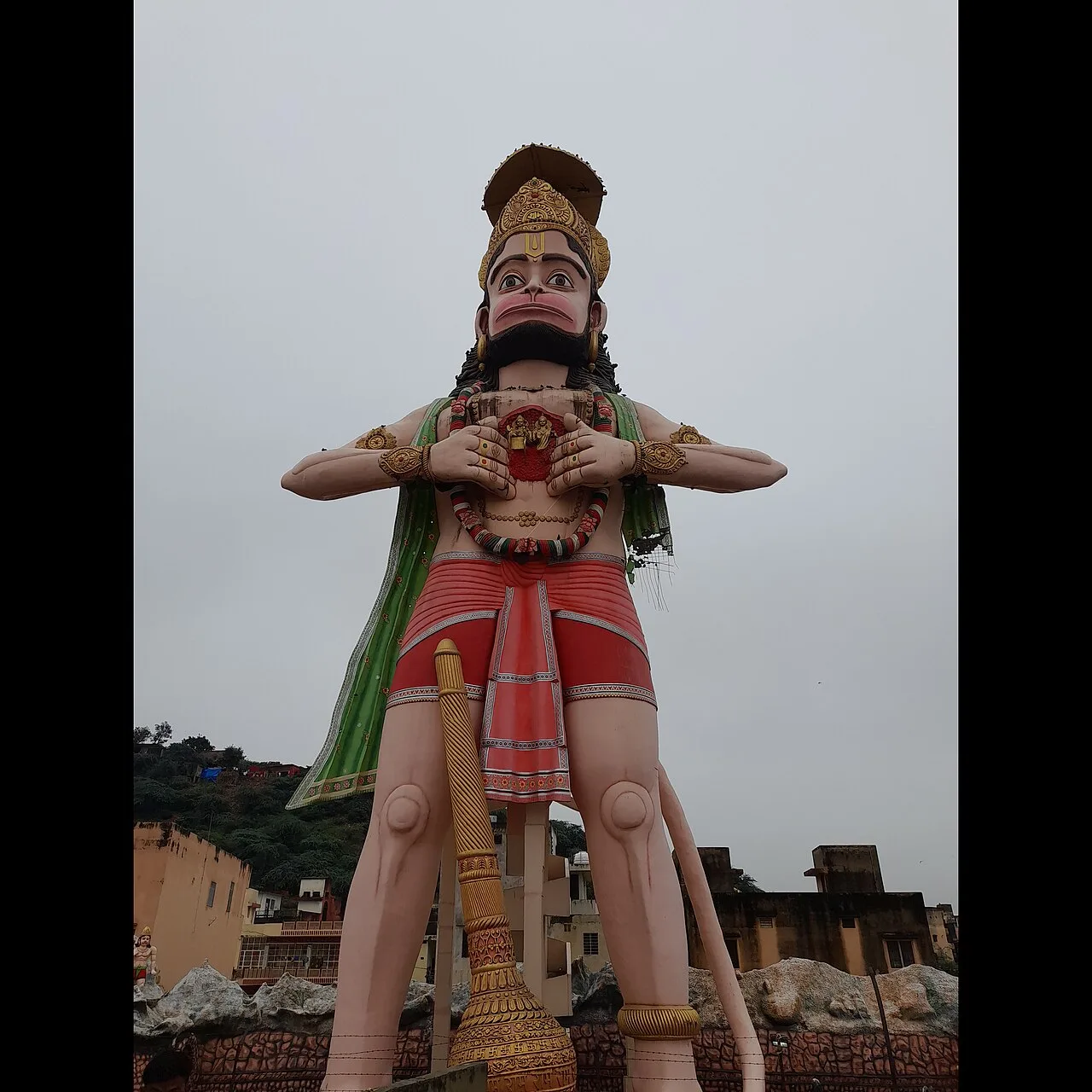
Visit Mehandipur Balaji Temple with time to observe daily prayers and rituals respectfully. Follow the posted rules on footwear, photography, head covering and dress, and avoid interrupting worshippers. Ask caretakers which areas are open to visitors, and beware of unofficial 'guides' asking for donations. A comfortable itinerary is one main visit in the morning, a local meal at midday and a short nearby stop before an afternoon return. Use the district list on this site to find other places in Dausa, but check the route and its condition before combining stops. If a festival or fair is on, roads and stays can be busy — and the experience can be unforgettable. Leave no litter: many sites are protected by the communities around them.
Suggested itineraries
Half day: Arrive and orient yourself (20–30 minutes); visit the temple and observe worship respectfully (1–2 hours); take a meal or rest nearby (45–60 minutes). Full day: Visit the temple in the morning (1–2 hours); take a relaxed midday meal and rest (1–2 hours); make a short locally verified stop in Dausa district (1–2 hours); return with time to spare. Gentler option: Ask about the nearest drop-off, choose a shorter visit with seated rest breaks where available, and skip additional stops.
The temple’s daily life is shaped by pilgrimage, prayer and the customs of an active Hindu shrine. Hindi and Rajasthani are commonly encountered in the region, alongside visitors’ languages from elsewhere in India. Devotees may arrive with family members, make offerings and seek guidance from temple attendants. Crowds and ritual activity can be intense, especially on popular worship days. This is a place of sincere religious practice, not a performance venue: avoid photographing people or discussing their circumstances without consent. Modest clothing and patient, quiet conduct help visitors engage respectfully with the local devotional culture.
Festivals & events
Hanuman Jayanti, observed in spring, is an important occasion for Hanuman worship and may bring larger crowds to the temple. Tuesdays and Saturdays are also commonly regarded as significant days for Hanuman devotion, so visitor numbers can rise then. Hindu calendar observances and local religious occasions may affect the flow of worship and access, but specific programmes vary. If visiting during a festival or a busy devotional day, allow extra time, expect crowded approaches and check locally for current arrangements before travelling.
Local food in Rajasthan includes dal baati churma, gatte ki sabzi, ker sangri, laal maas, pyaaz kachori, mirchi vada, ghewar, mawa kachori and chaach (spiced buttermilk). Ask what is fresh that day; many small eateries cook a limited daily menu. Vegetarian travellers eat very well across this region, and most towns also have non-vegetarian options. Remote sites may have no restaurant at all. Carry water and snacks, eat a proper breakfast before long drives, and ask your accommodation for a packed lunch if you are heading out early. If prasad or langar is offered, accept it according to local custom. Choose busy, clean places and carry your packaging back with you.
Shopping & local experiences
Small shops around the temple usually cater to pilgrims, with devotional images, prayer items and offerings among the goods to look for. Availability and quality vary, so check items before buying and use your judgment with unsolicited sales or donation requests. Nearby food businesses may offer simple local meals and snacks, though menus and opening vary. Ask before taking photographs in shops or of sellers. Choose reusable bags where possible and avoid leaving packaging or other litter around the temple streets.
October to March
The nearest principal railway station by straight-line distance is Dausa, roughly 45 km away. The nearest operating airport by straight-line distance is Jaipur International Airport, roughly 100 km away. These figures are calculated from map coordinates — actual road distance is longer. Jaipur, Ajmer, Jodhpur, Udaipur and Kota are the main rail hubs, and Jaipur, Udaipur and Jodhpur have the most flights; Delhi is the usual gateway for the north-east of the state. For the final leg, Rajasthan State Road Transport Corporation (RSRTC) buses and private coaches link district towns; shared taxis usually leave early in the morning. A private taxi gives more flexibility for remote sites. When comparing train, bus and flight, count the complete door-to-door time: a flight saves the most time only if the onward road transfer is short, while an overnight train can save a hotel night. Book your return before you leave, because seats fill quickly on weekends, festivals and holidays. Current train numbers, timings, return services and fares are not listed here; check IRCTC and NTES for trains and the airline's own schedule for flights. No permit is needed to visit Rajasthan. Land close to the international border west of Jaisalmer and Barmer is restricted beyond certain points: places such as Tanot can be visited, but border outposts need Border Security Force permission. Forts and palaces charge entry and camera fees, and tiger-reserve safaris must be booked through the official forest department portal.
Confirm onward and return timings on IRCTC / NTES, the state bus operator or your airline before travel. A dash means current timings or fares have not been verified.
Getting around
Mehandipur is a town, and the temple is reached through its built-up streets. On arrival, ask locally about the closest suitable drop-off and parking point; vehicles may not be able to approach every entrance during busy periods. Auto-rickshaws and taxis may be available for local journeys, while walking is often needed for the final approach. Local bus connections and shared transport can vary, so confirm the onward leg before relying on them. Keep the route details for your return journey and allow additional time when crowds or festival traffic are present.
Hours, tickets & permissions
Entry procedures can vary with worship, crowd management and temple rules. There is no confirmed ticket, permit, camera fee or fixed entry schedule provided here. Ask the temple’s managing authority or check posted notices for current visiting hours, any fees and restrictions before setting out. Requirements concerning footwear, dress, identification, offerings and entry to particular areas may be enforced or changed locally. Worshippers may receive priority in active ritual spaces, and visitors should follow instructions from temple staff.
Facilities
Basic food and small shops are usually found in the town around the temple, but the selection and opening of businesses vary. Toilets, drinking water points and places to rest may be available on site or nearby; check locally for their location and condition. Parking is generally a local-arrangements matter, particularly during crowded periods. Do not assume that a formal guide service, ATM, medical facility or accessible restroom is available at the temple itself. Carry essential medicines and some drinking water, and ask temple staff or a trusted local source about current facilities.
Accessibility
The temple is in a town with busy streets and pedestrian movement, and the approach may be crowded or uneven. Inside, visitors may encounter narrow passages, queues, steps or standing periods; exact arrangements can vary by area and day. Shade and places to sit should not be assumed throughout the visit. Wheelchair and stroller access may be difficult, and no specific ramp or lift provision is confirmed here. Older visitors or anyone with limited mobility may find a shorter visit more manageable; ask locally about the nearest drop-off and accessible areas before entering. Travel with a companion if assistance may be needed.
No permit is needed to visit Rajasthan. Land close to the international border west of Jaisalmer and Barmer is restricted beyond certain points: places such as Tanot can be visited, but border outposts need Border Security Force permission. Forts and palaces charge entry and camera fees, and tiger-reserve safaris must be booked through the official forest department portal. Carry a photo ID at all times and save the emergency number 112 and your accommodation's contact offline. Heat in summer and fog in winter are the main weather risks; carry water and allow extra travel time on foggy December–January mornings. Respect community rules, private property and posted instructions. Follow local guidance if access changes.
Visitor rules
Follow notices and instructions from temple staff, including rules on footwear, dress, head covering and entry to worship areas. Wear modest clothing and keep clear of active rituals and queues. Do not touch idols, offerings or ritual objects unless invited to do so. Photography may be restricted, especially inside shrines or during worship; ask before taking pictures. Avoid loud behaviour, littering, plastic where prohibited, and unsolicited contact with worshippers. Be cautious about unofficial guides or anyone pressuring you for donations, and make offerings only through arrangements you trust.
Photography
Photography rules can differ between the temple exterior, courtyards and active shrine areas. Check posted notices and ask staff before using a camera or phone; assume that photography inside worship spaces may be restricted. Never photograph worshippers, particularly during personal or sensitive rituals, without their clear consent. Early or later daylight can be gentler for exterior views, but do not obstruct entrances or queues to find a viewpoint. Drone use may require permissions and may be prohibited; do not fly one without confirming applicable rules with the authorities.
Choose a stay by the full journey to Mehandipur Balaji Temple, not just the district name. Heritage havelis, fort hotels, state tourism (RTDC) hotels and desert camps offer distinctive stays; check that a desert camp is licensed and has proper toilets. In summer, check air-conditioning or coolers; in December and January, check heating and hot water. Book in advance for weekends, festivals and the peak season (October to March). Confirm the exact location, meals included, check-in time and cancellation terms in writing. Avoid sending money to unverified contacts or touts at stations. Carry some cash, as card and digital payments can be unreliable in remote areas.
Within Dausa district, Abhaneri is known for Chand Baori, a historic stepwell, and the nearby Harshat Mata Temple. Dausa town is another possible stop for local services and a sense of the district’s urban life. Bhandarej is also a place visitors may consider when planning a district circuit. These stops require separate travel and should not be assumed to be walkable from Mehandipur. Check road conditions, local access and the time needed before combining them with a temple visit; festival traffic can make a longer circuit impractical.
For couples, Mehandipur Balaji Temple rewards a slow pace: arrive early for soft light and fewer crowds, share a local meal and keep the evening free. A heritage hotel or a lakeside sunset makes the trip memorable. Public displays of affection can be frowned upon in conservative communities and at religious sites, so be discreet. Keep a buffer in your itinerary, because weather and traffic can delay plans.
Q: How much time should I allow for a visit? A: Allow a few hours for the temple, with extra time on busy devotional days; queues and access can vary. Q: What is the best season to visit? A: October to March is generally the more comfortable season in Rajasthan. Summer can be very hot, so plan cautiously and check local conditions. Q: Is there an entry ticket? A: Check current entry rules and any fees with the temple’s managing authority. Q: Is the temple suitable for children and elderly visitors? A: Families visit, but crowds, standing and possible steps can be tiring. Consider a shorter visit, close supervision and rest breaks. Q: Can I stay near the temple? A: Local lodging may be available, but options and standards vary. Check current accommodation in Mehandipur or nearby towns before travelling.
Be the first to share photos, stories, advice or a helpful contact for Mehandipur Balaji Temple.
Loading…