
District · Uttar Pradesh
Mathura
Mathura district is a central part of Braj, the cultural region associated with Krishna traditions, in western Uttar Pradesh.
Mathura district lies in western Uttar Pradesh, in the Yamuna river plain and the cultural region of Braj. Its landscape combines cultivated countryside, riverfront ghats, busy pilgrimage towns and the hills around Barsana and Nandgaon. Mathura and Vrindavan are major centres of Krishna devotion, while Gokul and other settlements form part of the wider sacred geography. Vishram Ghat and Dwarkadhish Temple anchor visits to Mathura; Banke Bihari Temple and the Krishna Balaram Mandir draw pilgrims to Vrindavan. Beyond its living religious traditions, the district has an important archaeological and artistic history, explored at Government Museum, Mathura. Temple rituals, seasonal festivals and everyday riverfront activity shape its character.
Mathura district is a central part of Braj, the cultural region associated with Krishna traditions, in western Uttar Pradesh. Travellers come for its pilgrimage towns, temples and riverfront life, as well as for the region’s archaeological heritage. Mathura city’s Vishram Ghat, Dwarkadhish Temple and Krishna Janmasthan Temple Complex sit alongside the collections at Government Museum, Mathura. Vrindavan is known for its active temple culture, while Barsana, Nandgaon, Gokul and Govardhan extend the journey into Braj’s wider sacred landscape. Seasonal festivals, devotional music and everyday worship are part of the experience, though busy streets and large crowds can shape visits.
Mathura has a long history as a settlement and religious centre on routes across northern India. It was associated with the ancient kingdom of Shurasena and later came under the Mauryas. Under the Kushans, especially in the early centuries CE, Mathura became a major centre of sculpture; its distinctive red sandstone works are represented in the Government Museum, Mathura. The city also has histories connected with Buddhist and Jain traditions, alongside Hindu worship. Gupta rule followed, and the region later experienced successive powers including the Delhi Sultanate and the Mughals. Braj’s temples and pilgrimage networks developed and changed across these periods, with many present-day sites reflecting later rebuilding and patronage. Maratha influence and the power of the Jats of Bharatpur formed part of the region’s early modern history. The British took control of the area in the early nineteenth century and administered Mathura as a district. Since independence, Mathura has been part of Uttar Pradesh. Its religious institutions, archaeological remains and living pilgrimage routes preserve different layers of this history.
14 destination guides · 13 on the map
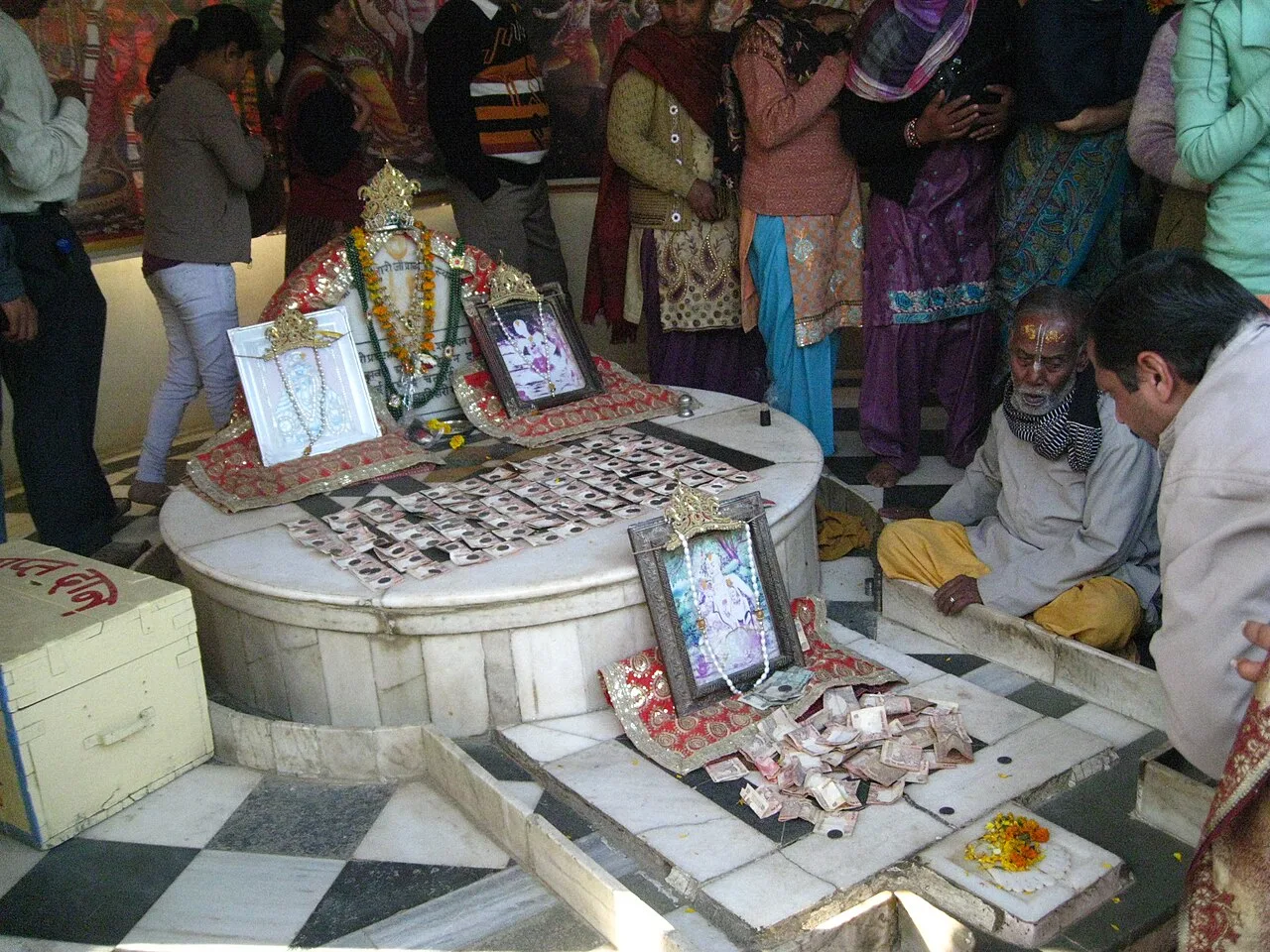
Banke Bihari Temple
Banke Bihari Temple is a Hindu place of worship in Vrindavan, Mathura district, visited by devotees to honour Banke Bihari, regarded as Radha and Krishna united.
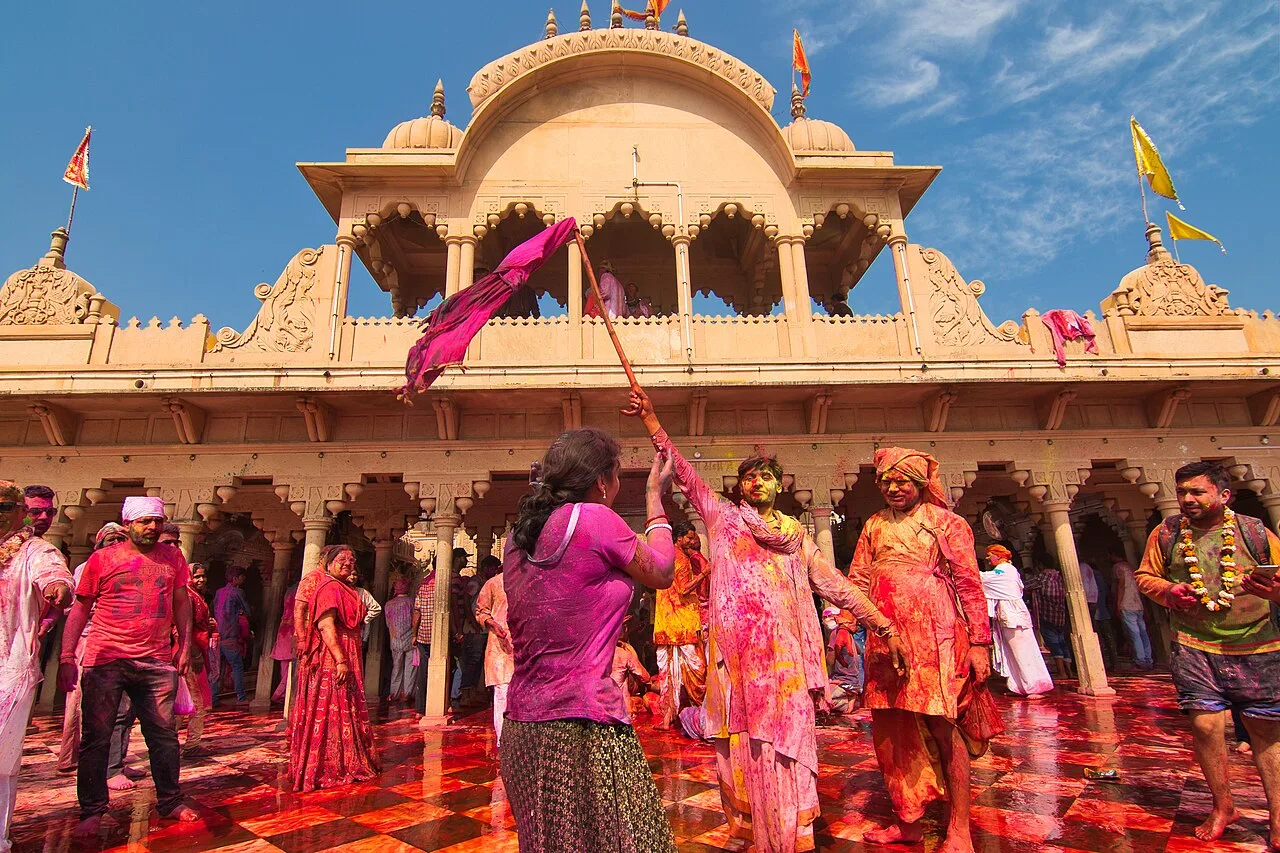
Barsana Radha Rani Temple
Barsana Radha Rani Temple stands in Barsana, a town in Uttar Pradesh’s Mathura district. Visitors come to worship Radha at a temple central to the town’s religious importance.
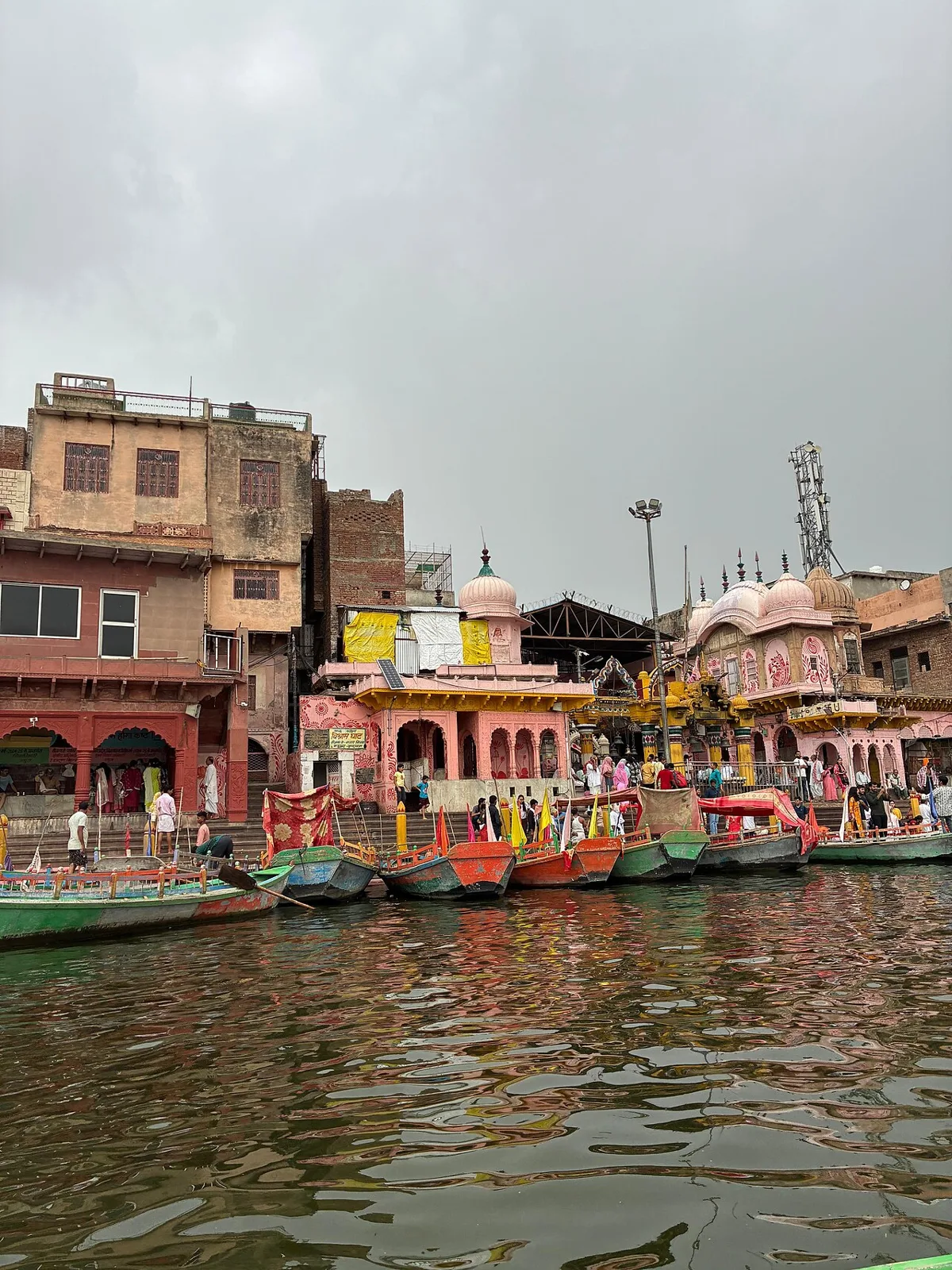
Dwarkadhish Temple, Mathura
In Mathura, Uttar Pradesh, Dwarkadhish Temple is a Hindu shrine where Krishna is worshipped as Dwarkadhish alongside Radha as Radharani. Visitors come to worship at this Pushtimarg temple.
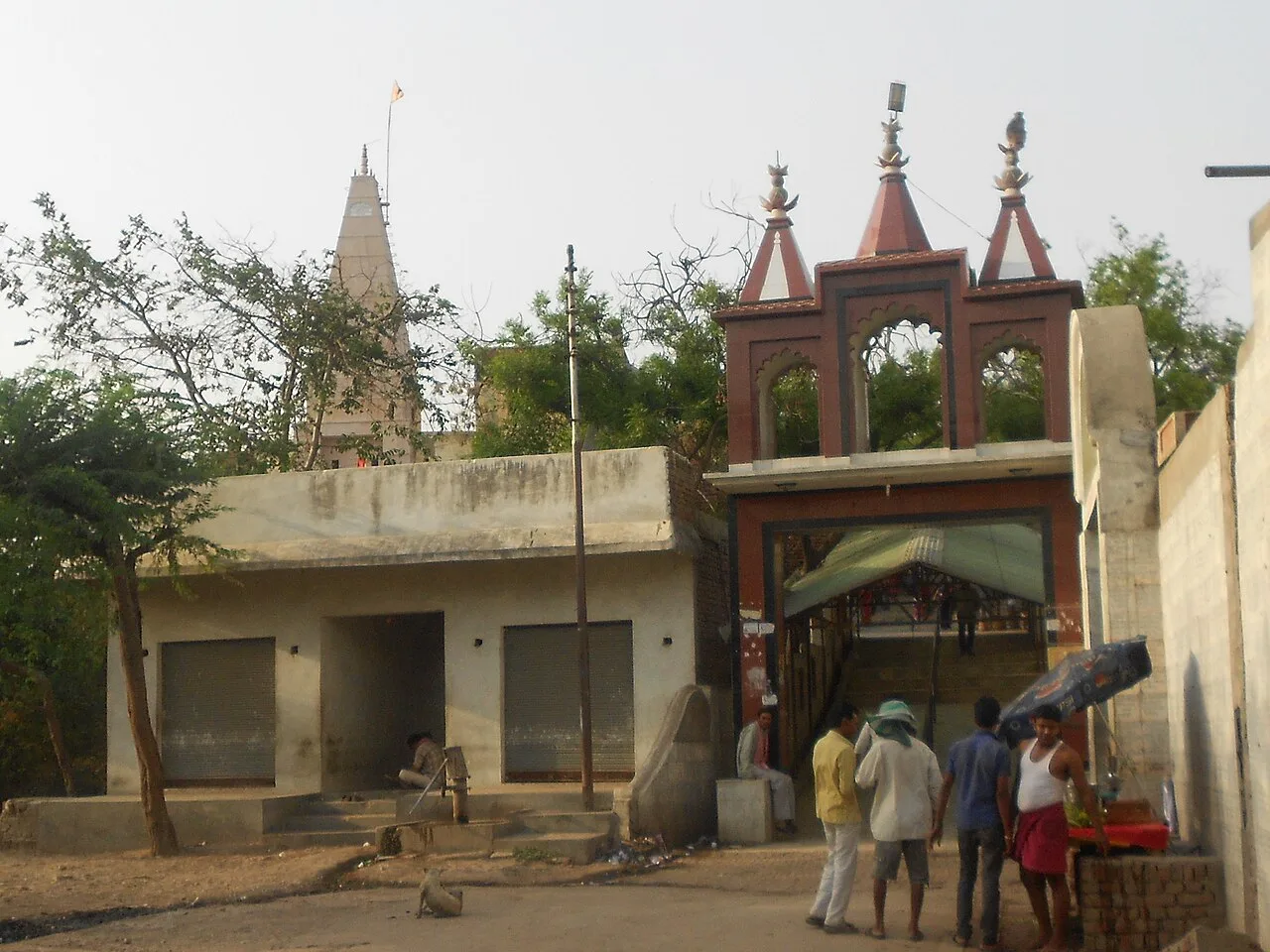
Gokul Village
Gokul is a town in Mathura district, Uttar Pradesh, 15 kilometres south-east of Mathura. Its position near Mathura makes it a destination for visitors to the area.
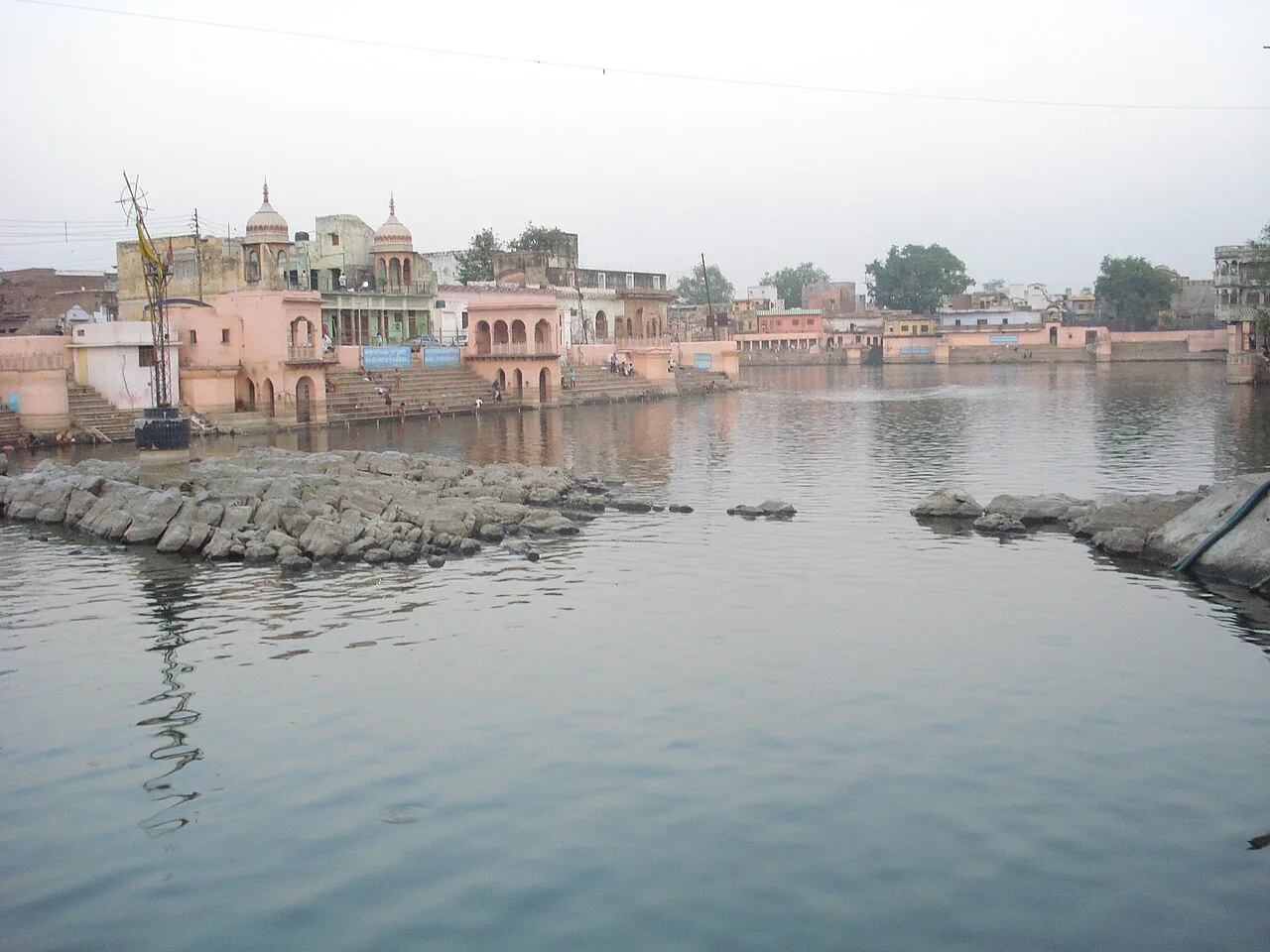
Govardhan Hill
In Uttar Pradesh’s Mathura district, Govardhan Hill is revered as a natural form of Krishna and as a sacred centre of Braj, drawing visitors for its religious significance.
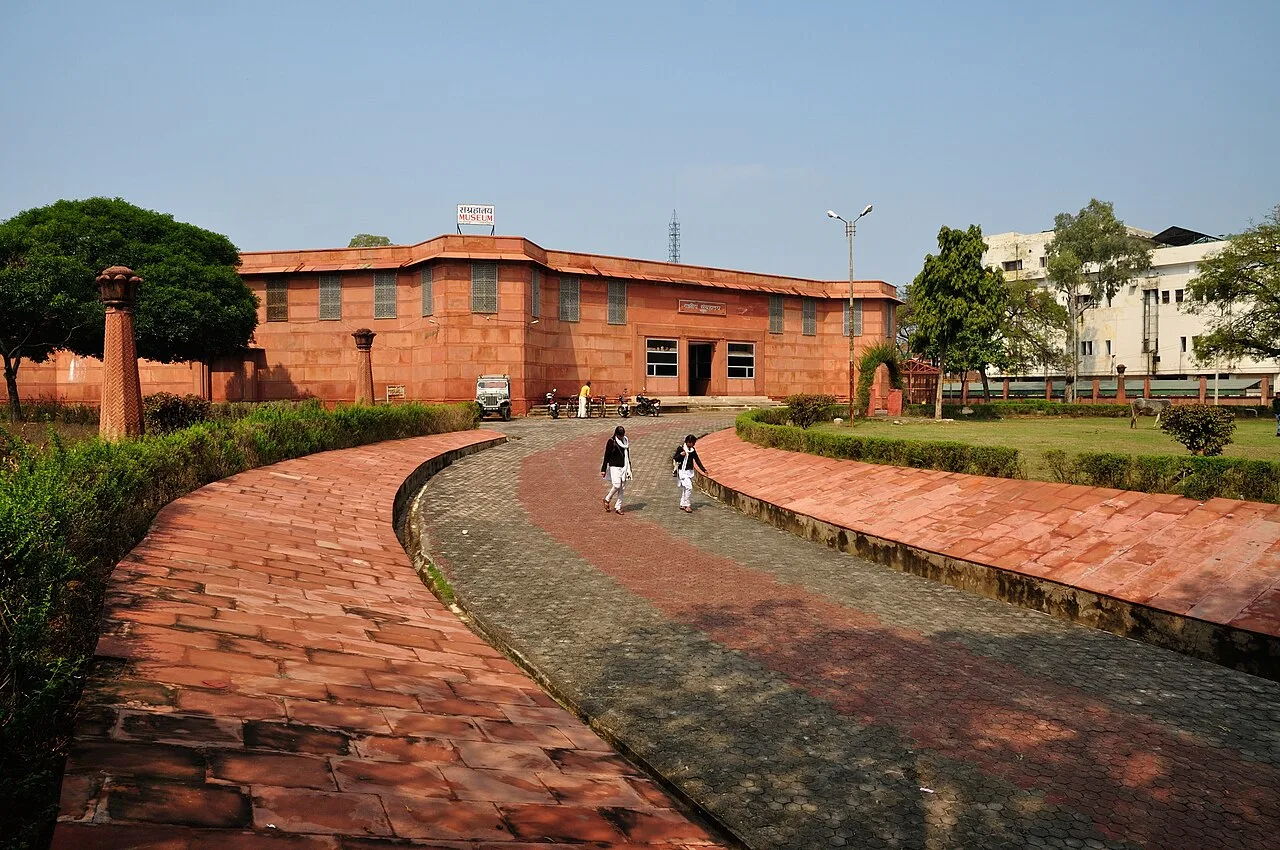
Government Museum, Mathura
The Government Museum in Mathura is an archaeological museum in Uttar Pradesh. Visitors come to explore its archaeological focus and learn about the institution’s history.
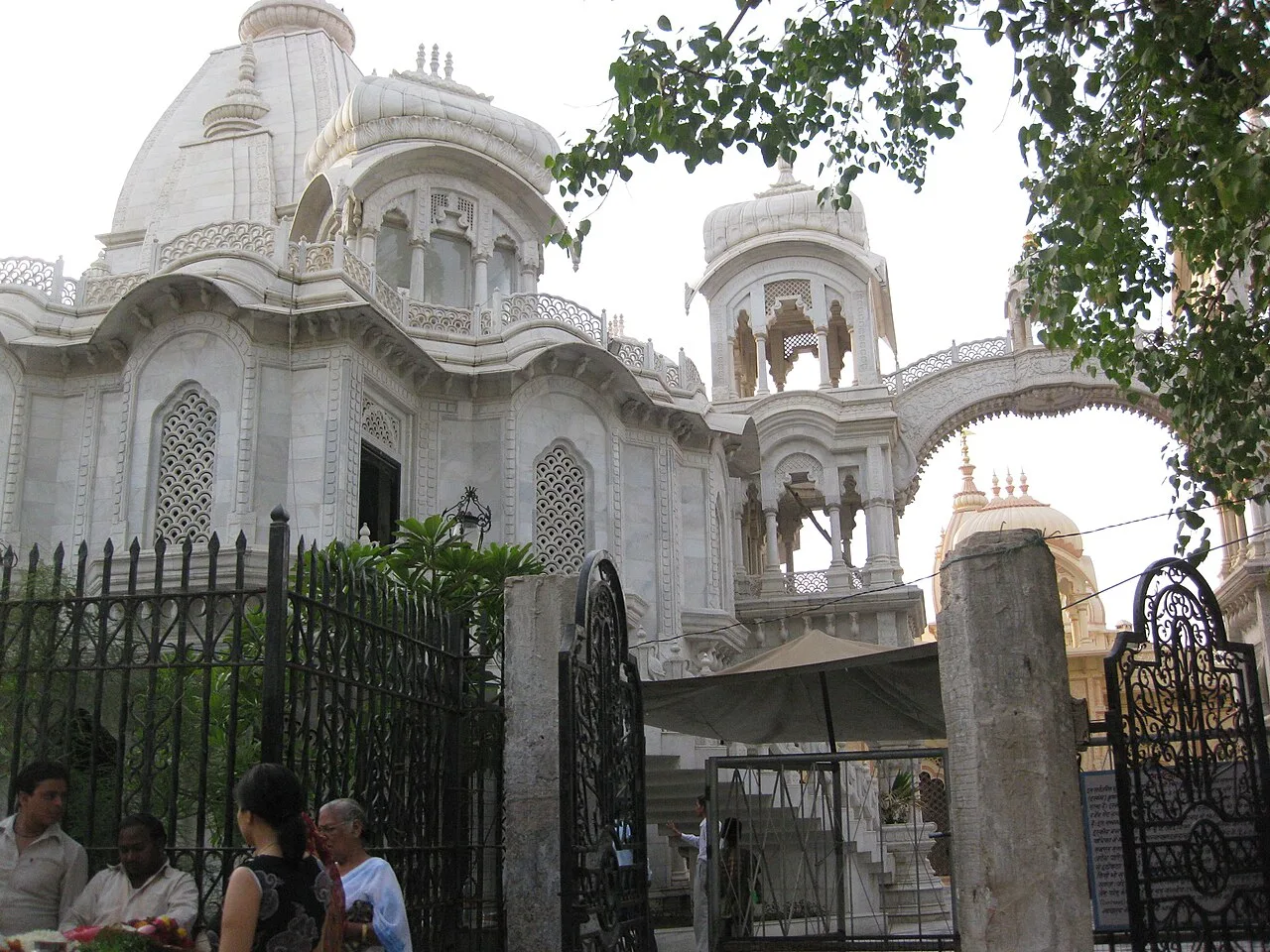
ISKCON Temple, Vrindavan
In Vrindavan, Uttar Pradesh’s Mathura district, this Gaudiya Vaishnava temple is devoted to Krishna and Balarama. Visitors come to worship these deities and the other figures honoured there.
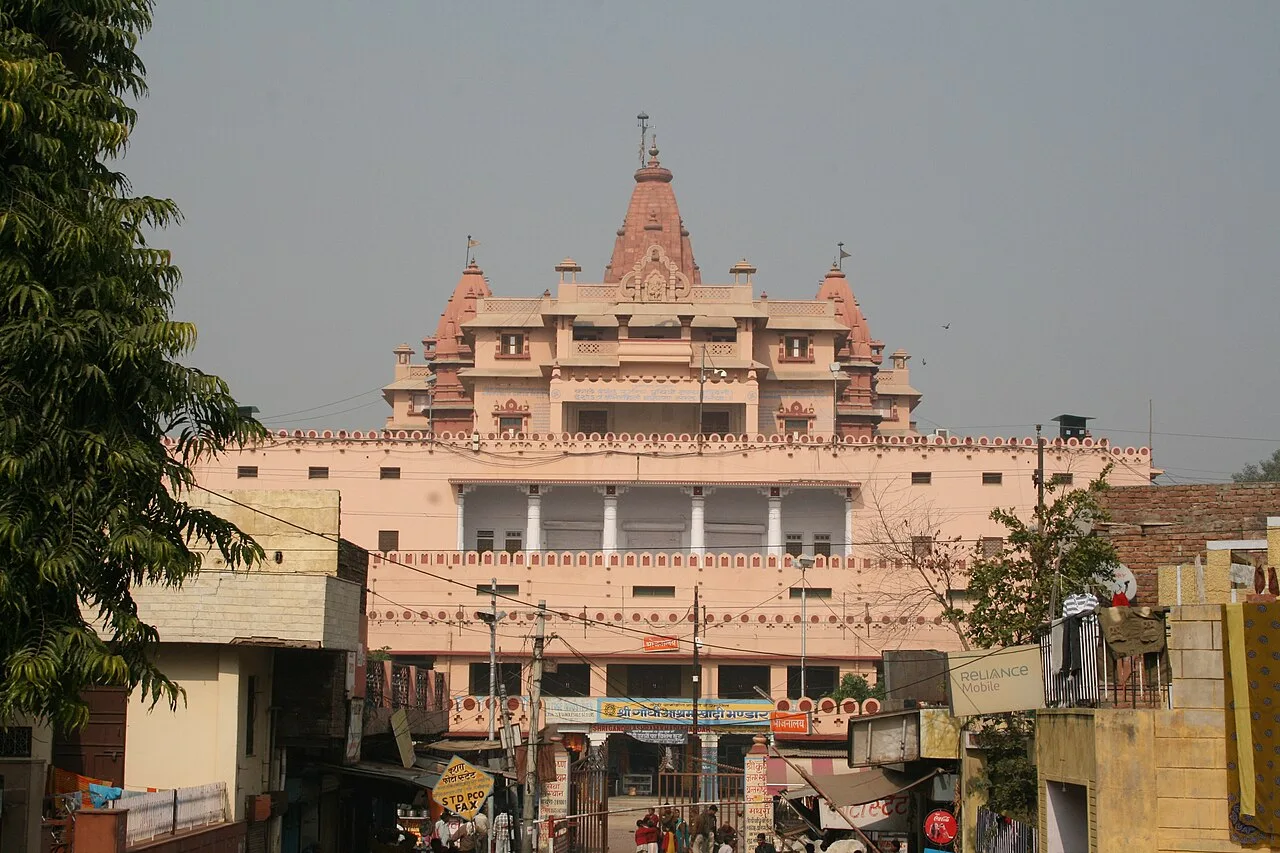
Krishna Janmasthan Temple Complex
A Hindu pilgrimage complex in Mathura, Uttar Pradesh, Krishna Janmasthan draws visitors to temples devoted to Krishna and to the tradition that he was born at this site.
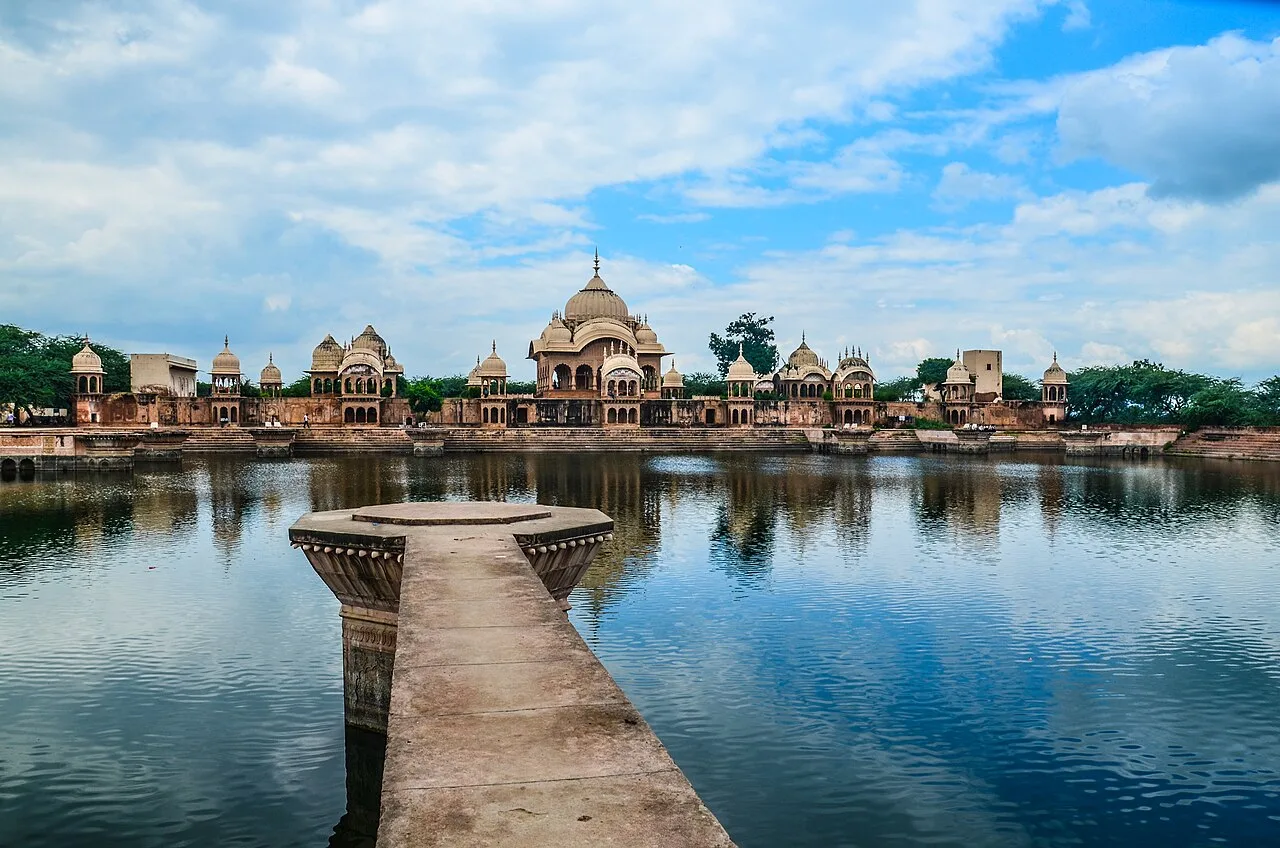
Kusum Sarovar
Kusum Sarovar is a sacred reservoir on Govardhan Hill, with a historic sand monument behind it. Visitors come for its associations with Radha and Krishna and nearby devotional sites.
Milk-based sweets are central to the district’s food identity: Mathura is especially associated with peda, while rabri is a familiar treat in Vrindavan. Pilgrimage neighbourhoods offer abundant vegetarian food, including simple thalis, puri-sabzi, kachori and jalebi; these belong to wider north Indian food traditions rather than Mathura alone. Some devotional kitchens prepare food without onion or garlic, though practices vary by establishment. Lassi and other dairy preparations are also common. Ask sweet shops what has been made fresh, and choose busy stalls where hot food is cooked in front of you.
Mathura has a distinguished sculptural heritage, particularly the ancient Mathura school, known for work in red sandstone and images connected with Buddhist, Jain and Hindu traditions. The Government Museum offers an introduction to this artistic history. In the living devotional culture of Braj, artisans make deity clothing, decorative ornaments and temple accessories. Vrindavan is also associated with Sanjhi, a devotional art tradition that includes intricate paper stencils used to create patterned images. These practices belong to the wider Braj cultural world, not exclusively to one town.
Janmashtami, usually in August or September, brings major devotional gatherings to Mathura and Vrindavan. Holi is celebrated across Braj in late winter or early spring; festivities in Barsana and Nandgaon are especially well known regionally and can draw large crowds. Govardhan Puja, usually after Diwali in autumn, is marked by pilgrims visiting Govardhan, while the Kartik season brings worship and evening activity at temples and ghats. These occasions can mean crowded roads, queues and limited accommodation, so reserve rooms early and allow extra time for local travel.
In this district
Elsewhere in Uttar Pradesh
The district lies mainly in the flat, cultivated Yamuna plain, with the river shaping Mathura’s ghats and settlements. The Yamuna passes Mathura and Vrindavan, while ponds, kunds and reservoirs form part of Braj’s religious landscape. Around Barsana, Nandgaon and Govardhan, low rocky rises and hillocks interrupt the plains. Most travel is by road through built-up towns and agricultural countryside; temple lanes and pilgrimage routes may involve walking. Riverfront steps and uneven paths around water bodies can be slippery, particularly during or after rain.
Mathura has hot summers, a monsoon season and cool, often foggy winters. Summer days can make outdoor walking tiring, while the monsoon brings humid weather and occasional waterlogged roads. Winter is generally the most comfortable season for sightseeing, though early mornings and evenings can be chilly and fog may affect road or rail journeys. October to March is usually a practical period to visit, with festival dates bringing additional crowds. Pack light, breathable clothing for warm weather, a warm layer for winter, comfortable walking shoes, sun protection and rain protection during the monsoon.
Mathura Junction is the principal railway gateway for the district, with onward road travel to Vrindavan, Gokul, Barsana and Nandgaon. Agra Airport is the nearest airport to Mathura city, but check available flights before planning around it; Delhi’s Indira Gandhi International Airport offers a broader range of connections. Mathura is accessible from Delhi and Agra by the NH 19 corridor, while the Yamuna Expressway provides another approach through connecting roads. Buses, taxis, auto-rickshaws and e-rickshaws serve different parts of the district. Expect walking stretches and possible vehicle restrictions around crowded temple areas. Check current services locally.
Mathura city and Vrindavan are linked by regular road services, with routes onward to Gokul, Govardhan, Radha Kund, Barsana and Nandgaon. Local buses and shared vehicles serve some routes, while autos and e-rickshaws are useful for shorter journeys; taxis offer more flexibility for a multi-town circuit. Availability and access can change during festivals, and vehicles may be restricted near crowded temple areas. Walking is often necessary in old-town lanes. Boats operate on parts of the Yamuna, but conditions and services vary, so check locally before relying on a river crossing.
2 days: Krishna Janmasthan Temple Complex, Dwarkadhish Temple, Vishram Ghat, Government Museum, Mathura; sleep in Mathura both nights. Then Banke Bihari Temple, ISKCON Temple, Vrindavan, Prem Mandir; day visit from Mathura. 3 days: Krishna Janmasthan Temple Complex, Dwarkadhish Temple, Vishram Ghat, Government Museum, Mathura; sleep in Mathura. Banke Bihari Temple, ISKCON Temple, Vrindavan, Prem Mandir; sleep in Vrindavan. Govardhan Hill, Kusum Sarovar, Radha Kund; sleep in Govardhan or return to Vrindavan. 4 days: Krishna Janmasthan Temple Complex, Dwarkadhish Temple, Vishram Ghat; sleep in Mathura. Banke Bihari Temple, ISKCON Temple, Vrindavan, Prem Mandir; sleep in Vrindavan. Govardhan Hill, Kusum Sarovar, Radha Kund; sleep in Govardhan or Vrindavan. Barsana Radha Rani Temple, Nandgaon; sleep in Mathura or Vrindavan.
Mathura is a practical base for the city’s temples, ghats and museum, with hotels, guesthouses and dharamshalas. Vrindavan suits travellers prioritising temple visits and offers a broad range of hotels, guesthouses and religious accommodation; check local rules and facilities before booking a dharamshala. For a slower Braj circuit, consider staying near Govardhan, where simpler guesthouses and religious lodgings are available. Homestays and government lodges may be found in the wider region, but availability varies. During major festivals, book ahead and allow flexibility about location.
Expect dense crowds around temples and ghats, particularly during festivals; keep valuables secure and agree on a meeting point if travelling in a group. Wear footwear suited to uneven lanes and potentially slippery steps, and take care near the Yamuna and other water bodies. Use sealed or treated drinking water and take precautions against summer heat and monsoon conditions. Monkeys are common around some religious sites; keep food and loose items out of reach. Road surfaces and traffic vary, and fog can reduce winter visibility. Mobile connectivity is generally available in towns but may be less reliable on rural routes. Check local access restrictions before setting out; no special visitor permit is generally required for the listed destinations.
- Bharatpur · Rajasthanabout 37 km
- Agraabout 47 km
- Faridabad · Haryanaabout 108 km
- Dausa · Rajasthanabout 114 km
- South Delhi · Delhiabout 122 km
- Gurugram · Haryanaabout 123 km
- Gautam Buddh Nagarabout 123 km
- Alwar · Rajasthanabout 124 km
Straight-line distance between the centres of each district's destinations; road distance is longer.
Q: How many days should I spend in Mathura district? A: Two days can cover Mathura and Vrindavan; three or four days allow time for Govardhan, Barsana, Nandgaon and other Braj sites. Q: When is the best time to visit? A: October to March is generally comfortable for sightseeing. Festival periods are lively but bring heavier crowds and accommodation demand. Q: Where is the best base? A: Choose Mathura for city sights and rail access, or Vrindavan for temple visits. Govardhan can suit an extended Braj circuit. Q: How do I get to Mathura? A: Mathura Junction is the main rail gateway. Road connections link the district with Delhi and Agra; the nearest airport to Mathura city is Agra Airport, while Delhi offers more flight connections. Q: Is Mathura suitable for families or elderly travellers? A: Yes, with planning. Crowds, walking, uneven lanes and steps can be challenging, so allow extra time and choose accessible transport and accommodation where possible.
This page draws on our 14 destination guides for Mathura and is updated as our team checks it.
Be the first to share photos, stories, advice or a helpful contact for Mathura.
Loading…