Ghumoopedia — Explore, Discover, Experience
Sign in

Religious · Uttar Pradesh

Diwali (Deepavali)

Across India; best known in Ayodhya, Varanasi, Amritsar, Jaipur, Mumbai, Kolkata and Delhi

Dates

Last verified 17 November 2026. Confirmed: announced by organisers or government. Provisional: from a published almanac, not yet announced. Seasonal: no date announced.

The complete guide

Diwali (Deepavali): everything to know before you go

Also known as
Deepavali, Festival of Lights, Kali Puja (Bengal), Bandi Chhor Divas (Sikh)
Where
Celebrated in every state and union territory; most famous in Ayodhya, Varanasi, Amritsar, Jaipur, Mumbai, Kolkata and Delhi
When
Amavasya (new-moon night) of the month of Ashwina or Kartika, usually October–November.
Duration
Five days, from Dhanteras to Bhai Dooj
Faith and community
Hindu, Jain, Sikh and some Buddhist communities; enjoyed by many others as a cultural festival
Type
Religious and family festival, new year for many trading communities
Best for
Families, food lovers, photographers, shoppers

Overview

Diwali is India's biggest festival of light and the one most widely shared across faiths and regions. As dusk falls on the main night, millions of small clay lamps (diyas) flicker on windowsills, rooftops and doorsteps. Homes are cleaned and painted, colourful rangoli patterns appear at the door, families dress in new clothes, sweets are exchanged and prayers are offered to Lakshmi, the goddess of wealth and wellbeing. The idea at the heart of it is simple and universal: light over darkness, knowledge over ignorance, good over evil.

For businesses, Diwali marks the start of the financial new year in many communities, and it is the busiest shopping season. For families, it is the time to come home. Train stations fill with travellers, and the festival is felt as much in the kitchen and the living room as in the street.
Origins and legend

Diwali has many origin stories, which vary by region and community.

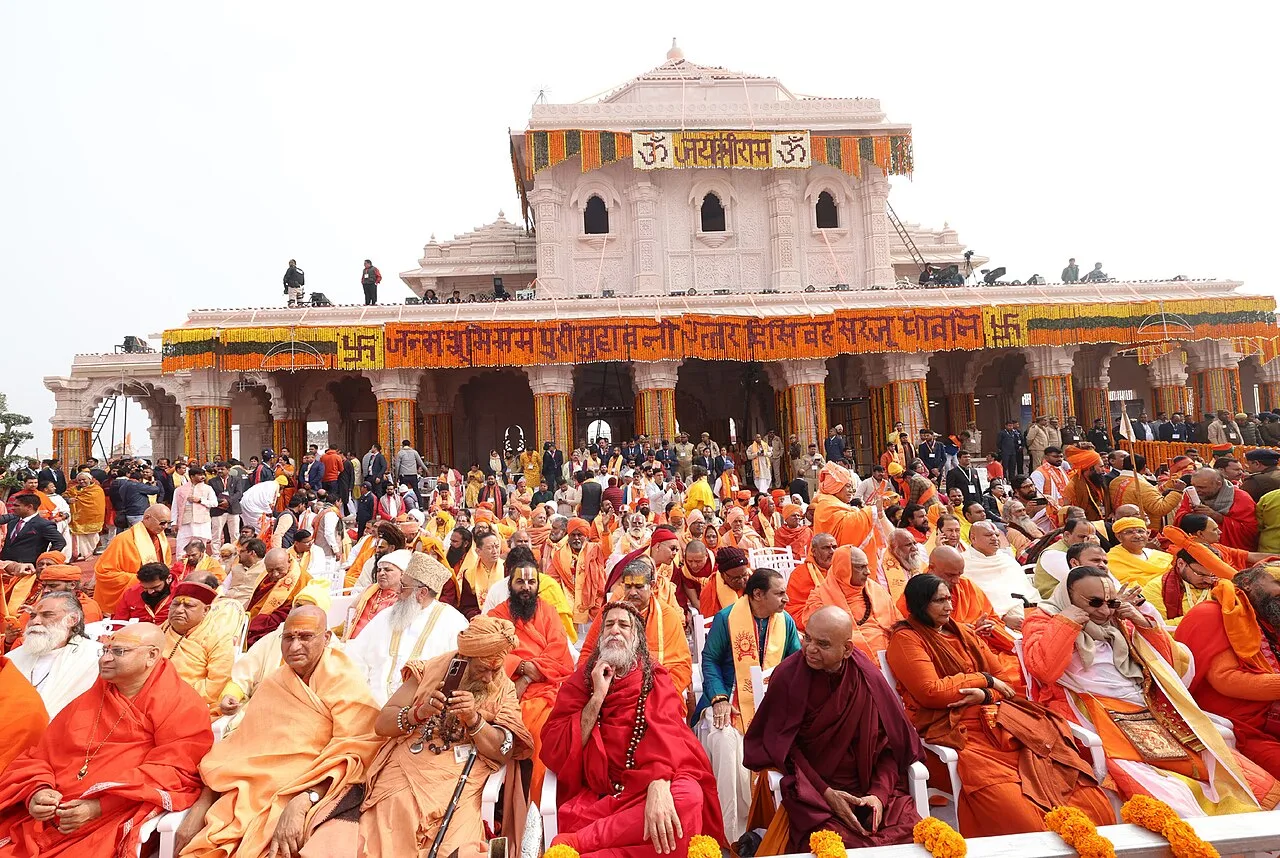
  • The Ramayana tradition (north and central India): Diwali celebrates the return of Rama, along with Sita and Lakshmana, to Ayodhya after fourteen years in exile and the defeat of the demon king Ravana. The citizens lit lamps to welcome their prince home. Ayodhya, in Uttar Pradesh, now marks this with a large-scale lamp-lighting event called Deepotsav.
  • Krishna and Narakasura (south and west): In south India, Goa and parts of Maharashtra, the key day is Naraka Chaturdashi, which commemorates Krishna's victory over the demon Narakasura. People rise before dawn for an oil bath, and in Goa giant effigies of Narakasura are burned.
  • Lakshmi's birth: Many families remember the story of the churning of the ocean, from which Lakshmi emerged, and worship her on the new-moon night.
  • Jain tradition: Jains mark the nirvana (liberation) of Mahavira, the 24th tirthankara, which tradition places at Pawapuri in Bihar. Lamps are lit as a symbol of the light of knowledge.
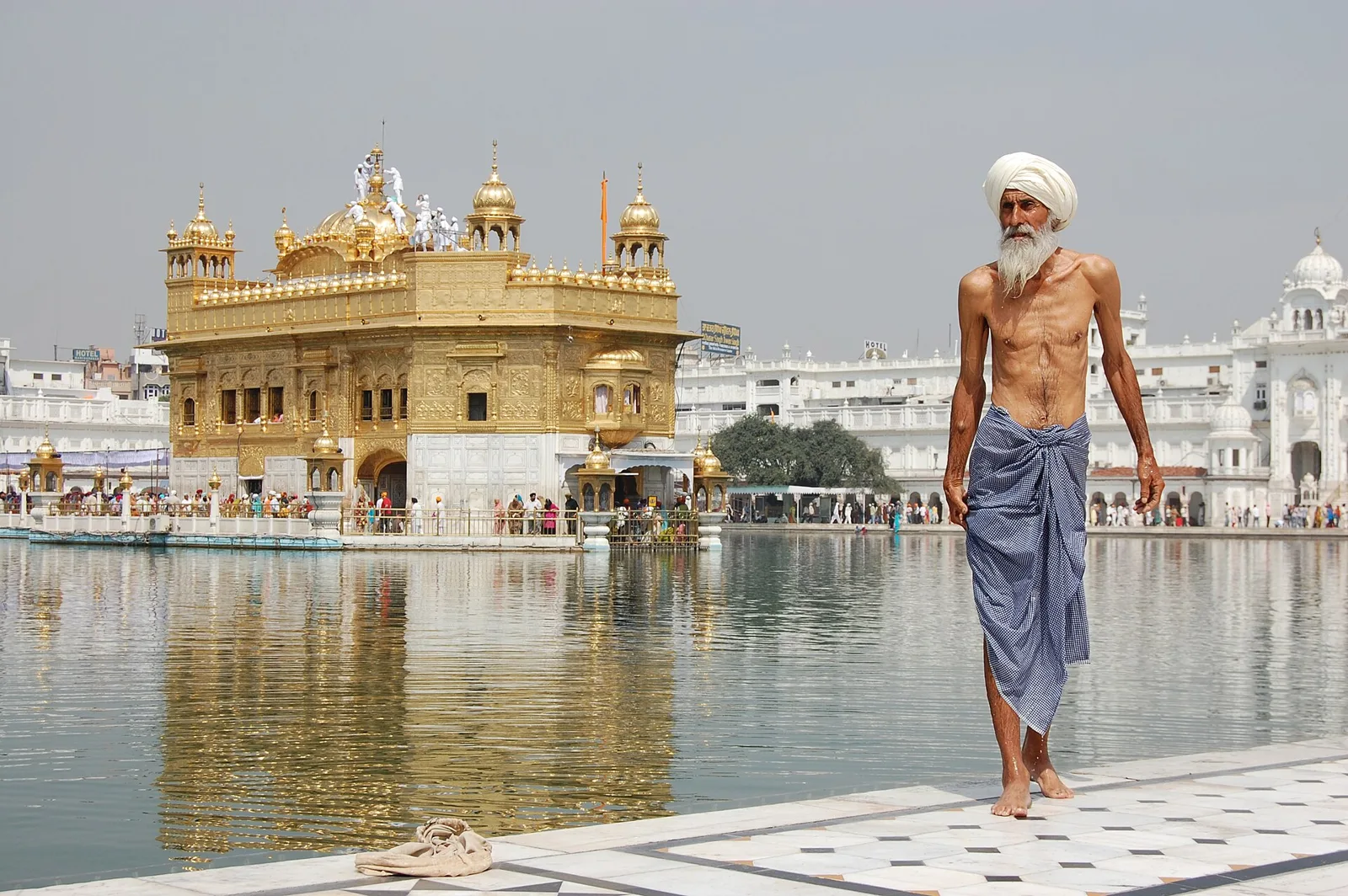
  • Sikh tradition: Sikhs observe Bandi Chhor Divas, the day Guru Hargobind was released from imprisonment in Gwalior Fort along with a number of other prisoners. The Golden Temple in Amritsar is lit with thousands of lamps.
  • Bengal and the east: In West Bengal, Odisha and Assam, the new-moon night is devoted to Kali Puja, the worship of the fierce goddess Kali.

The festival is probably older than any single story, and its roots are in an agricultural calendar that marked the end of the monsoon and the autumn harvest.

How it is celebrated

Diwali is a five-day festival, and each day has its own meaning.

  • Day 1, Dhanteras (Dhantrayodashi): Families buy gold, silver, utensils or a new household item as a sign of prosperity. Dhanvantari, the god of medicine, is also remembered.
  • Day 2, Naraka Chaturdashi (Chhoti Diwali): Early-morning baths with oils and herbal pastes, and lamps lit at dusk. In the south, this is the main Deepavali day.
  • Day 3, Lakshmi Puja (Diwali night): The main day. Homes are lit with diyas and lamps, Lakshmi and Ganesha are worshipped in the evening, and families gather for a feast. Traders perform Chopda Pujan, opening new account books. Many people burst firecrackers or watch fireworks.
  • Day 4, Govardhan Puja / Annakut / Balipratipada: Devotees honour Krishna lifting Mount Govardhan and offer mountains of food to deities (Annakut). In Gujarat and parts of western India, it is also the new year. In Maharashtra, the husband-wife bond is celebrated on Padwa.
  • Day 5, Bhai Dooj (Bhau Beej): Sisters pray for their brothers' long lives and brothers give gifts, a companion to Raksha Bandhan.

Across the five days, homes are decorated with rangoli (coloured powder, flower petals or rice flour designs), torans (door garlands of marigold and mango leaves) and strings of lights. Neighbours visit one another to exchange sweets and greetings.

Food and flavours

Sweets are the star of Diwali, though savoury snacks and festive meals are just as important.

  • Mithai: laddus (besan, motichoor, rava), barfi, kaju katli, peda, jalebi, gulab jamun and soan papdi.
  • Regional sweets: gujiya and mathri in the north, karanji, chakli and shankarpali in Maharashtra, adhirasam and murukku in Tamil Nadu, and sandesh in Bengal.
  • Dry fruit boxes and savoury snacks: nimki, namak para and chivda are made in homes in bulk.
  • Main meals: Festive thalis with paneer dishes, puri, chole and kheer in the north, while Goa and Maharashtra often add seafood or mutton to the Chhoti Diwali menu.

Families often make sweets at home and exchange boxes of mithai and dry fruit with neighbours, friends and colleagues.

Music, dance, art and dress

New clothes are an important custom: silk saris, kurtas, lehengas and sherwanis in rich colours and gold. Rangoli is the art form most closely tied to the festival, with regional names such as kolam in Tamil Nadu, alpana in Bengal and muggu in Andhra and Telangana. Lanterns (akash kandil) hang outside homes in Maharashtra and Gujarat. Diwali melas and bazaars offer pottery lamps, handmade candles, textiles and decorative items. Garba and dandiya may be danced in some areas, though they are more associated with Navratri. Cultural programmes, films and TV specials add to the season.

Where to experience it

  • Ayodhya (Uttar Pradesh): the grand Deepotsav on the banks of the Sarayu, with millions of lamps.
  • Amritsar (Punjab): the Golden Temple lit up for Bandi Chhor Divas.
  • Jaipur (Rajasthan): illuminated markets such as Johari Bazaar and Bapu Bazaar.
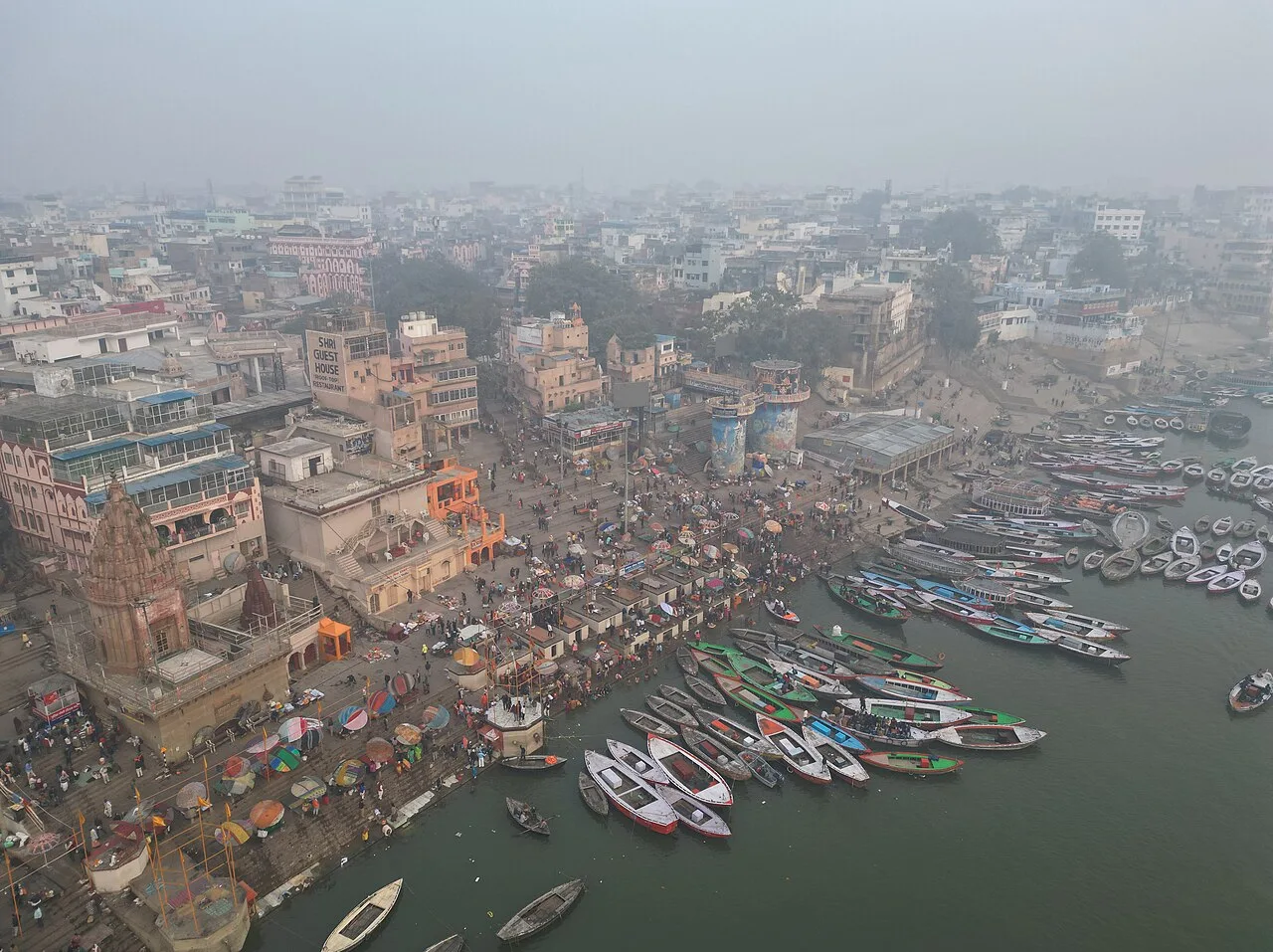
  • Varanasi (Uttar Pradesh): the ghats glow, though the larger lamp festival Dev Deepawali comes about two weeks later.
  • Kolkata (West Bengal): Kali Puja at Kalighat, Dakshineswar and neighbourhood pandals.
  • Mumbai and Pune (Maharashtra): lit streets, lanterns and sweet shops.
  • Goa: Narakasura effigy competitions on Chhoti Diwali.
  • Pawapuri (Nalanda, Bihar): the Jain Jal Mandir, a pilgrimage site for Mahavira's nirvana.

Visitor guide

  • Planning. Diwali is a peak travel season. Book trains, flights and hotels weeks ahead. Many shops close for a day or two around Lakshmi Puja, while sweet shops and markets stay open late the days before.
  • Weather. Early autumn is generally mild across much of India, with cool evenings in the north. In Delhi and the Indo-Gangetic plains, post-Diwali air quality can worsen.
  • Etiquette. Visit a family's home with sweets or dry fruit, and remove shoes at the door. Dress in bright, smart clothing. It is polite to say "Happy Diwali" or "Shubh Deepavali."
  • Fireworks rules. Courts and state governments have restricted firecrackers in many cities because of air and noise pollution, with some places allowing only "green" crackers or fixed time windows. Check current local rules, keep a safe distance and take care with children and pets.
  • Safety. Keep lamps and candles away from curtains and clothes. Wear cotton rather than synthetic fabrics around fire, keep water nearby, and be cautious in crowded markets.

Today and tomorrow

Diwali is changing in ways that reflect modern concerns. Many families are choosing clay diyas over electric strings, eco-friendly rangoli and sustainable gifts, and some are skipping firecrackers altogether to cut pollution and help animals and the elderly. Neighbourhoods hold community celebrations, charity drives and meals for those in need. Diwali is also marked abroad, in the UK, the US, Singapore, Malaysia, Fiji, Mauritius and Trinidad, and has become part of the public calendar in several countries. Online shopping and corporate gifting have added to its commercial side, even as many families work to keep its quiet home rituals at the centre.

Nearby

Places to see around the festival