Ghumoopedia — Explore, Discover, Experience
Sign in
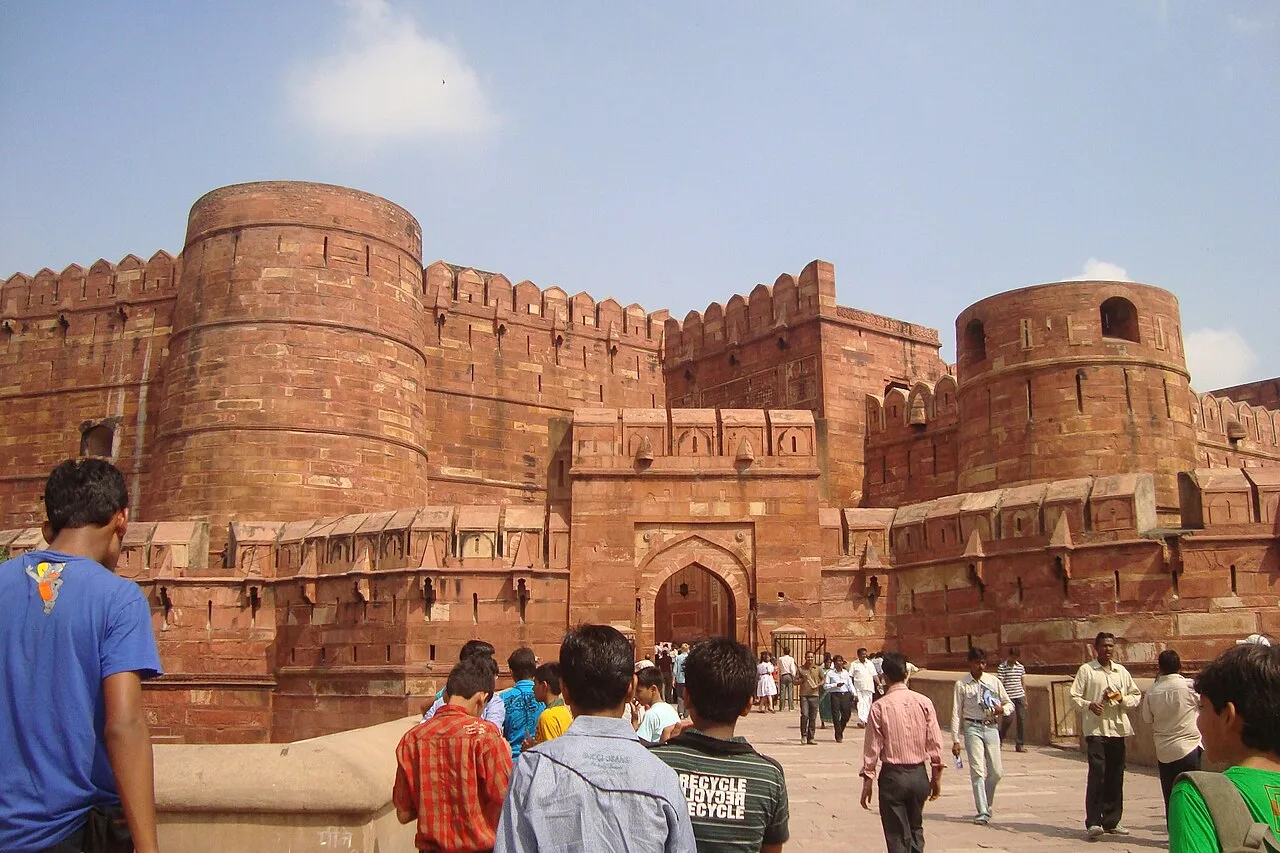
Agra Fort, Uttar Pradesh

State · North India

Uttar Pradesh

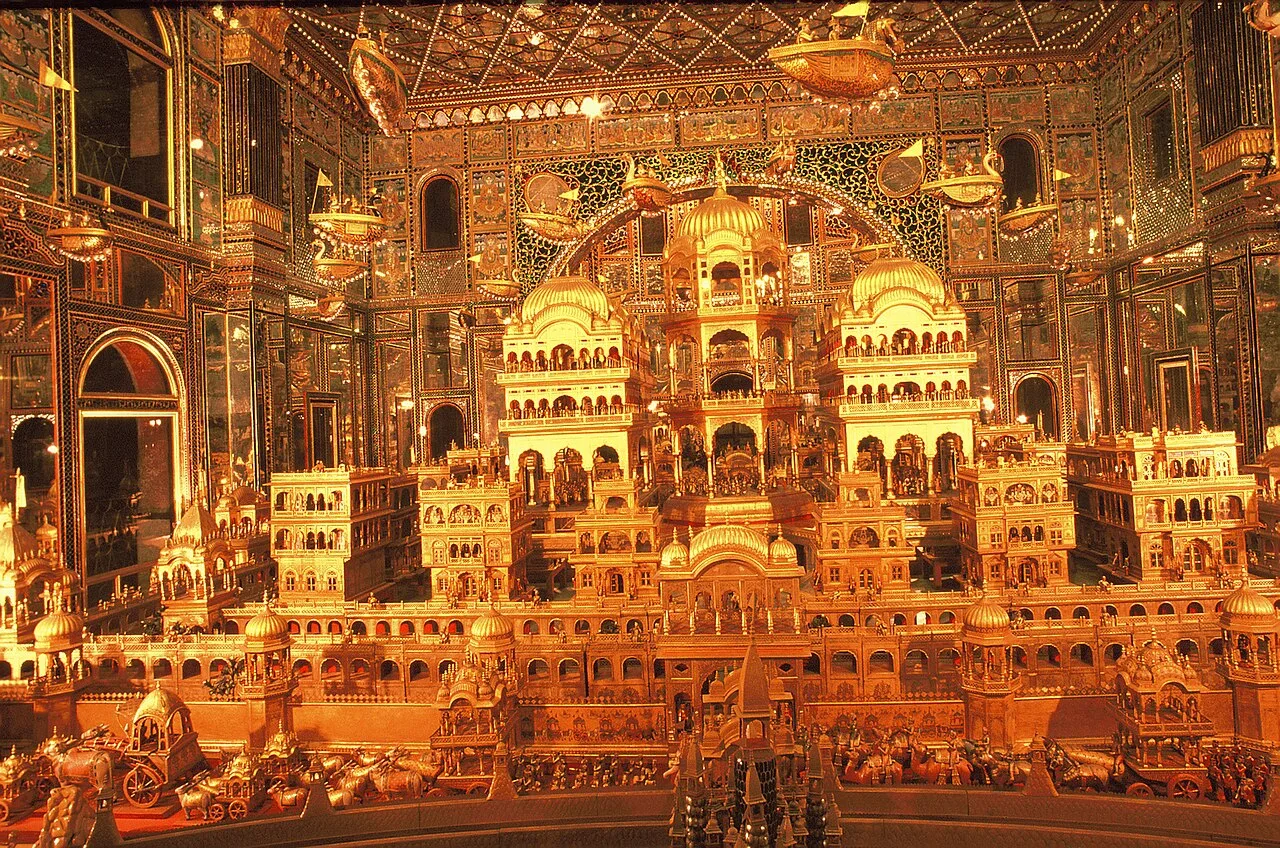
Varanasi's ghats, the Taj Mahal, Prayagraj's Sangam and Buddhist Sarnath.

Capital
Lucknow
Districts
29
Destinations
102

Overview

Understanding Uttar Pradesh

Culture

Kathak, Chikankari and Banarasi silk.

Food

  • Awadhi kebabs
  • Banarasi chaat

Festivals

  • Kumbh Mela (Prayagraj)
  • Dev Deepawali
  • Holi in Braj

Experiences here

  • Spiritual
  • Heritage
  • Wildlife
  • Festivals

Verified by the Ghumoopedia editorial team on 21 Nov 2026. Written and reviewed by Ghumoopedia's editors. Timings, fees and permits can change, so check them with the managing authority shortly before you travel.

The complete guide

Uttar Pradesh: a traveller's guide

Why visit

Uttar Pradesh brings together some of India’s most recognisable landmarks and a wide range of journeys. In Agra, the Taj Mahal and Mehtab Bagh frame a Mughal story; in Varanasi, riverfront ghats, temples and nearby Sarnath offer encounters with living Hindu traditions and Buddhist history. Prayagraj draws pilgrims to the Sangam, while Mathura and Vrindavan are central to Krishna traditions. Lucknow adds Awadhi architecture, markets and food, and quieter itineraries can lead to forest wetlands, historic towns and archaeological sites across the state.

The state suits first-time visitors seeking major monuments, pilgrims following sacred routes, history and architecture enthusiasts, and travellers interested in food, textiles or wildlife. Distances can be substantial, so it is often more rewarding to focus on a region than to rush between far-flung sights. Pairing Agra with Lucknow, Varanasi with Sarnath, or Mathura with Braj’s temple towns makes practical sense. From the bustle of Hazratganj Market to the calm of Katarniaghat Wildlife Sanctuary, Uttar Pradesh offers contrasts that reward patient, considered travel.
Landscape & climate

Uttar Pradesh is a large, landlocked state on the Indo-Gangetic Plain. Much of its centre and east consists of level, fertile alluvial country, shaped by the Ganga and its tributaries, including the Yamuna, Gomti, Ghaghara, Rapti and Son. The Ganga and Yamuna meet at Prayagraj, while the Gomti passes through Lucknow. Rivers, canals, floodplains and seasonal wetlands support farming and wildlife, but water levels and local conditions change through the year. The western districts are generally more urbanised and intensively cultivated; the east has broad river basins and a strong connection to the Ganga’s sacred landscape.

The terrain rises in the south toward the Vindhyan uplands and Bundelkhand’s rocky, drier country, with ravines, plateaus and forested tracts around parts of Mirzapur and Sonbhadra. There is no coastline. Protected landscapes include Dudhwa National Park and Katarniaghat in the Terai near the Nepal border, as well as wetlands such as Sur Sarovar near Agra. Summers are hot, the monsoon usually brings the main rains from around June into September, and winters can be cool, foggy and damp, especially on the plains. The Terai is generally greener and wetter than the southern plateau, while winter fog can affect visibility and road or rail journeys across the state.

History & heritage

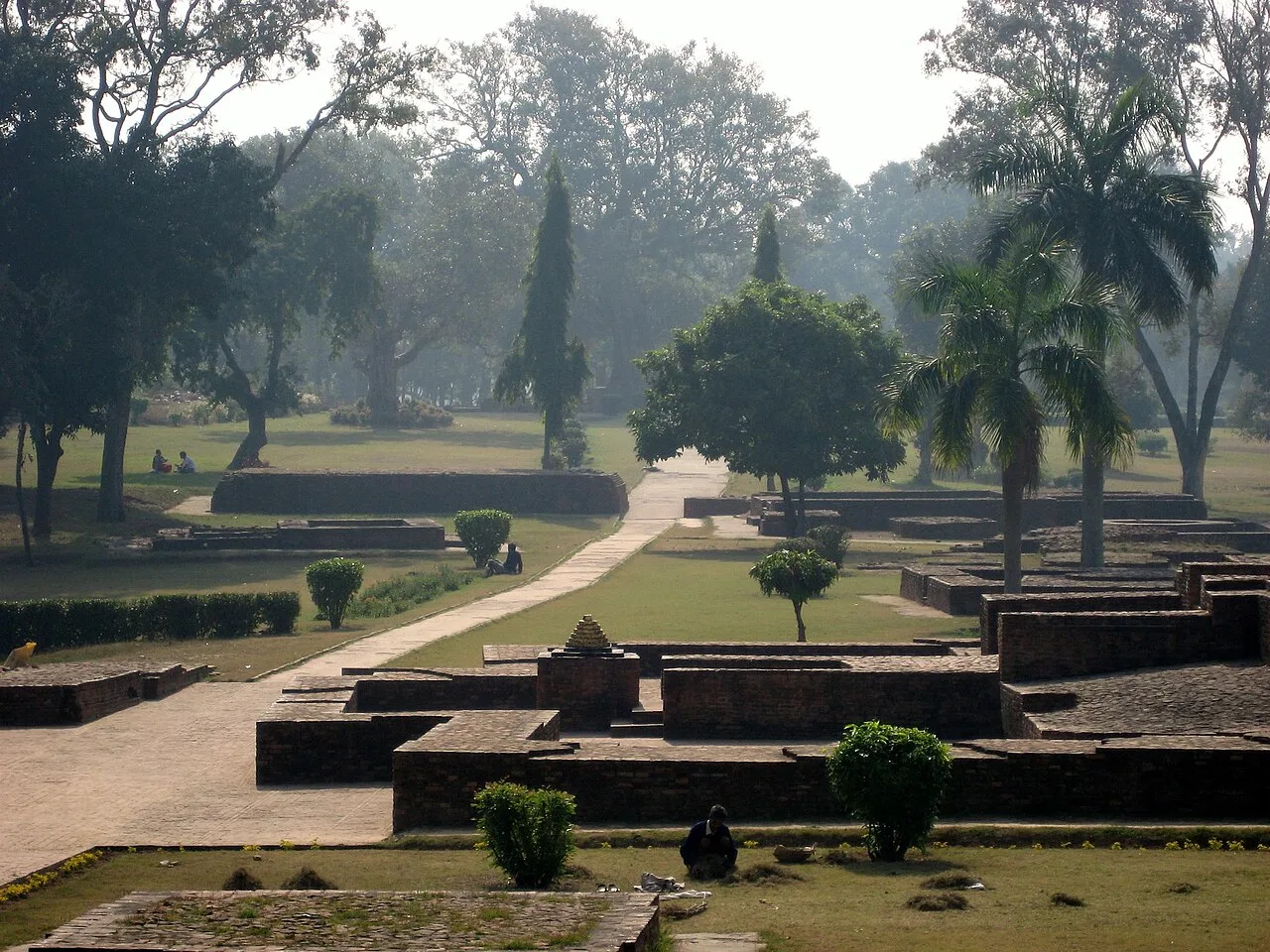
The region now called Uttar Pradesh has been inhabited since ancient times and appears in the histories, epics and religious traditions of northern India. Early urban centres developed along the Ganga plain; the ancient city of Kaushambi was an important political and trading centre, and Sarnath is associated with the Buddha’s first teaching after enlightenment. Shravasti and Kushinagar also became major Buddhist sites. Hindu pilgrimage traditions connect places such as Ayodhya, Mathura, Prayagraj and Varanasi. Over centuries, the area formed part of successive kingdoms and empires, including those of the Mauryas and Guptas, and later saw the growth of regional powers.

From the medieval period onward, Delhi Sultanate and Mughal rule left a deep architectural legacy. Agra was an imperial centre, and the Taj Mahal, Akbar’s tomb and Fatehpur Sikri reflect Mughal building traditions. Jaunpur’s mosques and bridge, the Chunar Fort, and monuments across the state speak to changing regional powers. Awadh developed a distinctive courtly culture, especially in Lucknow, where architecture, poetry, music and cuisine flourished. The British East India Company expanded its control in the eighteenth and nineteenth centuries; the uprising of 1857 had important centres in places including Kanpur and Lucknow. British administration reorganised the region as the North-Western Provinces and later the United Provinces of Agra and Oudh. After India became independent in 1947, the United Provinces took the name Uttar Pradesh in 1950. Its heritage today includes colonial-era public buildings, memorials and museums alongside older sacred and royal sites.

Culture, people & festivals

Hindi and Urdu are widely used, alongside regional speech traditions such as Awadhi, Braj, Bhojpuri, Bundeli and Kannauji. Uttar Pradesh’s communities are diverse, and its cultural life reflects Hindu, Muslim, Buddhist, Jain, Sikh and other traditions. Kathak, shaped in part by courtly settings in Lucknow, is a celebrated classical dance form; devotional singing, qawwali, folk theatre and seasonal songs are also part of the state’s musical landscape. Varanasi’s ghats and temples, Sarnath’s Buddhist institutions, and the shrines of Ayodhya, Mathura and Vrindavan express different forms of religious practice. Visitors should remember that many sacred sites are active places of worship, not simply monuments.

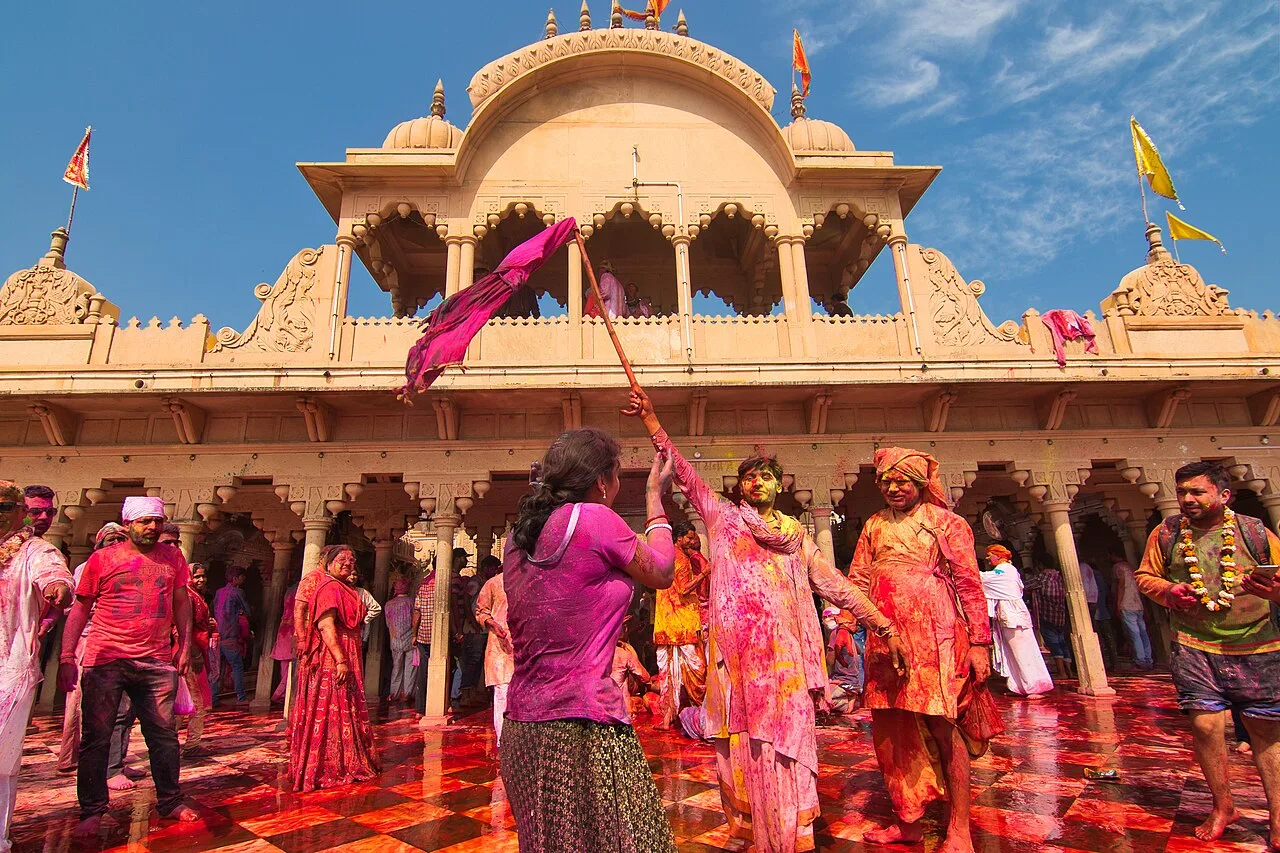
Festivals often follow the lunar calendar, so their Gregorian dates vary. Holi, usually in February or March, is especially prominent in the Braj region around Mathura, Vrindavan, Barsana and Nandgaon, where local celebrations may extend over several days. Dev Deepawali is observed in Varanasi around the full moon of Kartik, usually in October or November, with lamps along the riverfront. Diwali generally falls in October or November, while Eid observances shift through the seasons. Prayagraj’s annual Magh Mela takes place in winter; the much larger Kumbh Mela is held periodically, with timing and arrangements announced by authorities. Local fairs, processions and temple festivals add to the calendar, and crowds can be considerable at major events.

Food & flavours

Wheat breads, rice, lentils, vegetables and dairy form everyday meals, with regional habits shaped by local produce and community traditions. Lucknow is known for Awadhi cooking, including slow-cooked kebabs such as galouti and seekh, aromatic biryani and rich, carefully spiced gravies. These dishes reflect a courtly cuisine in which technique and balance matter as much as heat. In Varanasi, visitors find kachori with sabzi, tamatar chaat, savoury snacks and seasonal sweets; Banarasi paan is also widely associated with the city. Food stalls are lively, but preparation and water hygiene can vary, so choose thoughtfully.

Across the state, menus change from one town to another. Braj is known for milk-based foods and sweets, while eastern districts have rice-based dishes and preparations influenced by Bhojpuri foodways. Petha is closely associated with Agra, and Mathura peda with the Braj region. Winter brings dishes made with seasonal greens, jaggery and sesame, while mangoes feature prominently in summer, including prized Dusseheri mangoes from the Lucknow region. Vegetarian food is easy to find around many pilgrimage centres, though meat is served widely elsewhere. Ask about ingredients when needed, since recipes and practices vary between households and restaurants.

Crafts, textiles & what to buy

Uttar Pradesh’s craft traditions range from fine textiles to metalwork, pottery, carpets and carved wood. Lucknow chikankari is delicate hand embroidery, often worked on light fabric, while Varanasi is celebrated for Banarasi silk sarees and brocades with intricate woven motifs. Bhadohi is a major centre for handmade carpets, and Kannauj is renowned for traditional perfume-making, including attar. These products make meaningful purchases when their origin and production are clearly identified; quality, materials and workmanship can vary, so take time to compare pieces and ask sellers about care and provenance.

Other notable traditions include Khurja pottery, Moradabad metal craft, Saharanpur wood carving and Gorakhpur terracotta. Farrukhabad is associated with printed textiles, while eastern Uttar Pradesh is known for Kalanamak rice, a fragrant heritage variety rather than a handicraft. Several local products have Geographical Indication recognition, including Lucknow Chikan Craft, Banaras Brocades and Sarees, Bhadohi carpets, Kannauj Perfume, Khurja pottery, Moradabad metal craft, Saharanpur woodcraft and Gorakhpur terracotta. Browse established workshops or cooperatives where possible, and remember that handwork takes time: a low price does not necessarily indicate an authentic or fairly made item.

Getting there & getting around

Uttar Pradesh is served by several airports, including Chaudhary Charan Singh International Airport in Lucknow, Lal Bahadur Shastri International Airport near Varanasi and airports serving Agra, Prayagraj, Gorakhpur and Ayodhya. Routes and services change, so check current flight options before planning connections. Major rail gateways include Kanpur Central, Lucknow, Varanasi, Prayagraj, Agra Cantt and Gorakhpur. Trains connect many cities and towns, but journey times can be affected by congestion, seasonal fog and operational changes; confirm current schedules through official railway channels.

Road travel is supported by national highways, including NH 19 across the north-central corridor and NH 27 linking parts of the state east to west. Major expressways include the Yamuna Expressway, Agra–Lucknow Expressway and Purvanchal Expressway. They make some intercity journeys faster, though traffic, weather and access points still matter. Within cities, taxis, app-based cabs, auto-rickshaws and cycle-rickshaws are common, with availability varying by place. Local buses can be useful, while private cars or hired drivers offer flexibility for multi-stop itineraries. For visits to places such as Sarnath, Fatehpur Sikri, Barsana or Katarniaghat, plan the final leg in advance. Allow extra time for city traffic, and use authorised transport and official booking channels where available.

When to go & travel tips

For comfortable sightseeing on the plains, October to March is generally the most agreeable period, though winter mornings can be cold and foggy. Varanasi and Prayagraj are especially atmospheric in winter, while Braj’s Holi celebrations take place around February or March and draw large crowds. The Terai and wildlife areas are lush after the monsoon, but access and wildlife-viewing conditions vary seasonally. Summer heat can be intense, particularly in Agra and the southern districts; the monsoon brings rain, humidity and occasional disruption. Check local forecasts and official site information before setting out.

Pack modest clothing for religious sites, a scarf or layer for cool evenings, sun protection and comfortable footwear that can be removed easily at some shrines. Carry water, but follow local guidance at sacred riverfronts and avoid entering unfamiliar currents. Keep valuables secure in crowded markets and festival gatherings, use reputable transport, and be cautious on roads after dark or in fog. Ask before photographing people or worship, and follow signs and instructions at monuments. Entry rules, conservation closures and any wildlife-area requirements can change; confirm them with the relevant official authority before travel.
Highlights

Where to begin

City by city

Cities & hubs of Uttar Pradesh

Every sight is grouped under its city — places within about 12 km together, day trips within 40 km alongside — even across district lines. Open a city to see its attractions.

See every city, town and village of Uttar Pradesh

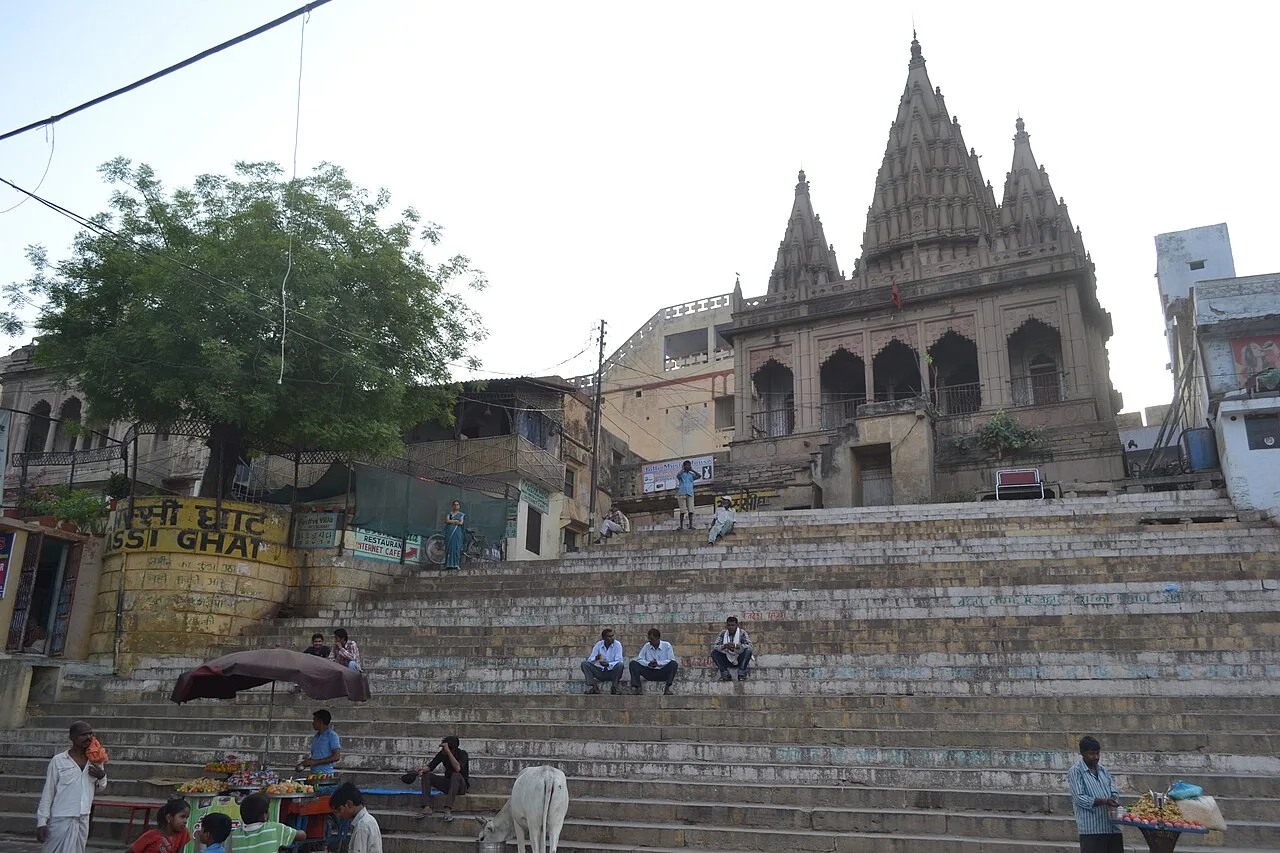
Assi Ghat
Varanasi12 places to see

Assi Ghat · Bharat Kala Bhavan · Chaukhandi Stupa · Dashashwamedh Ghat

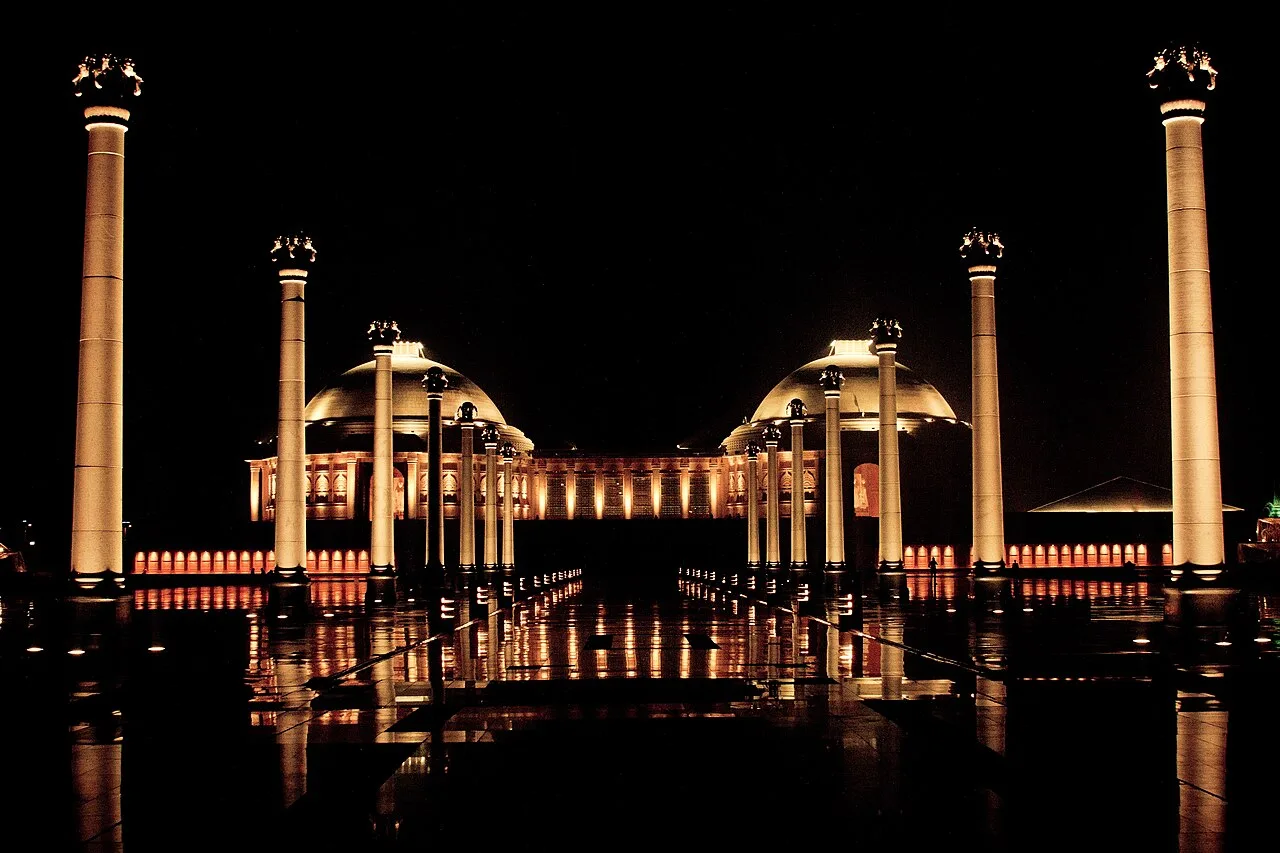
Ambedkar Memorial Park
Lucknow11 places to see

Ambedkar Memorial Park · Bara Imambara · Chota Imambara · Dilkusha Kothi

Agra Fort
Agra10 places to see

Agra Fort · Akbar's tomb · Chini Ka Rauza · Guru ka Taal Gurdwara

Gokul Village
Gokul9 places to see

Banke Bihari Temple · Dwarkadhish Temple, Mathura · Government Museum, Mathura · ISKCON Temple, Vrindavan

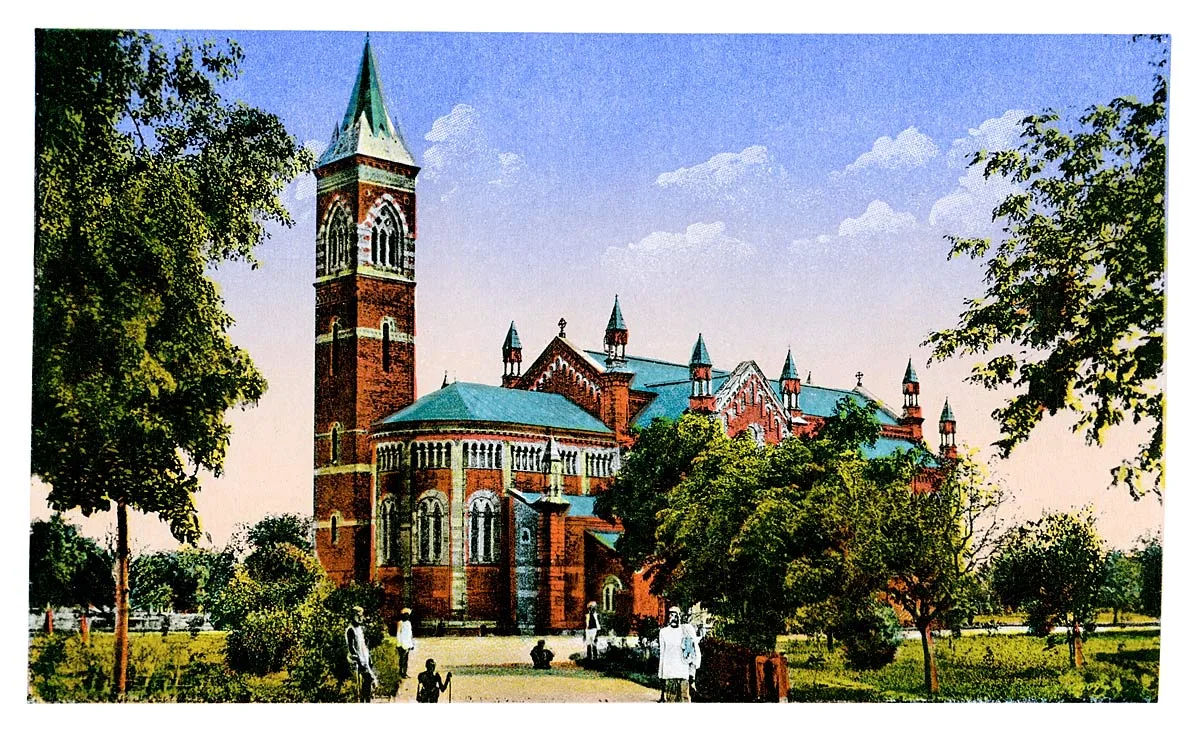
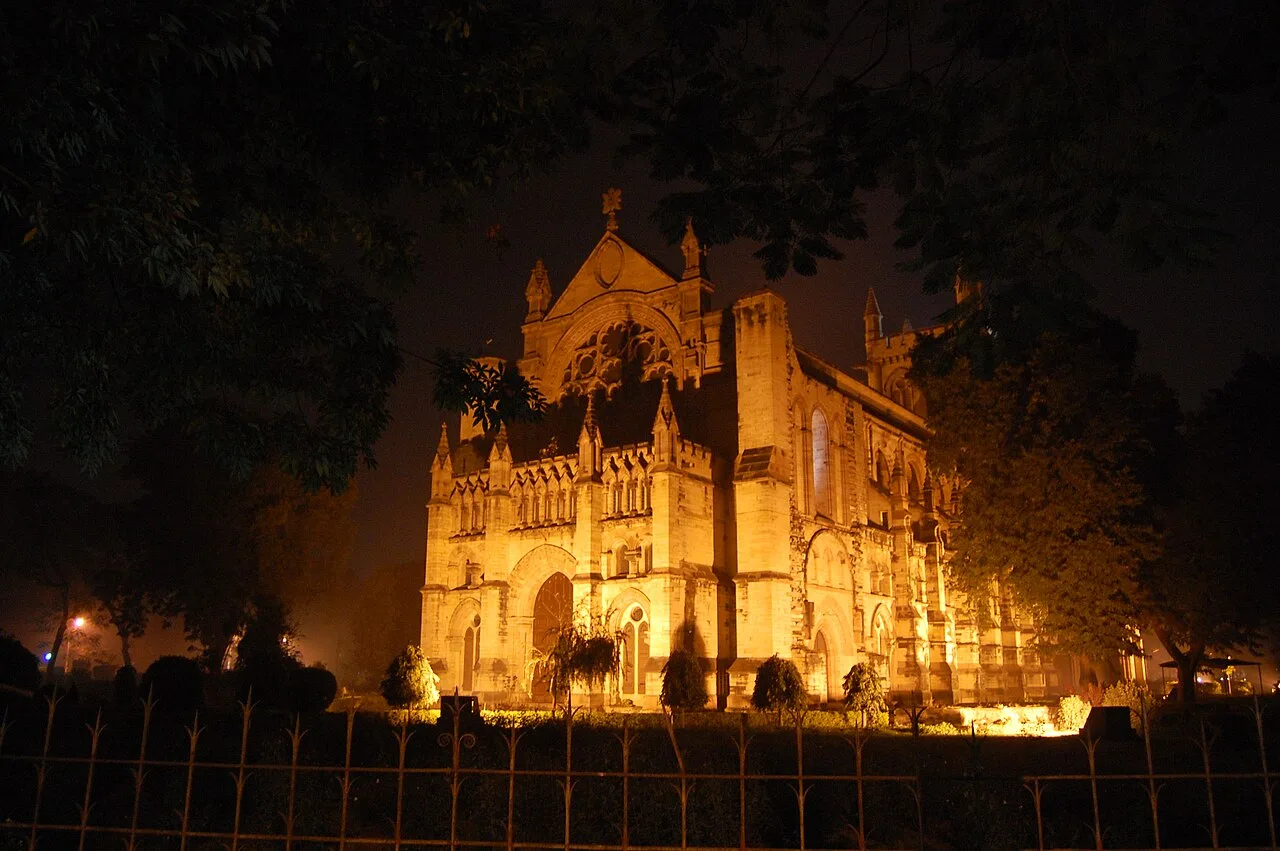
All Saints Cathedral, Prayagraj
Prayagraj6 places to see

All Saints Cathedral, Prayagraj · Allahabad Fort · Allahabad Museum · Anand Bhavan

Ayodhya Old Town
Ayodhya4 places to see

Hanuman Garhi · Kanak Bhawan · Ram Mandir

Buland Darwaza
Fatehpur Sikri4 places to see

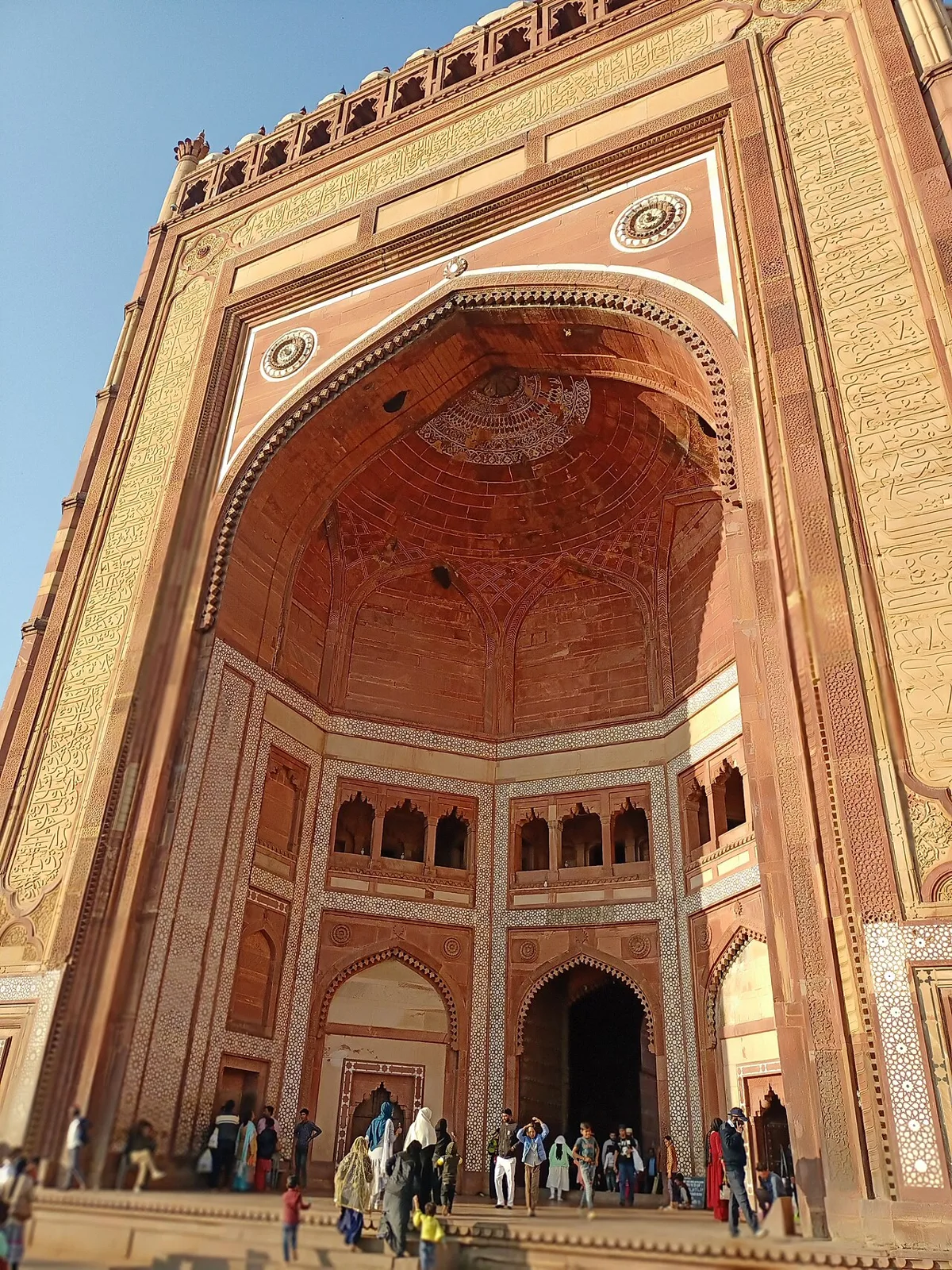
Buland Darwaza · Panch Mahal, Fatehpur Sikri · Tomb of Salim Chishti

Govardhan Hill
Govardhan3 places to see

Govardhan Hill · Kusum Sarovar · Radha Kund

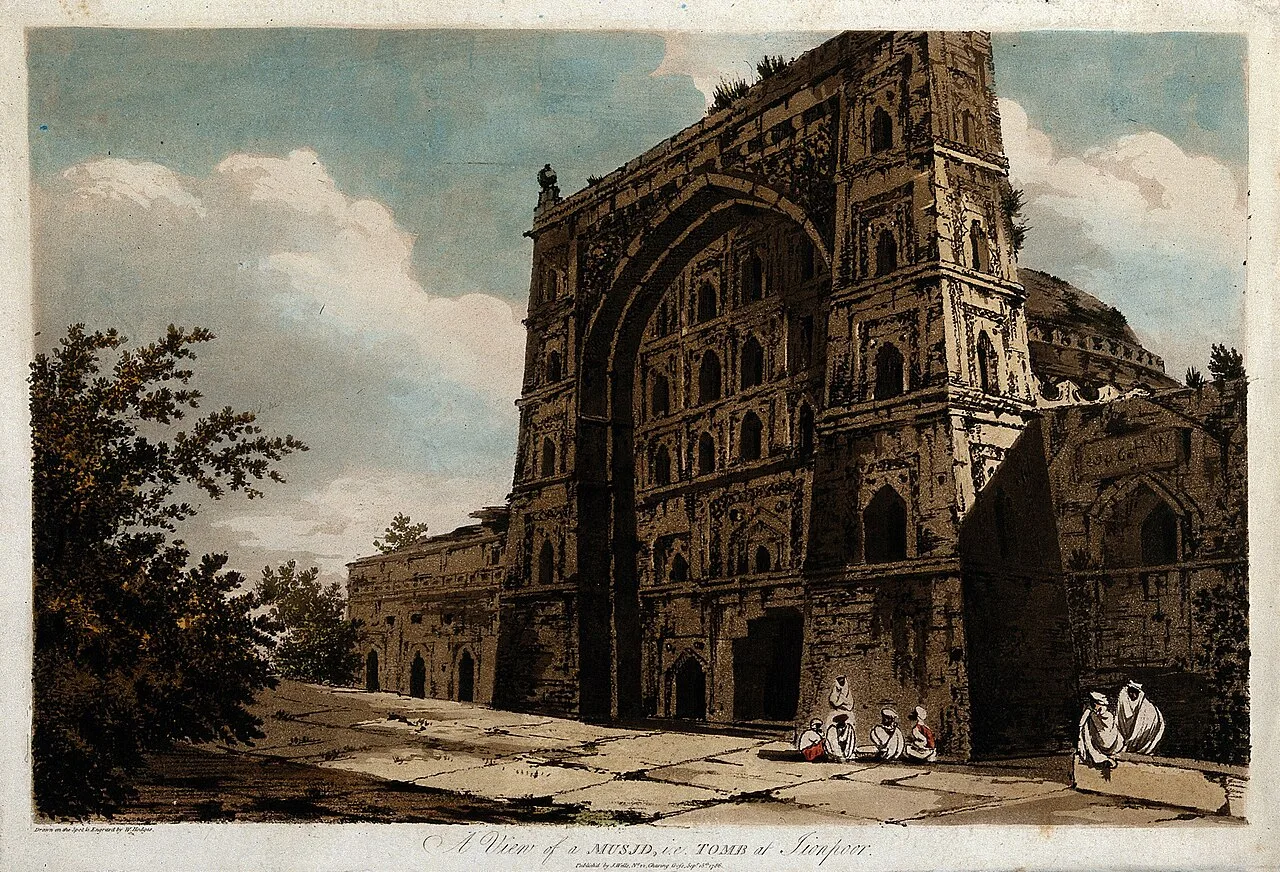
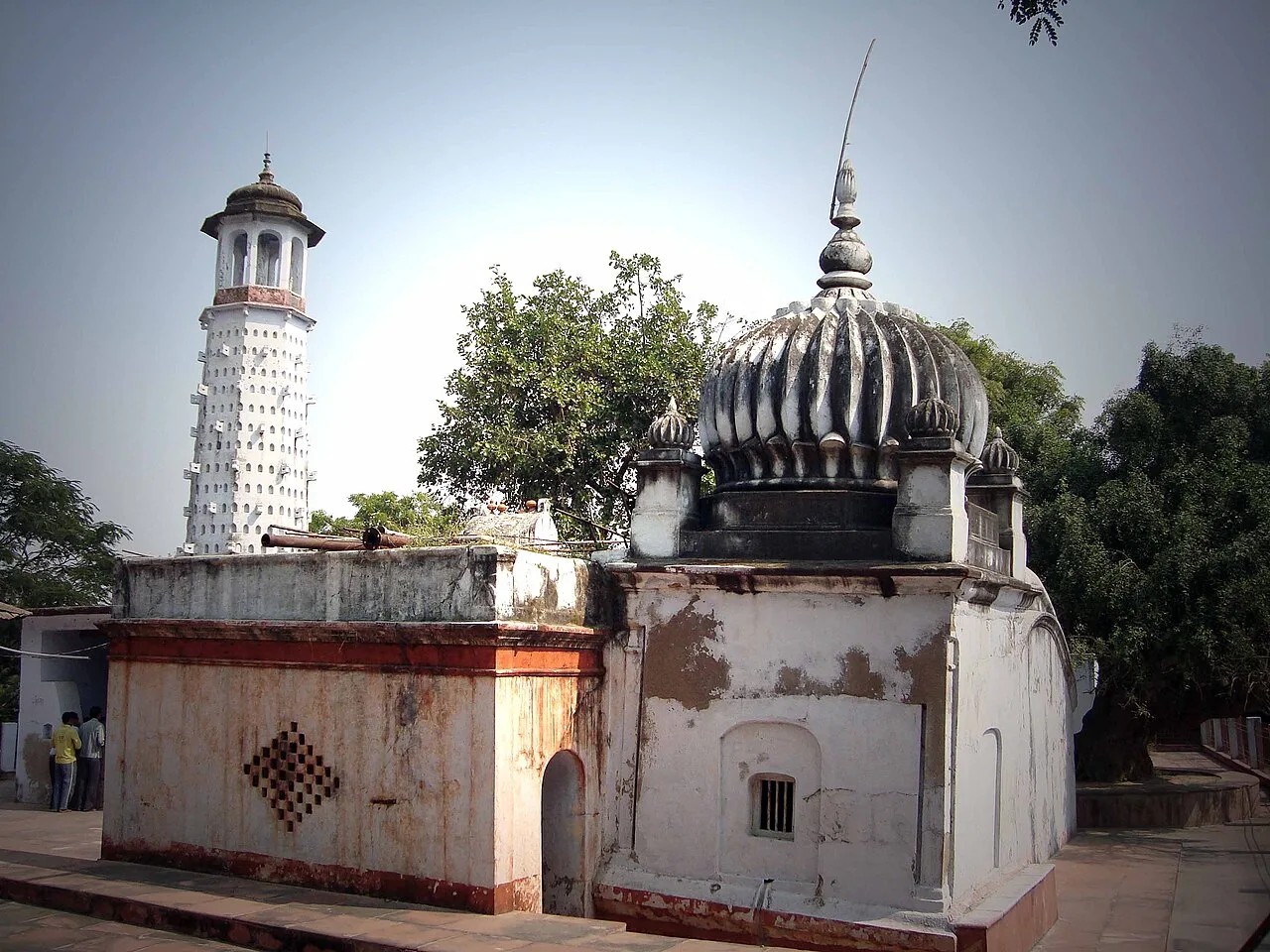
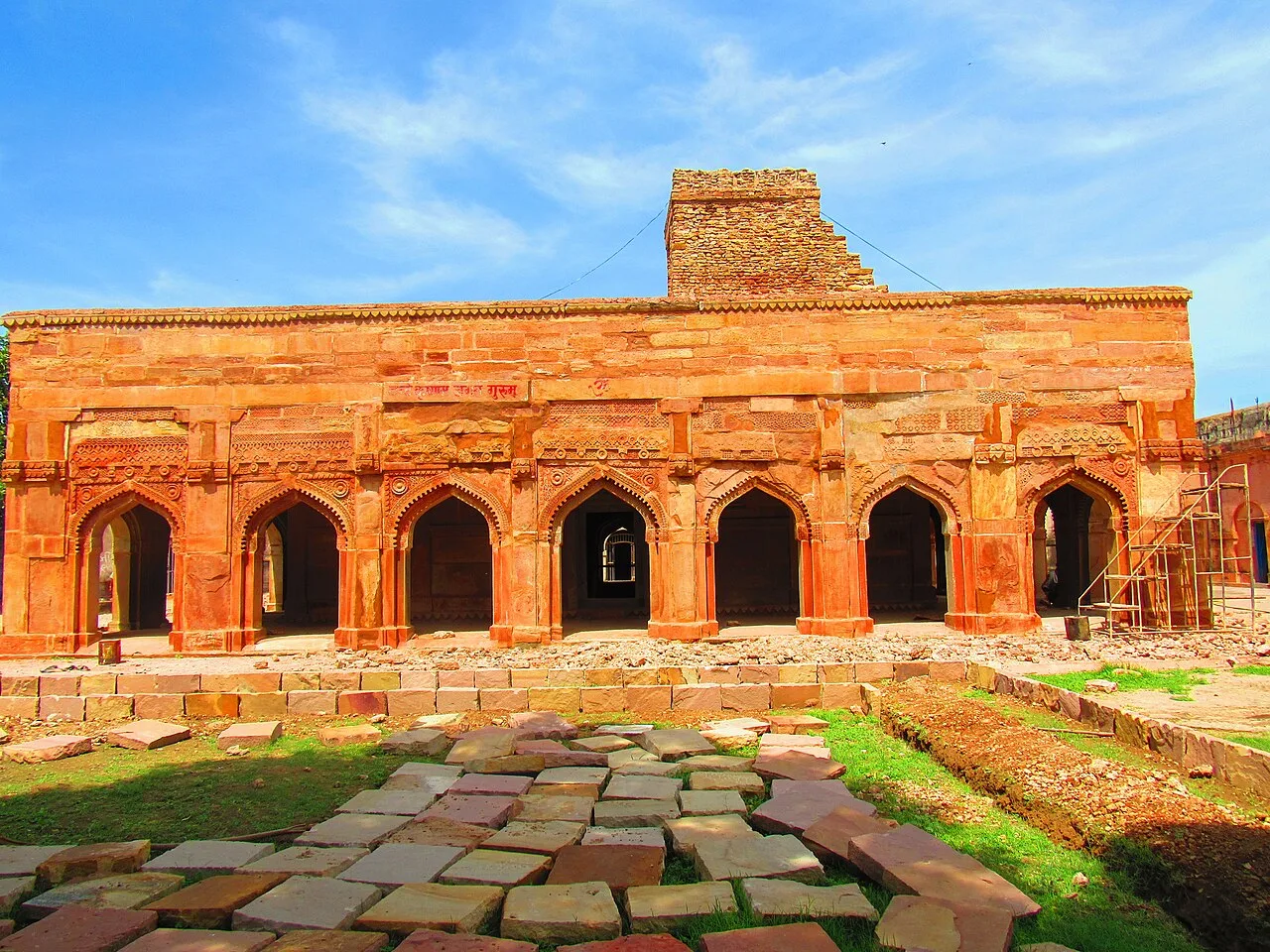
Atala Mosque
Jaunpur2 places to see

Atala Mosque · Shahi Bridge

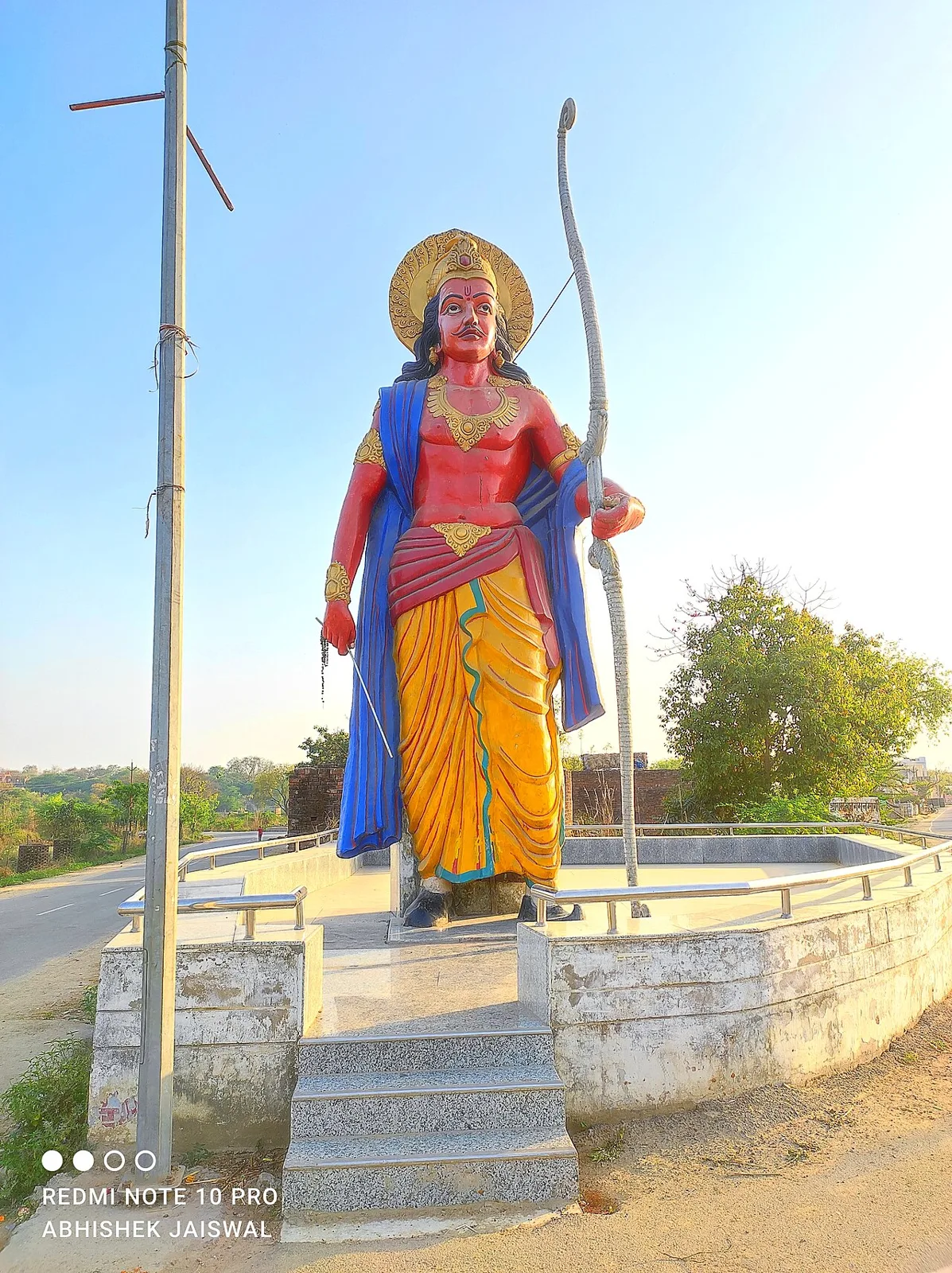
Jetavana
Shravasti2 places to see

Jetavana · Shravasti Buddhist Site

Kalinjar Fort
Atarra1 place to see

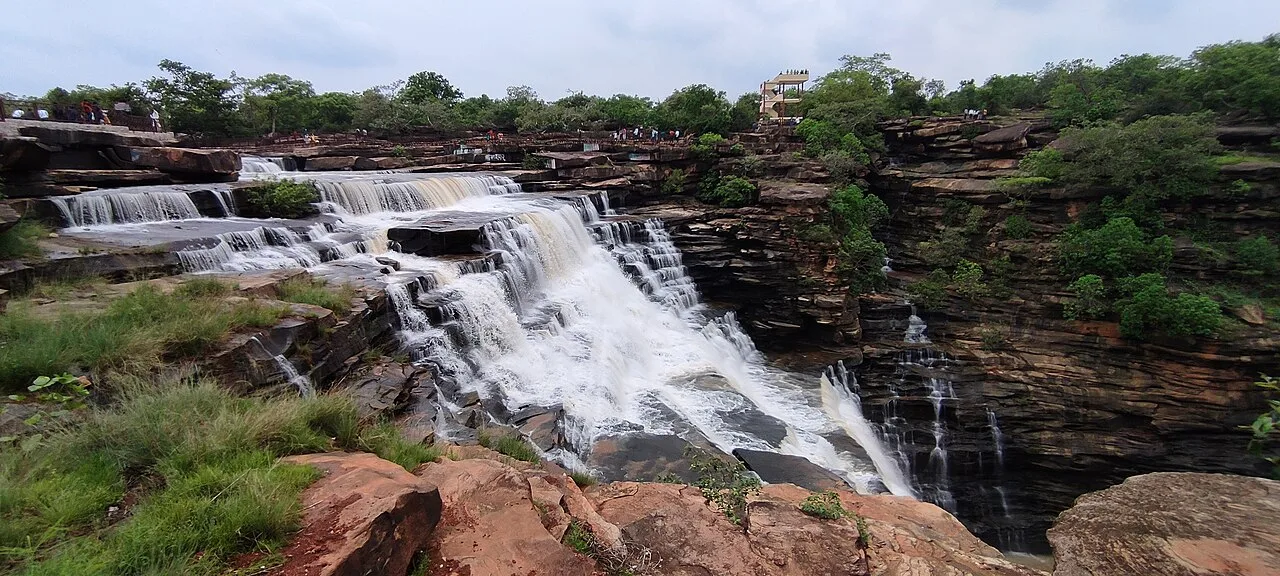
Kalinjar Fort

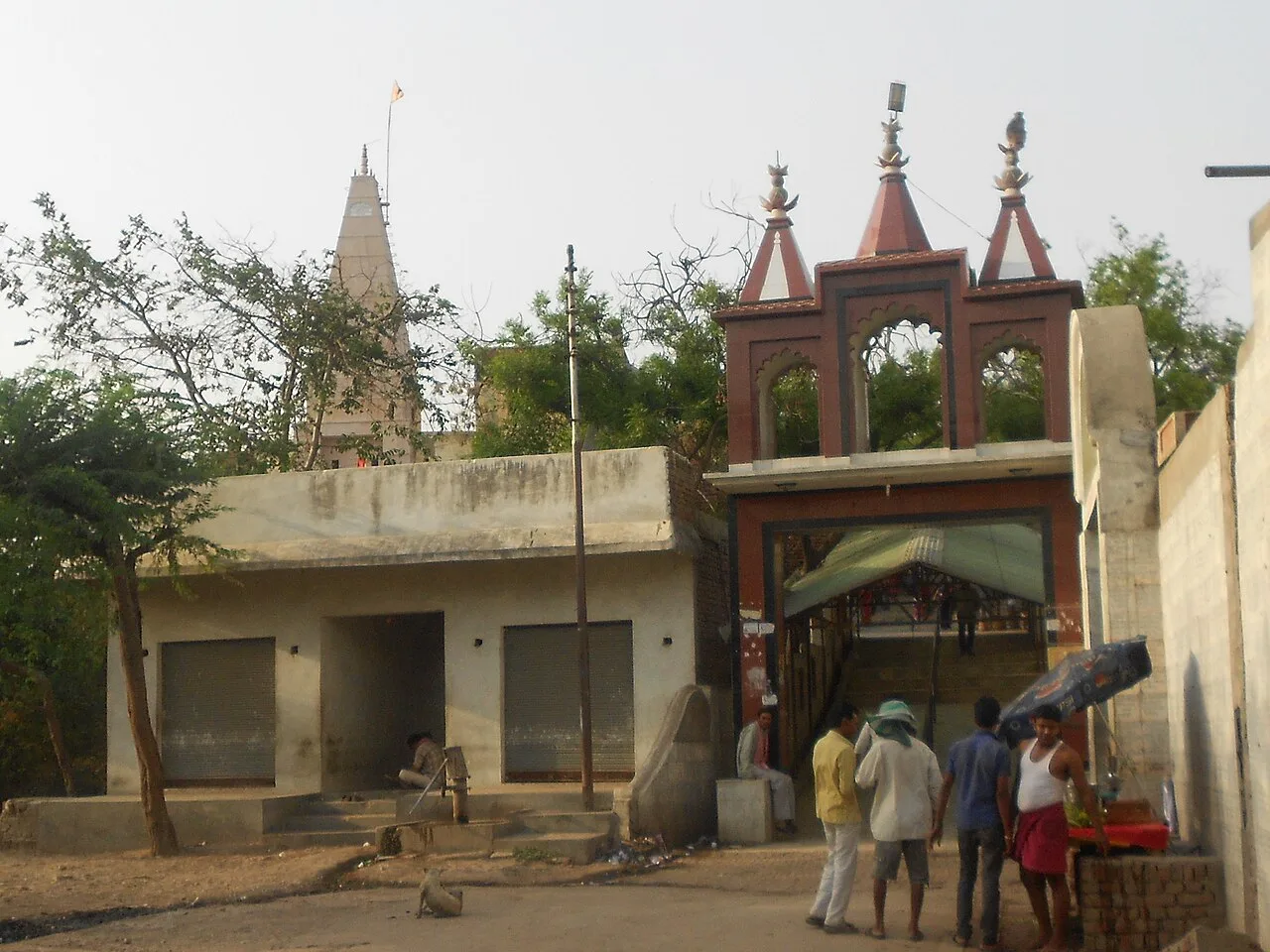
Bateshwar Temples, Agra
Bah1 place to see

Bateshwar Temples, Agra

Barsana Radha Rani Temple
Barsana1 place to see

Sights in and around Barsana

Shringverpur
Bharwari1 place to see

Shringverpur

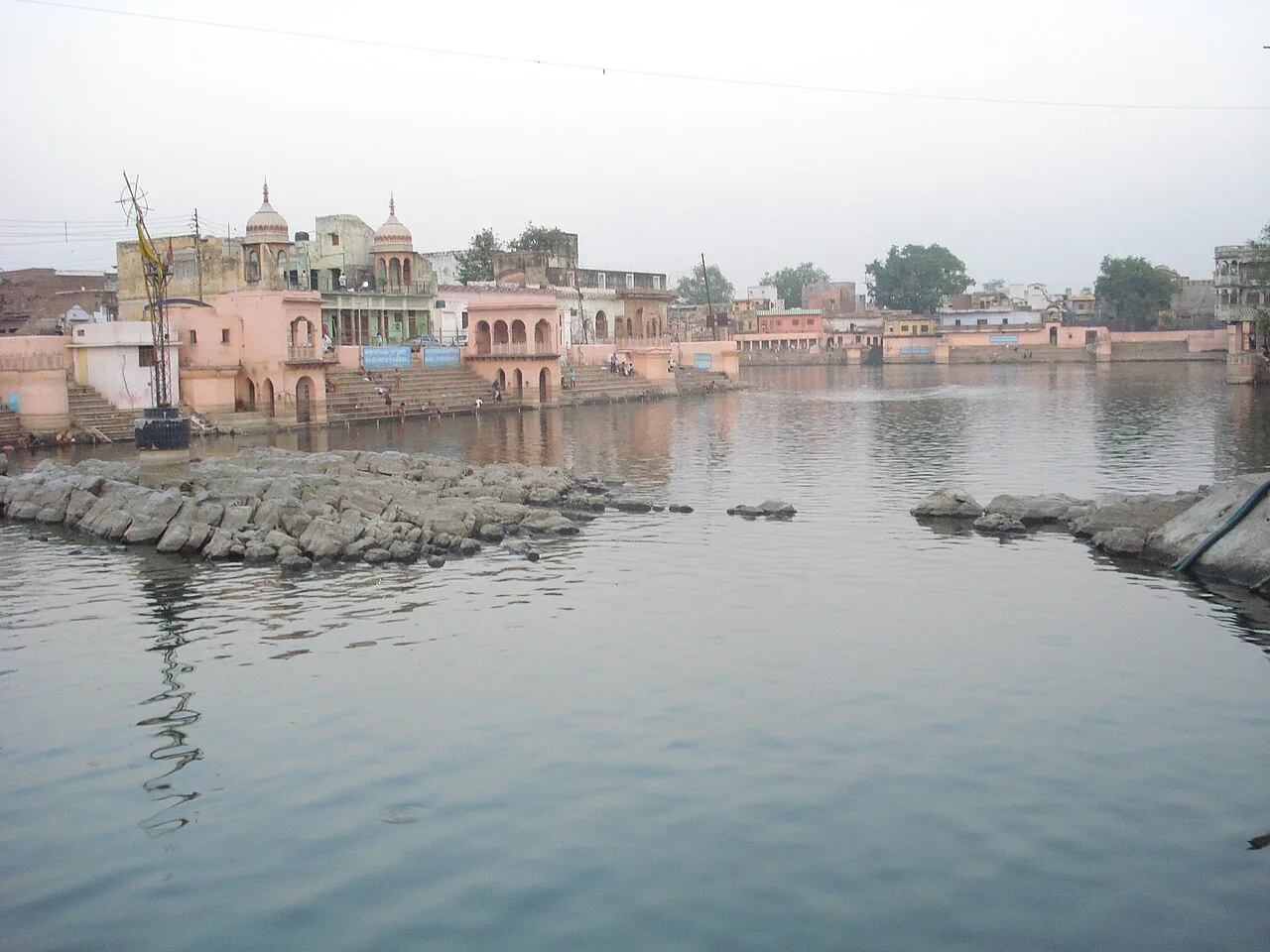
Bithoor Ghats
Bithoor Ghats1 place to see

Sights in and around Bithoor Ghats

Chunar Fort
Chunar1 place to see

Chunar Fort

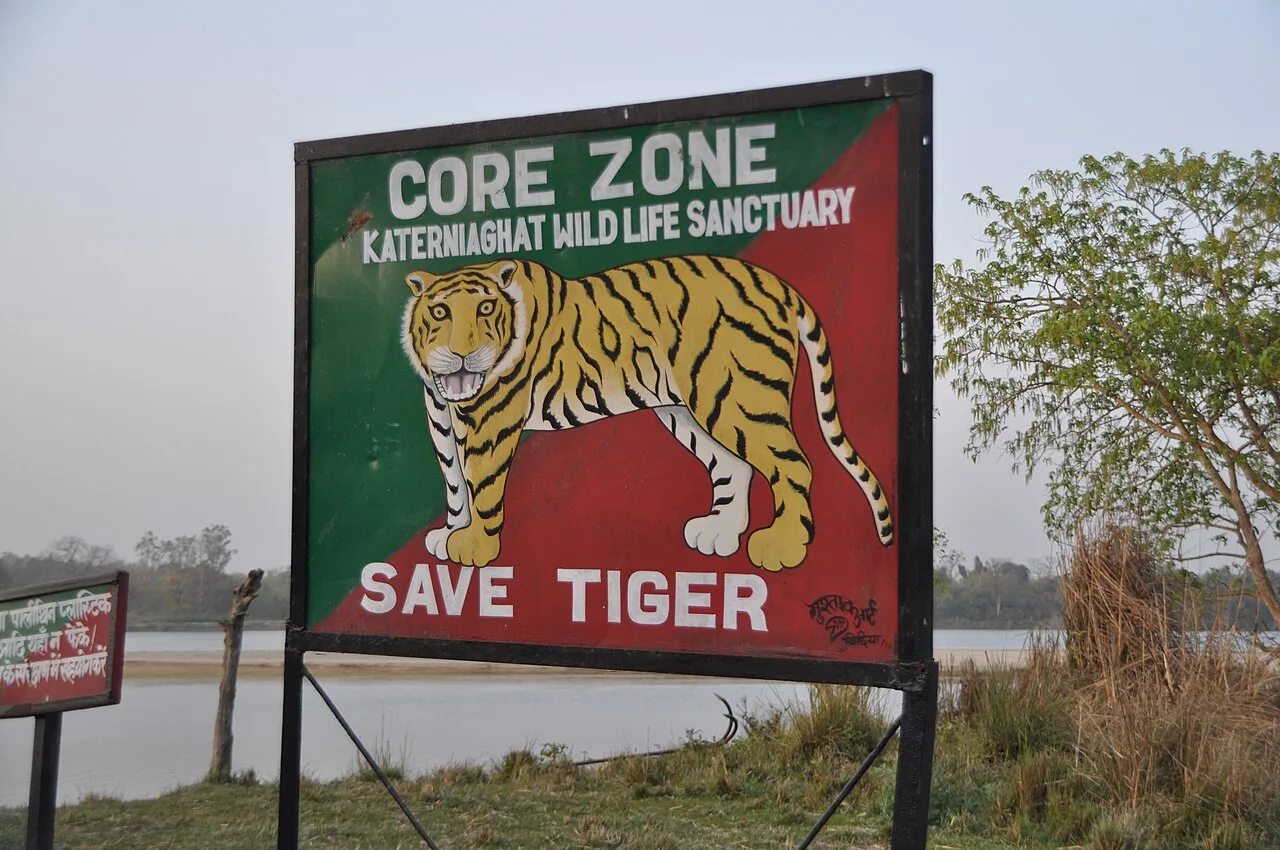
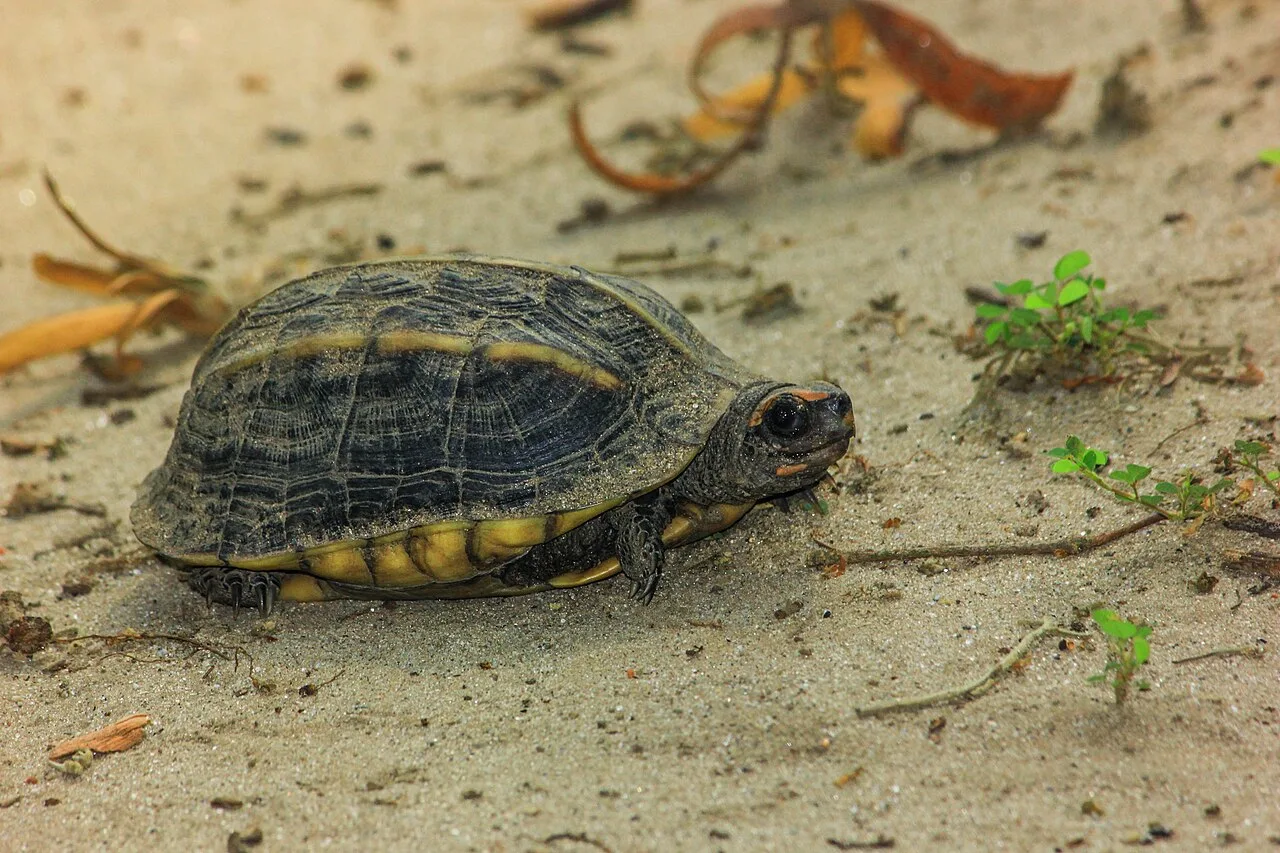
Katarniaghat Wildlife Sanctuary
Dhaurehra1 place to see

Katarniaghat Wildlife Sanctuary

Etawah Safari Park
Etawah1 place to see

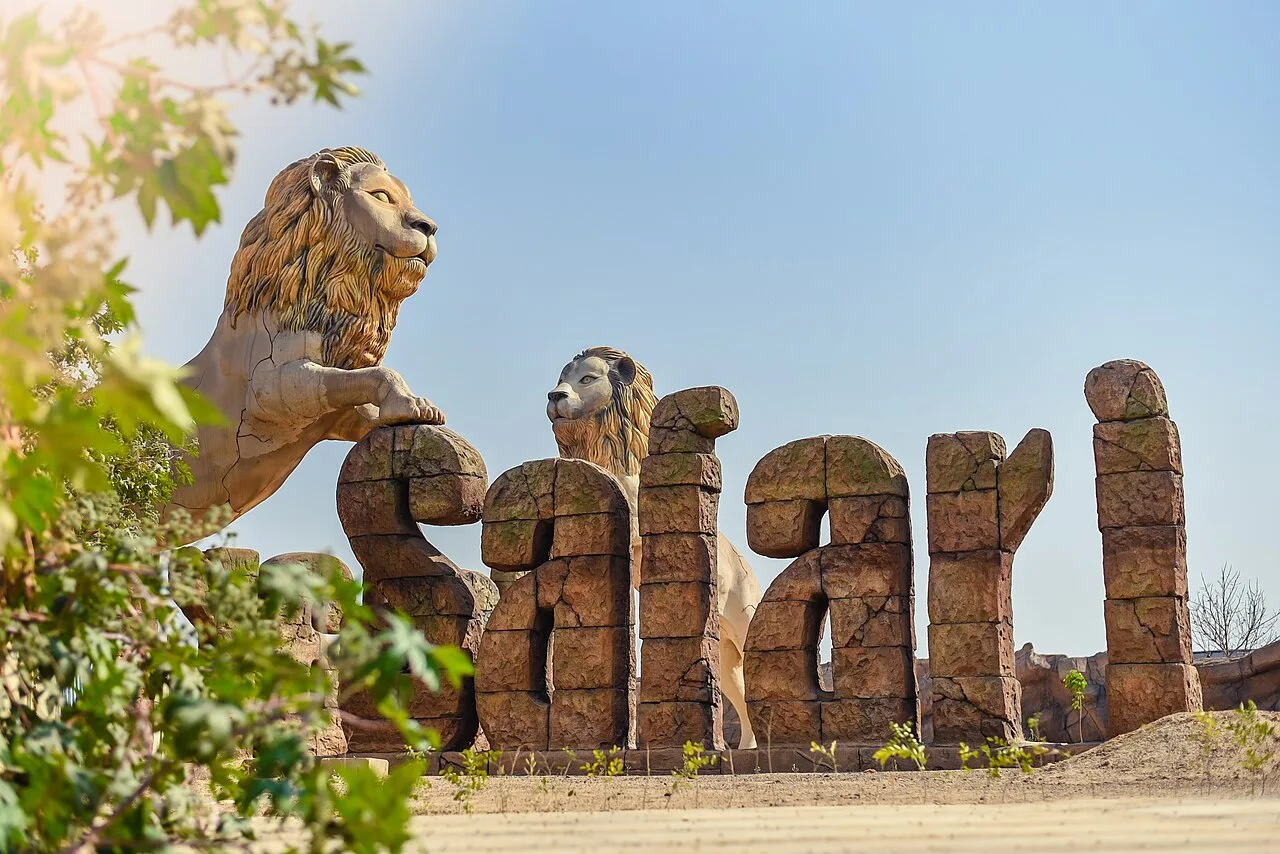
Etawah Safari Park

Gorakhnath Math
Gorakhpur1 place to see

Gorakhnath Math

Hastinapur Heritage Town
Hastinapur1 place to see

Hastinapur Heritage Town

Jhansi Fort
Jhansi1 place to see

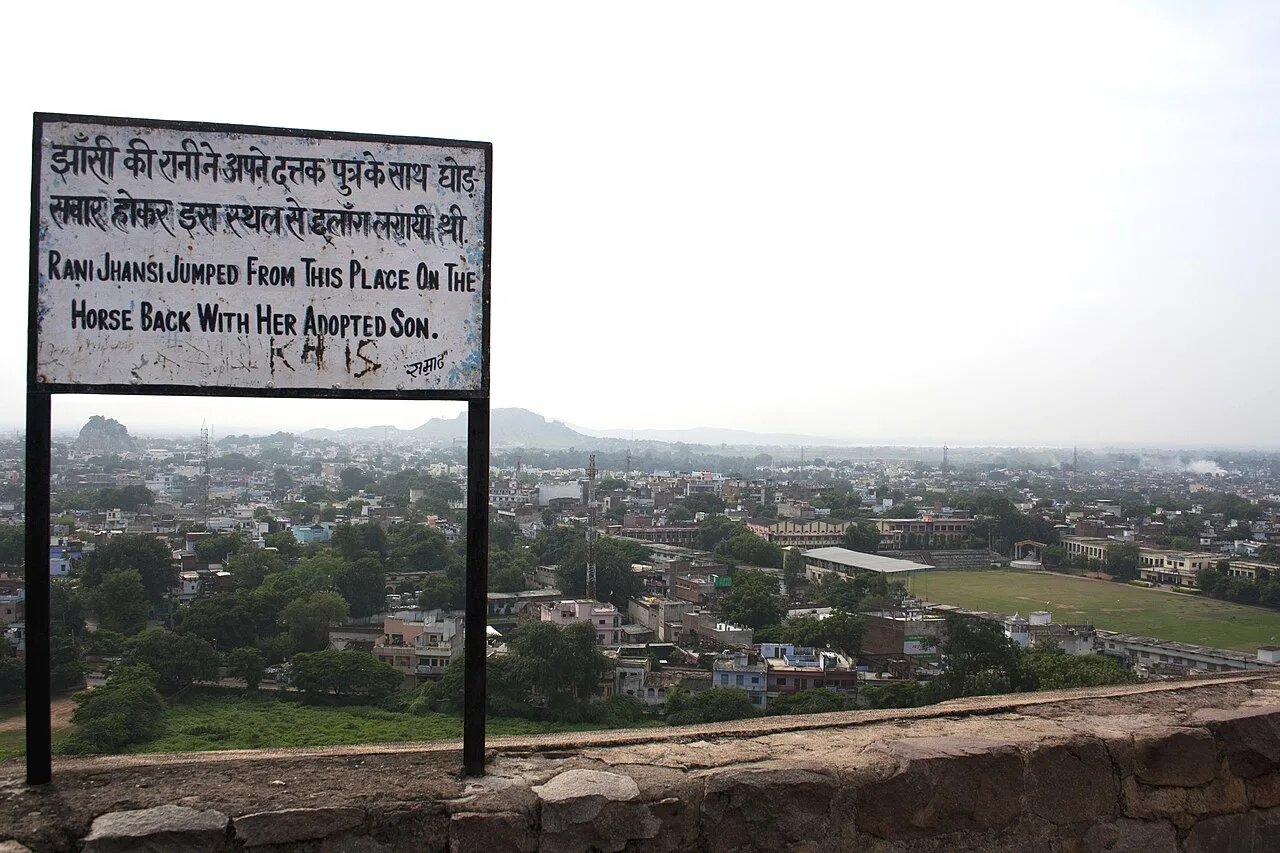
Jhansi Fort

Pilibhit Tiger Reserve
Kalinagar1 place to see

Pilibhit Tiger Reserve

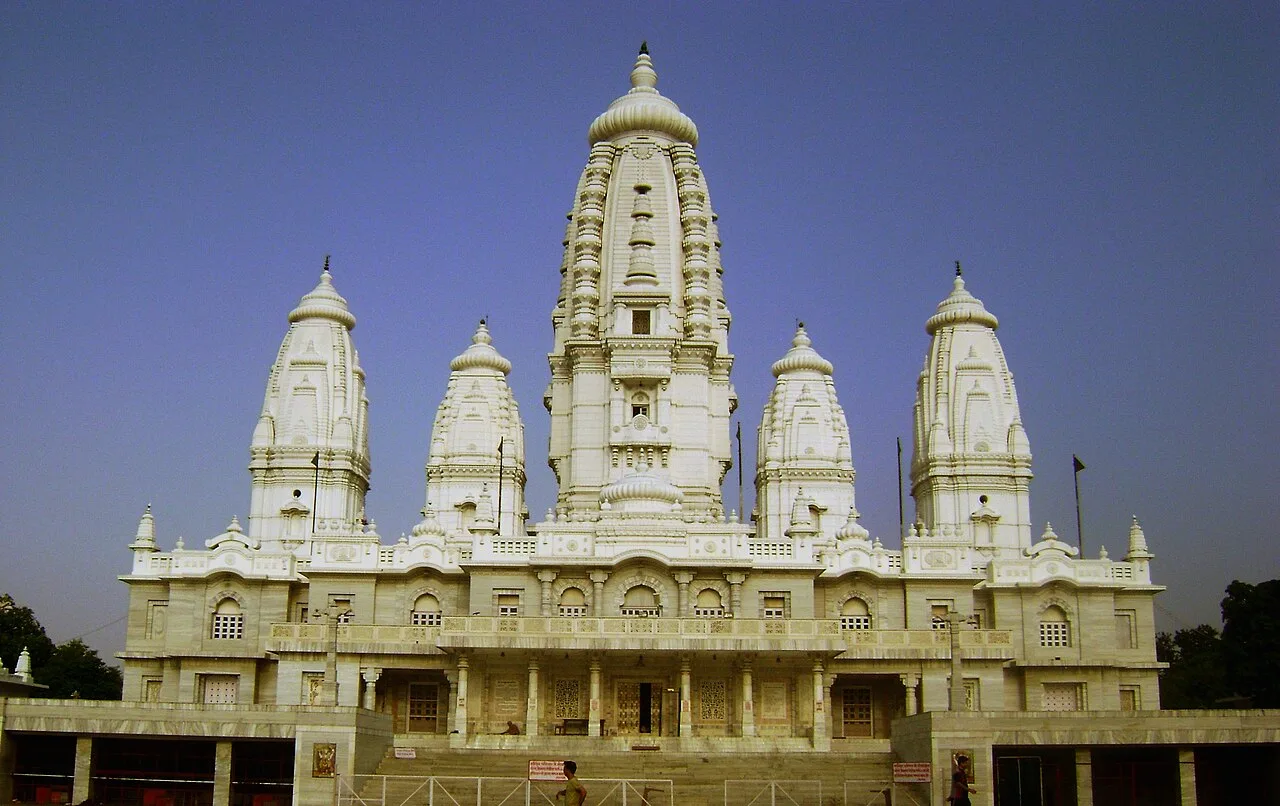
JK Temple
Kanpur1 place to see

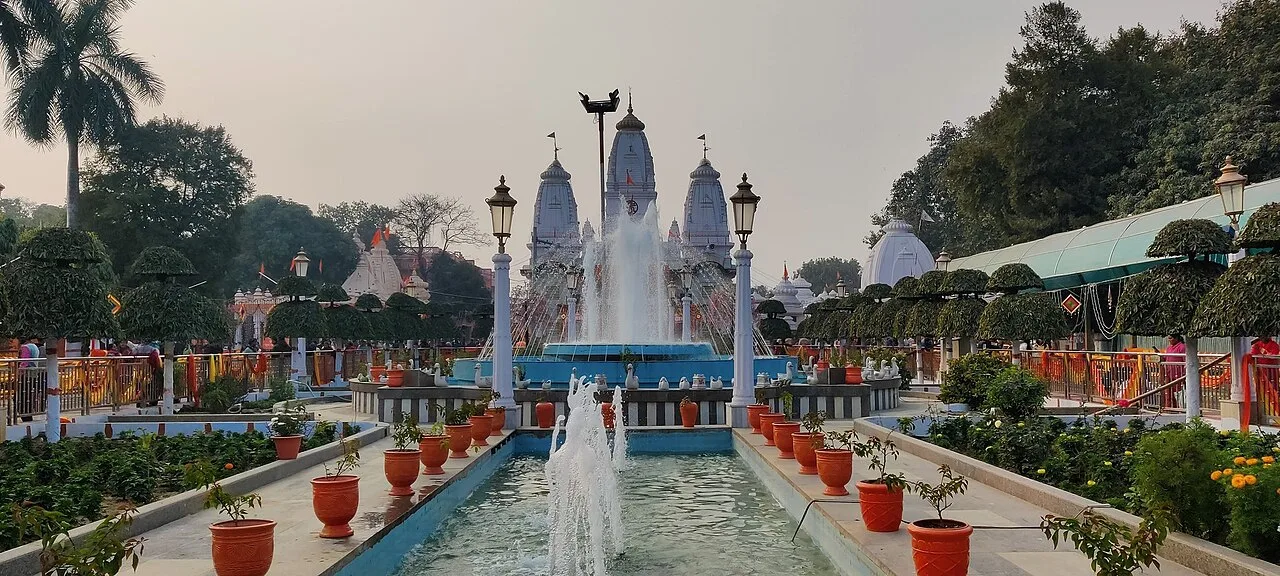
JK Temple

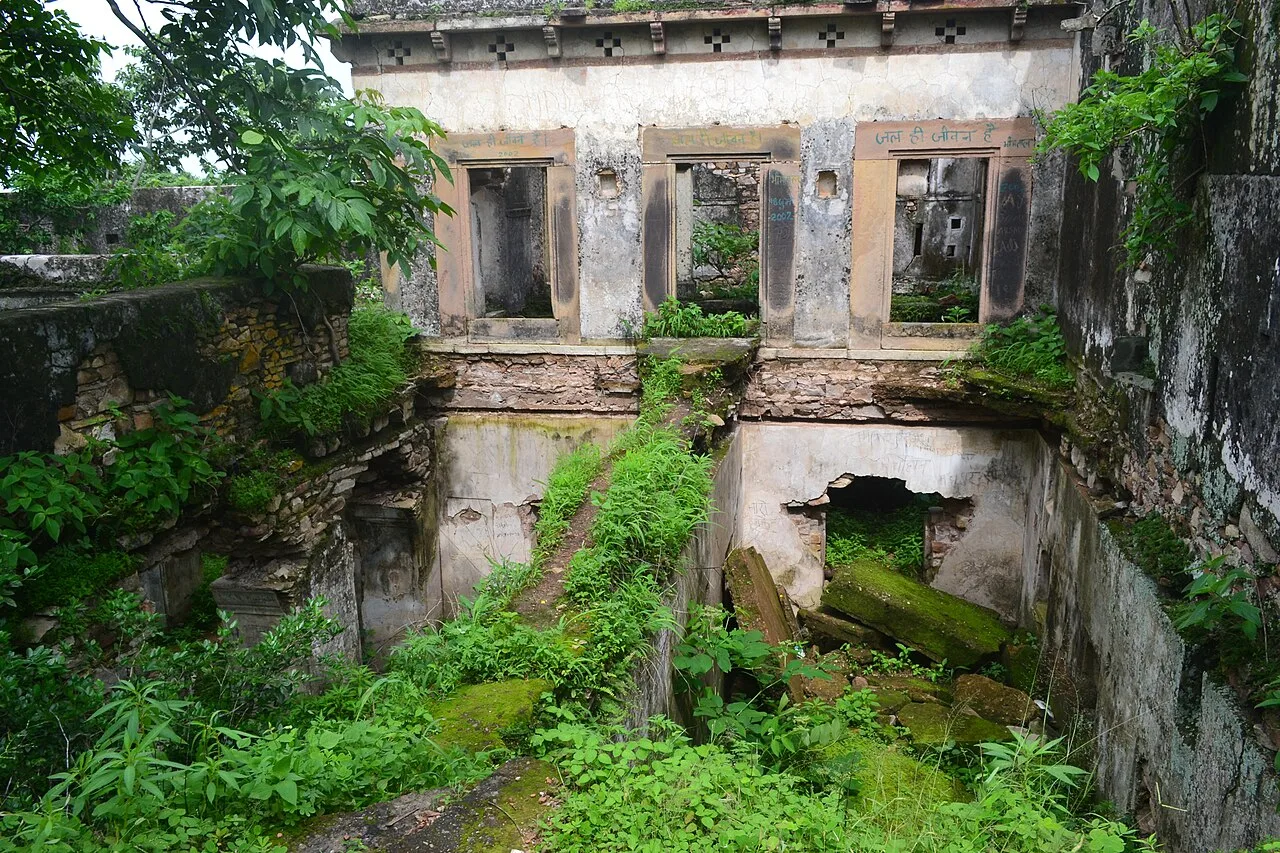
Vijaygarh Fort
Kota1 place to see

Vijaygarh Fort

Kushinagar Buddhist Site
Kushinagar1 place to see

Kushinagar Buddhist Site

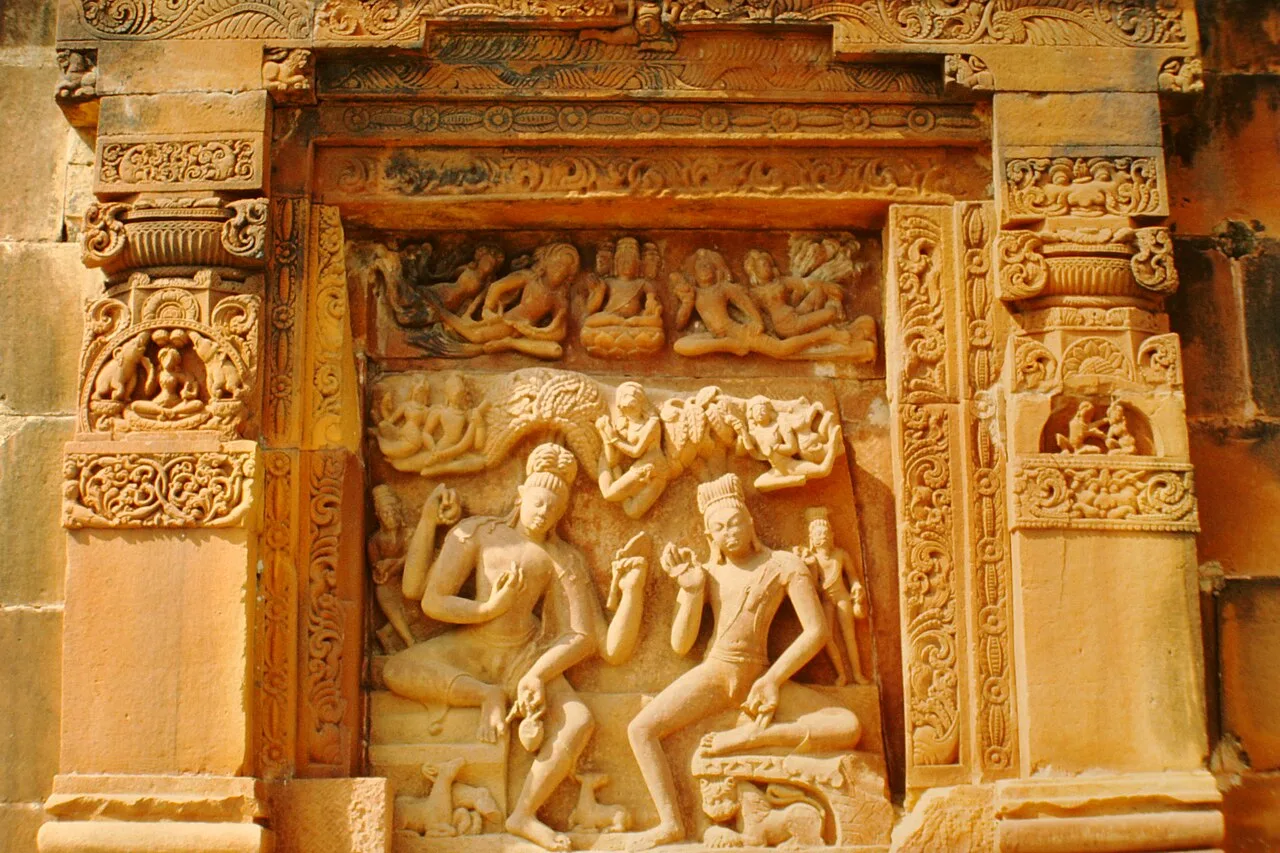
Dashavatara Temple
Lalitpur1 place to see

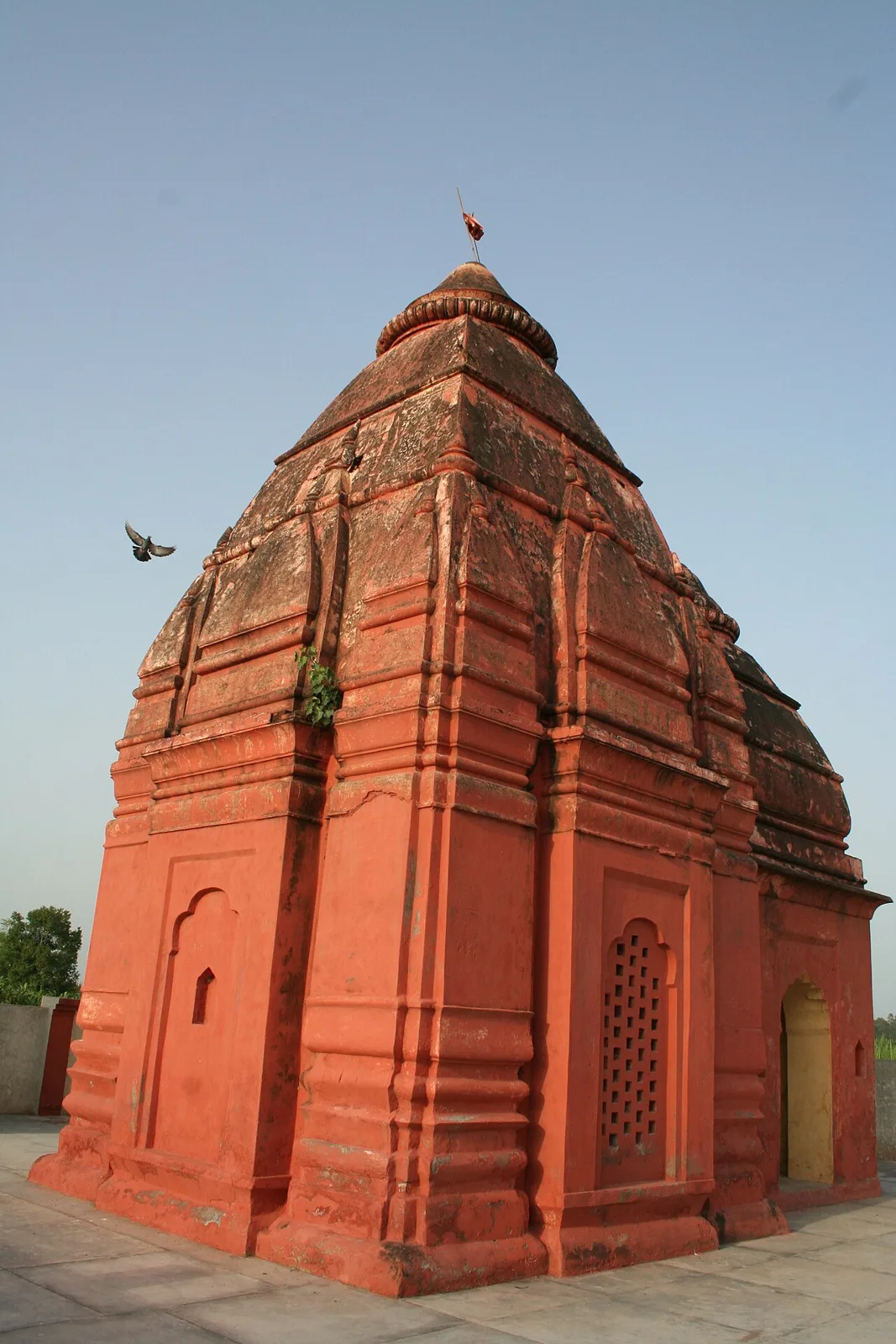
Dashavatara Temple

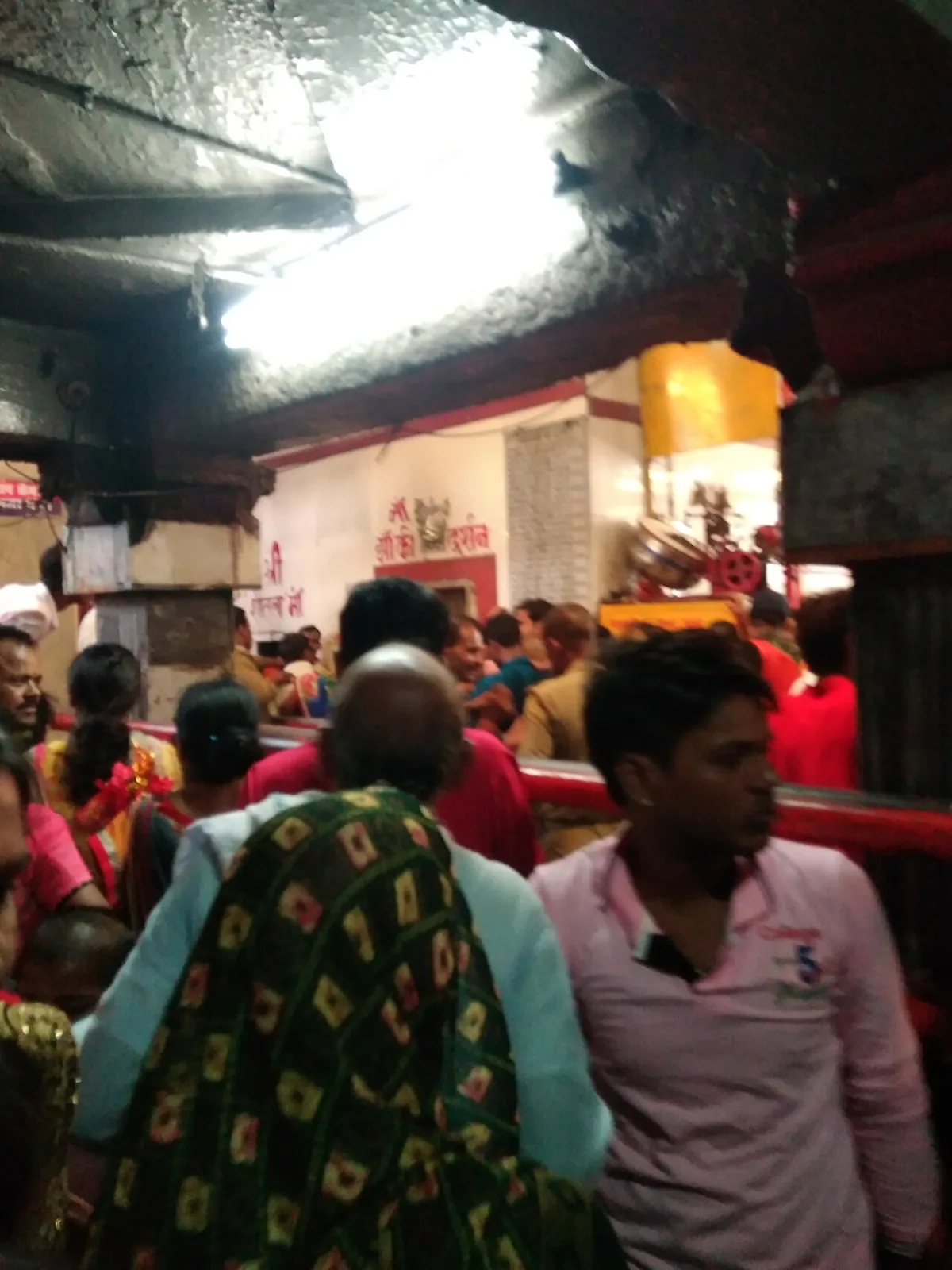
Vindhyavasini Temple, Vindhyachal
Mirzapur1 place to see

Vindhyavasini Temple, Vindhyachal

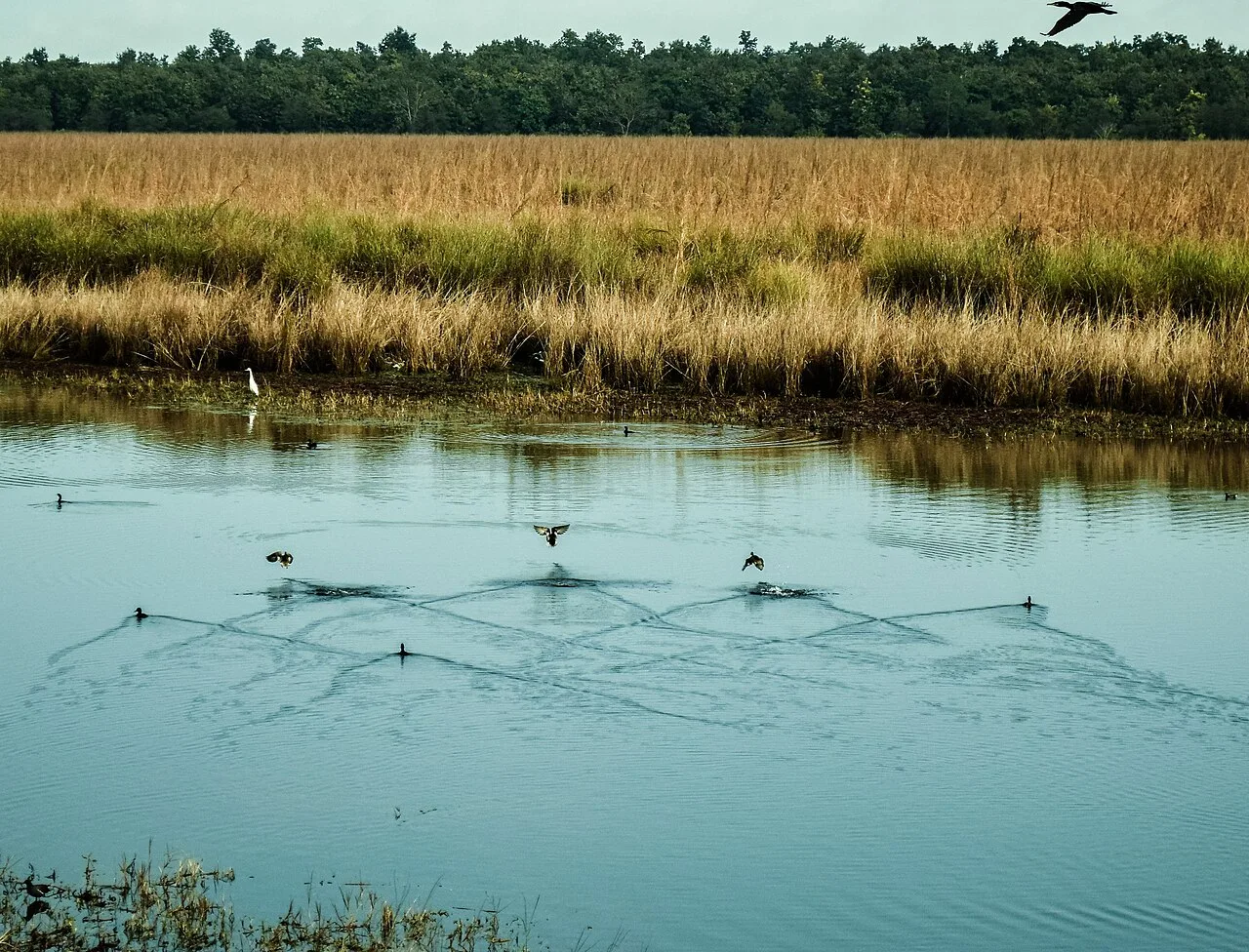
Nawabganj Bird Sanctuary
Mohan1 place to see

Nawabganj Bird Sanctuary

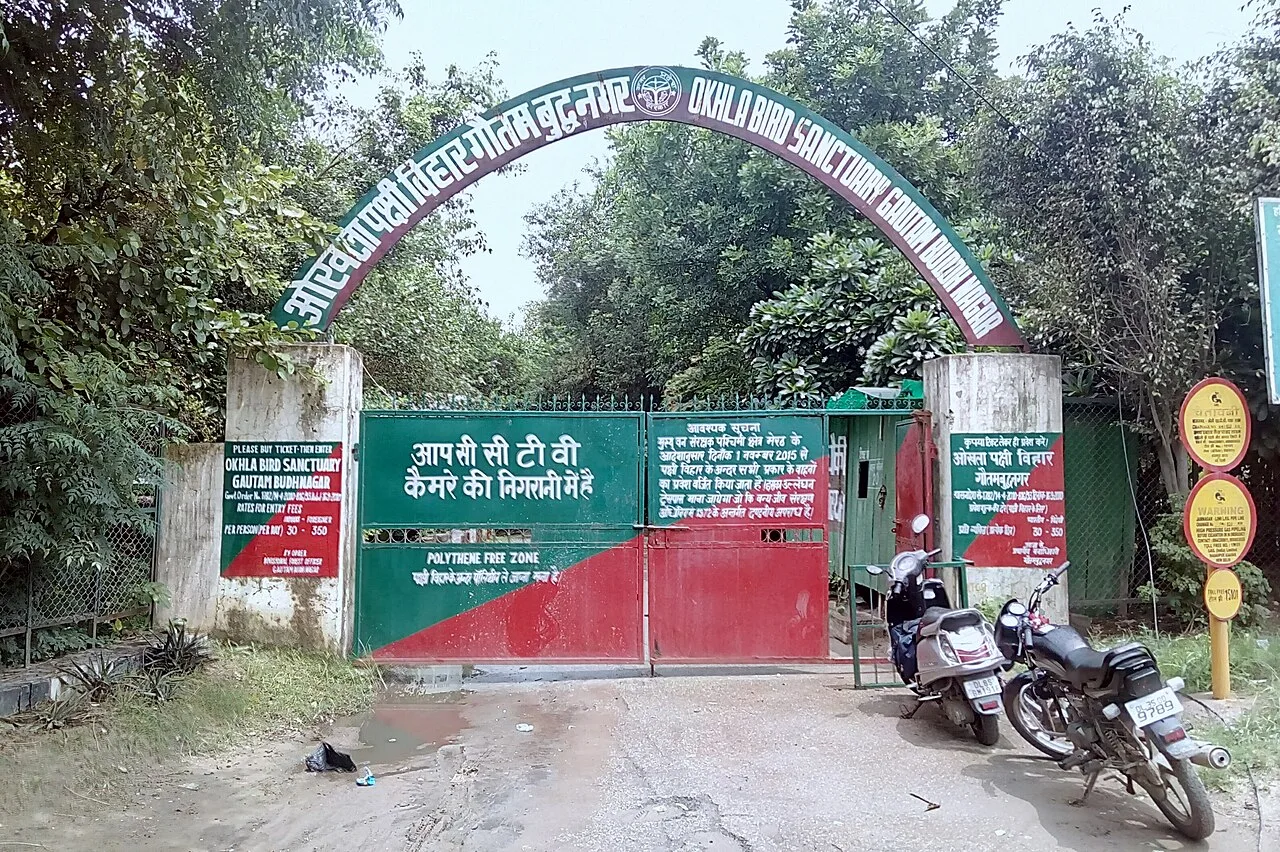
Okhla Bird Sanctuary
Noida1 place to see

Okhla Bird Sanctuary

Dudhwa National Park
Palia Kalan1 place to see

Dudhwa National Park

Rampur Raza Library
Rampur1 place to see

Rampur Raza Library

Salkhan Fossils Park
Robertsganj1 place to see

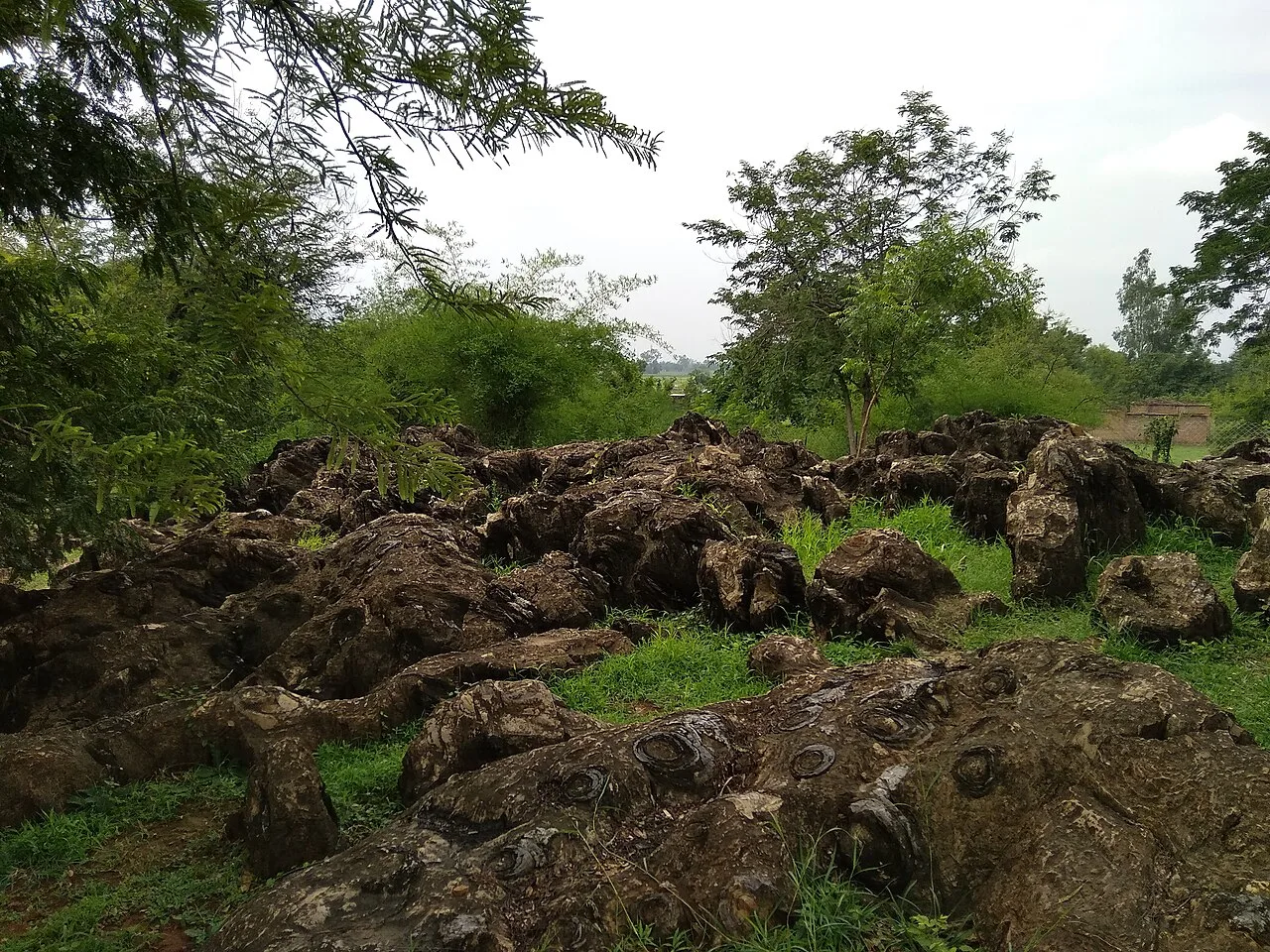
Salkhan Fossils Park

Chandra Prabha Wildlife Sanctuary
Sadat1 place to see

Chandra Prabha Wildlife Sanctuary

Samaspur Bird Sanctuary
Salon1 place to see

Samaspur Bird Sanctuary

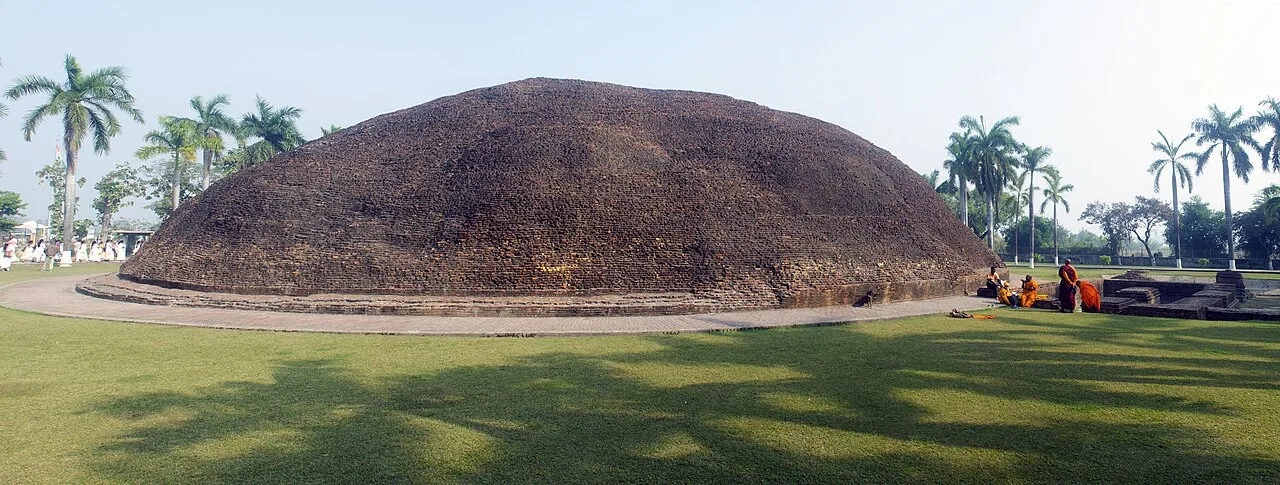
Kaushambi Archaeological Site
Sarai Aquil1 place to see

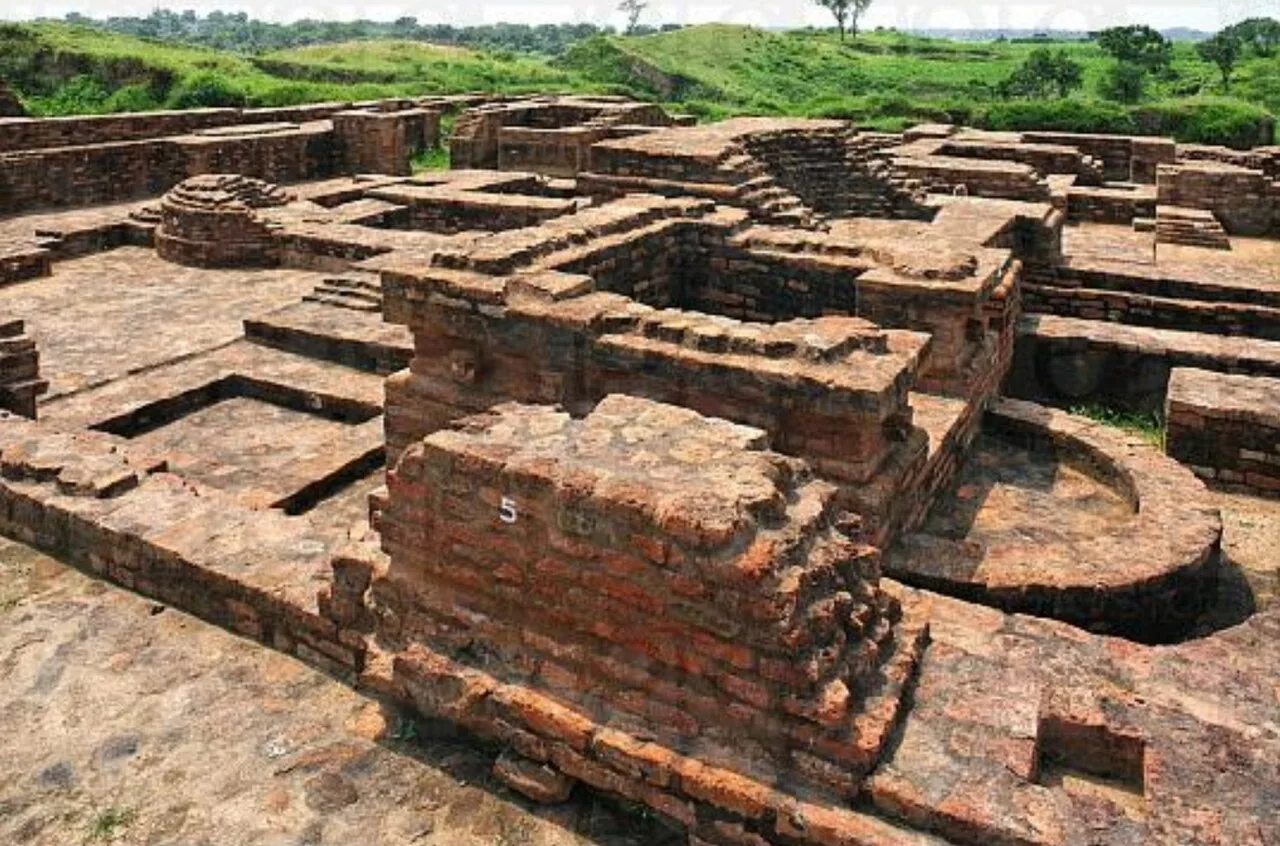
Kaushambi Archaeological Site

More cities of Uttar Pradesh

Away from the cities — 14 more places by district

District discovery

Uttar Pradesh: 29 districts covered

Open a district to see its destinations and neighbours. More districts are added as our team writes them.

29 of 29 districts have destination guides

Destinations

Every guide in this state

Open a district to see its cities and towns, villages and places to see.

Agra15 places
Ayodhya5 places
Bahraich1 place
Banda1 place

Places to see

Chandauli1 place
Etawah1 place

Places to see

Gautam Buddh Nagar1 place
Gorakhpur2 places
Jaunpur2 places
Jhansi2 places
Kanpur Nagar3 places
Kaushambi1 place
Kushinagar3 places
Lakhimpur Kheri1 place
Lalitpur1 place

Places to see

Lucknow11 places
Mathura14 places
Meerut2 places
Mirzapur3 places
Pilibhit1 place
Prayagraj8 places
Raebareli1 place
Rampur1 place

Places to see

Saharanpur1 place
Shravasti2 places
Sitapur1 place

Places to see

Sonbhadra2 places
Unnao1 place
Varanasi14 places

Festivals & fairs

The calendar here

Full calendar

Oct – Nov

Diwali (Deepavali)

Across India; best known in Ayodhya, Varanasi, Amritsar, Jaipur, Mumbai, Kolkata and Delhi · Religious

Five days of lamps, Lakshmi puja, sweets and family visits, from Dhanteras to Bhai Dooj.

Feb – Mar

Holi

Across India; best known in Mathura, Vrindavan, Barsana and Nandgaon · Harvest

The spring festival of colours: a Holika bonfire on the full moon, then a day of coloured powder and water.

Festivals of Uttar Pradesh through the year

Usual season and where each is best known. Exact dates follow local calendars — linked festivals have dated guides.

  • Kumbh and Magh MelaJanuary–FebruaryPrayagraj (Kumbh every 12 years, Ardh Kumbh at 6).
  • Lathmar HoliFebruary–MarchBarsana and Nandgaon, Mathura district.
  • Janmashtami and HoliMathura and Vrindavan.
  • DeepotsavDiwali eveAyodhya.
  • Dev DeepawaliNovemberVaranasi, with lamps lit along the ghats.
  • Ramlila of RamnagarSeptember–OctoberVaranasi district, a month-long performance.
  • Taj MahotsavFebruaryAgra.
  • Kanwar YatraJuly–AugustWestern UP districts such as Meerut and Muzaffarnagar.
  • Bateshwar FairOctober–NovemberAgra district.
  • Muharram processionsLucknow.
  • Ganga MahotsavNovemberVaranasi.
From travellers and locals

Be the first to share photos, stories, advice or a helpful contact for Uttar Pradesh.

Loading…