Ghumoopedia — Explore, Discover, Experience
Sign in
Pilibhit Tiger Reserve, near Puranpur

City guide · Uttar Pradesh

Puranpur

Puranpur is a municipal town in Pilibhit district, in the Terai belt of northern Uttar Pradesh. Its importance is chiefly regional: it serves nearby settlements with shops, local services and civic facilities, and is part of a wider countryside shaped by farming.

Famous for

  • Mini Punjab identity
  • Sikh community and heritage
  • Pilibhit district town
  • Regional agricultural trade
  • Uttar Pradesh Terai setting

Why Puranpur matters

Puranpur is a municipal town in Pilibhit district, in the Terai belt of northern Uttar Pradesh. Its importance is chiefly regional: it serves nearby settlements with shops, local services and civic facilities, and is part of a wider countryside shaped by farming. Rather than a destination centred on major monuments or a nationally known industry, Puranpur is notable for its distinctive community identity and everyday small-town life.

The town is often called “Mini Punjab” because of its substantial Sikh population, whose presence became especially significant in the period following Partition in 1947. That heritage is reflected in local religious and cultural life. Visitors may come to meet relatives, attend community occasions or explore the town as part of a journey through Pilibhit district. Puranpur is best approached as a lived-in regional centre: its interest lies in the mix of Uttar Pradesh and Punjabi influences, its local bazaars and its connection to the surrounding agricultural landscape, rather than in a formal itinerary of famous attractions.
Famous for: crafts, trade & products

Puranpur is not widely identified with a particular textile, saree, handicraft or GI-tagged product. Its commercial character is more local than specialised: shops and bazaars serve residents and neighbouring villages with everyday goods, household needs and services. The central bazaar is the most practical place to browse local retail activity or ask about seasonal produce and nearby trading points. There is no single signature shopping street or product district that visitors should expect to find.

The town belongs to an agricultural region, so local commerce is connected to the needs of farming communities and the movement of farm goods. However, Puranpur is better described as a service and market town than as a manufacturing centre with a celebrated export. Visitors looking for regional crafts or recognised district products should ask in shops for goods from across Pilibhit rather than assume they are made in Puranpur. For a sense of the town’s identity, its busiest everyday shops and its Sikh community institutions are more representative than a specialised souvenir market.

History

Puranpur’s history is best understood through its place in the rural and administrative landscape of Pilibhit district, rather than through a prominent royal court or a succession of celebrated local rulers. Like other towns in the region, it developed as a centre serving surrounding settlements and agricultural communities. During the colonial period, the area formed part of the district’s revenue and administrative system; Puranpur’s identity remained that of a local town rather than a major imperial or princely capital.

A defining change in its modern social history followed the Partition of India in 1947. Migration and resettlement in the years around Partition helped establish the substantial Sikh presence for which Puranpur is now known. The nickname “Mini Punjab” reflects this lasting community influence. In contemporary Uttar Pradesh, Puranpur is governed as a municipal board town. Its civic structure is divided into 25 wards, with municipal elections held every five years, while local growth continues to serve residents and nearby rural settlements.

Food, festivals & culture

Puranpur’s culture brings together regional Uttar Pradesh traditions and a strong Punjabi Sikh presence. Hindi is widely used, while Punjabi is important within many Sikh households and community settings; Urdu is also part of the broader linguistic life of the region. Gurdwaras provide places for prayer, devotional singing and community gathering, alongside other local places of worship. Kirtan is central to Sikh devotional practice, and Punjabi music and dances such as bhangra and giddha may feature at festive or family celebrations.

Gurpurabs and Vaisakhi are significant occasions for Sikh residents; Vaisakhi usually falls in spring. Hindu festivals such as Holi in spring and Diwali in autumn are also observed, alongside Muslim festivals in the town’s wider community. Food is generally drawn from familiar north Indian home cooking, with Punjabi influences in some kitchens and eateries. Visitors can look for everyday dishes such as breads, lentils and seasonal vegetable preparations, but Puranpur is not especially known for a single signature dish or sweet. Festival menus and family gatherings offer the clearest glimpse of local food traditions.

Visiting the city

October to March is generally the most comfortable period to visit, with cooler weather than the hot summer months and monsoon season. Bareilly Airport is generally the nearest practical airport; check current flight availability before planning around it. The town’s main rail access is Puranpur railway station. Local journeys are usually made by auto-rickshaw, cycle-rickshaw or taxi, with private transport useful for reaching nearby rural areas.

For a short visit, explore the central bazaar and the surrounding commercial streets to see everyday town life. Ask locally about visiting gurdwaras and other places of worship, observing community etiquette and prayer times. The outskirts provide a view of the agricultural landscape, but arrange transport in advance if going beyond the town. Puranpur works well as a regional stop rather than a destination with a large concentration of formal visitor attractions.

Trips from the city

Nearest places to visit from Puranpur

Our closest destination guides, by straight-line distance.

Pilibhit Tiger Reserve

24 km away · Pilibhit district

Pilibhit Tiger Reserve

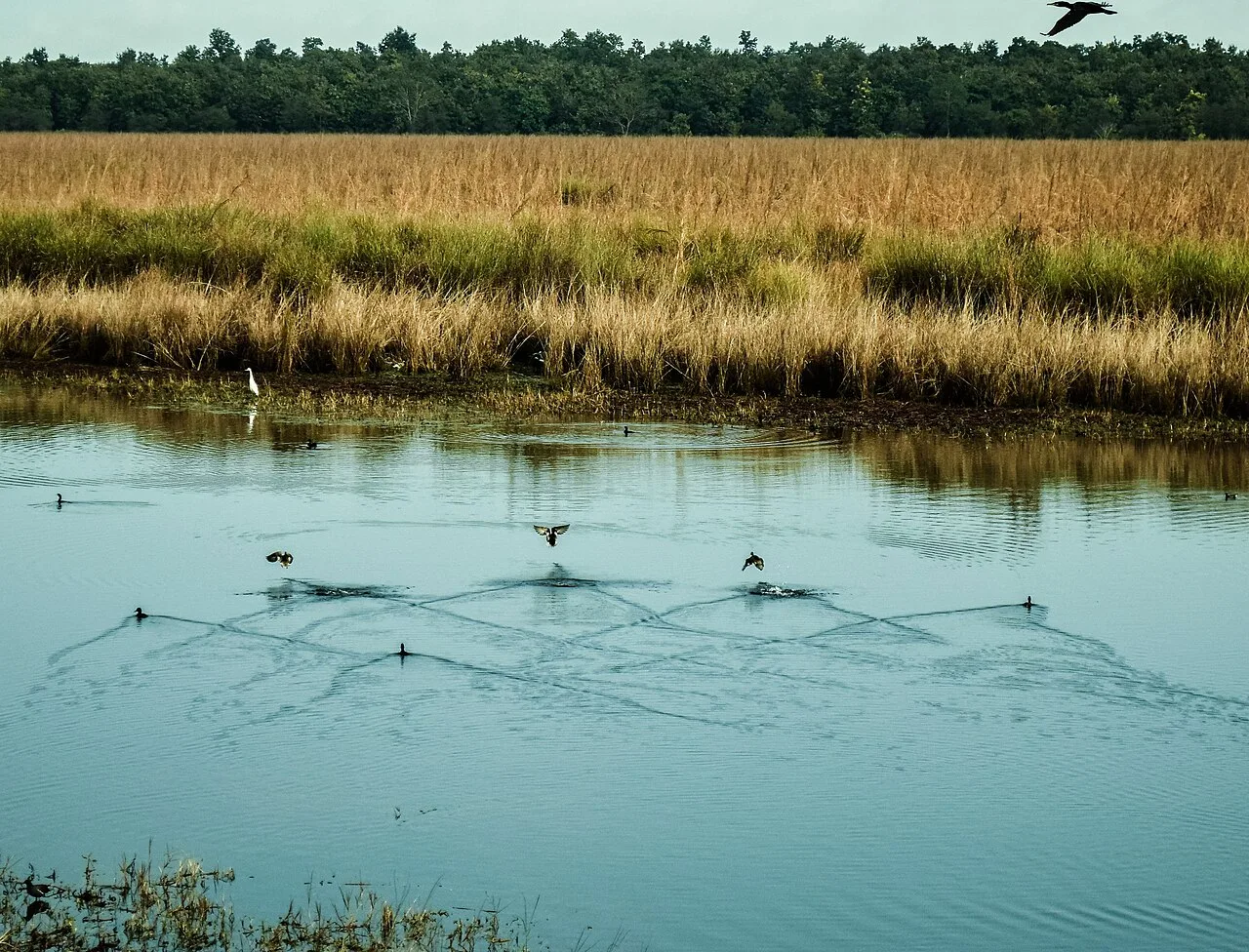
Pilibhit Tiger Reserve is a protected tiger habitat in Uttar Pradesh’s Pilibhit district, designated in 2014. Visitors come to explore its forests, grasslands, wetlands and wildlife, including tigers and deer.

Dudhwa National Park

52 km away · Lakhimpur Kheri district

Dudhwa National Park

Dudhwa National Park is a protected area in Uttar Pradesh’s northern Terai, known for its marshy grassland setting. Visitors come to experience this landscape and explore a park within the Dudhwa Tiger Reserve.

Katarniaghat Wildlife Sanctuary

98 km away · Bahraich district

Katarniaghat Wildlife Sanctuary

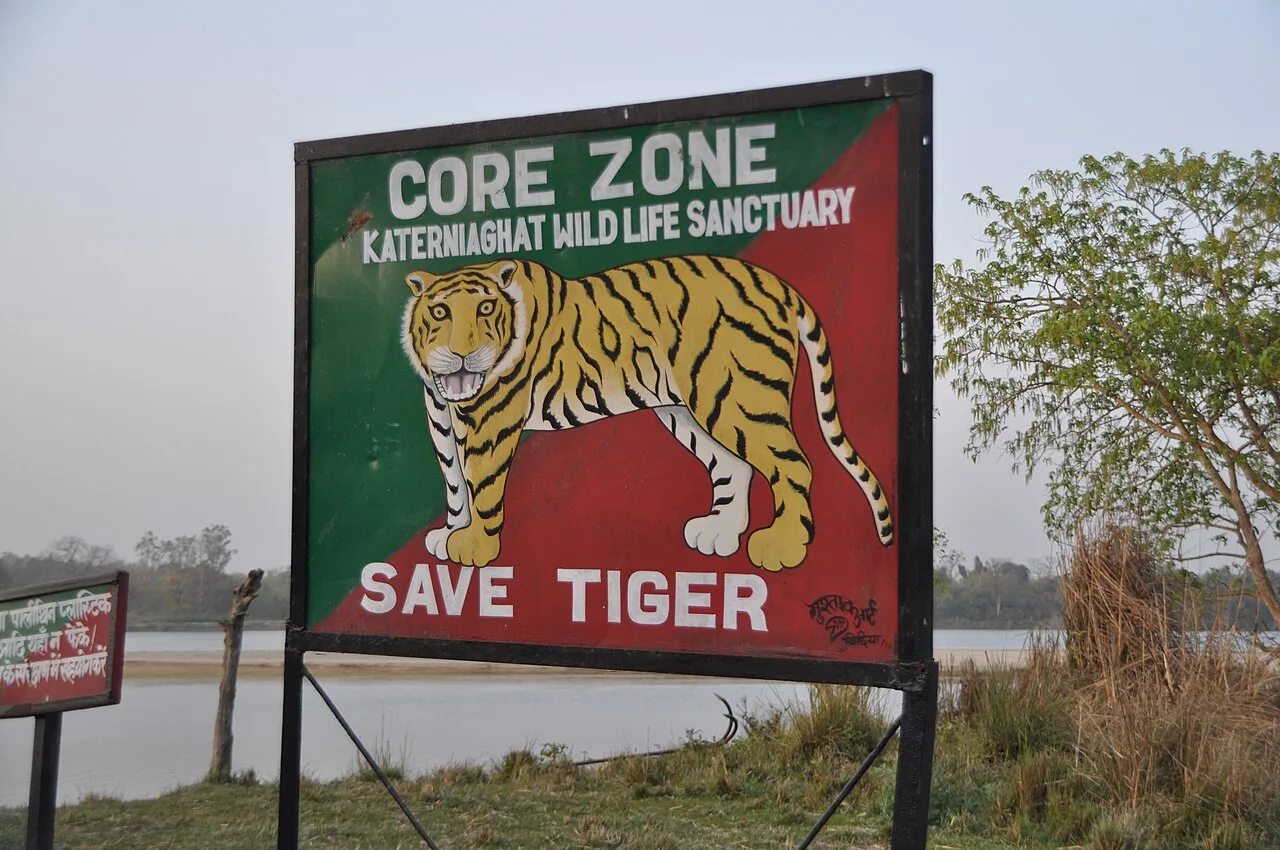
Katarniaghat Wildlife Sanctuary is a protected area in Uttar Pradesh’s Bahraich district, visited by people interested in wildlife and its connection with the Dudhwa Tiger Reserve.

Rampur Raza Library

115 km away · Rampur district

Rampur Raza Library

In Rampur, Uttar Pradesh, the Rampur Raza Library preserves Indo-Islamic cultural heritage dating to the late eighteenth century. Visitors come to see its manuscripts, artworks, historical records and varied printed collection.

Chota Imambara

197 km away · Lucknow district

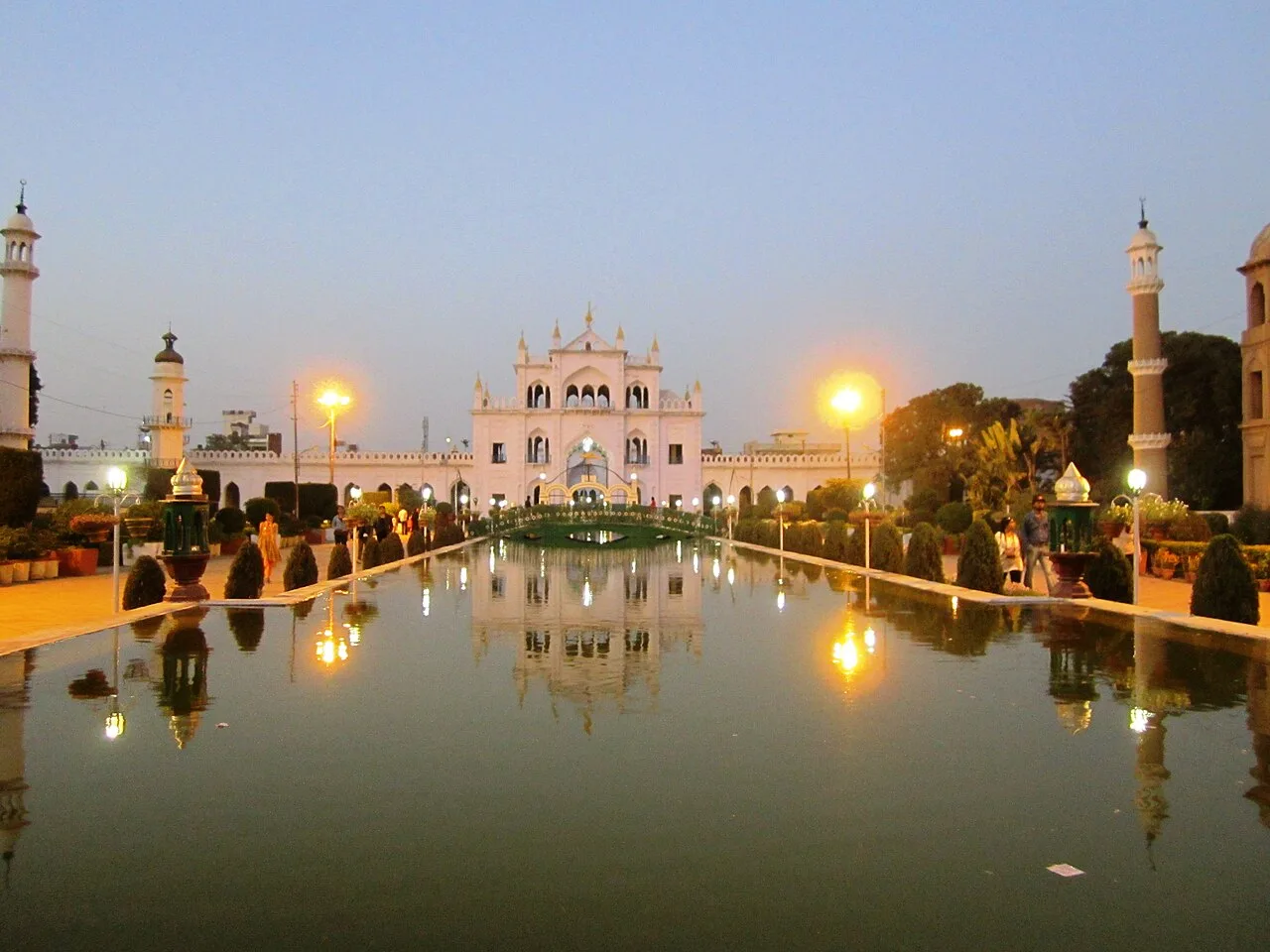
Chota Imambara

Chota Imambara, also called Imambara Hussainabad Mubarak, is a Shia religious hall and mausoleum in Lucknow. Visitors come to see its decorated interiors, calligraphy and distinctive ceremonial features.

Husainabad Clock Tower

197 km away · Lucknow district

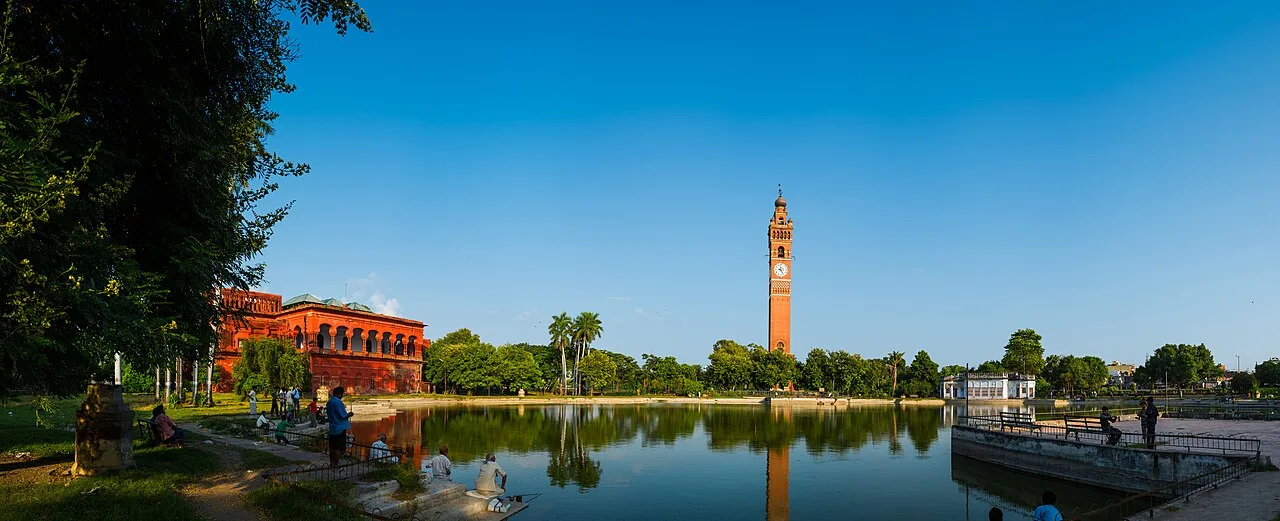
Husainabad Clock Tower

Husainabad Clock Tower is a historic structure in Lucknow, Uttar Pradesh, built to commemorate an official’s arrival. Visitors come to see its combination of Mughal and Victorian architectural features.

Bara Imambara

198 km away · Lucknow district

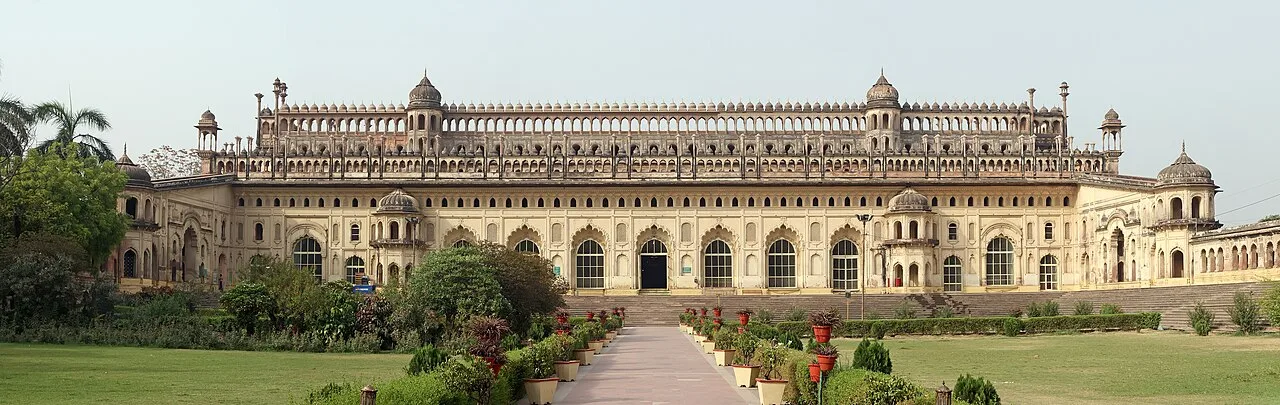
Bara Imambara

Bara Imambara, also known as the Asafi Imambara, is a religious complex in Lucknow. Visitors come to see its imambara and mosque and its status as a nationally important monument.

Rumi Darwaza

199 km away · Lucknow district

Rumi Darwaza

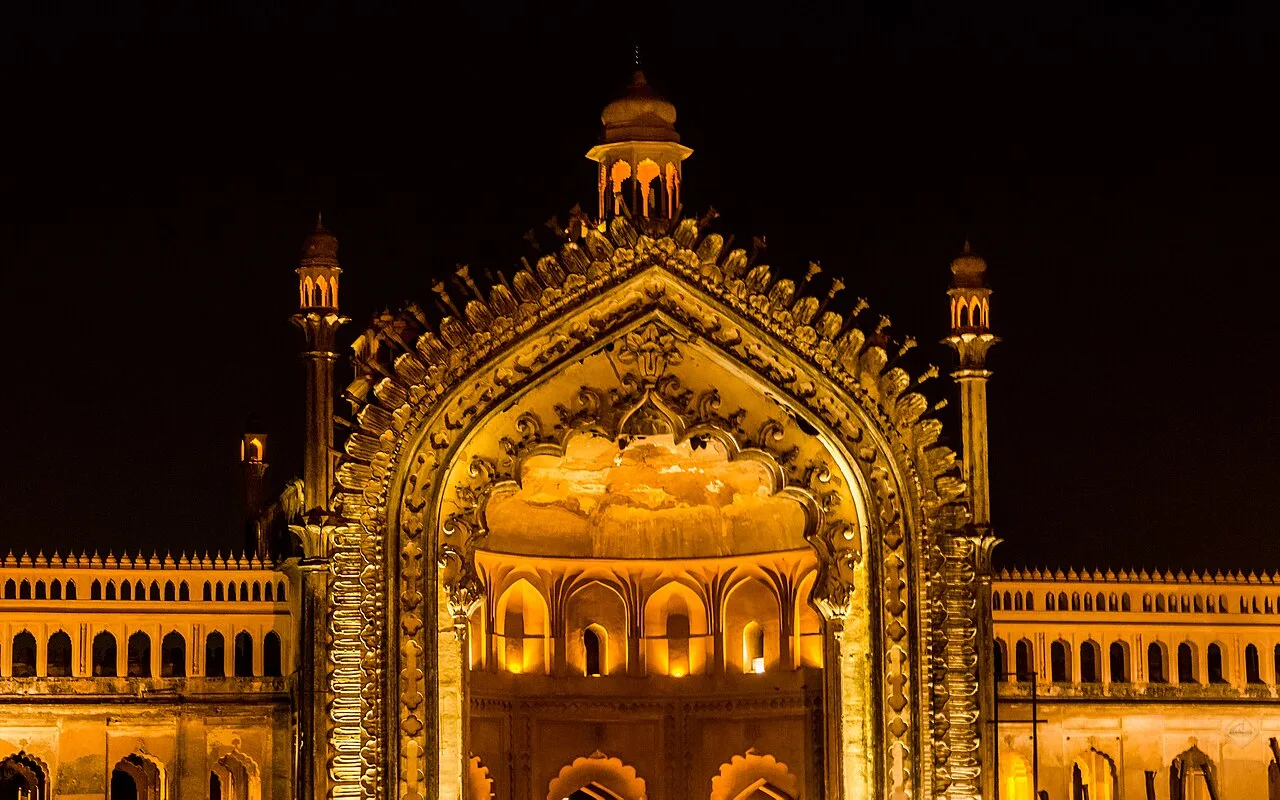
Rumi Darwaza is an 18th-century gateway in Lucknow, known for its Awadhi design and links to the city’s past. Visitors come to see its architecture and historic setting.

Map

Puranpur on the map

  1. 1Pilibhit Tiger Reserve
  2. 2Dudhwa National Park
  3. 3Katarniaghat Wildlife Sanctuary
  4. 4Rampur Raza Library
  5. 5Chota Imambara
  6. 6Husainabad Clock Tower
  7. 7Bara Imambara
  8. 8Rumi Darwaza

Uttar Pradesh

Other cities to explore