
Ghumoopedia — Explore, Discover, Experience
Sign in
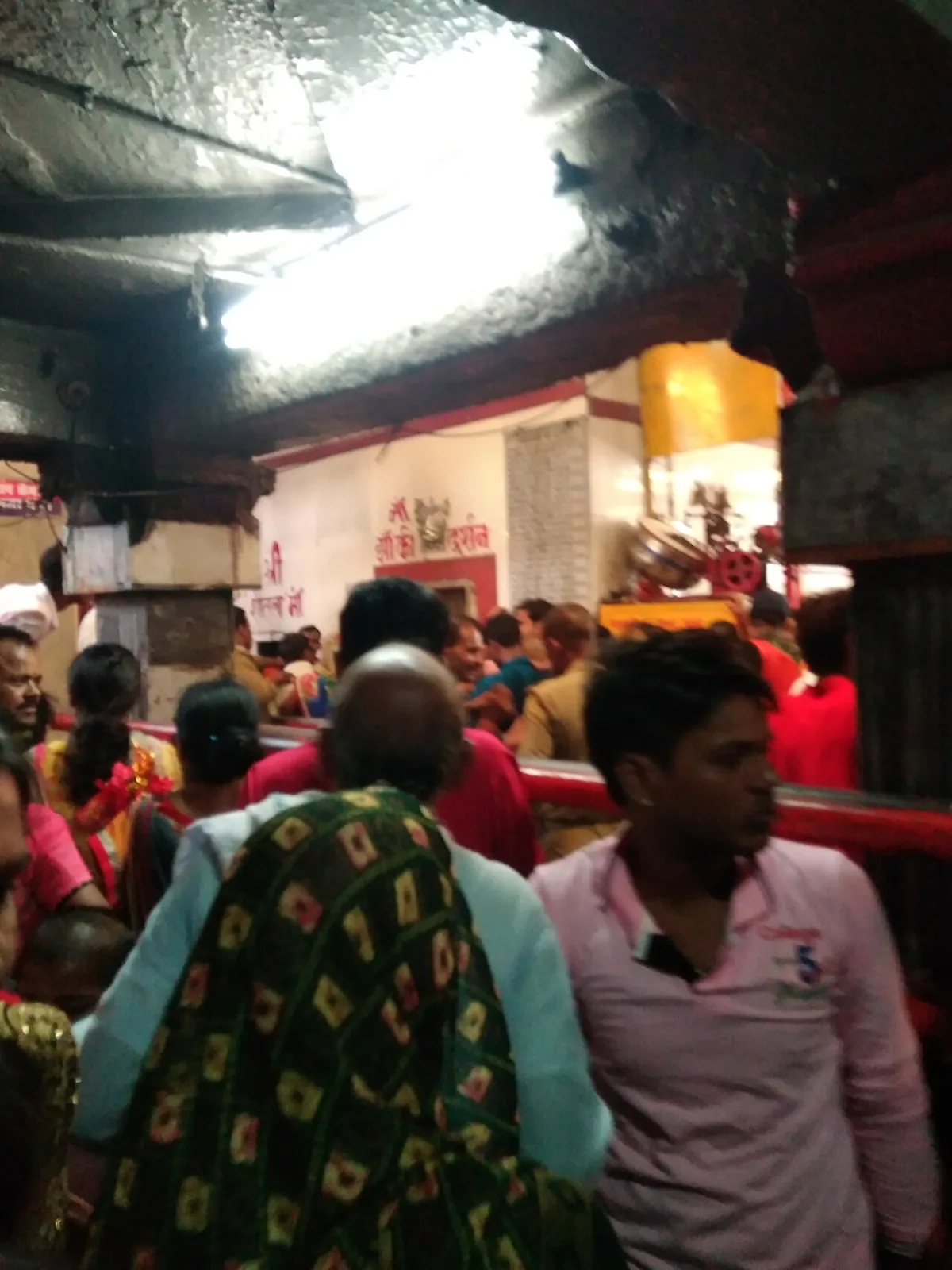
Vindhyavasini Temple, Vindhyachal, near Mirzapur

City guide · Uttar Pradesh

Mirzapur

Mirzapur is a regional centre in southeastern Uttar Pradesh, set where the Vindhya hills give way to the Indo-Gangetic plain. It serves as the headquarters of Mirzapur district and is known for carpet weaving, brassware and its position on the Ganga.

Famous for

  • Mirzapur handmade carpets
  • Brassware
  • Vindhyavasini Temple
  • Kajari and birha music
  • Ganga riverfront
In the city
1
District
Mirzapur

Why Mirzapur matters

Mirzapur is a regional centre in southeastern Uttar Pradesh, set where the Vindhya hills give way to the Indo-Gangetic plain. It serves as the headquarters of Mirzapur district and is known for carpet weaving, brassware and its position on the Ganga. The city’s markets and transport links connect surrounding towns and villages, while its craft industries remain an important part of local commerce.

Visitors come for the riverfront and for nearby Vindhyachal, a major pilgrimage centre centred on the Vindhyavasini Temple. The wider landscape includes wooded hills, ravines and waterfalls, making the district a contrast to the densely settled plains. Mirzapur also has a distinctive musical heritage, especially kajari and birha, and is associated with painted rock shelters that preserve traces of prehistoric art. Together, its religious destinations, craft traditions and setting between river plain and hills give the city a character distinct from nearby Varanasi and Prayagraj.

Famous for: crafts, trade & products

Mirzapur is especially associated with handmade carpets, woven in the city and surrounding district. Mirzapur handmade carpets have a Geographical Indication, and local carpet shops and trading areas are places to look for rugs and floor coverings. Ask sellers about the material, weaving technique and place of manufacture, since products on sale may come from beyond the district as well. Brassware is another longstanding local craft, with household and decorative wares found in the city’s markets.

The central market streets and bazaars are the most practical places to browse for crafts and everyday goods; the area around Ghantaghar is a useful central reference point. Shops near the Ganga also serve local trade, while Vindhyachal’s bazaar focuses largely on visitors to the temple and pilgrimage area. Mirzapur is not best approached as a specialist textile-shopping destination for sarees: its strongest craft identity is carpets, alongside metalwork. The district’s weaving and workshop traditions extend beyond the main city, so buyers seeking a particular craft may need to ask locally about its place of production.

History

Mirzapur’s setting between the Ganga plain and the Vindhya hills helped it develop as a centre for trade and administration. In the colonial period, its position on the river and connections with the hinterland supported commerce in goods including cotton and other regional produce. The town grew into an important market and river port, and later transport links helped sustain its role after river traffic became less central to trade. British-era buildings and the old commercial quarter reflect parts of this history, though the city’s story is also shaped by its continuing links with nearby rural communities.

Today Mirzapur is the district headquarters and a service and trading centre for the surrounding region. Carpet weaving and brassware continue to contribute to its economy. The nearby Vindhyachal pilgrimage area has long drawn visitors, while the district’s painted rock shelters are significant for the study of prehistoric art. Modern roads and railways connect Mirzapur with Varanasi, Prayagraj and other regional centres.

Food, festivals & culture

Hindi is widely used in Mirzapur, alongside regional speech influenced by Bhojpuri and Awadhi. Kajari, traditionally sung during the monsoon, and birha, a narrative folk-song tradition, are important parts of the area’s musical heritage. Local performances and seasonal gatherings keep these forms in circulation, although opportunities can vary by date and venue. Religious life is visible in neighbourhood temples and along the Ganga, as well as at Vindhyachal, just outside the city.

Navratri is especially significant in the pilgrimage area, with large numbers of devotees visiting Vindhyavasini Temple during both the spring and autumn observances. Diwali and Holi are widely celebrated, and monsoon-season traditions are associated with kajari singing. Everyday food reflects the wider eastern Uttar Pradesh kitchen: visitors will find familiar dishes such as kachori, puri, samosa and jalebi at local stalls and sweet shops. Offerings and sweets are also sold around the temple bazaar, where food choices often cater to pilgrims. Ask locally about seasonal specialities rather than assuming a single dish defines the city.

Visiting the city

The cooler months, roughly October to March, are generally the most comfortable for exploring; summer can be very hot, while the monsoon brings rain. Lal Bahadur Shastri International Airport in Varanasi is the nearest major airport. Mirzapur railway station is the main station serving the city, with road connections to nearby regional centres.

Auto-rickshaws and cycle-rickshaws are useful for local journeys, while taxis or hired vehicles make it easier to visit sites beyond the centre. Explore the central market and Ghantaghar area for shops and everyday city life, then head to the Ganga ghats. Vindhyachal, with Vindhyavasini Temple and its surrounding bazaar, is a popular nearby excursion. Check local conditions before visiting hill, forest or waterfall areas, particularly during the rainy season.

Attractions

Places to visit in Mirzapur

Sights within about 12 km of each other, even when they fall in different districts.

Map

Mirzapur on the map

  1. 1Vindhyavasini Temple, Vindhyachal

Uttar Pradesh

Other cities to explore