
Ghumoopedia — Explore, Discover, Experience
Sign in
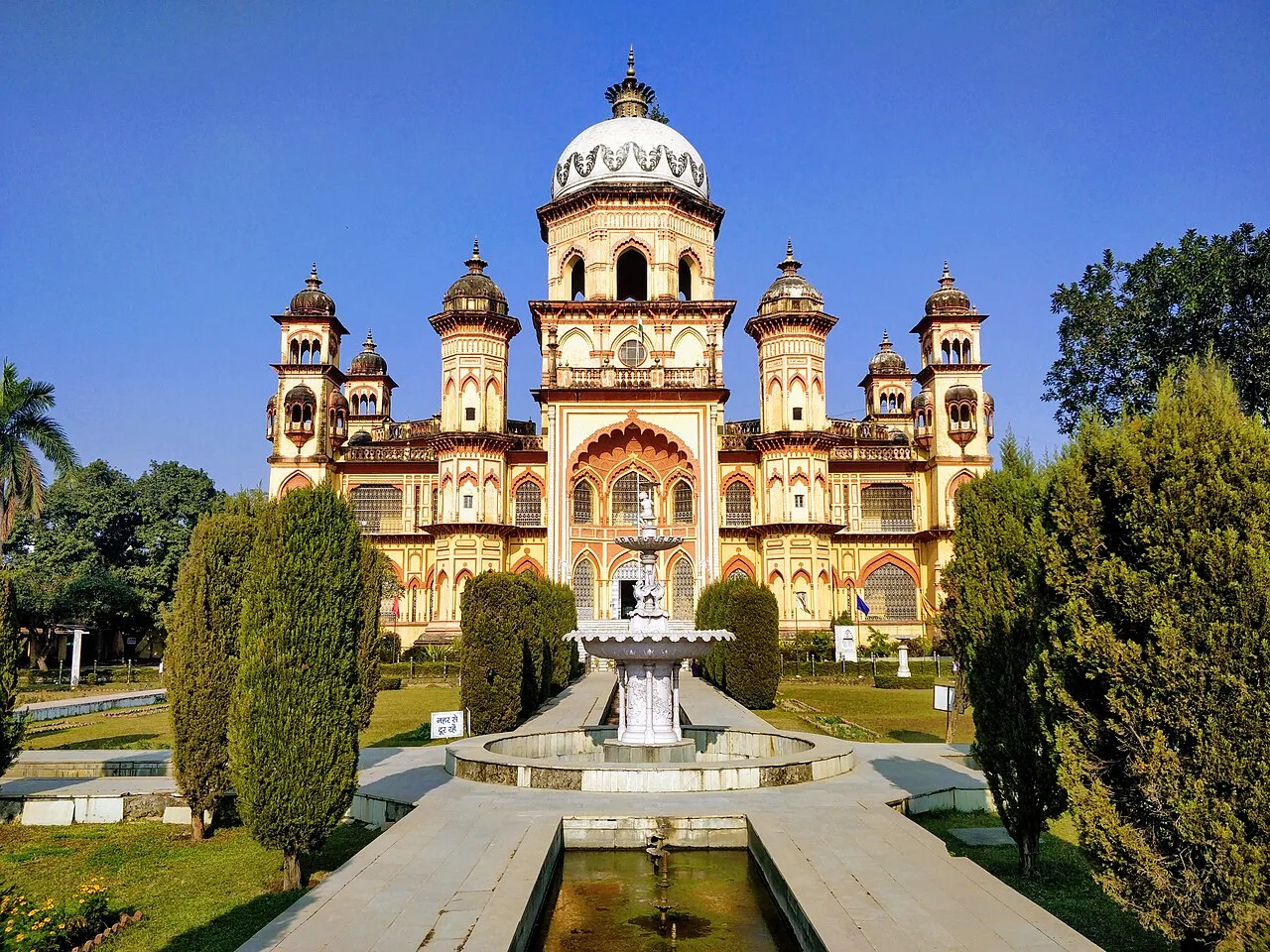
Rampur Raza Library, near Rampur

City guide · Uttar Pradesh

Rampur

Rampur is the administrative headquarters of Rampur district and an important town in the Rohilkhand region of Uttar Pradesh. Its location between Delhi and Lucknow has long connected it with regional travel, trade and agriculture.

Famous for

  • Rampuri knife craft
  • Raza Library manuscripts
  • Mughal miniature paintings
  • Rampur-Sahaswan classical music
  • Rohilla-Nawabi heritage
In the city
1
District
Rampur

Why Rampur matters

Rampur is the administrative headquarters of Rampur district and an important town in the Rohilkhand region of Uttar Pradesh. Its location between Delhi and Lucknow has long connected it with regional travel, trade and agriculture. Visitors come especially for the Rampur Raza Library, a major centre for the study of South Asian history and literature, with a celebrated collection of rare manuscripts and Mughal miniature paintings.

The city’s character reflects its past as the capital of a Rohilla princely state. The legacy of its Nawabs can be seen in the library, Jama Masjid and surviving fort buildings, although some historic structures are weathered or in need of conservation. Rampur is also associated with the distinctive Rampuri knife and a courtly food and music tradition. Today, it combines district-level civic and commercial functions with these cultural attractions. Its agricultural hinterland and connections to nearby towns make it a useful base for exploring this part of western Uttar Pradesh.

Famous for: crafts, trade & products

Rampur is best known for the Rampuri chaaku, a folding knife whose long, narrow form became associated with the city. The craft has received a Geographical Indication tag. Visitors can ask in local bazaars about artisan-made examples and current availability; designs and materials vary, and the knife is a cultural craft rather than a souvenir to buy casually. Check applicable rules before carrying one while travelling.

The Raza Library is another defining institution, preserving more than 12,000 rare manuscripts in Arabic, Persian, Turkish and Urdu, as well as Mughal miniature paintings and other historic works. It is a place to encounter Rampur’s scholarly and artistic heritage, rather than a retail market. Rampur was also once associated with sugar refining and cotton milling, industries that formed part of its economic past. The city is not principally known as a saree or textile-shopping destination. For everyday goods and regional food, visitors can browse the central bazaars and old-city commercial streets, while availability of specialist crafts may vary.

History

The area was once known as Kather and was associated with the Katheria Rajputs. In the 18th century, Rohilla leader Faizullah Khan established the princely state of Rampur after the Rohilla War of 1774–75, with British support. He founded the city in 1775 and began the manuscript collection that became the core of the Raza Library. Rampur remained a princely state under British protection, and its Nawabs developed courts, schools, religious buildings and civic works. The rulers supported the British during the 1857 uprising, and the court also offered refuge to literary figures displaced from Delhi.

The state merged with the Republic of India in 1949. In the decades that followed, the former royal household continued to have a public profile, while Rampur developed as a district headquarters and regional service centre. The library remains the most prominent institution linking the modern city with its courtly past.

Food, festivals & culture

Rampur’s food reflects Rohilkhand and Mughal-influenced cooking. Local eateries serve dishes such as kebabs, korma and biryani, alongside familiar North Indian snacks and sweets; recipes and availability differ from one kitchen to another. Hindi and Urdu are widely used in daily life, and Urdu has a particularly visible connection with the city’s literary and courtly history.

Eid al-Fitr and Eid al-Adha are important celebrations, while Ramadan shapes the evening food scene. Muharram is observed by the Shia community. Hindu festivals including Holi and Diwali are also celebrated, usually in spring and autumn respectively. The city’s musical heritage includes the Rampur-Sahaswan gharana of Hindustani classical vocal music. Rather than a single distinctive local dance form, cultural life is expressed through music, religious observances and family festivities. Jama Masjid and the city’s mosques are notable places of worship; Hindu temples also serve local communities.

Visiting the city

October to March is generally the most comfortable period to visit. Summers can be very hot, while monsoon rains may affect local travel. Bareilly Airport is a nearby airport; check current flight connections before planning, as services can be limited. Rampur Junction is the city’s main railway station, with road links connecting it to nearby towns and larger centres.

Auto-rickshaws and cycle or electric rickshaws are useful for getting around town; local taxis can be arranged for longer journeys. The Raza Library is the principal cultural stop, and the old-city area around Jama Masjid offers a glimpse of historic Rampur and its busy bazaars. Allow time to explore central streets and local food shops. Confirm visitor access and any photography rules at heritage institutions before setting out.

Attractions

Places to visit in Rampur

Sights within about 12 km of each other, even when they fall in different districts.

Map

Rampur on the map

  1. 1Rampur Raza Library

Uttar Pradesh

Other cities to explore