
Ghumoopedia — Explore, Discover, Experience
Sign in
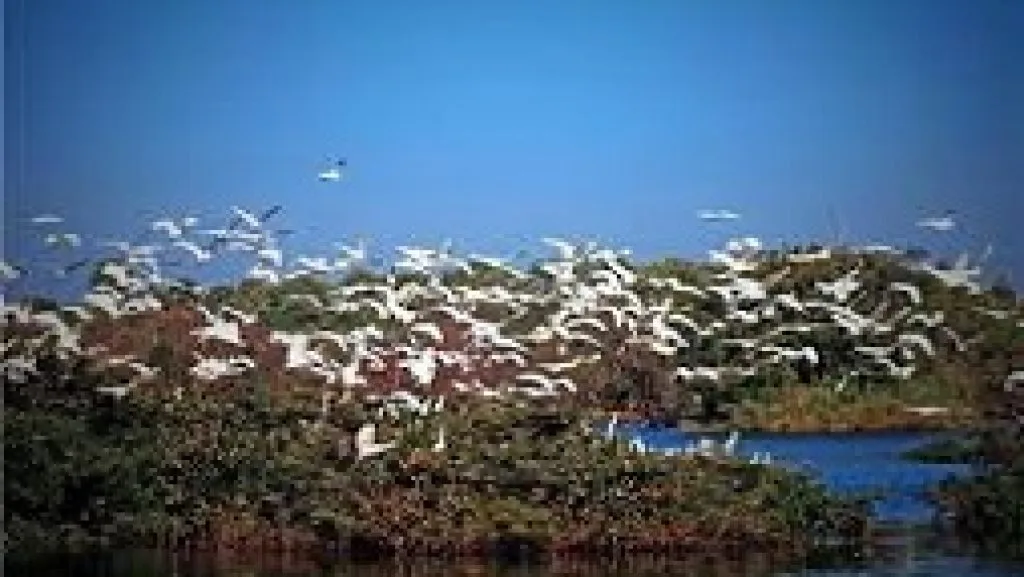
Samaspur Bird Sanctuary, near Salon

City guide · Uttar Pradesh

Salon

Salon is a small town in Raebareli district, best understood as a local administrative and market centre rather than a major tourist hub. It is the headquarters of both a tehsil and a community development block, serving nearby villages with government services, shops and road connections.

Famous for

  • Historic Awadh-era town
  • Tehsil and block headquarters
  • Fazalganj bazaar heritage
  • Sai river countryside
  • Raebareli–Pratapgarh road junction
In the city
1
District
Raebareli

Why Salon matters

Salon is a small town in Raebareli district, best understood as a local administrative and market centre rather than a major tourist hub. It is the headquarters of both a tehsil and a community development block, serving nearby villages with government services, shops and road connections. Its position at the meeting of routes linking Raebareli, Pratapgarh, Jais and Khaga has long supported this regional role.

For visitors, Salon’s interest lies in its layered history and everyday life in the Awadh countryside. It was once selected as a district headquarters, and its old market, Fazalganj, was an important local trading place. The town stands just south of the Sai river, with a large jhil to its east and roads leading towards places including Dalmau, Manikpur and Kunda. These surroundings offer a quieter view of rural Uttar Pradesh than the state’s larger cities. Salon is most rewarding for travellers exploring the district, tracing local history or making a stop between regional destinations.

Famous for: crafts, trade & products

Salon is not widely identified with a specialist textile, handicraft, GI-tagged product or large-scale industry. Its longstanding distinction is as a service and trading centre for the surrounding countryside. The historic Fazalganj bazaar was locally important, with regular market days recorded in the town’s past; today, the central market area remains the natural place to look for everyday shopping and a feel for local commerce.

Visitors can expect practical town-market fare such as household goods, groceries and seasonal produce, rather than a recognised destination shopping district. Small shops and vendors serve residents and nearby villages, but particular crafts or products should not be assumed to be made locally. Salon’s administrative institutions—including the tehsil and block offices—also reflect its role as a centre for the area. Travellers seeking a wider choice of branded goods, specialist crafts or regionally promoted products can look in larger district and city markets. In Salon, the appeal is less about a signature purchase than seeing how a historic bazaar continues to support daily life in the surrounding region.

History

Local tradition credits Salon’s founding to Salivahan, an ancestor of the Bais, though this belongs to legend rather than firmly established history. The area was long associated with Bhar rule. Muslim influence grew gradually, becoming more pronounced in the late eighteenth century under the Awadh ruler Asaf-ud-Daula. Under the Nawabs, Salon served as the headquarters of a chakla and had a garrison, including soldiers stationed in a mud fort on the town’s southern side.

After the British annexed Awadh in 1856, Salon was chosen as a district headquarters. The upheaval of 1857 ended that status, and the town became a tehsil headquarters under Pratapgarh district before being transferred to Raebareli district in 1869. Around 1800 Salon was described as prosperous, but it later declined. At the turn of the twentieth century, Fazalganj bazaar, government offices, a police station, a post office and a school marked its role as a small regional centre. That administrative function continues today.

Food, festivals & culture

Salon’s culture reflects the mixed social traditions of the Awadh region. Hindi and Awadhi are commonly heard in everyday conversation, while Urdu is also part of the area’s linguistic and literary heritage. The town is not especially known for a distinct performing-arts tradition or a signature local cuisine. Visitors will generally find familiar north Indian meals and snacks in local eateries; dishes and sweets vary by shop and season, so it is best to ask locally about what is freshly prepared.

Holi and Diwali bring Hindu families together in the spring and autumn, while Navratri is observed with seasonal devotion. Muslim residents mark Ramadan and Eid, and Muharram is an important occasion in the religious calendar. The town’s temples and mosques serve as neighbourhood places of worship and community gathering; visitors should dress respectfully and follow local customs. As in other towns across the region, weddings, religious observances and family events are accompanied by devotional music and popular local forms of singing. The market area offers a simple way to see the rhythms of daily town life.

Visiting the city

The cooler, drier months from about October to March are generally the most comfortable for visiting; summers can be very hot, and monsoon travel may be affected by rain. Salon railway station serves the town, while Rae Bareli Junction is a larger rail interchange for wider connections. Prayagraj Airport is a practical nearby airport; Chaudhary Charan Singh International Airport in Lucknow is another option, depending on your route.

Within Salon, local shared vehicles, auto-rickshaws and taxis can help with short trips; confirm availability locally. Explore the central bazaar around historic Fazalganj, the town’s administrative quarter and the roads leading towards the Sai river and the jhil east of town. These are modest local areas rather than developed visitor attractions, so plan longer excursions from Salon separately.

Attractions

Places to visit in Salon

Sights within about 12 km of each other, even when they fall in different districts.

Map

Salon on the map

  1. 1Samaspur Bird Sanctuary

Uttar Pradesh

Other cities to explore