
Ghumoopedia — Explore, Discover, Experience
Sign in
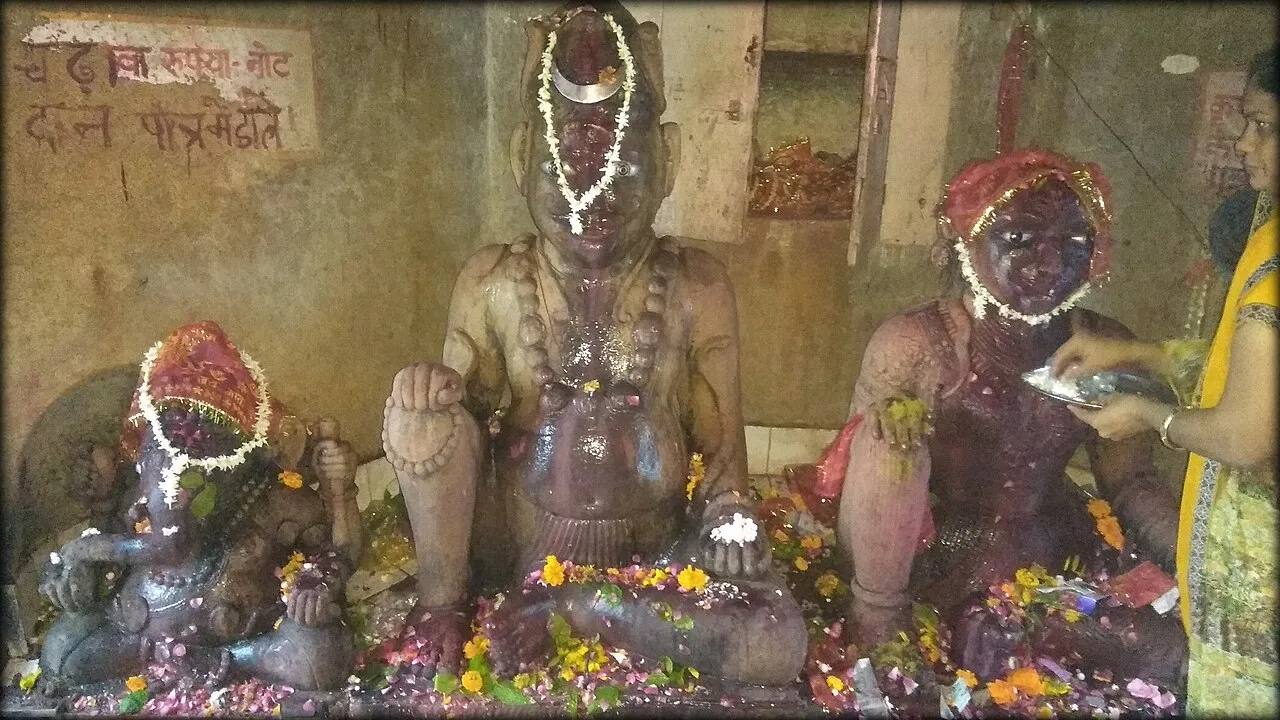
Bateshwar Temples, Agra, near Bah

City guide · Uttar Pradesh

Bah

Bah is a small town and administrative centre in Agra district, serving the surrounding rural communities as a block and sub-division headquarters. Its position on Uttar Pradesh State Highway 62 makes it a useful local hub for shops, services and road travel in the southern part of the district.

Famous for

  • Bateshwar temple circuit
  • Kartik Bateshwar fair
  • Yamuna-Chambal river country
  • Bhadawar regional heritage
In the city
1
District
Agra
Plan a tripHotels near Bah

Why Bah matters

Bah is a small town and administrative centre in Agra district, serving the surrounding rural communities as a block and sub-division headquarters. Its position on Uttar Pradesh State Highway 62 makes it a useful local hub for shops, services and road travel in the southern part of the district. The town’s setting is shaped by the nearby Yamuna, Chambal and Utangan rivers, whose plains and ravines give the area a distinctive landscape close to the borders of Rajasthan and Madhya Pradesh.

Visitors are often drawn to Bah as a base for exploring Bateshwar, a nearby riverside pilgrimage site known for its temples and annual fair. The wider area appeals to travellers interested in religious heritage, river scenery and the history of Bhadawar. Bah itself is more a working market town than a conventional sightseeing destination: its importance lies in connecting nearby settlements with district services and in providing access to the region’s temples, countryside and local markets.

Famous for: crafts, trade & products

Bah is not especially known for a signature textile, handicraft, GI-tagged product or large-scale manufacturing industry. Its role is primarily that of a local service and trading centre for the surrounding countryside. The town’s shops and market areas cater to everyday needs, with general merchandise, food, household goods and agricultural supplies. Visitors looking for local goods can browse the bazaar near the main roads, though it is best to treat this as a neighbourhood market rather than a specialist craft destination.

The best-known draw in the vicinity is Bateshwar, whose riverside temples and religious gatherings give the area a strong pilgrimage identity. During the seasonal Bateshwar fair, temporary stalls add a livelier market atmosphere, with food, household items and fairground goods; offerings vary from year to year. The fair is also associated with livestock trading. For a more distinctive shopping experience, travellers may need to continue to larger centres such as Agra, where specialist crafts and established retail markets are more readily found. Bah’s appeal is therefore rooted less in a named product than in its role as a gateway to Bhadawar’s religious and rural landscape.

History

Local accounts associate Bah’s early township with Maharaja Mahendra Kalyan Singh of Bhadawar, who is said to have established a settlement called Bah Kalyanpur. The name Bah is linked locally with flowing water, fitting a landscape shaped by the Yamuna, Chambal and Utangan. The area has a much older past, but specific accounts of ancient kingdoms are uncertain, and no archaeological evidence is identified here to confirm a continuous settlement history from those periods.

Bah developed within the historical region of Bhadawar, whose rulers retained considerable local influence for centuries. In the colonial era, the territory formed part of the Bhadawar estate under British rule. After independence, Bah’s role increasingly centred on local administration and services. Its present-day importance as a block and sub-division headquarters reflects that regional function, while State Highway 62 connects it with other settlements in Agra district. The nearby temples and pilgrimage traditions of Bateshwar remain a visible link to the area’s longer religious history.

Food, festivals & culture

Everyday food in Bah reflects the wider food traditions of western Uttar Pradesh and the Braj region. Meals commonly centre on roti, lentils and seasonal vegetables, while market stalls may offer familiar snacks and sweets such as kachori and jalebi. These are regional staples rather than products unique to Bah. At Bateshwar, food stalls and temporary vendors add to the atmosphere during the annual fair.

Hindi is widely used, alongside local speech influenced by Braj. Hindu festivals such as Holi in spring, Navratri and Dussehra in autumn, and Diwali in autumn are observed in the area. Bateshwar is particularly associated with Kartik-season pilgrimage and a major fair, when visitors gather at the riverside temples. Worship, fairs and family celebrations are central to local cultural life; music and devotional singing are often part of religious occasions. The temple complex at Bateshwar is the principal nearby place of worship for visitors seeking a cultural or pilgrimage experience.

Visiting the city

The cooler months, roughly October to March, are generally the most comfortable for visiting; summer heat can be intense, while monsoon conditions may affect road travel. Agra Airport, also known as Kheria Airport, is the nearest airport, though flight options may be limited. Agra Cantt is the principal major railway station for onward travel to Bah. Check current connections before setting out, then continue by road.

State Highway 62 is the main approach, and local taxis or shared road transport are practical ways to reach nearby settlements. In Bah, explore the central market and main-road area for everyday town life. Set aside time for Bateshwar, a nearby temple and riverside area, especially if visiting during its seasonal fair. The countryside and river landscape are best explored with local guidance, as distances between sites can be significant.

Attractions

Places to visit in Bah

Sights within about 12 km of each other, even when they fall in different districts.

Map

Bah on the map

  1. 1Bateshwar Temples, Agra

Uttar Pradesh

Other cities to explore