
Ghumoopedia — Explore, Discover, Experience
Sign in
Chunar Fort, near Chunar

City guide · Uttar Pradesh

Chunar

Chunar is a historic town in Mirzapur district, set on the Ganga in southeastern Uttar Pradesh. Its position near Mirzapur and on routes linking Varanasi with the wider region gives it a role as both a local market centre and a place to pause while exploring the river towns of the area.

Famous for

  • Historic Chunar Fort
  • Clay handicrafts
  • Plaster-of-Paris crafts
  • Ganga river setting
  • Rail and road connections
In the city
1
District
Mirzapur

Why Chunar matters

Chunar is a historic town in Mirzapur district, set on the Ganga in southeastern Uttar Pradesh. Its position near Mirzapur and on routes linking Varanasi with the wider region gives it a role as both a local market centre and a place to pause while exploring the river towns of the area. Chunar Junction connects the town by rail to major destinations, while National Highway 35 provides a road link towards Mirzapur and Varanasi.

The best-known landmark is Chunar Fort, which rises above the river and brings together layers of legend, medieval history and colonial-era associations. Visitors come for its old walls, river views and stories connected with rulers including Sher Shah Suri, the Mughals and the British. Chunar is also recognised locally for decorative handicrafts made from clay and plaster of Paris. Its appeal lies in this mix of heritage, craft and landscape: it is quieter than nearby Varanasi, yet offers a distinctive view of the Ganga and the history of the Vindhyan region.

Famous for: crafts, trade & products

Chunar is particularly associated with small-scale decorative crafts made from clay and plaster of Paris. Local makers produce items such as figurines and ornaments, continuing a craft identity that distinguishes the town from places better known for large textile or saree industries. These products are generally sought in local shops and market areas; visitors interested in seeing how they are made can ask locally about active workshops, since production and availability may vary.

The town is not widely identified with a particular GI-tagged textile or a major industrial product. Instead, its craft trade is closely tied to household-scale production and local commerce. The central market and nearby lanes are the most practical places to look for locally made pieces and everyday goods. Chunar’s position on the Ganga and its rail and road connections also support trade with Mirzapur and Varanasi. The fort is its strongest visitor draw, while the town’s handmade clay and plaster-of-Paris objects offer a tangible souvenir of its living craft tradition.

History

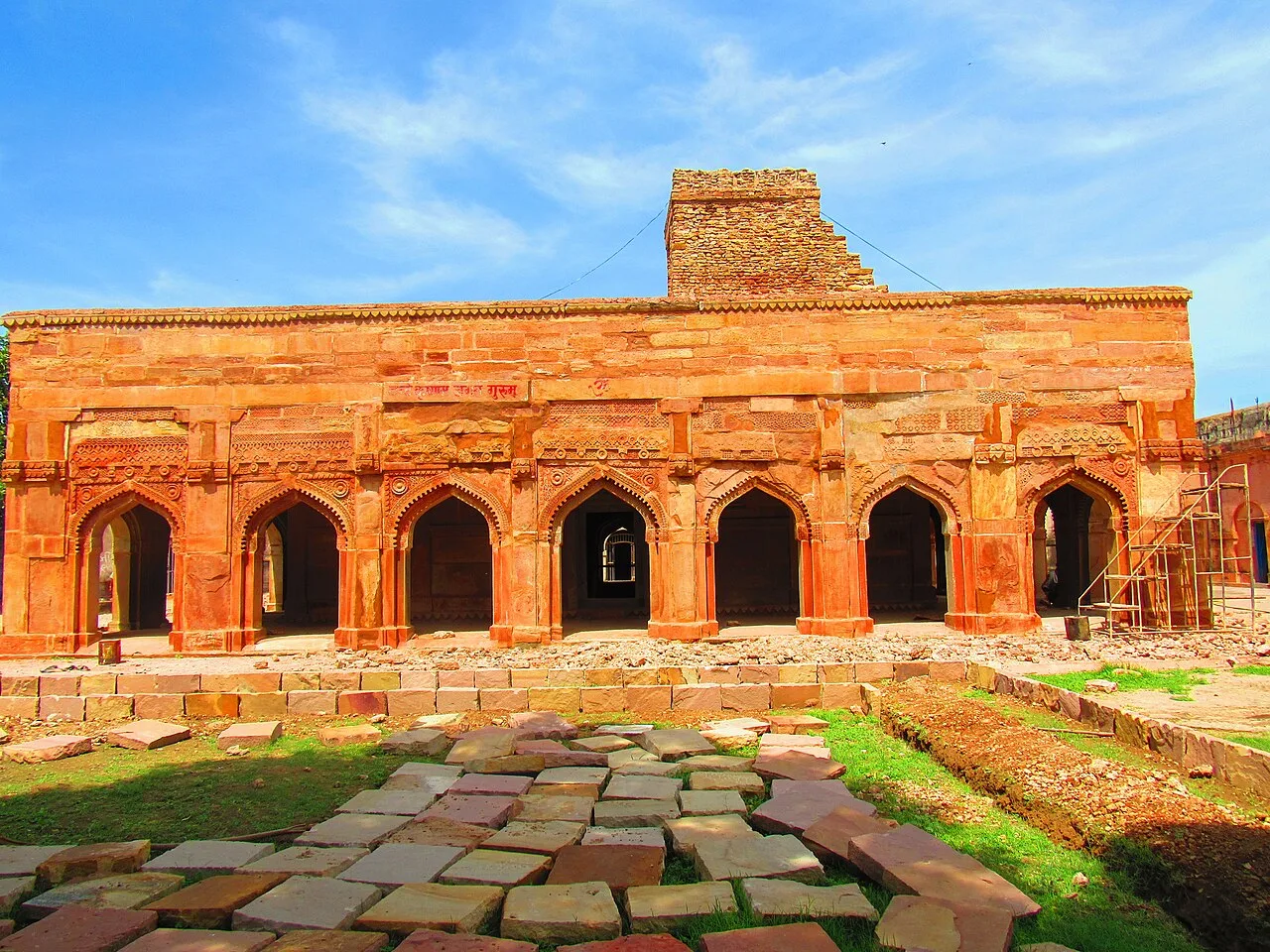
Chunar Fort is surrounded by traditions that link it to Raja Bharthari and Maharaja Vikramaditya, as well as stories of Naina Yogini and a ruler called Sahadeo. The fort’s stone structures and sites such as Sonava Mandap are associated in local lore with these accounts. In the sixteenth century, the fort became important in the struggles among regional powers and the Mughal Empire. Babur is said to have stayed there; Sher Shah Suri gained control through marriage, and Humayun later besieged it before making an agreement with Sher Shah. Akbar captured the fort in 1574, and it remained under Mughal authority for generations.

The East India Company took the fort in 1772 and used it as an artillery and ammunition depot. During the conflict involving Maharaja Chait Singh in 1781, Warren Hastings sought refuge at Chunar. British-era remains include his former residence and a sundial. In modern times, the railway junction, highway links and local craft trade have connected the town to regional travel and commerce, while the fort remains its most visible historical landmark.

Food, festivals & culture

Daily life reflects the wider culture of eastern Uttar Pradesh. Hindi is commonly used, alongside Bhojpuri and other regional speech. Meals are generally based on familiar North Indian staples such as roti, rice, lentils and seasonal vegetables; snacks and sweets found across the region may be available in local eateries and shops. Chunar is not especially known for a signature dish, so visitors looking for a particular local speciality should ask residents or market vendors what is in season.

Holi in spring and Diwali in autumn are widely observed, while Navratri and Dussehra bring devotional and community celebrations. Chhath, associated with worship of the setting and rising sun, is especially meaningful in many communities along the Ganga and is observed in the autumn. Religious life includes Hindu temples and shrines, including sites connected with the fort’s traditions, as well as a historic mosque within the fort complex. Music and dance are shaped by broader Bhojpuri and North Indian folk and devotional traditions; performances are more likely to be encountered during festivals and community events than as scheduled visitor attractions.

Visiting the city

The cooler months, roughly October to March, are generally the most comfortable for exploring Chunar Fort and the riverside. Summers can be very hot, while monsoon rain may affect outdoor plans and riverbank access. The nearest major airport is Lal Bahadur Shastri International Airport in Varanasi. Chunar Junction is the town’s main railway station, with road connections to Mirzapur and Varanasi via National Highway 35.

Auto-rickshaws and local road transport are useful for getting between the station, town and fort; confirm local arrangements on arrival. Set aside time for the fort and its viewpoints, then explore the older town and market lanes for local crafts. The Ganga-facing parts of town offer a quieter look at Chunar’s landscape and everyday life. Check locally about access to particular fort structures or craft workshops, as conditions can change.

Attractions

Places to visit in Chunar

Sights within about 12 km of each other, even when they fall in different districts.

Map

Chunar on the map

  1. 1Chunar Fort

Uttar Pradesh

Other cities to explore